报春搏鱼
概要
| 字段 | 值 |
|---|---|
| 类别 | 鱼 |
| 学名 | Betta prima |
| 别名 | 報春搏魚 |
| 分类 | 攀鲈目 Anabantiformes › 丝足鲈科 Osphronemidae › Betta |
| 水体 | 淡水 |
| 原产地 | 柬埔寨、老挝、泰国、越南 |
| 成体体长 | 5 cm |
| 饲养难度 | 中等 |
| 最小水体 | 54 L |
| 最小缸长 | 60 cm |
| 群居方式 | 成对 |
| 水流偏好 | 低 |
| 外部数据 | seriouslyfish betta-prima;fishbase 51578 |
| 特征 | 会跳缸: 是 |
| 繁殖方式 | 口孵 |
水质参数
| 参数 | 耐受范围 | 最适范围 | 单位 |
|---|---|---|---|
| 水温 | 23–27 | — | °C |
| pH | 4–7 | — | — |
| 总硬度 | 0–10 | — | dGH |
概述
报春搏鱼(Betta prima)由雄鱼口孵,适合在阴暗、有丰富庇护的环境中成对或小群饲养。它曾被误认作其他斗鱼,购买时应留意学名及产地,而不要仅凭相似外观判断。
分布与栖息地
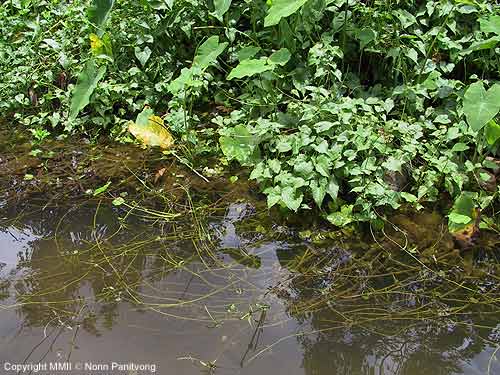
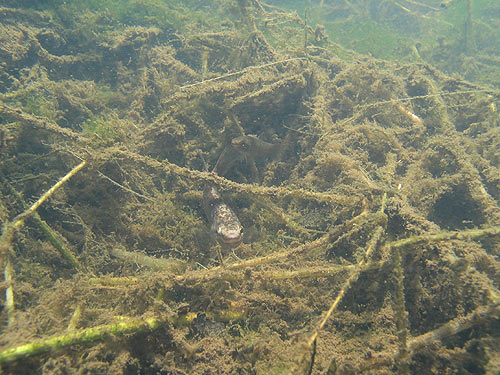
分布包括泰国东南部、柬埔寨和老挝的部分湄公河流域,以及越南南部三角洲和富国岛。生境可为森林沼泽或清澈溪流,水流随地点和季节从静水到急流变化。
在流水区常躲于岸边树根、落叶、植被或相连缓流潭中,底部可能有基岩和大小石块。森林沼泽则受浓密林冠遮阴,常有腐殖质染色的酸性软水,落叶和沉木丰富。
饲养环境
至少约 60 × 30 cm 底面积可养一对或小群。沉木根枝形成阴影,花盆及管道提供更多退避空间。落叶有助于形成微生物群落,也可为鱼苗补充食物。照明宜暗,可加入耐阴水草和浮水植物。
过滤保持柔和,气动海绵过滤即可。缸盖必须防跳,水面上方留湿润空气层,不能把水加满至盖。
食性与喂食
野外可能摄取昆虫、小型无脊椎动物和浮游动物。人工通常可适应干粮,但应经常搭配水蚤、丰年虾和红虫等小型活饵或冻饵。蟋蟀、果蝇等小昆虫也可用,投喂前先让它们吃鱼粮或植物性食物以提高营养价值。注意避免过量。
习性与混养
单养通常比普通混养合适,体型大或过度活跃的鱼可能使它紧张、抢走食物。需要混养时,选择非常温和且环境相容的鱼。可成对或群养,后者能观察到更多个体互动。
雌雄区分
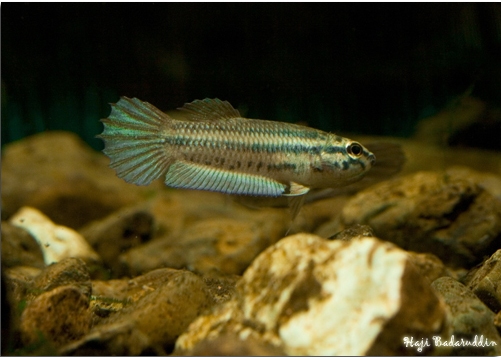
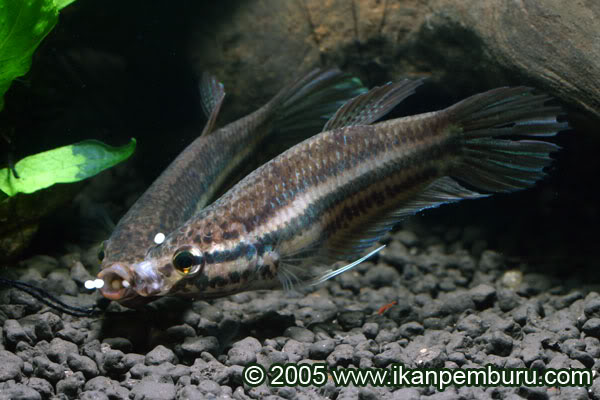
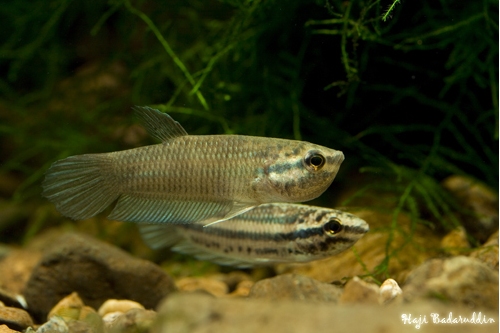
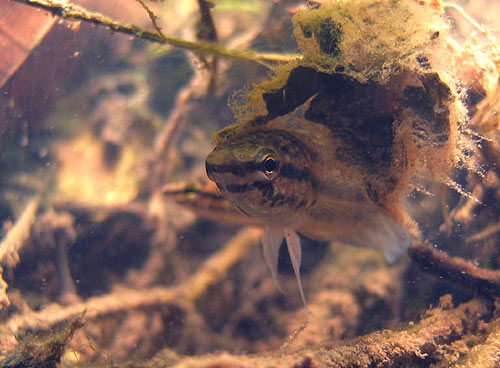
雄鱼较大,头部更宽、虹彩鳞片更多,鳍也更延长。
繁殖
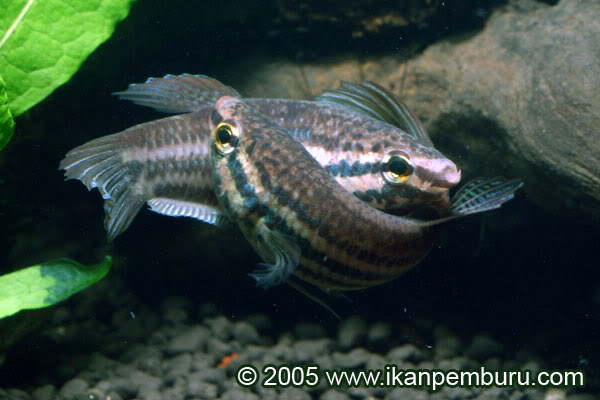
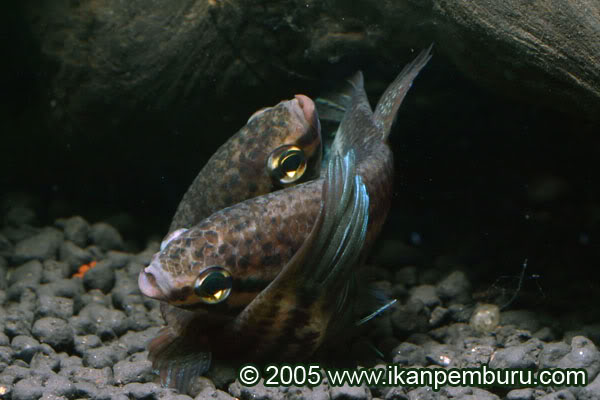
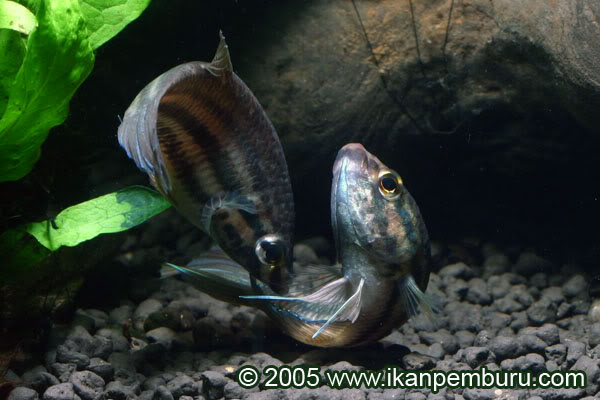
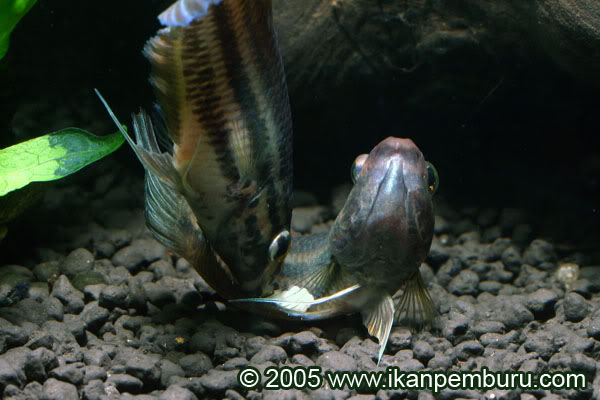
宜使用独立繁殖缸和贴合缸盖,保持温暖湿润的水上空气,供鱼苗迷鳃器官发育。求偶较久,正式产卵前可能出现无卵环抱。卵先被雄鱼臀鳍接住,雌鱼拾入口中后吐向水中,再由雄鱼接住含卵,整个过程反复进行。
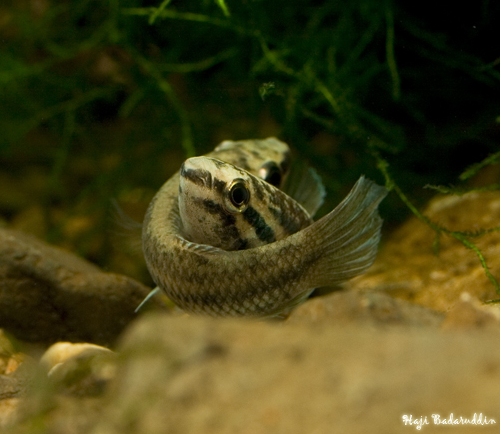
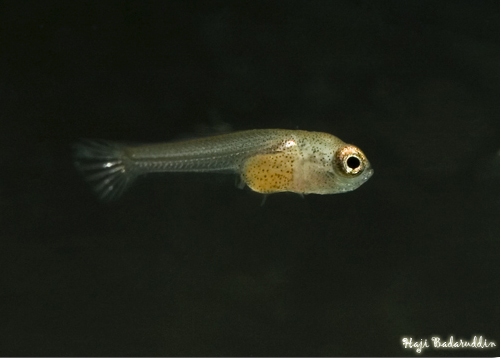
受惊或无经验雄鱼可能吞卵、提前吐卵,因此通常不急于捞走雌鱼或其他现有同伴。口孵约 7~12 天后释放自由游动鱼苗,可分开育苗,也可随亲鱼生活,不过后一种方式可能损失部分鱼苗。
鱼苗能吃微虫和丰年虾无节幼体,每天约 2~3 次少量、多样投喂。不要大量单一喂丰年虾,换水也宜少量、规律进行。
补充说明
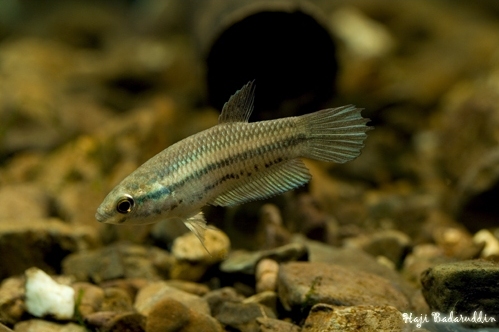
历史上常被误认作 Betta pugnax 或 B. taeniata。其近缘组归属存在不同看法;本种鳃盖后眼纹完整、尾鳍无横纹,可作鉴别线索。迷鳃器官让它能辅助呼吸空气。
图片
图片来自 SeriouslyFish,版权归各摄影者所有。
English
Overview
A quiet aquarium with extensive cover suits the paternal mouthbrooder Betta prima. Pairs or small groups can be maintained, but identification deserves care because this fish was historically confused with other bettas.
Distribution & habitat
Records extend from southeastern Thailand into parts of the Mekong basin in Cambodia and Laos, and to the delta and Phú Quốc in southern Vietnam. It uses forest swamps and clear streams, with current varying from still water to rapid flow according to locality and season.
In streams, fish seek roots, leaf accumulations, plants, and quieter adjoining pools among rocky substrates. Forest swamps are densely shaded and often contain humic, acidic soft water over leaves and submerged wood.
Aquarium setup
A footprint of at least about 60 × 30 cm can house a pair or small group. Wood and roots create shade; pots and tubes provide additional retreats. Leaves support microbial growth and supplementary fry food. Use subdued lighting, shade-tolerant plants, and floating cover.
Keep filtration gentle. Secure the lid against jumping and leave humid air between the water and cover rather than filling to the top.
Diet & feeding
Insects, small invertebrates, and zooplankton are likely natural prey. Dry food is usually learned, but frequent live or frozen Daphnia, Artemia, and bloodworms add variety. Small crickets or fruit flies can also be used; feeding them fish food or plant material beforehand improves their nutritional contribution. Avoid excessive portions.
Behaviour & compatibility
Dedicated keeping is generally easier than a standard community. Large or energetic companions may intimidate it and outcompete it for food. Any tankmates must be very peaceful and suited to the same conditions. Pairs and groups are possible, with groups showing more social interactions.
Sexual dimorphism
Males grow larger and develop wider heads, more iridescent head scales, and longer fins.
Breeding
Use a separate breeding aquarium where practical. A close-fitting lid retains warm, moist air needed by the developing labyrinth organ. Courtship is prolonged and may include embraces without eggs. During productive embraces, eggs rest on the male's anal fin, are gathered by the female, and are spat into the water for him to collect. This continues until he holds the brood.
Inexperience or stress can cause swallowing or early release. Leaving the female and existing companions in place is usually preferable to disruptive removal. After about 7–12 days, free-swimming fry are released. They can be reared separately or left with the adults, although some losses to predation may occur in the latter arrangement.
Offer microworms and Artemia nauplii in small, varied meals approximately two or three times daily. Avoid excessive Artemia feeding and use regular small water changes.
Notes
Former misidentifications include Betta pugnax and B. taeniata, and placement within a species group remains disputed. A complete second stripe behind the eye and absence of tail crossbars are identification clues. A labyrinth organ permits auxiliary air breathing.
来源
- https://www.seriouslyfish.com/species/betta-prima(抓取于 2026-10-10)
betta-prima · 文件: data/species/betta-prima.md · 状态: 草稿