红鳍抟鱼
概要
| 字段 | 值 |
|---|---|
| 类别 | 鱼 |
| 学名 | Betta miniopinna |
| 别名 | 紅鰭摶魚 |
| 分类 | 攀鲈目 Anabantiformes › 丝足鲈科 Osphronemidae › Betta |
| 水体 | 淡水 |
| 原产地 | 印度尼西亚 |
| 成体体长 | 3.5 cm |
| 饲养难度 | 中等 |
| 最小水体 | 41 L |
| 最小缸长 | 45 cm |
| 群居方式 | 成对 |
| 水流偏好 | 低 |
| 外部数据 | seriouslyfish betta-miniopinna;fishbase 27007 |
| 特征 | 会跳缸: 是 |
| 繁殖方式 | 吐泡筑巢 |
水质参数
| 参数 | 耐受范围 | 最适范围 | 单位 |
|---|---|---|---|
| 水温 | 22–28 | — | °C |
| pH | 4–6 | — | — |
| 总硬度 | 1–5 | — | dGH |
概述
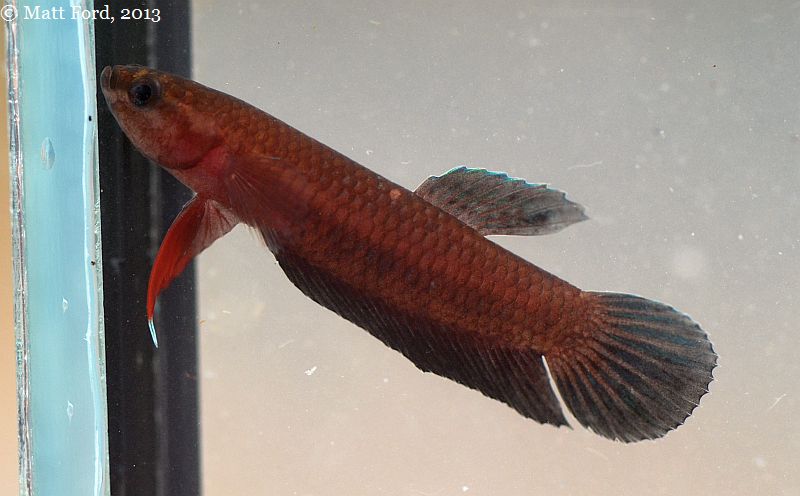
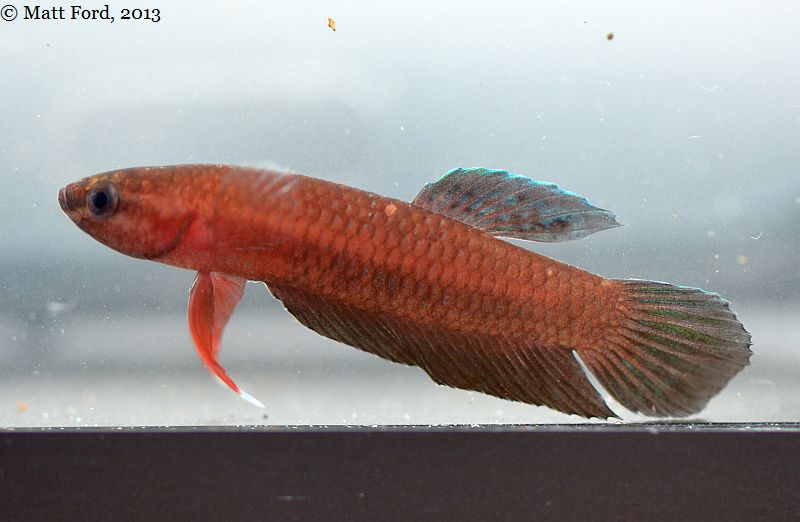
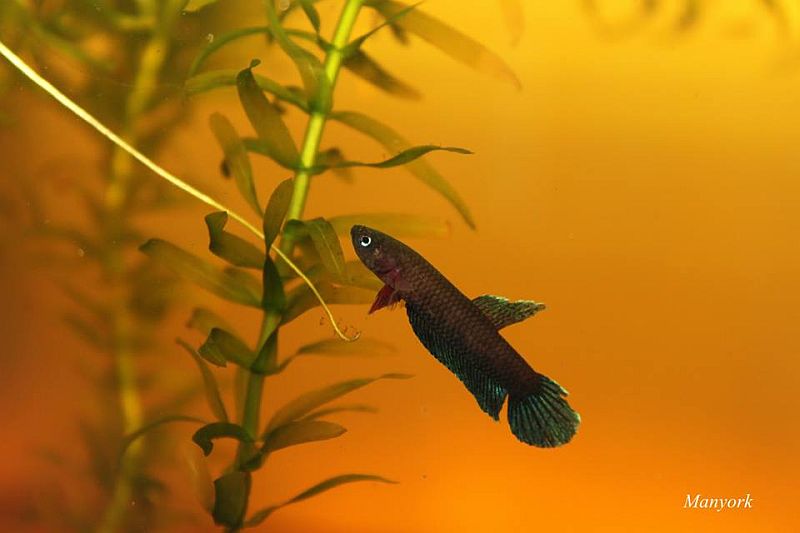
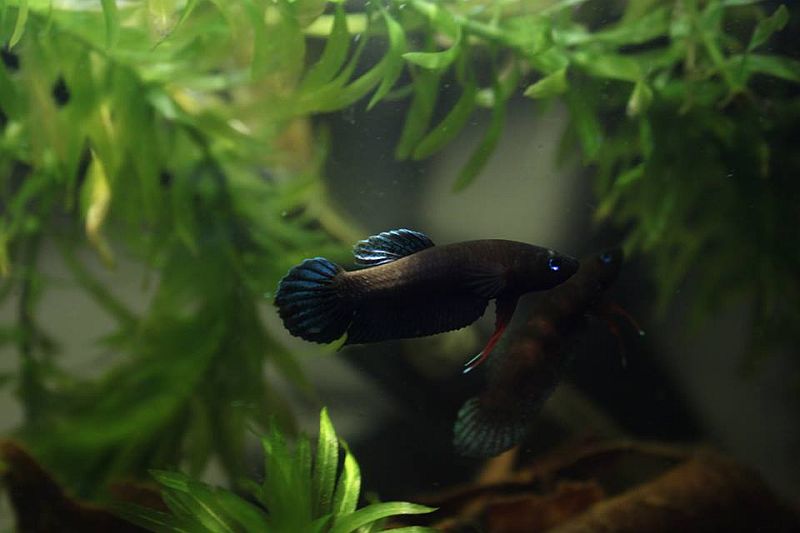
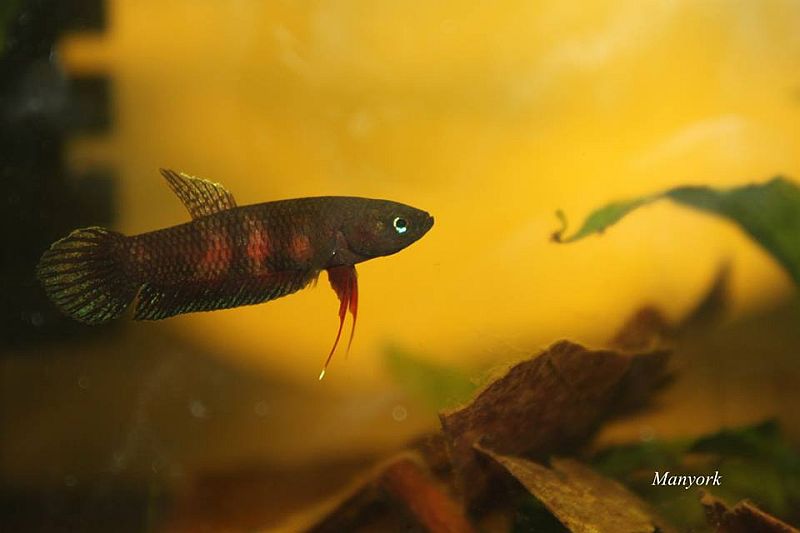
红鳍抟鱼(Betta miniopinna)是一种小型泡巢斗鱼,身体偏暗,腹鳍鲜红并带白色丝状末端。它来自极软、酸性的泥炭沼泽黑水,饲养应围绕稳定软水、弱水流和充足遮蔽安排,而非普通热带混养缸。
分布与栖息地
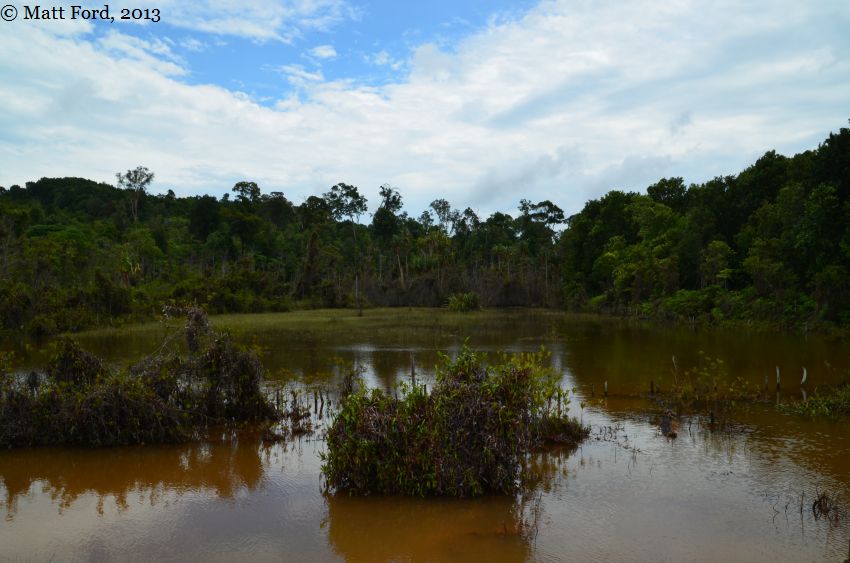
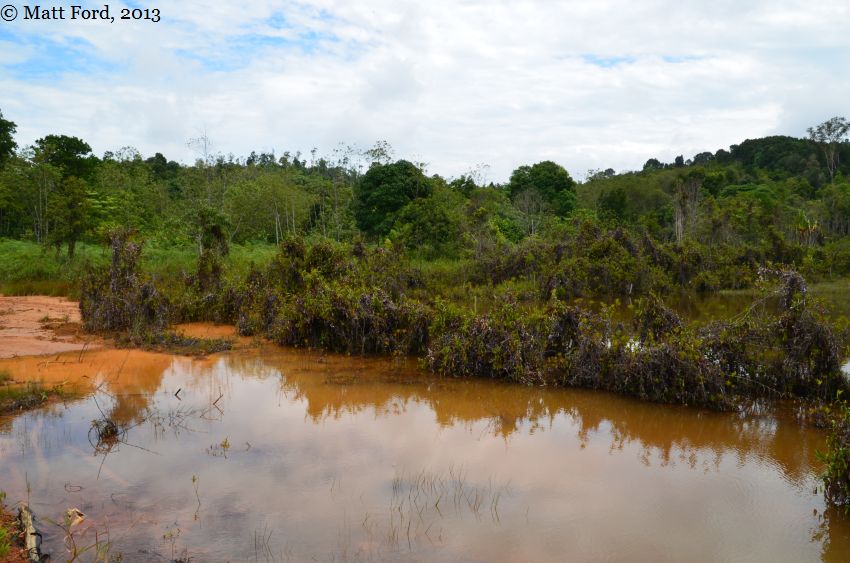
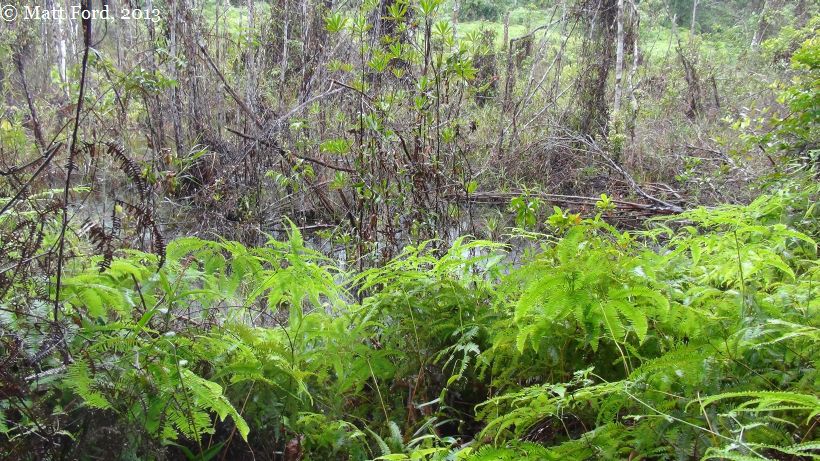
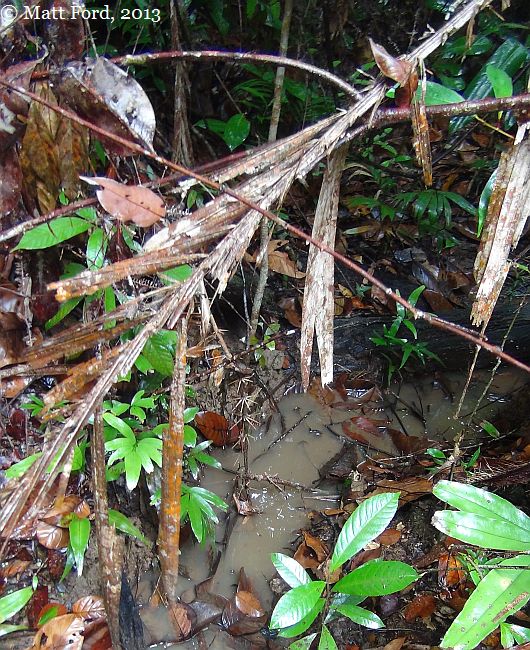
印度尼西亚廖内群岛民丹岛特有,仅在岛北少数地点发现。栖息于林冠浓密的泥炭沼泽森林及相连溪流,水色深、溶解矿物很少,底部覆盖落叶、枝木和树根。旱时甚至可能在潮湿落叶中维持数周;这不是人工饲养时可以任意排空水体的依据。
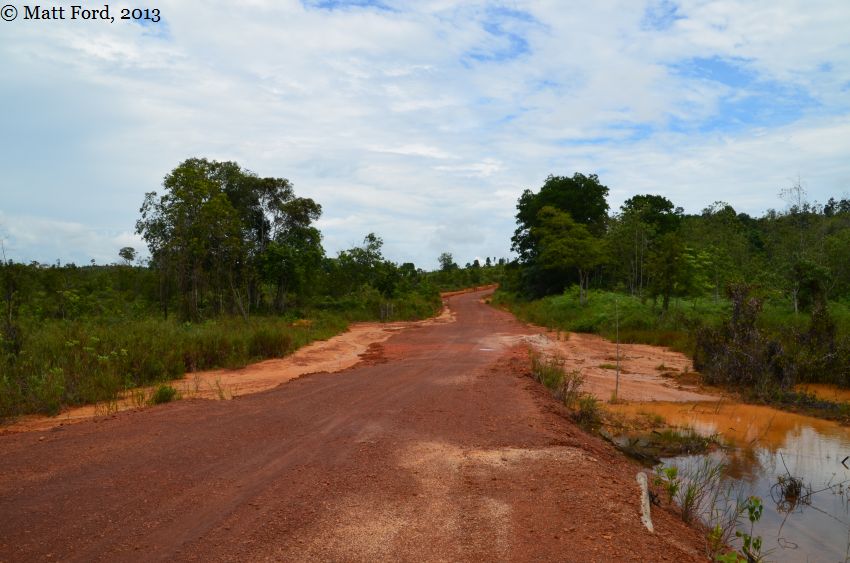
旅游开发、道路和橡胶种植压缩了原生林范围,本种依赖的完整沼泽林生境已变得零碎。
饲养环境
底面积至少约 45 × 30 cm,可养一对或有足够遮蔽的小群。用沉木根枝形成阴影,花盆或管道增加退避空间。干落叶既提供遮蔽,也让分解过程中滋生的微生物成为鱼苗辅助食物;无需使用天然泥炭。
灯光宜暗,可用耐阴水草和浮水植物。保持酸性、极低碳酸盐硬度和很低总硬度,必要时使用反渗透软水。气动海绵过滤缓慢运转即可。盖好缸盖防跳,水面与盖之间留温暖湿润空气层供呼吸。
食性与喂食
自然食物可能包括小型水生及陆生无脊椎动物。驯熟后通常能认食干粮,仍应经常提供水蚤、丰年虾、红虫等小型活饵或冻饵。避免过量投喂,以免体况过肥。
习性与混养
多数情况下以单养缸最好,不适合常规混养。若有其他同伴,应极为温和并适应相同环境。遮蔽足够时可小群饲养,计划繁殖则宜单独安置一对。
雌雄区分
成熟雄鱼颜色更鲜明,鳍条延伸也更多。
繁殖
雄鱼可在管道、容器、宽叶下方或细密浮水植物间筑泡巢,巢未完成前通常不容雌鱼靠近,务必给雌鱼躲避空间。无需事先分开亲鱼。繁殖时雌鱼颜色变淡,体侧出现暗纹,双方在巢下环抱,分批释放卵。雌鱼用腹鳍接卵,雄鱼将卵放入巢,雌鱼也会拾回散落卵。
通常一窝不足 20 枚,也有达约 50 枚的较大窝。产后双亲通常可留缸,并参与照料。卵约 24~72 小时孵化,再在巢中停留约 3~4 天吸收卵黄;雄鱼会捡回掉落幼体。鱼苗自由游动后雄鱼兴趣减弱,亲鱼通常不吃自己的后代。
缸盖应贴合,保证温暖湿润空气有利于鱼苗迷鳃器官发育。开口可用微虫和丰年虾无节幼体,但不宜过度依赖后者;有幼斗鱼在大量摄食后出现健康问题的报道。采用少量、规律换水。
补充说明
与 Betta persephone 近似,但本种身体更修长,头部背缘较凹,腹鳍颜色更鲜红。迷鳃器官允许它辅助吸取空气中的氧,但不能替代良好的水质管理。
图片
图片来自 SeriouslyFish,版权归各摄影者所有。
English
Overview
Dark coloration, bright red pelvic fins, and pale fin tips help characterize Betta miniopinna. This small bubble-nesting betta comes from acidic peat-swamp water and needs a quiet, sheltered aquarium with consistently very soft water.
Distribution & habitat
It is restricted to a few northern localities on Bintan in Indonesia's Riau Islands. Dense forest canopy shades peat swamps and connected streams containing dark water, negligible minerals, and a floor of leaves, branches, and roots. Seasonal drying may force fish into damp litter for weeks; this is a survival circumstance, not a model for draining a captive aquarium.
Tourism, road building, and rubber cultivation have reduced suitable intact forest to scattered remnants.
Aquarium setup
A footprint of about 45 × 30 cm is the minimum for a pair or well-sheltered small group. Arrange roots and branches to create shade, with pots or tubes for additional retreats. Dried leaves add cover and support microorganisms that can supplement fry nutrition. Natural peat is unnecessary.
Keep lighting subdued, using shade-tolerant plants and floating growth if desired. Acidic conditions, negligible carbonate hardness, and very low general hardness may require reverse-osmosis water. Gentle sponge filtration is sufficient. Cover the tank securely against jumping while retaining warm, humid air above the water for breathing.
Diet & feeding
Small aquatic and terrestrial invertebrates are likely natural prey. Captive fish usually learn to accept dry foods, but should regularly receive small live or frozen Daphnia, Artemia, and bloodworms. Avoid overfeeding and excessive weight gain.
Behaviour & compatibility
A dedicated aquarium is usually preferable to a standard community. Any companions must be exceptionally peaceful and suited to the same conditions. Groups are possible with abundant shelter, though isolating a pair is preferable for breeding.
Sexual dimorphism
Mature males develop stronger color and more extended fins.
Breeding
Provide female retreats and several nest options. The male may build inside a tube or container, beneath a broad leaf, or among fine floating vegetation, and usually excludes the female until the nest is finished. Prior separation of the pair is unnecessary. A receptive female becomes paler with dark flank bars. Eggs are released in batches during embraces beneath the nest, caught with the female's pelvic fins, and transferred upward by the male; the female also retrieves loose eggs.
Broods commonly contain fewer than 20 eggs, although around 50 is possible. Both adults can usually remain and participate in care. Hatching takes approximately 24–72 hours, followed by another 3–4 days in the nest while yolk is absorbed. The male retrieves fallen young, then loses interest after free swimming. The parents usually spare their offspring.
A close-fitting cover preserves the warm, humid air needed for labyrinth development. Microworms and Artemia nauplii are suitable first foods, but avoid excessive reliance on Artemia, which has been associated with health problems in young bettas. Use small, regular water changes.
Notes
Compared with Betta persephone, this species is more elongated, has a more concave upper head profile, and has brighter red pelvic fins. Its labyrinth organ permits supplementary air breathing without removing the need for good water quality.
来源
- https://www.seriouslyfish.com/species/betta-miniopinna(抓取于 2026-10-10)
betta-miniopinna · 文件: data/species/betta-miniopinna.md · 状态: 草稿