Betta mahachaiensis
概要
| 字段 | 值 |
|---|---|
| 类别 | 鱼 |
| 学名 | Betta mahachaiensis |
| 分类 | 攀鲈目 Anabantiformes › 丝足鲈科 Osphronemidae › Betta |
| 水体 | 淡水 |
| 原产地 | 泰国 |
| 成体体长 | 6 cm |
| 饲养难度 | 中等 |
| 最小水体 | 41 L |
| 最小缸长 | 45 cm |
| 群居方式 | 成对 |
| 水流偏好 | 低 |
| 外部数据 | seriouslyfish betta-mahachaiensis;fishbase 66633 |
| 繁殖方式 | 吐泡筑巢 |
| 特征 | 会跳缸: 是 |
水质参数
| 参数 | 耐受范围 | 最适范围 | 单位 |
|---|---|---|---|
| 水温 | 22–28 | — | °C |
| pH | 7–8.5 | — | — |
| 总硬度 | 5–20 | — | dGH |
概述
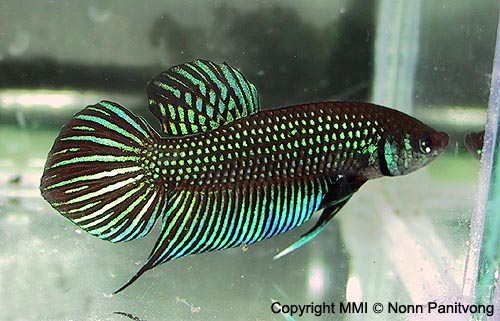
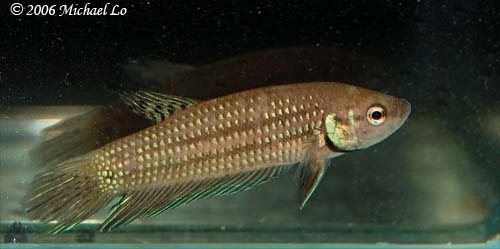
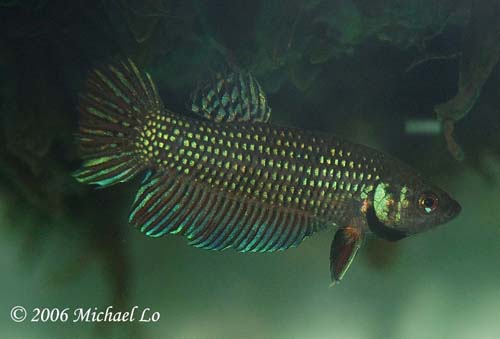
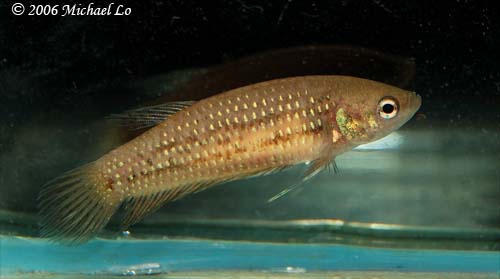
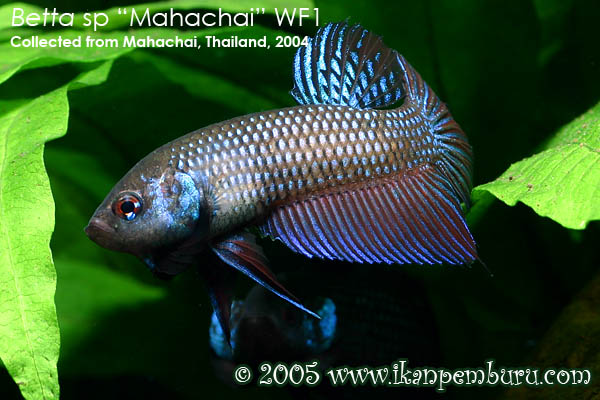
Betta mahachaiensis 是泰国中部沿海的泡巢型斗鱼,深色身体配绿至蓝绿色光泽,鳃盖有两条平行亮色竖纹。野生生境是半咸水沼泽,缸养可使用中硬至硬的淡水或微咸水,不能照搬酸软水野斗的条件。
分布与栖息地
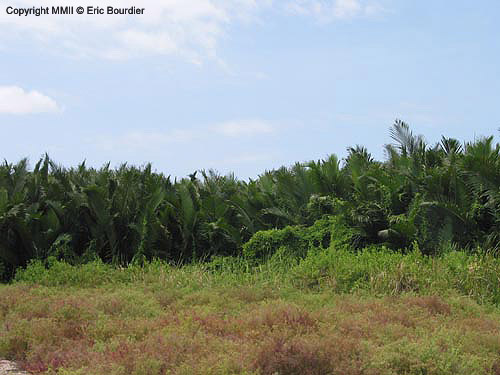
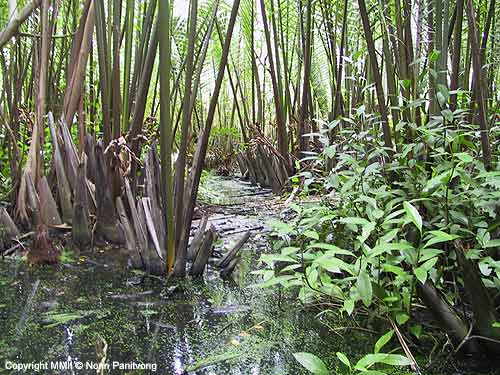
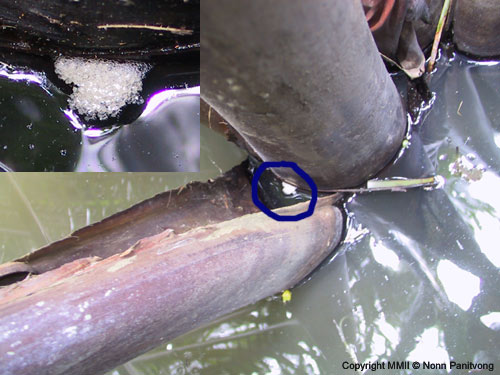
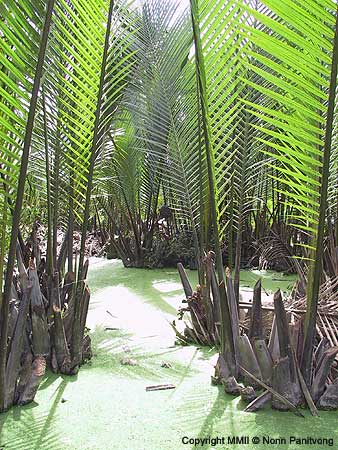
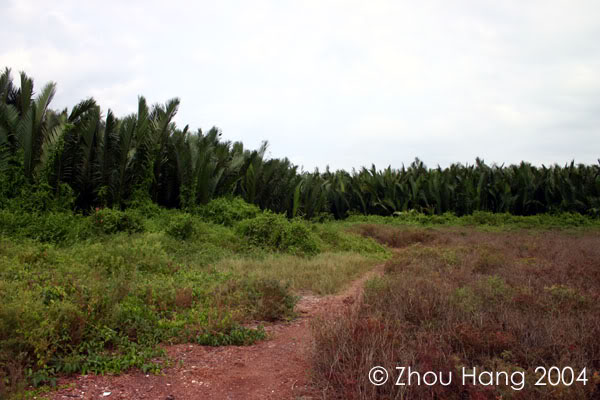
已知来自曼谷、龙仔厝、夜功和北榄一带的少数沿海地点。生境常受潮汐影响,与水椰棕丛相伴,雄鱼在枝条之间或叶鞘基部筑巢。城市扩张对这些地点造成压力,历史调查也有未能再次确认部分种群的记录。
不同地点的鱼有轻微形态差异,繁殖群应保留产地信息,避免混线或杂交。
饲养环境
一对至少需要约 45 × 30 cm 的缸底面积。密植、遮阴,并让高茎植物或浮水植物提供充分水面覆盖;沉木、陶盆和短管增加藏身处,落叶还能滋养微生物。
保持水流轻缓,成熟海绵过滤即可。盖好缸防跳,水面上留潮湿空气层和上浮呼吸空间。不要仅因野外有潮汐就自行扩大盐度变化。
食性与喂食
自然可能捕食昆虫、小型无脊椎动物和浮游动物。缸养通常能逐渐接受干粮,搭配水蚤、丰年虾、红虫等活饵或冷冻饵,小昆虫可先喂饱再投喂。避免过量。
习性与混养
普通混养缸并非理想选择,大型或活跃抢食鱼容易压制它,其他鱼也会干扰繁殖。充足遮蔽和视线分隔下可以尝试多雄同缸,但繁殖通常以一对单独饲养更合适。
雌雄区分
雄鱼颜色更鲜明,鳍的延伸更明显。
繁殖
雄鱼在管道、容器、宽叶下或水面植物间筑泡巢,巢未完成前常不让雌鱼靠近。产前雌鱼变淡并出现暗条,缠抱后分批排卵,雄鱼将卵送入巢,雌鱼可拾回掉卵。
产后通常可留双亲,由雄鱼独自守巢。卵约 24~48 小时孵化,再留巢约 3~4 天吸收卵黄;雄鱼拾回落苗,遇威胁时可能搬巢。起游后雄鱼停止照顾,成鱼通常不吃苗。
鱼苗最初数日需要微型饵料,之后再过渡到微虫和丰年虾无节幼体。每日少量多样喂 2~3 次,避免大量单一投丰年虾,并规律少量换水。水面空气应温暖潮湿,以利迷鳃发育。
补充说明
本种过去被当作杂交鱼,后来形态与分子研究支持其独立物种身份;但市场某些非天然颜色仍可能涉及其他斗鱼杂交,不能以鲜艳程度判断纯度。
图片
图片来自 SeriouslyFish,版权归各摄影者所有。
English
Overview
Betta mahachaiensis is a coastal Thai bubble nester with dark coloration, green to blue-green iridescence, and paired bright gill-cover bars. Its wild habitat is brackish, while aquarium maintenance can use moderately hard to hard freshwater or mildly brackish water. It should not be treated as an acidic peat-swamp specialist.
Distribution & habitat
Known sites are scattered around Bangkok, Samut Sakhon, Samut Songkhram, and Samut Prakan. Frequently tidal swamps contain nipa palms, whose branches and basal bracts shelter nests. Urban expansion threatens these habitats, and historical surveys did not relocate every previously recorded population.
Local populations differ slightly in shape. Preserve collection information and avoid mixing breeding lines or crossing them with other fishes.
Aquarium setup
Allow at least a 45 × 30 cm footprint for one pair. Dense planting, subdued light, and substantial surface cover from tall or floating plants are useful. Add wood, pots, or tubes for retreats, with leaves supporting cover and microbial growth.
Gently running mature sponge filtration suits its quiet-water habits. Secure the lid against jumping and leave humid air and breathing space above the surface. A tidal origin does not justify arbitrary fluctuations in aquarium salinity.
Diet & feeding
Insects, small invertebrates, and zooplankton are presumed natural foods. Captive fish normally learn to accept dry products. Supplement with water fleas, Artemia, bloodworms, and other live or frozen items; small feeder insects can be fed beforehand. Keep portions modest.
Behaviour & compatibility
Ordinary communities are often unsuitable. Large or competitive fishes can suppress it, and any companions may interrupt spawning. Multiple males are possible with abundant cover and broken sight lines, but isolating a compatible pair is generally preferable for breeding.
Sexual dimorphism
Males have stronger coloration and more extended fins.
Breeding
Males build nests in containers or tubes, beneath broad leaves, or within surface vegetation. Females are commonly excluded until the nest is ready. A paler, barred female joins repeated spawning embraces, after which the male places eggs in the nest and she may retrieve fallen eggs.
Adults can normally remain, with the male providing subsequent care. Hatching takes about 24–48 hours, followed by another three or four days supported by yolk. He retrieves fallen larvae and may relocate the nest if threatened. Care ends as fry swim independently, and adults usually leave them unharmed.
The first few days require microscopic food before progressing to microworms and Artemia nauplii. Provide varied small meals two or three times daily without excessive reliance on the latter, maintain warm humid nursery air, and change modest amounts of water regularly.
Notes
Formerly considered a hybrid, it was subsequently supported as a distinct species by morphological and molecular evidence. Some artificial color forms may nevertheless involve crosses, so vivid color alone cannot establish pure ancestry.
来源
- https://www.seriouslyfish.com/species/betta-mahachaiensis(抓取于 2026-10-10)
betta-mahachaiensis · 文件: data/species/betta-mahachaiensis.md · 状态: 草稿