大口抟鱼 · Brunei Beauty
概要
| 字段 | 值 |
|---|---|
| 类别 | 鱼 |
| 学名 | Betta macrostoma |
| 别名 | 大口摶魚 |
| 分类 | 攀鲈目 Anabantiformes › 丝足鲈科 Osphronemidae › Betta |
| 水体 | 淡水 |
| 原产地 | 婆罗洲文莱及马来西亚砂拉越最北部 |
| 成体体长 | 10 cm |
| 饲养难度 | 中等 |
| 最小水体 | 72 L |
| 最小缸长 | 80 cm |
| 群居方式 | 成对 |
| 水流偏好 | 低 |
| 外部数据 | seriouslyfish betta-macrostoma;fishbase 12039 |
| 繁殖方式 | 口孵 |
| 特征 | 会跳缸: 是 |
| 性情 | 攻击性 |
水质参数
| 参数 | 耐受范围 | 最适范围 | 单位 |
|---|---|---|---|
| 水温 | 20–25 | — | °C |
| pH | 4–6 | — | — |
| 总硬度 | 0–5 | — | dGH |
概述
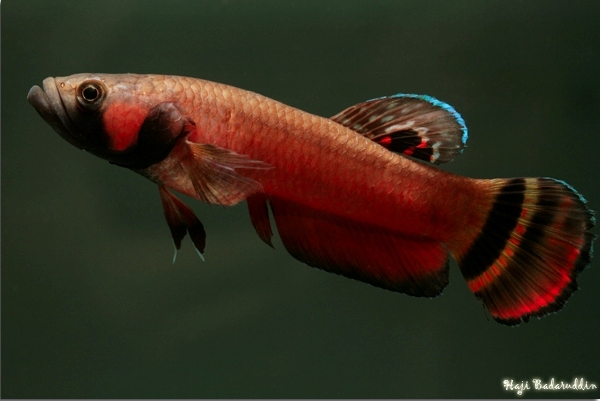
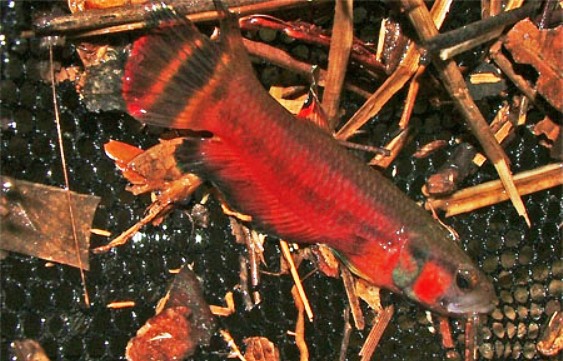
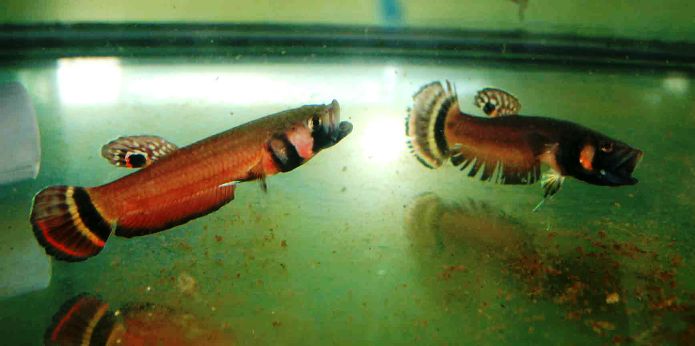
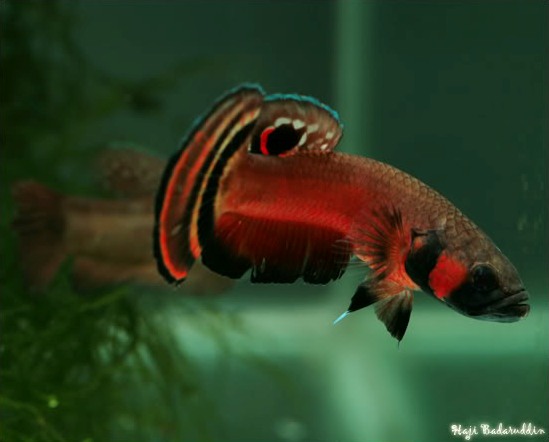
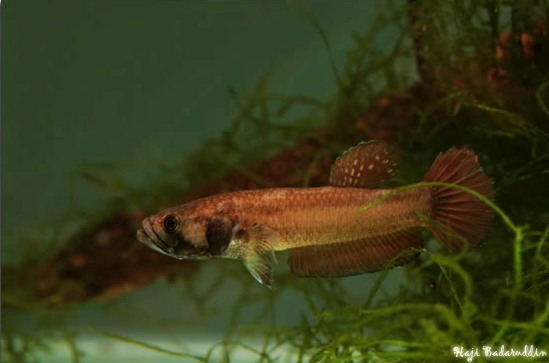
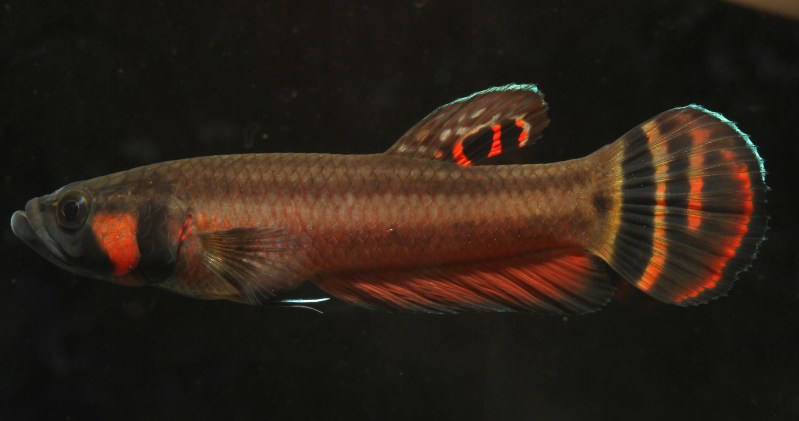
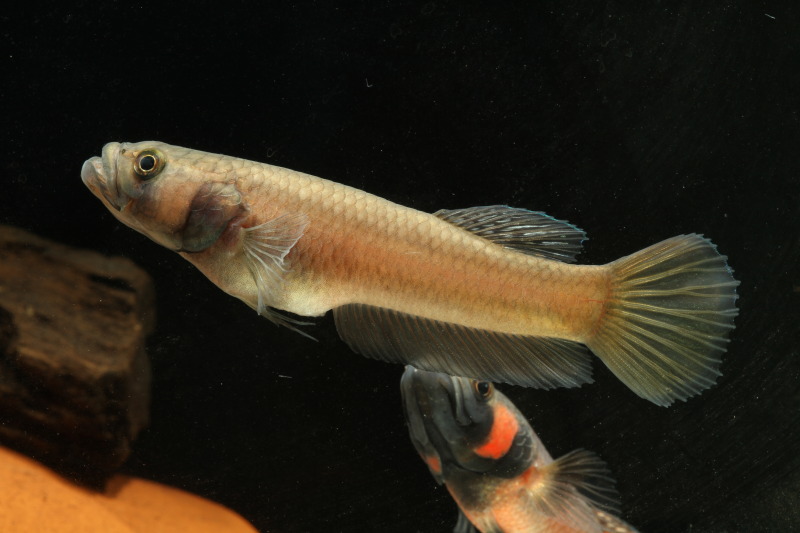
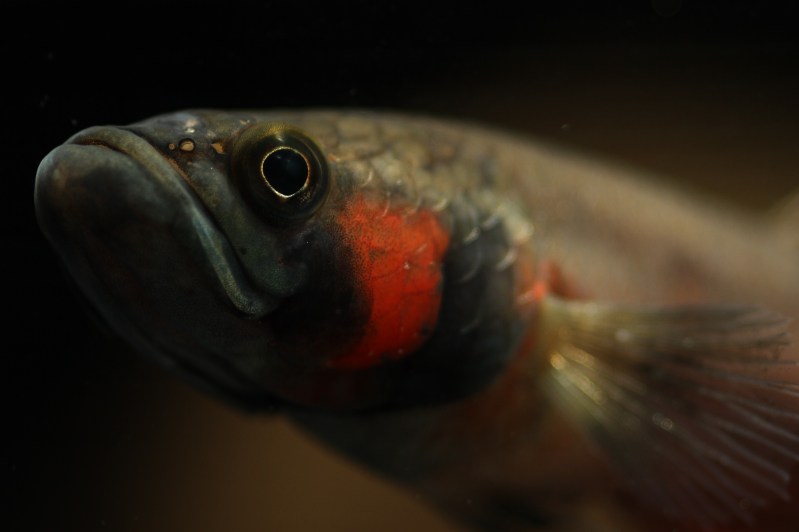
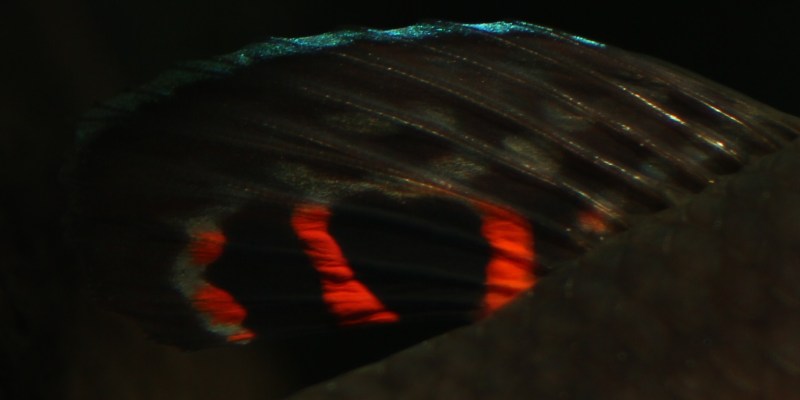
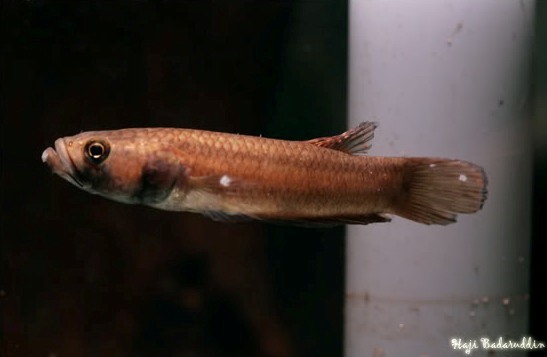
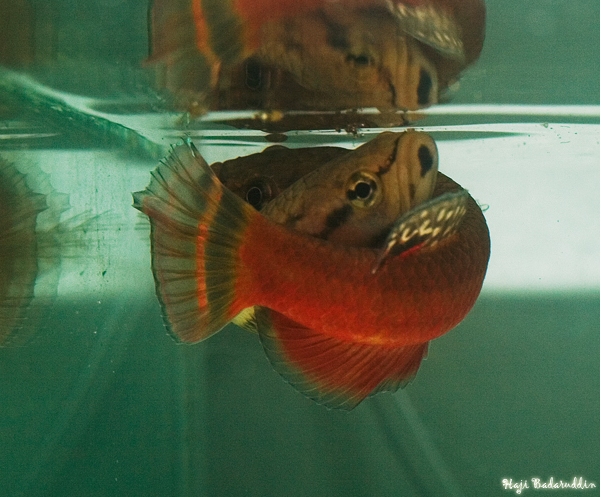
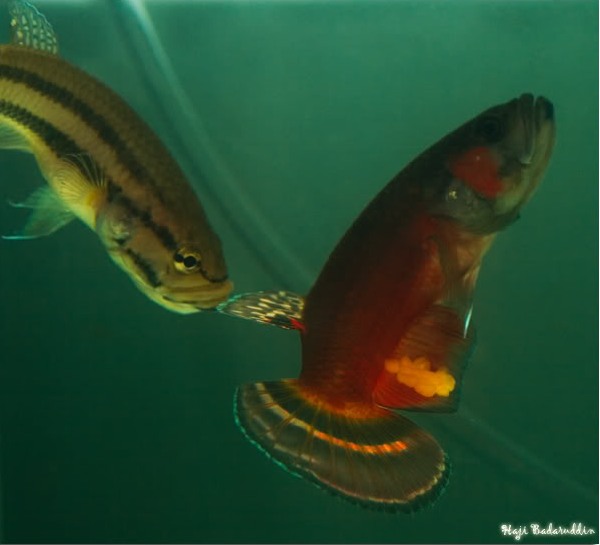
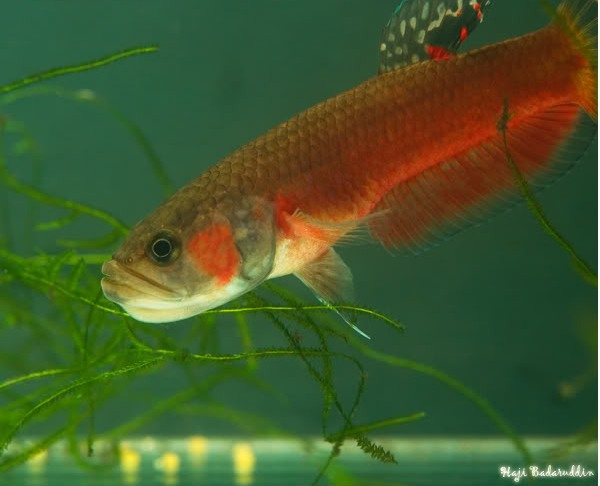
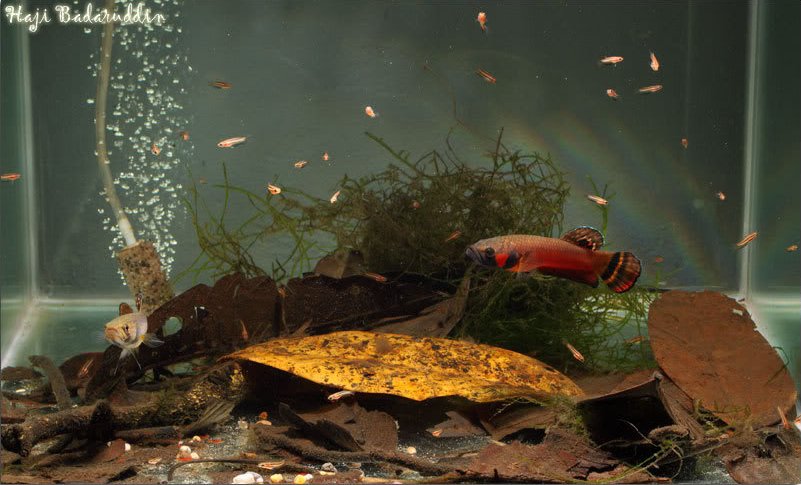
大口抟鱼(Betta macrostoma)是体型较大的雄性口孵斗鱼,雄鱼红色身体、红色鳃盖斑和背鳍眼斑很醒目。配对与含卵期管理是关键:随意凑成的一雄一雌不一定相容,受压个体可能受重伤甚至死亡。
分布与栖息地
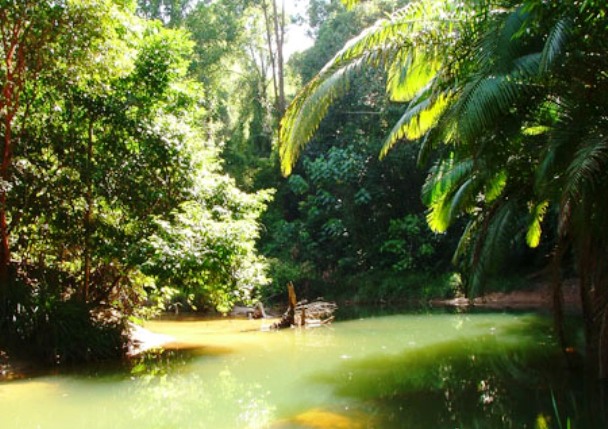
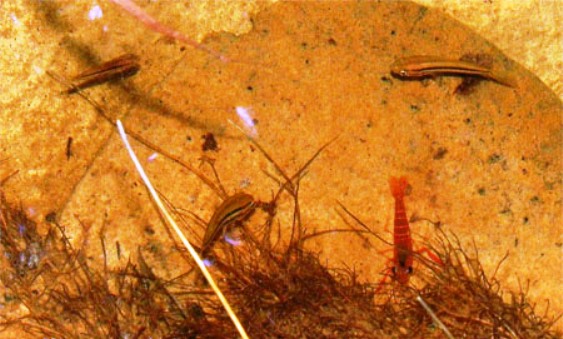
仅知来自婆罗洲文莱及马来西亚砂拉越最北部,砂拉越记录集中在马鲁帝附近巴南地区。生活在雨林瀑布上方的阴暗静水潭,以及河道或支流较安静的部分;周围水流可能较快,但鱼占据静水处。底部有不同大小的砂砾、石块与少量落叶,水清或略褐、极软且偏酸。一个水潭可能只有单条成鱼、一对成鱼或几条幼鱼。
饲养环境
用根枝、沉木、陶盆或管道形成多个阴影和躲藏处,落叶增加遮蔽及微生物。灯光宜暗,配耐阴和浮水植物,过滤不用很强。盖严防跳,水面上留湿暖空气,不能把它的静水潭习性误作需要强流冲刷。
食性与喂食
野外可能捕食昆虫、小型无脊椎动物及浮游动物,同域虾也可能是食物,但尚不能当作确定主食。缸中多能学会吃干饲料,搭配水蚤、丰年虾、红虫等活饵或冷冻饵,大个体偶尔可喂蚯蚓。控制投喂量,避免肥胖。
习性与混养
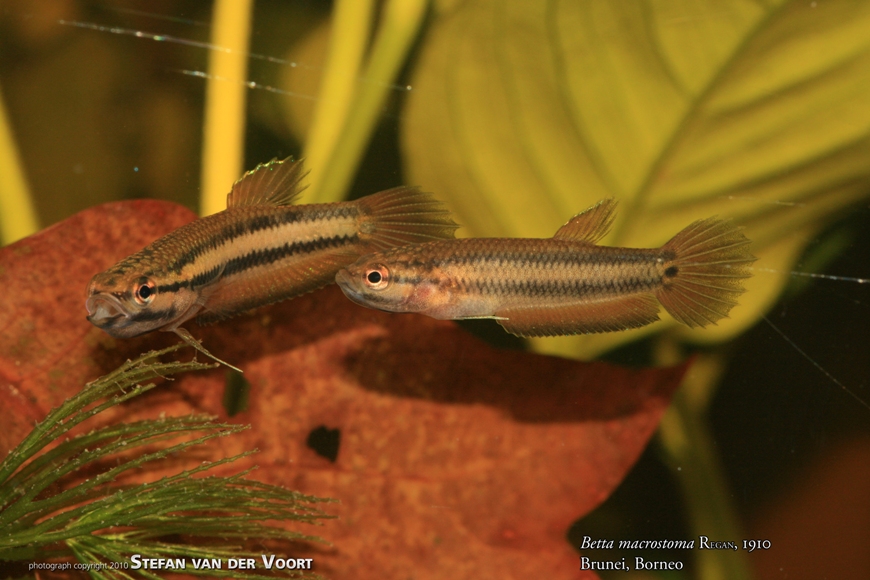
最好单对饲养,普通混养并不合适。可短期群养让鱼自然择偶,但雄鱼间往往持续打斗,雌鱼也会争出等级。自然形成的配对在空间足够时通常较和睦,不能随机配对后放任争斗。
雌雄区分
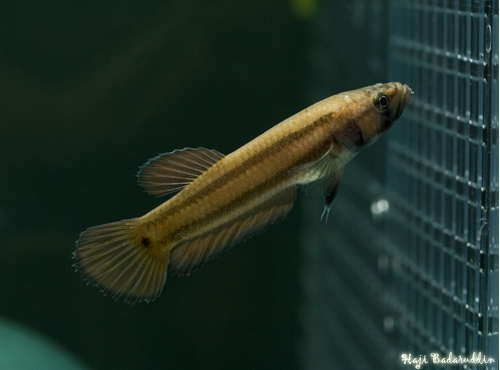
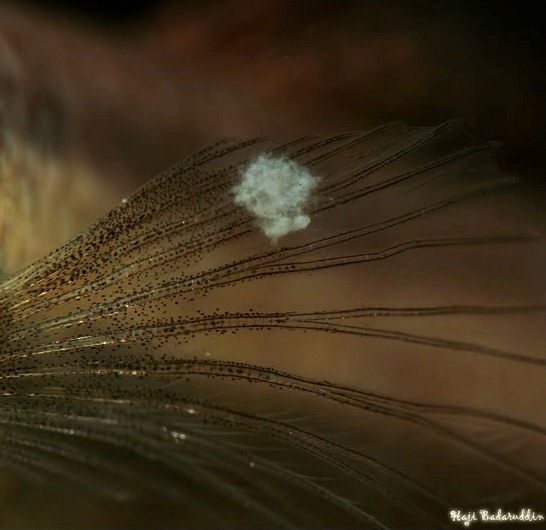
雄鱼一般更大、颜色更鲜明,头较宽、鳍较长,红体及背鳍眼斑是重要表现。
繁殖
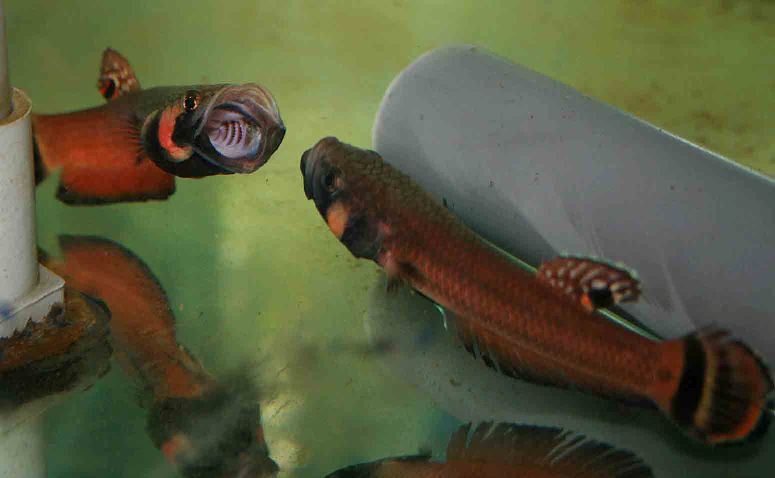
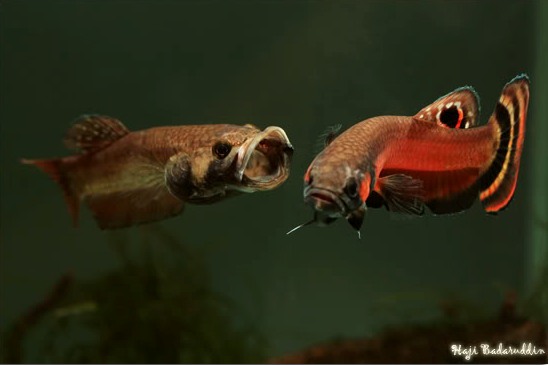
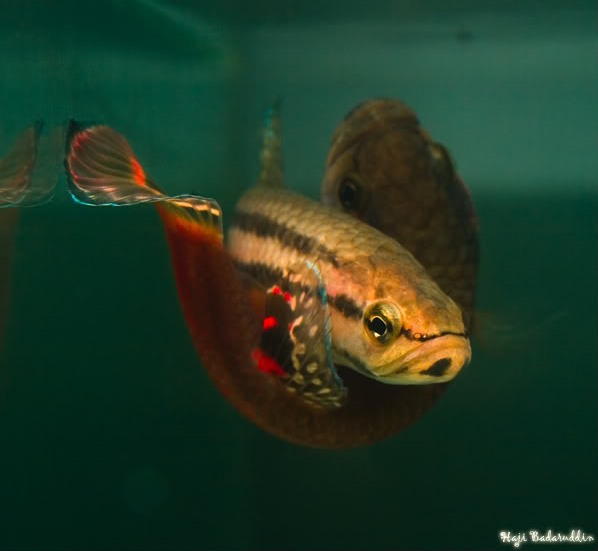
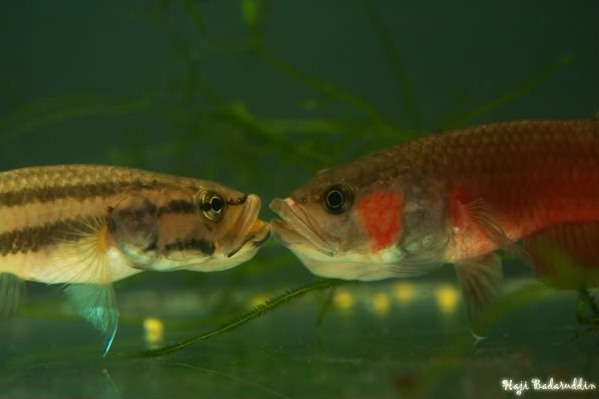
雄鱼求偶时张口展鳍接近雌鱼,雌鱼侧身回应,经过试抱后分批产卵。双方都可拾卵,雌鱼会把卵吐入雄鱼口中。含卵期必须安静,受扰雄鱼很容易在几天后吞卵。
许多繁殖者会留下雌鱼以免搬动惊扰雄鱼,但小缸中若雌鱼过度骚扰或吃幼鱼,也可能必须移走。含卵时间据报告可从十四至三十五天不等,幼鱼可另养,也有与雄鱼或双亲同养成功的经验。鱼苗能直接吃微虫和丰年虾无节幼体,宜每日数次少量多样,过量尤其容易造成肠道问题。每日小量换水减少有机物积累,保持湿暖空气层。
补充说明
不同产地群体颜色和花纹有差别,应分开管理血系。自然分布狭窄,可靠的来源与繁殖记录对长期饲养更有意义。
图片
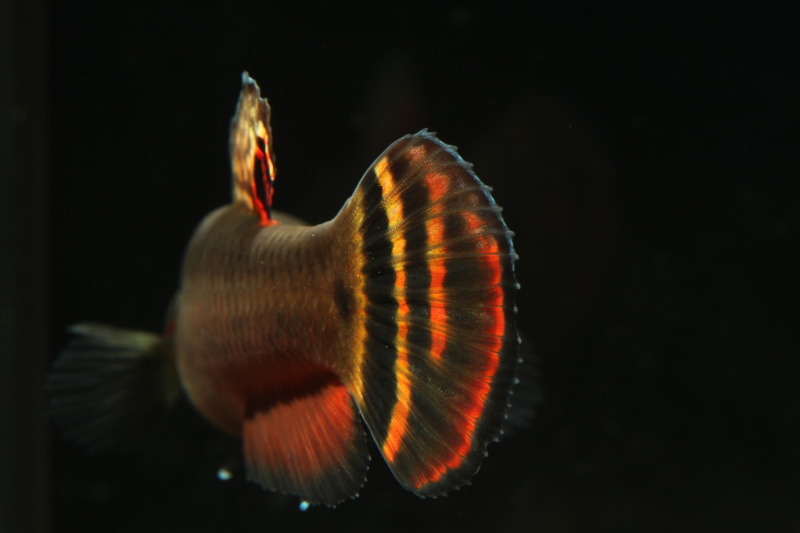
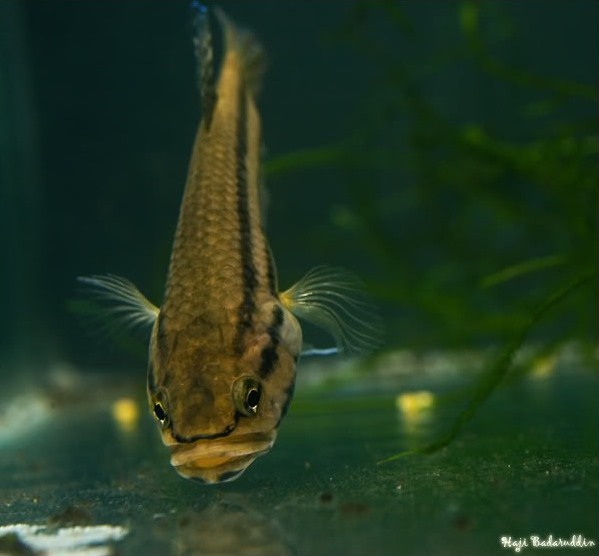
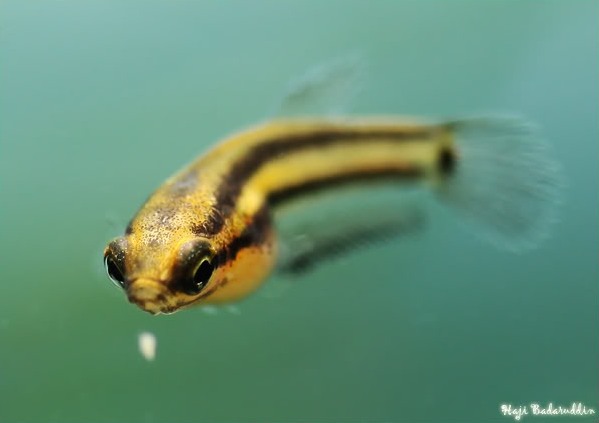
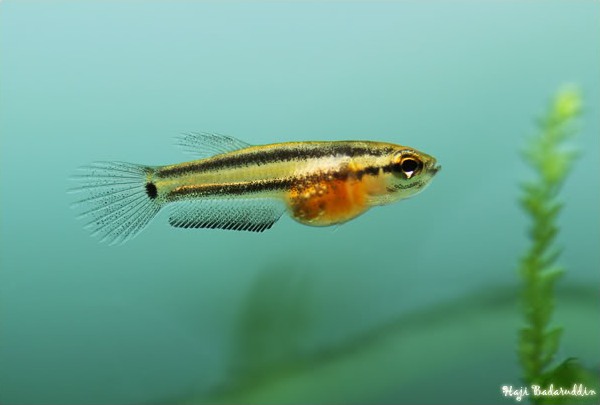
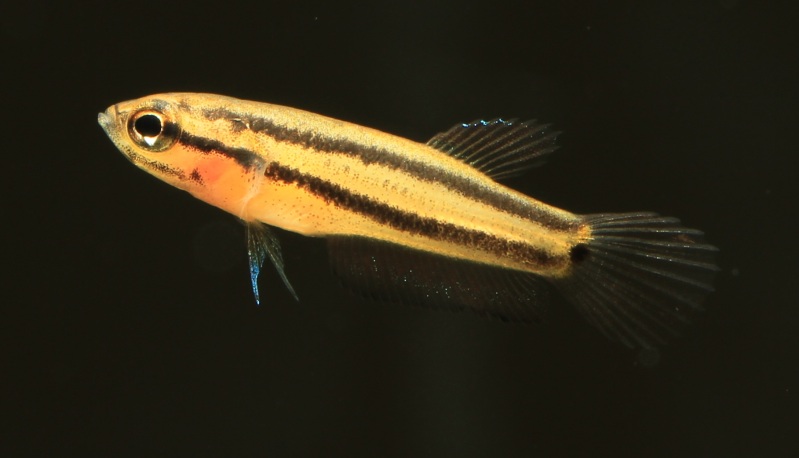
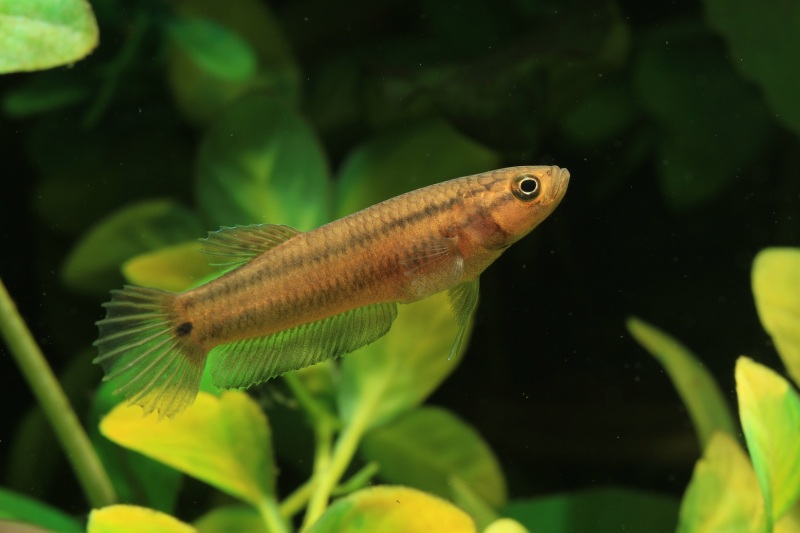
图片来自 SeriouslyFish,版权归各摄影者所有。
English
Overview
Betta macrostoma is a large paternal mouthbrooder whose red males carry a distinct opercular patch and dorsal eyespot. Pair compatibility and undisturbed incubation are central challenges. A randomly selected male and female may not tolerate each other, and the weaker fish can be killed.
Distribution & habitat
It is known only from Brunei and the northern tip of Sarawak, with Malaysian records around the Baram district near Marudi. Shaded pools above rainforest waterfalls and quiet sections beside river channels provide habitat. Surrounding flow may be fast, but the fish occupy still areas over stones, gravel, and some leaves. Water is clear to slightly brown, acidic, and extremely low in minerals. Individual pools may hold a single adult, a pair, or several juveniles.
Aquarium setup
Create several shaded retreats with wood, roots, pots, or pipes. Leaves add cover and microorganisms. Use dim lighting, tolerant plants, floating cover, and gentle filtration. Secure the lid against jumps while retaining humid air above the surface. Its pool habitat does not imply a need for strong current in the aquarium.
Diet & feeding
Insects, small invertebrates, and zooplankton are likely prey; shrimp sharing its habitat may also be eaten, but this remains uncertain. Dry food is often learned. Supplement with live or frozen water fleas, brine shrimp, and bloodworms, with occasional earthworms for larger fish. Avoid overfeeding.
Behaviour & compatibility
A compatible pair is preferable to a community. Temporary group housing may allow natural pair formation, but males often fight continually and females also establish dominance through disputes. Established pairs usually coexist peacefully when space is sufficient. Do not leave randomly paired fish to endure sustained aggression.
Sexual dimorphism
Males tend to be larger and more colorful, with broader heads and longer fins. Red coloration and the dorsal eyespot are characteristic male features.
Breeding
Courtship includes gaping and fin spreading before repeated embraces release small egg batches. Both adults may collect eggs; those gathered by the female are transferred into the male's mouth. Brooding males need exceptional quiet because disturbance increases the chance of swallowing the brood.
Leaving the female avoids disruptive removal, but in smaller aquariums she may harass him or consume fry, requiring separation. Reported incubation spans roughly fourteen to thirty-five days. Fry have been raised separately, with the male, or with both parents. They take microworms and brine shrimp nauplii immediately. Feed small varied portions several times daily because excessive food readily causes intestinal problems. Daily modest water changes limit organic waste, while tight cover maintains moist warm air.
Notes
Keep locality populations separate when maintaining bloodlines. Its narrow natural range makes reliable provenance and breeding records especially valuable.
来源
- https://www.seriouslyfish.com/species/betta-macrostoma(抓取于 2026-10-10)
betta-macrostoma · 文件: data/species/betta-macrostoma.md · 状态: 草稿