Betta lehi
概要
| 字段 | 值 |
|---|---|
| 类别 | 鱼 |
| 学名 | Betta lehi |
| 分类 | 攀鲈目 Anabantiformes › 丝足鲈科 Osphronemidae › Betta |
| 水体 | 淡水 |
| 原产地 | 印度尼西亚、马来西亚 |
| 成体体长 | 6.1 cm |
| 饲养难度 | 中等 |
| 最小水体 | 54 L |
| 最小缸长 | 60 cm |
| 群居方式 | 成对 |
| 水流偏好 | 低 |
| 外部数据 | seriouslyfish betta-lehi;fishbase 62601 |
| 繁殖方式 | 口孵 |
| 特征 | 会跳缸: 是 |
水质参数
| 参数 | 耐受范围 | 最适范围 | 单位 |
|---|---|---|---|
| 水温 | 22–27 | — | °C |
| pH | 4–7 | — | — |
| 总硬度 | 0–5 | — | dGH |
概述
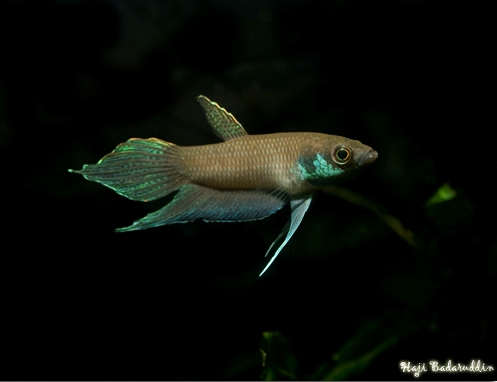
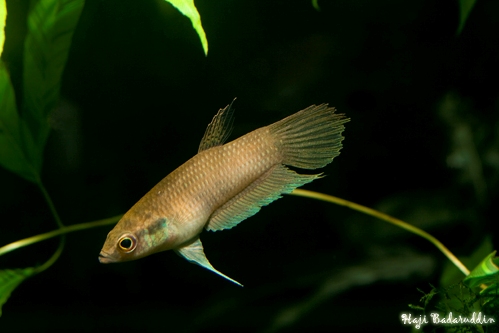
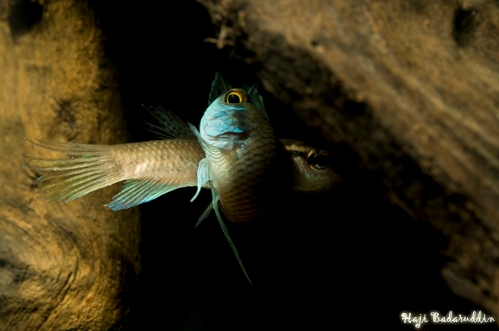
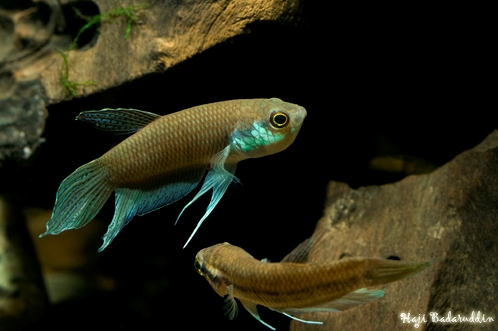
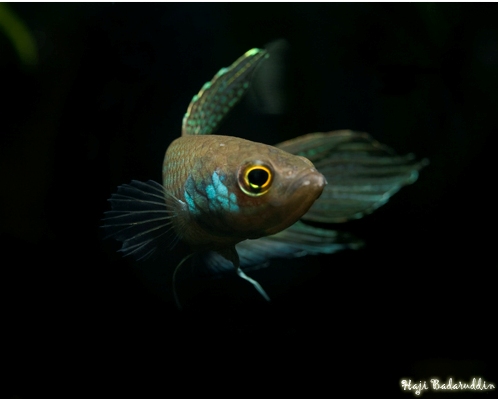
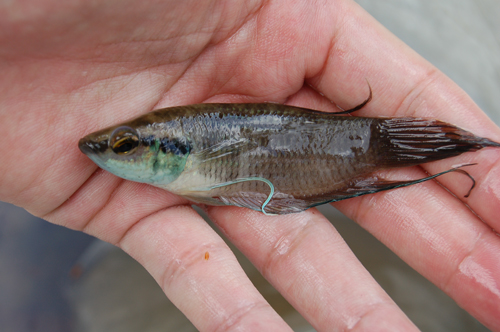
Betta lehi 是婆罗洲的雄性口孵斗鱼,鳃盖与身体带绿色亮鳞,臀鳍外缘有浅蓝光带。它既见于黑水沼泽也见于清溪,但在流水地点仍偏向安静岸边,缸内不需要强流。
分布与栖息地
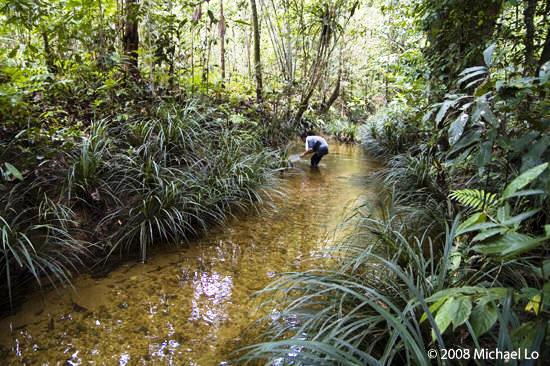
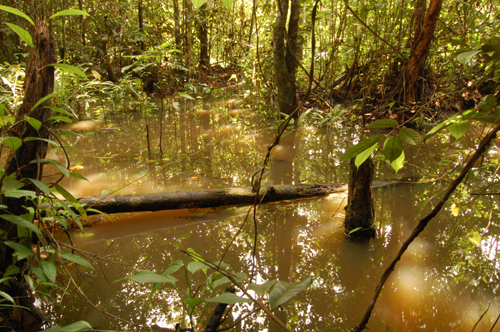
特有于婆罗洲,分布涉及马来西亚沙捞越西南部伦乐至石隆门之间,以及印度尼西亚西加里曼丹的卡普阿斯河下游。栖居森林泥炭沼泽、酸性清水沼泽及相连溪流。
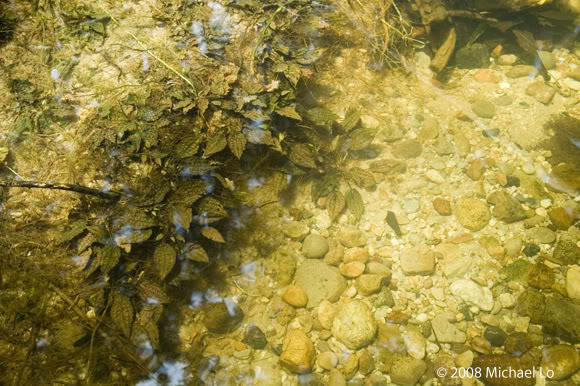
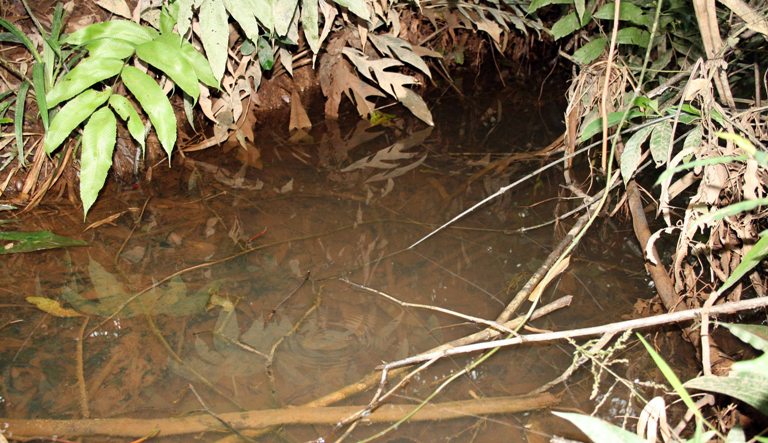
沼泽多被树冠遮阴,底部铺有落叶、树枝和根系。流水采点的鱼仅见于安静边缘,砂石底上似乎覆有生物膜;清溪记录不等于鱼长期停在主流中。
饲养环境
一对或小群至少需要约 60 × 30 cm 的缸底面积。以沉木、枝条、陶盆和短管安排阴暗躲藏处,落叶补充遮蔽及微生物来源,裸底也便于清理。
光线宜弱,可加耐阴水草和浮水植物;成熟海绵过滤保持温和循环。盖好缸防跳,水面上留潮湿空气层,允许鱼随时上浮呼吸。
食性与喂食
自然可能以昆虫、小型无脊椎动物和浮游动物为主。适应后通常能接受干粮,需搭配水蚤、丰年虾、红虫等活饵或冷冻饵;小昆虫可先喂饱再投喂。控制份量,避免过肥。
习性与混养
可成对或组群,但最好单种饲养,或只选极温和、条件一致的伙伴。大型、活跃和抢食强的鱼可能压制其活动与进食。
雌雄区分
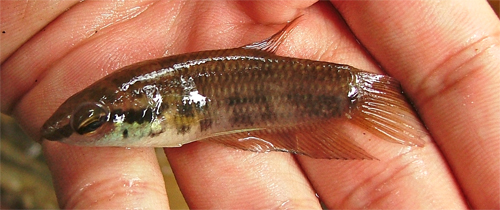
雄鱼通常较大,头更宽,头部亮鳞更多,各鳍也更延长。雌鱼及幼鱼鳃盖眼后纹下方可见一对黑斑。
繁殖
缠抱后分批排卵,卵先由雄鱼臀鳍承接,雌鱼拾卵并吐给雄鱼,由雄鱼口孵。含孵约 7~12 天后释放自由游动的鱼苗。
受惊或缺乏经验可能导致雄鱼吞卵或提前吐卵,通常宜让雌鱼及其他鱼留在原位,减少捕捞干扰。幼鱼可另缸或随亲鱼成长,但后者可能因捕食损失部分鱼苗。
育苗缸上方保持温暖潮湿空气。鱼苗可吃微虫和丰年虾无节幼体,每天少量、多样喂 2~3 次,避免大量单一喂丰年虾,规律少量换水。
补充说明
背鳍有横纹、尾鳍无横纹,以及绿色亮鳞和臀鳍蓝边,是组合辨认线索。近缘种外观相似,不能只凭单一颜色确认。
图片
图片来自 SeriouslyFish,版权归各摄影者所有。
English
Overview
Betta lehi is a Bornean paternal mouthbrooder with reflective green scales and a pale blue outer anal-fin band. Although recorded in both swamps and clear streams, fish in flowing habitats occupy quiet margins rather than exposed current.
Distribution & habitat
Its range spans southwestern Sarawak between Lundu and Bau in Malaysia and the lower Kapuas drainage of West Kalimantan, Indonesia. Habitats include forest peat swamps, acidic clearwater swamps, and connected streams.
Swamp beds hold fallen leaves, branches, and roots beneath heavy shade. Stream specimens were taken only in calm edge zones; photographed beds appear sandy and rocky with biofilm. Clear-stream records should not be read as a preference for strong aquarium flow.
Aquarium setup
Allow at least a 60 × 30 cm footprint for a pair or small group. Arrange wood, branches, pots, and short pipes into dark retreats. Leaves supply cover and microbial growth, while bare-bottom housing makes cleaning easier.
Use low light, suitable plants, floating cover, and gentle mature sponge filtration. Fit a secure lid to prevent jumping, retain humid air above the surface, and keep breathing access open.
Diet & feeding
Insects, small invertebrates, and zooplankton are presumed natural foods. Established fish generally accept dry products, supplemented with water fleas, Artemia, bloodworms, and similar live or frozen foods. Small insects can be fed before offering them. Keep portions controlled.
Behaviour & compatibility
It can be maintained as a pair or group, preferably in dedicated accommodation. Exceptionally gentle companions may work if conditions match. Large, active, or competitive fishes can intimidate it and restrict feeding.
Sexual dimorphism
Males usually become larger, with broader heads, more reflective head scales, and longer fins. Females and juveniles show paired dark marks below the stripe behind the eye on the gill cover.
Breeding
During repeated embraces, eggs settle on the male's anal fin before the female retrieves and passes them to him. He carries the brood for roughly 7–12 days, then releases swimming fry.
Disturbance or inexperience can cause swallowing or premature release. Leaving the female and other fish undisturbed generally avoids the disruption of catching them. Fry can be separated or raised with adults, although some may be eaten if left together.
Maintain warm, humid nursery air. Microworms and Artemia nauplii are appropriate first foods; offer varied small meals two or three times daily without excessive dependence on the latter. Change modest amounts of water regularly.
Notes
Dorsal-fin bars, an unbarred tail, green reflective scales, and the blue anal-fin edge help identify the species in combination. Similar relatives should not be separated using color alone.
来源
- https://www.seriouslyfish.com/species/betta-lehi(抓取于 2026-10-10)
betta-lehi · 文件: data/species/betta-lehi.md · 状态: 草稿