Betta ibanorum
概要
| 字段 | 值 |
|---|---|
| 类别 | 鱼 |
| 学名 | Betta ibanorum |
| 分类 | 攀鲈目 Anabantiformes › 丝足鲈科 Osphronemidae › Betta |
| 水体 | 淡水 |
| 原产地 | 马来西亚 |
| 成体体长 | 8.5 cm |
| 饲养难度 | 中等 |
| 最小水体 | 72 L |
| 最小缸长 | 80 cm |
| 群居方式 | 成对 |
| 水流偏好 | 低 |
| 外部数据 | seriouslyfish betta-ibanorum;fishbase 62207 |
| 繁殖方式 | 口孵 |
| 特征 | 会跳缸: 是 |
| 领地性 | 是 |
水质参数
| 参数 | 耐受范围 | 最适范围 | 单位 |
|---|---|---|---|
| 水温 | 24–28 | — | °C |
| pH | 4–7 | — | — |
| 总硬度 | 1–5 | — | dGH |
概述
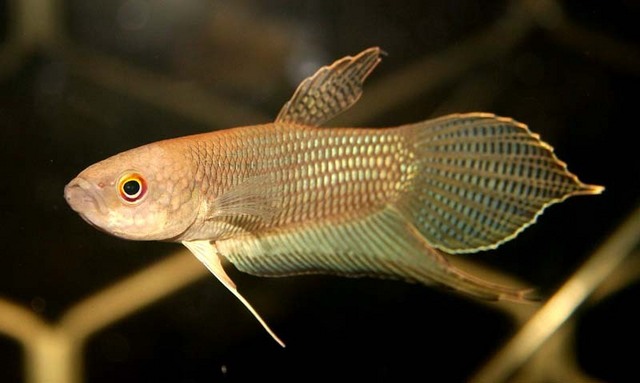
Betta ibanorum 是沙捞越的雄性口孵斗鱼,不同产地有不同色型。它既出现在泥炭黑水,也有清溪记录,饲养时应重视安静遮蔽和稳定软水,不能把分布广理解为随意耐受各种缸况。
分布与栖息地
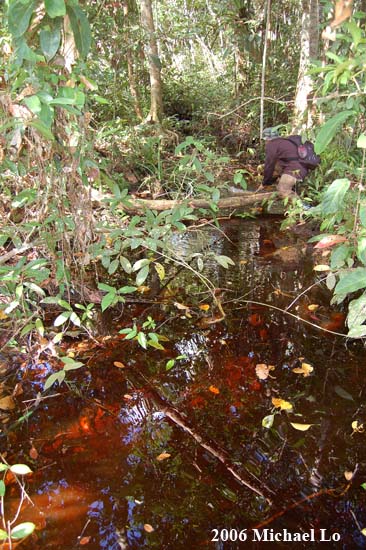
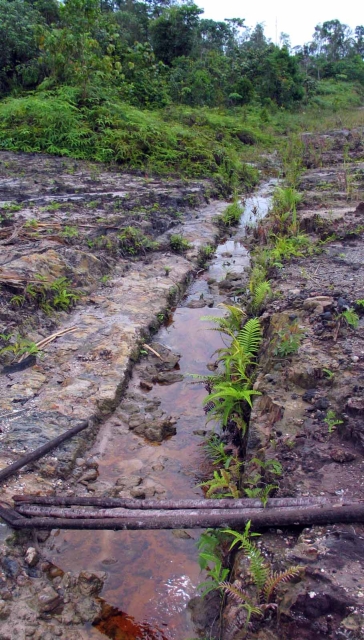
原生于马来西亚婆罗洲沙捞越南部及西部,古晋周边及多个地区有记录。多数采点是受树木和岸边植物遮阴的泥炭黑水,也见于清水溪、路边沟及瀑布顶部水潭。
黑水底部多落叶、枝条和树根;清溪底部偏砂石并覆生物膜,鱼倾向停留在流速较弱的岸边或水草处。
饲养环境
一对或小群至少需要约 80 × 30 cm 的缸底面积。沉木、枝条、陶盆或短管可构成多个阴暗区域,落叶为鱼和鱼苗提供遮蔽及微生物来源,裸底可方便清洁。
弱光配耐阴植物和浮水植物,成熟海绵过滤轻缓循环。需要酸性、很软且碳酸盐硬度很低的水,必要时使用可靠软水来源。盖好缸,留出水面潮湿空气层与上浮通道,防止跳出。
食性与喂食
自然可能主要吃昆虫和其他小型无脊椎动物。适应后通常能吃干粮,但仍应规律补充水蚤、丰年虾、红虫等活饵或冷冻饵。不要因鱼愿意吃就持续加量,同属鱼有易肥胖的倾向。
习性与混养
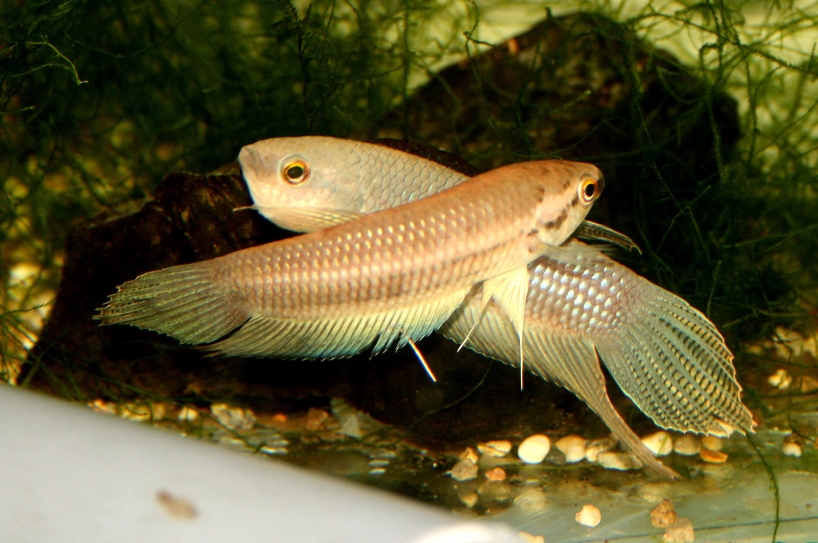
通常更适合单种饲养,可成对或组群观察互动。若考虑混养,伙伴必须温和、条件相近;大型或活跃抢食鱼容易压制它,不能只看体形接近就合缸。
雌雄区分
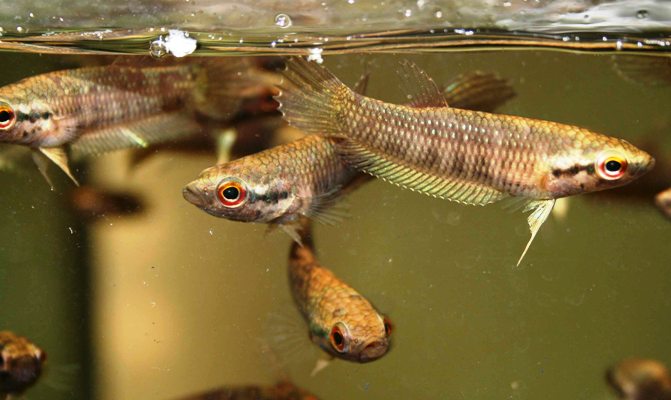
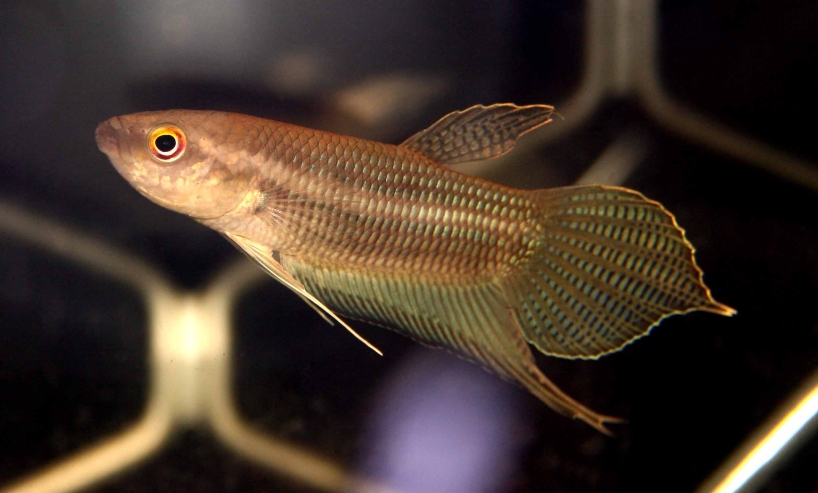
成熟雄鱼较大、头较宽,鳍条延伸也更明显。
繁殖
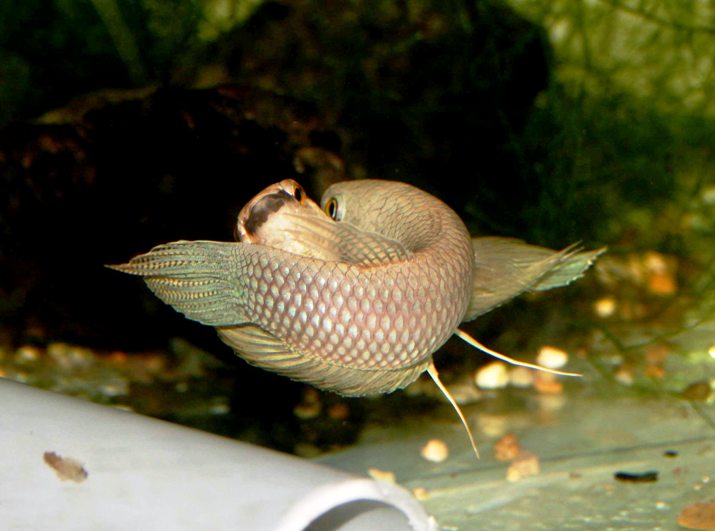
雌鱼较主动求偶,并守卫产卵区域。反复缠抱后分批产卵,雌鱼先拾起卵,再吐给雄鱼接住含孵。单雄可含养多达约 60 尾鱼苗,繁殖前应准备相应育苗空间。
含孵约 14~21 天后放出自由游动的幼鱼。亲鱼吃苗的经验不同,可于产后数日小心移走雌鱼和其他鱼,但不能惊扰雄鱼,否则可能吞卵或过早吐苗。幼鱼稳定游动取食后也可移走雄鱼。
育苗缸保持水面空气温暖潮湿。鱼苗可用微虫和丰年虾无节幼体开口,每天少量多样喂 2~3 次,避免过量单一喂丰年虾;规律的小量换水优于间隔很久再大量更换。
补充说明
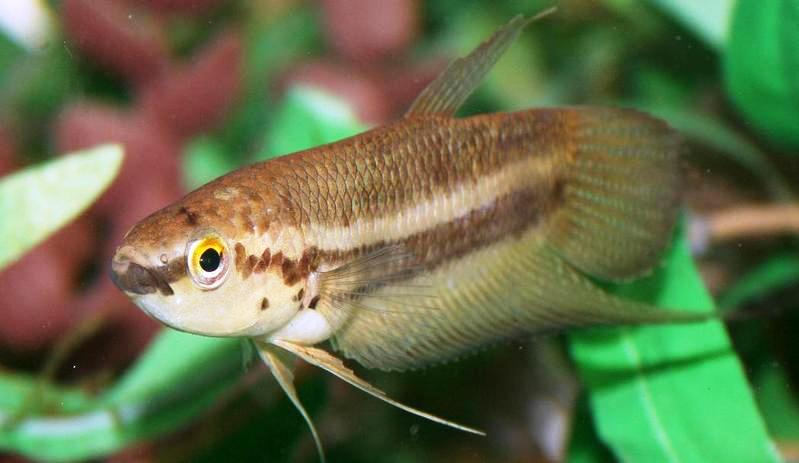
鳞片后部的绿至蓝光泽和活体黄色眼睛可作为识别线索。不同地区色型应保留来源记录,不能只凭亮鳞颜色判断身份。
图片
图片来自 SeriouslyFish,版权归各摄影者所有。
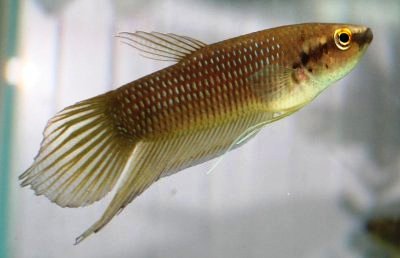
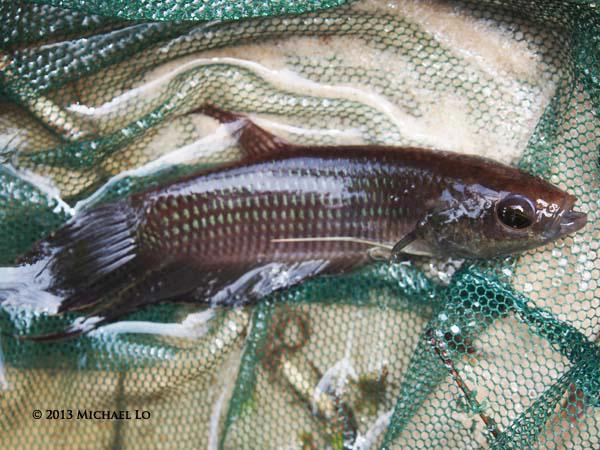
English
Overview
Betta ibanorum is a paternal mouthbrooder from Sarawak with locality-dependent color forms. Records span peat blackwater and clear streams, but aquarium care should still emphasize quiet shelter and stable soft water.
Distribution & habitat
It occurs across southern and western Sarawak in Malaysian Borneo, including the Kuching region and several surrounding districts. Most sites are shaded peat-swamp blackwaters, although clear streams, roadside ditches, and a pool above a waterfall are also recorded.
Leaves, branches, and submerged roots dominate blackwater beds. Clear streams more often have sand or rock with biofilm; fish use slower margins and planted patches rather than exposed current.
Aquarium setup
Provide at least an 80 × 30 cm footprint for a pair or small group. Wood, branches, pots, or short pipes should create several shaded retreats. Leaves supply cover and microbial growth useful to fry, while a bare floor remains an option for easy cleaning.
Use low light, suitable plants, floating cover, and gentle mature sponge filtration. Acidic water with very low general and carbonate hardness may require a reliable soft-water source. Secure the lid against jumping, retain humid air above the water, and keep the surface accessible.
Diet & feeding
Its natural food is thought to consist mainly of insects and other small invertebrates. Acclimated fish generally accept dry food, supplemented with water fleas, Artemia, bloodworms, and other live or frozen items. Control portions rather than feeding continuously whenever fish remain interested.
Behaviour & compatibility
Dedicated accommodation is usually best. Pairs or groups can provide interesting interactions. Any companions must be gentle and share its conditions; larger or energetic feeders may intimidate or outcompete it.
Sexual dimorphism
Adult males become larger, with broader heads and more extended fins.
Breeding
Females lead much of the courtship and defend the spawning area. Repeated embraces produce batches of eggs; the female picks them up and passes them to the male for incubation. A male may carry around 60 young, so rearing space should be planned beforehand.
Swimming fry are released after approximately 14–21 days. Experiences with parental predation vary. Removing the female and other fish a few days after spawning is possible, but catching them must not disturb the male into swallowing the eggs or releasing them prematurely. He can be removed after the fry swim and forage independently.
Maintain warm, humid air over the nursery. Start with microworms and Artemia nauplii, giving varied small meals two or three times daily without overusing the latter. Regular modest water changes are preferable to infrequent large replacements.
Notes
Green-to-blue reflection on the rear portion of the scales and yellow eyes in live fish offer recognition clues. Keep locality information with different color forms; iridescence alone is insufficient for identification.
来源
- https://www.seriouslyfish.com/species/betta-ibanorum(抓取于 2026-10-10)
betta-ibanorum · 文件: data/species/betta-ibanorum.md · 状态: 草稿