Betta hendra
概要
| 字段 | 值 |
|---|---|
| 类别 | 鱼 |
| 学名 | Betta hendra |
| 分类 | 攀鲈目 Anabantiformes › 丝足鲈科 Osphronemidae › Betta |
| 水体 | 淡水 |
| 原产地 | 印度尼西亚 |
| 成体体长 | 4.5 cm |
| 饲养难度 | 中等 |
| 最小水体 | 41 L |
| 最小缸长 | 45 cm |
| 群居方式 | 成对 |
| 水流偏好 | 低 |
| 外部数据 | seriouslyfish betta-hendra;fishbase 66921 |
| 繁殖方式 | 吐泡筑巢 |
| 特征 | 会跳缸: 是 |
水质参数
| 参数 | 耐受范围 | 最适范围 | 单位 |
|---|---|---|---|
| 水温 | 22–27 | — | °C |
| pH | 4–6.5 | — | — |
| 总硬度 | 1–5 | — | dGH |
概述
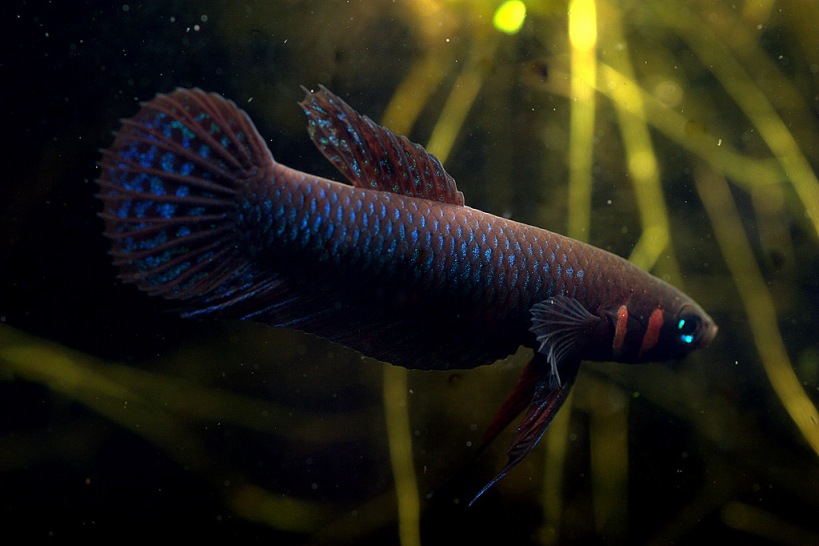
Betta hendra 是来自泥炭沼泽的泡巢型斗鱼,体侧与鳍上的亮绿色光泽很醒目。它需要很软的酸性水、安静的弱光环境,繁殖时尤其要给雌鱼留足藏身处。
分布与栖息地
仅知于印度尼西亚婆罗洲中加里曼丹帕朗卡拉亚附近的沙邦奥泥炭沼泽森林。腐殖物使水呈深褐色,矿物质很少,底部散布落叶、枝条和沉没树根。采集地点为树木遮阴的静水,鱼藏在水生或半浸水植物之间。
饲养环境
至少约 45 × 30 cm 的缸底面积可养一对或小群。以沉木、枝条、落叶、陶盆或短管营造阴暗遮蔽;落叶上的微生物也能成为鱼苗辅助食物。可使用裸底方便维护。
灯光宜弱,搭配耐阴水草和浮水植物。需要酸性、很低总硬度和近乎无碳酸盐硬度的水,必要时准备可靠软水来源。成熟海绵过滤轻缓运行即可。缸盖防跳,水面以上留温暖潮湿空气,并保持鱼能到达水面。
食性与喂食
自然食物可能以昆虫及其他小型无脊椎动物为主。缸养一般会逐渐接受干粮,仍应规律提供水蚤、丰年虾、红虫等活饵或冷冻饵;小昆虫先喂饱再投喂。控制总量,避免过肥。
习性与混养
更适合单种饲养,也可考虑极温和、条件相近的伙伴。大型、活跃和抢食强的鱼容易使它退缩。能够成对或组群饲养,但遮挡与藏身空间仍不可少。
雌雄区分
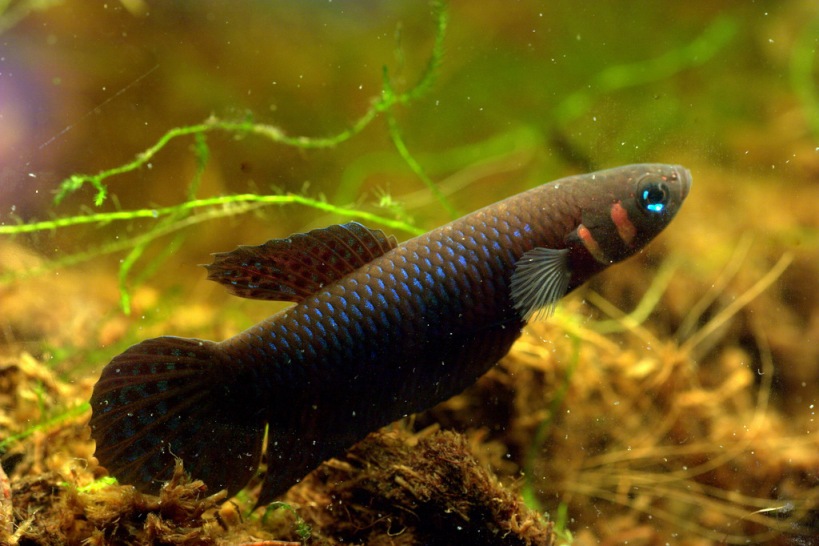
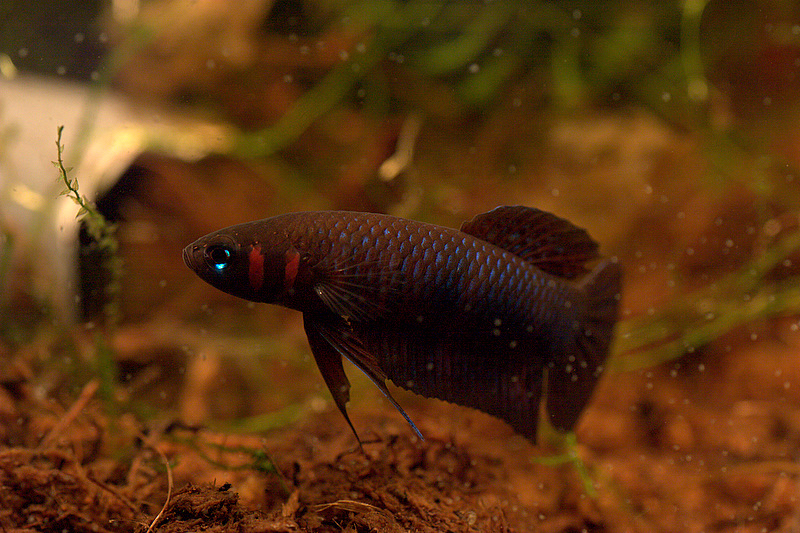
成熟雄鱼体侧及鳍上的亮绿光泽明显更多,鳃盖竖纹也更深、更强。
繁殖
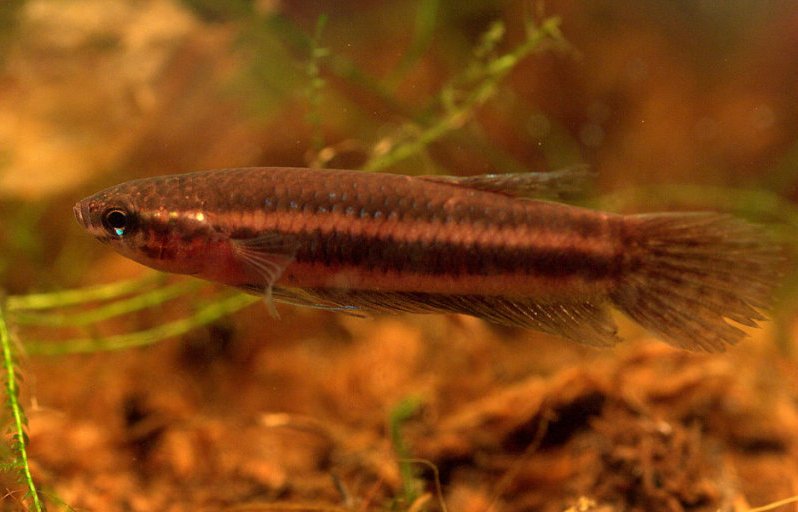
雄鱼可在管道、容器内、宽叶下或水面细叶植物间筑泡巢,巢未完成前通常不允许雌鱼靠近。产前雌鱼体色变浅、体侧出现暗条。缠抱后分批排卵,雄鱼把卵放进巢,雌鱼可协助拾回掉落的卵。
常见一窝不足 20 粒,也有约 50 粒的较大批次。产后通常可保留双亲,雄鱼独自守巢。约 24~72 小时孵化,幼鱼仍留巢数日吸收卵黄;雄鱼会拾回掉落的幼鱼,起游后逐渐停止照顾,双亲通常不吃苗。
育苗时保持水面空气温暖潮湿。起游后可吃微虫和丰年虾无节幼体,每日少量多样喂 2~3 次,避免过量单一投丰年虾,并规律少量换水。
补充说明
曾以 Betta sp. ‘Sengalang/Palangkayara’ 或 ‘Sebangua’ 等代号流通,旧标签不一定代表不同物种。
图片
图片来自 SeriouslyFish,版权归各摄影者所有。
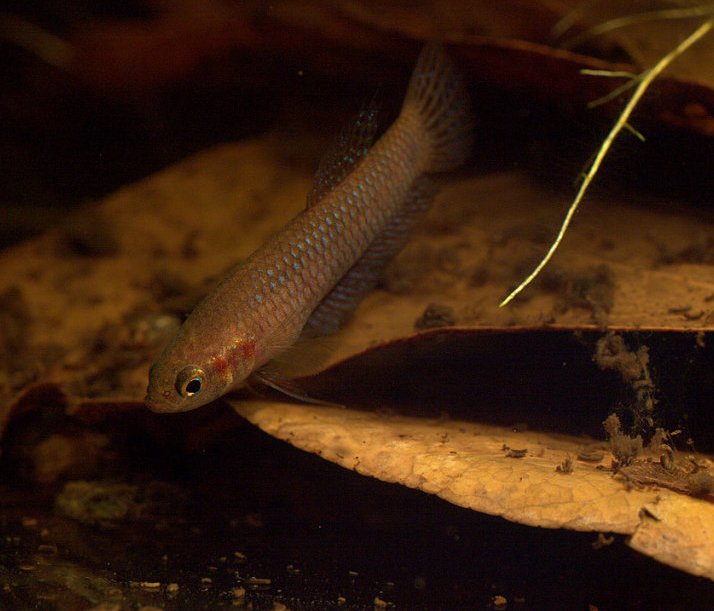
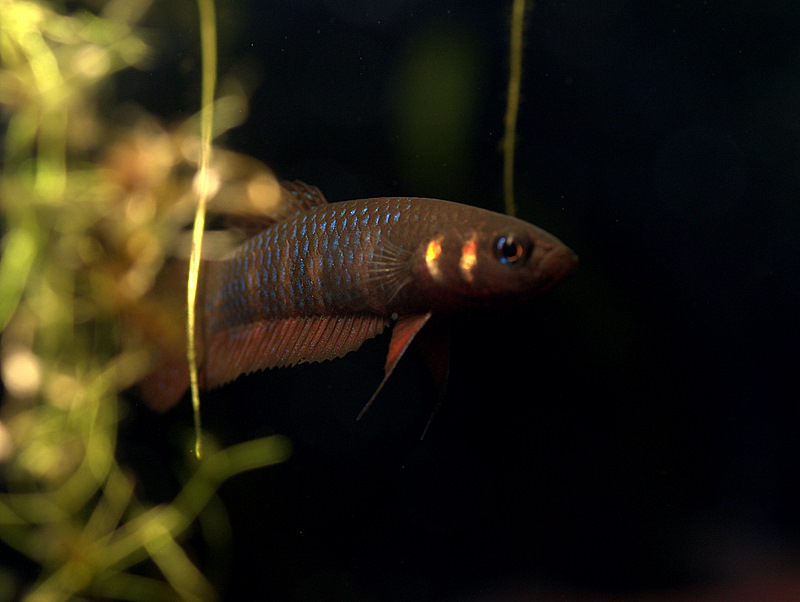
English
Overview
Betta hendra builds bubble nests and displays conspicuous green iridescence along the body and fins. Its peat-swamp background calls for very soft acidic water, subdued surroundings, and ample female shelter during reproduction.
Distribution & habitat
Known only from the Sabangau peat-swamp forest near Palangkaraya in Central Kalimantan, Indonesian Borneo, it occupies shaded still water among submerged and emergent plants. Decomposing vegetation darkens the mineral-poor water, while leaves, branches, and roots cover the bottom.
Aquarium setup
A footprint of at least 45 × 30 cm accommodates a pair or small group. Wood, branches, pots, short tubes, and leaves can provide separate dark retreats. Leaves also support microorganisms useful to fry; a bare base is an option for easier cleaning.
Keep lighting low and include suitable shade-tolerant and floating plants. Acidic water with very little general or carbonate hardness may require a reliable soft-water supply. Gently running mature sponge filtration is sufficient. Prevent jumping with a secure cover while leaving humid air and access above the water.
Diet & feeding
Insects and other tiny invertebrates are considered probable natural foods. Fish generally learn to take dry products, supplemented regularly with water fleas, Artemia, bloodworms, and similar live or frozen items. Small insects can be fed before use. Keep portions modest.
Behaviour & compatibility
Dedicated accommodation is preferable, although exceptionally gentle companions with compatible requirements may work. Large, active, or competitive fishes can suppress it. Pairs and groups are possible, with sufficient shelter and visual separation.
Sexual dimorphism
Mature males show much stronger green reflection on the flanks and fins, together with darker, more pronounced vertical gill-cover bars.
Breeding
Males may place nests inside tubes or containers, under broad leaves, or among fine surface vegetation. Females are generally excluded until construction is complete. Before spawning, the female becomes paler with dark body bars. Repeated embraces release eggs, which the male places in the nest; she may retrieve fallen ones.
Clutches often contain fewer than 20 eggs, although larger batches around 50 occur. Both adults can normally remain, with the male taking over nest care. Eggs hatch after roughly 24–72 hours; larvae remain supported by yolk for several more days. He returns fallen larvae until they swim independently, then loses interest. Adults usually leave the young unharmed.
Keep air above the nursery warm and humid. Swimming fry can take microworms and Artemia nauplii. Offer varied small meals two or three times daily without excessive reliance on the latter, and change modest amounts of water regularly.
Notes
Older trade labels include Betta sp. ‘Sengalang/Palangkayara’ and ‘Sebangua’. Different historical labels do not necessarily indicate separate species.
来源
- https://www.seriouslyfish.com/species/betta-hendra(抓取于 2026-10-10)
betta-hendra · 文件: data/species/betta-hendra.md · 状态: 草稿