伊迪丝抟鱼
概要
| 字段 | 值 |
|---|---|
| 类别 | 鱼 |
| 学名 | Betta edithae |
| 别名 | 伊迪絲摶魚 |
| 分类 | 攀鲈目 Anabantiformes › 丝足鲈科 Osphronemidae › Betta |
| 水体 | 淡水 |
| 原产地 | 印度尼西亚加里曼丹、苏门答腊南部及邦加、勿里洞、民丹岛 |
| 成体体长 | 6 cm |
| 饲养难度 | 中等 |
| 最小水体 | 72 L |
| 最小缸长 | 80 cm |
| 群居方式 | 成对 |
| 水流偏好 | 低 |
| 外部数据 | seriouslyfish betta-edithae;fishbase 15896 |
| 繁殖方式 | 口孵 |
| 特征 | 会跳缸: 是 |
水质参数
| 参数 | 耐受范围 | 最适范围 | 单位 |
|---|---|---|---|
| 水温 | 20–27 | — | °C |
| pH | 5–7 | — | — |
| 总硬度 | 1–5 | — | dGH |
概述
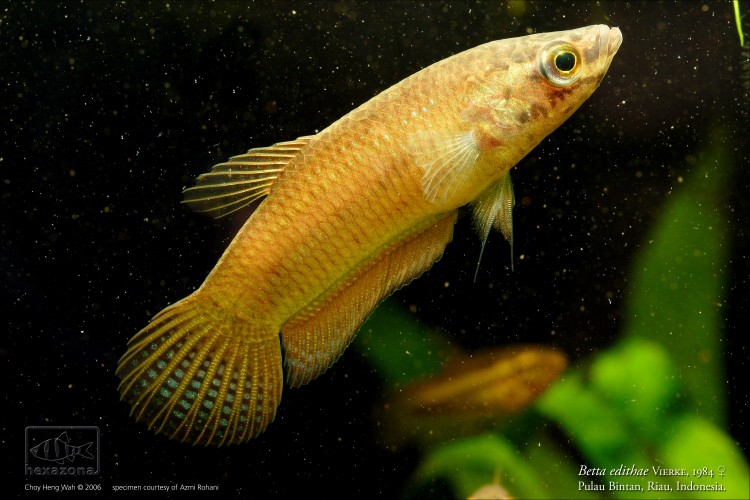
伊迪丝抟鱼(Betta edithae)是分布较广的印度尼西亚口孵斗鱼,由雄鱼照护卵。不同岛屿群体的外观与体形有差别,是否都属于同一物种仍不清楚,不能把产地差异直接忽略。
分布与栖息地
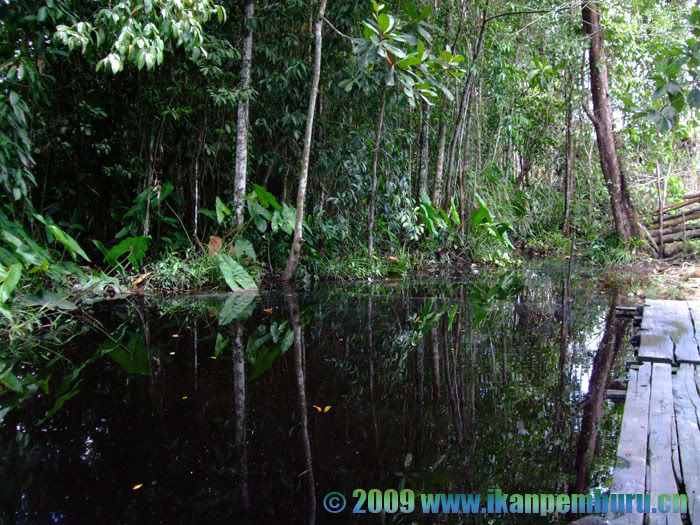
记录涉及加里曼丹多地、苏门答腊南部巨港附近,以及邦加、勿里洞和民丹岛。栖息环境从流动黑水溪流到油棕种植区内人为改造的缓慢水渠都有,通常躲在较静岸边的根部、落叶与悬垂植物下。
饲养环境
密植且阴暗的环境较合适,茎草、浮水植物或睡莲可形成水面遮蔽。沉木上可附着耐阴植物,陶盆和管道补充藏身处。落叶提供遮蔽与潜在产卵位置,并支持微生物生长。过滤温和即可,缸盖严密防跳,留出水面上方湿暖空气层。
食性与喂食
野外可能吃昆虫、小型无脊椎动物和浮游动物。适应后一般能接受干饲料,应经常搭配水蚤、丰年虾、红虫等活饵或冷冻饵,也可提供适口小昆虫。避免因持续过量喂食而肥胖。
习性与混养
单种或安静的小型同伴比热闹混养更合适。较大和活跃鱼容易使它受压并抢去食物,可成对或群养,但需要遮蔽支持相处。
雌雄区分
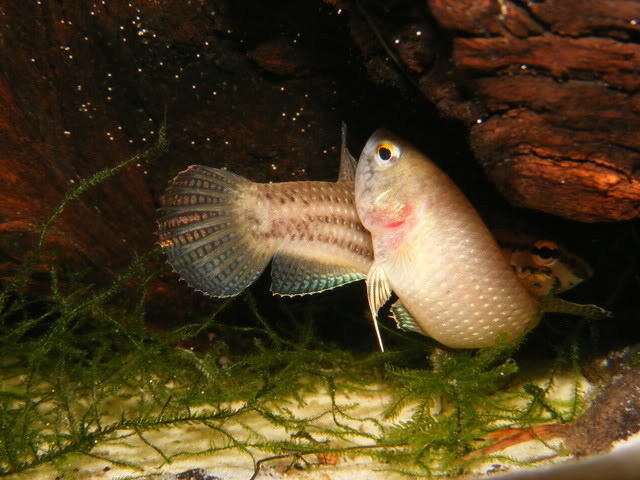
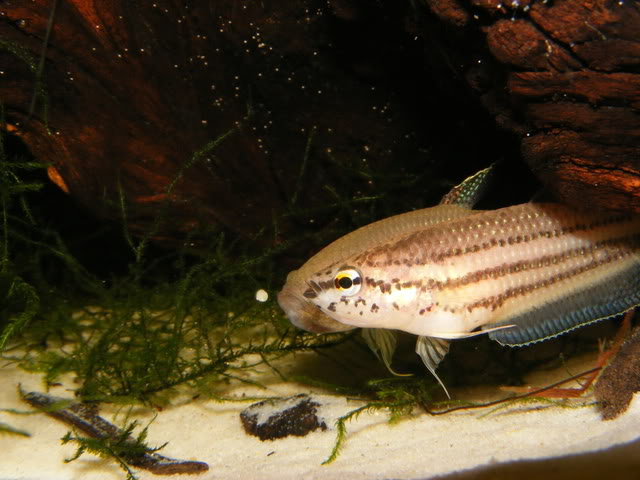
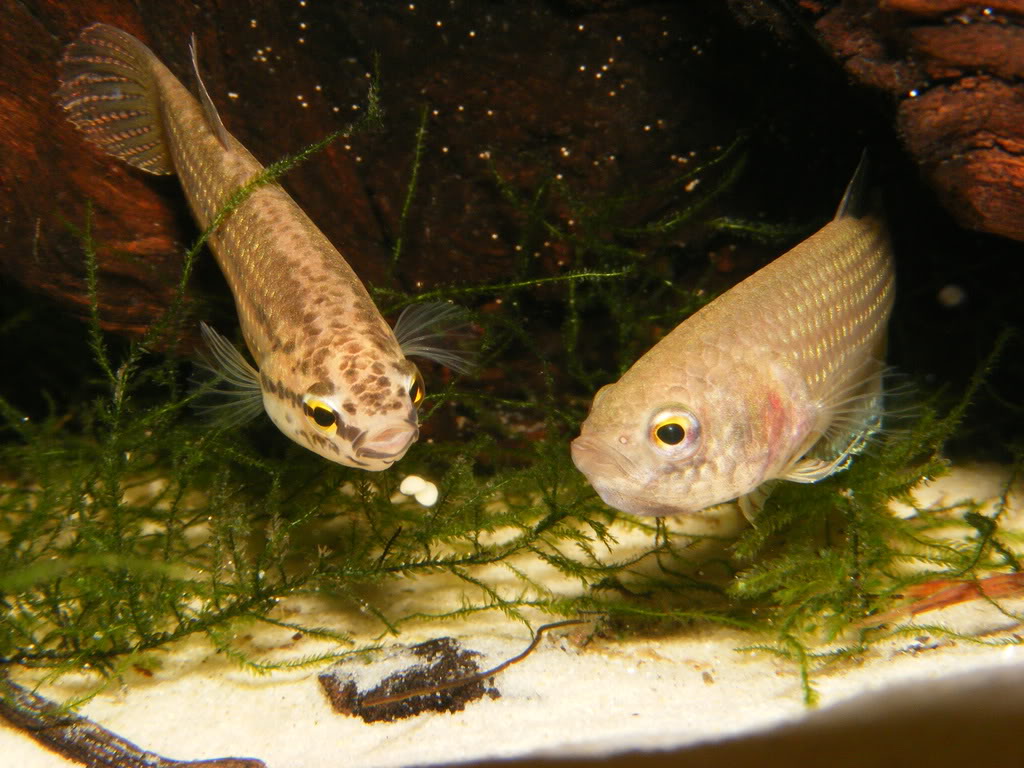
雄鱼较大,头更宽,头部虹彩鳞更多,鳍也较长。
繁殖
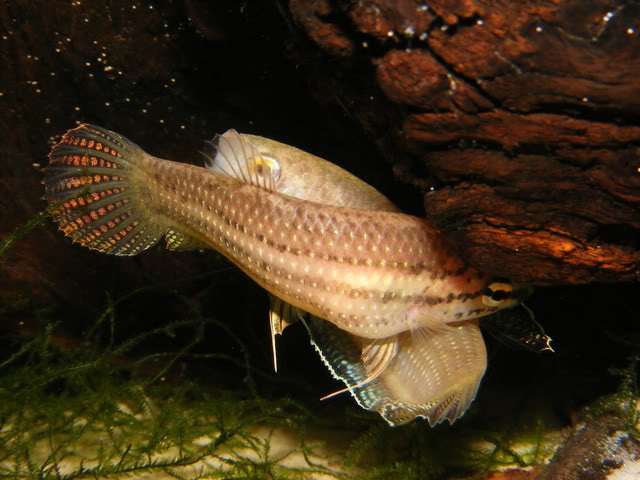
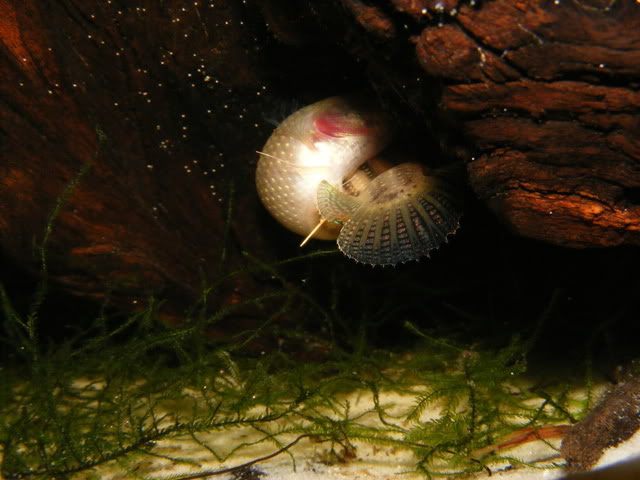
抱合产卵后,卵先被雄鱼臀鳍托住,雌鱼拾起再吐给雄鱼含孵。含卵期约九至十六天。受惊或经验不足可能使雄鱼吞卵或提前吐出,因此宜避免搬动原有同伴。
幼鱼释放后可以分开育苗,也可留在亲鱼身边,但后者可能损失一部分幼鱼。鱼苗能直接摄食微虫、丰年虾无节幼体,以少量多样、每日两三次为宜,不要单一过量投喂丰年虾。紧密缸盖保留湿暖空气,小量规律换水比大幅间歇换水更合适。
补充说明
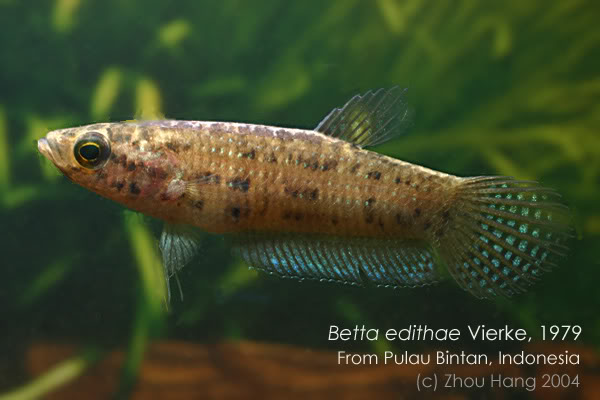
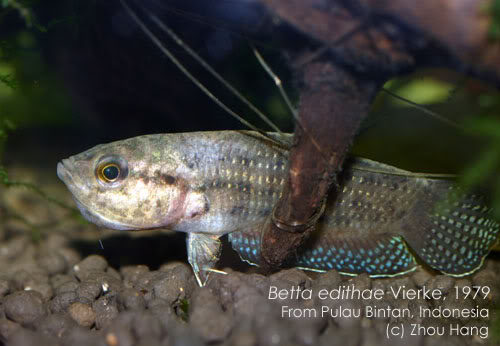
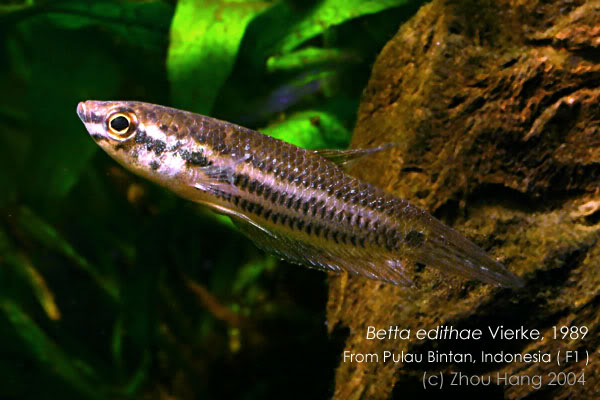
民丹岛群体的下颌斑纹和若干体形比例与婆罗洲群体不同,现阶段不宜自行合并或拆分名称。迷鳃器官使它能呼吸空气,育苗仍需关注湿暖空气层。
图片
图片来自 SeriouslyFish,版权归各摄影者所有。
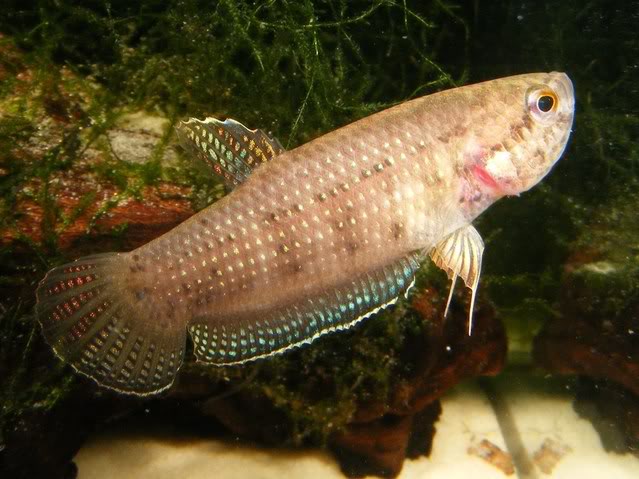
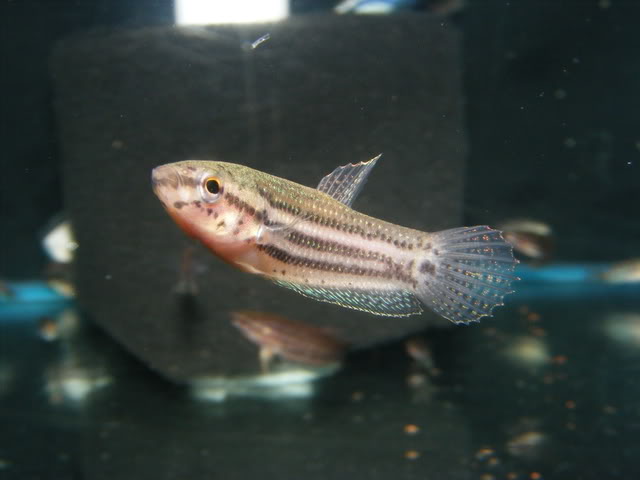
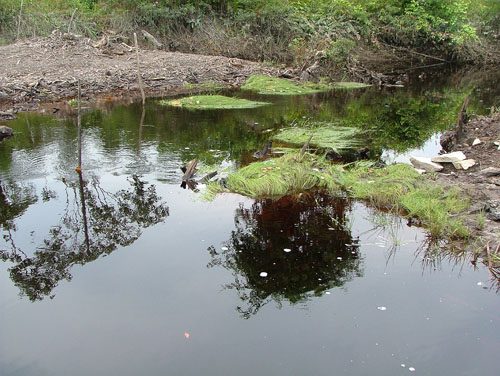
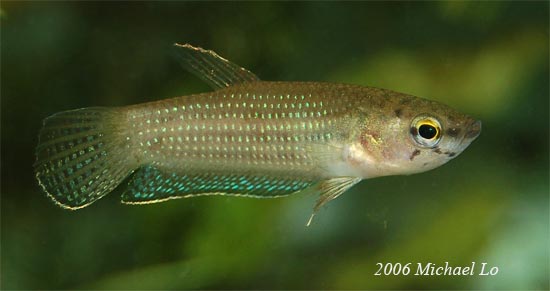
English
Overview
Betta edithae is an Indonesian paternal mouthbrooder reported over a broad island range. Geographic forms differ enough that their common species identity remains uncertain. Aquarium care should preserve locality information while providing quiet, shaded conditions.
Distribution & habitat
Records include Kalimantan, southern Sumatra near Palembang, and Bangka, Belitung, and Bintan islands. Habitat ranges from flowing blackwater streams to slow modified canals in oil-palm plantations. Fish favor calmer margins among roots, leaves, and overhanging plants.
Aquarium setup
A densely planted, shaded aquarium with substantial surface cover is suitable. Tall stems, floating plants, and lilies can be combined with wood, pots, or pipes. Leaves offer cover and potential spawning sites while supporting microorganisms. Use gentle filtration, fit a secure lid, and retain humid air above the water.
Diet & feeding
Insects, small invertebrates, and zooplankton are probable natural foods. Dry products are generally learned, but live or frozen water fleas, brine shrimp, bloodworms, and suitable small insects should supply regular variety. Avoid excessive feeding.
Behaviour & compatibility
A species setup or very peaceful small companions are preferable to a vigorous community. Larger or more active fishes can intimidate it and outcompete it for meals. Pairs and groups are possible with ample shelter.
Sexual dimorphism
Males become larger, with broader heads, stronger head iridescence, and longer fins.
Breeding
Eggs released during embraces are briefly caught against the male's anal fin. The female collects them and passes them to him for mouthbrooding. Incubation takes roughly nine to sixteen days. Stress or inexperience may cause loss of the brood, so disruptive removal of established companions is best avoided during this period.
Released fry can be transferred or remain with parents, though some predation losses may occur in the latter arrangement. Young immediately take microworms and brine shrimp nauplii. Give small, varied meals several times daily instead of excessive brine shrimp alone. Maintain warm moist air under tight cover and use frequent small water changes.
Notes
Bintan fish differ from Bornean populations in chin markings and several proportions. These unresolved differences should not be turned into an unsupported taxonomic decision. Air breathing does not remove the fry's need for appropriate conditions above the surface.
来源
- https://www.seriouslyfish.com/species/betta-edithae(抓取于 2026-10-10)
betta-edithae · 文件: data/species/betta-edithae.md · 状态: 草稿