苏门答腊抟鱼 · Scarlet Betta
概要
| 字段 | 值 |
|---|---|
| 类别 | 鱼 |
| 学名 | Betta coccina |
| 别名 | 蘇門答臘摶魚 |
| 分类 | 攀鲈目 Anabantiformes › 丝足鲈科 Osphronemidae › Betta |
| 水体 | 淡水 |
| 原产地 | 印度尼西亚苏门答腊占碑、廖内,马来半岛柔佛 |
| 成体体长 | 4 cm |
| 饲养难度 | 中等 |
| 最小水体 | 41 L |
| 最小缸长 | 45 cm |
| 群居方式 | 成对 |
| 水流偏好 | 低 |
| 外部数据 | seriouslyfish betta-coccina;fishbase 25132 |
| 繁殖方式 | 吐泡筑巢 |
| 特征 | 会跳缸: 是 |
水质参数
| 参数 | 耐受范围 | 最适范围 | 单位 |
|---|---|---|---|
| 水温 | 22–30 | — | °C |
| pH | 4–6 | — | — |
| 总硬度 | 1–5 | — | dGH |
概述
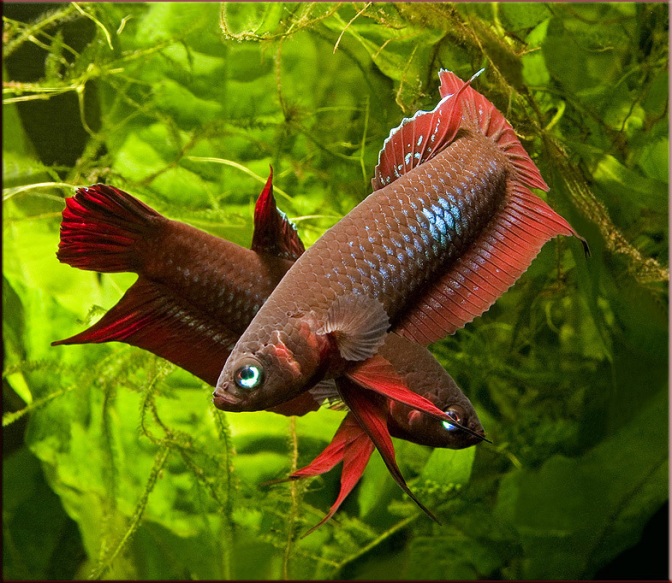
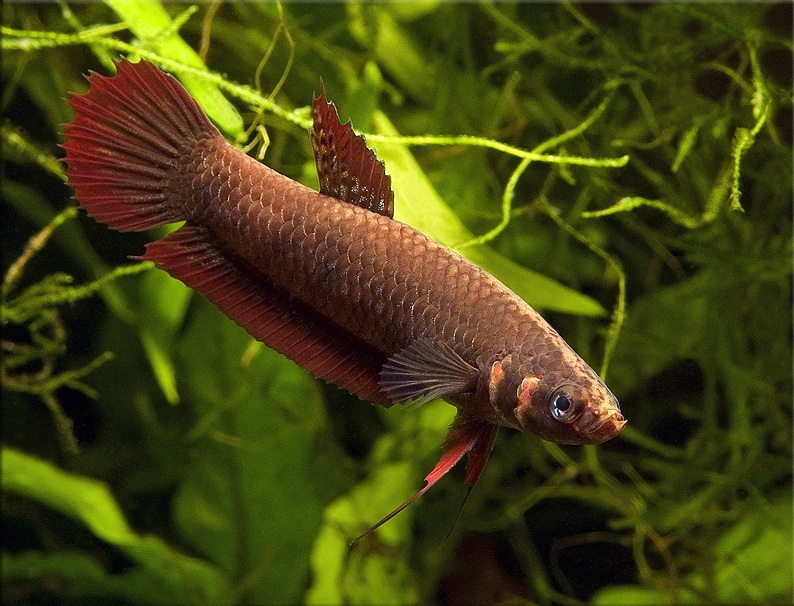
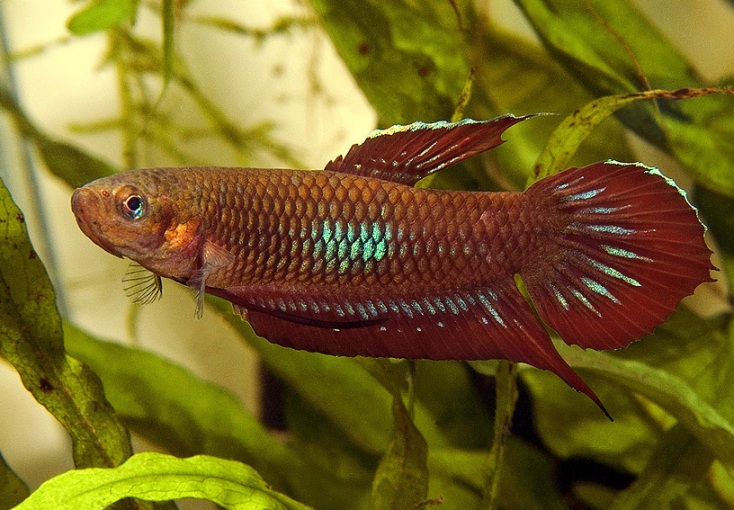
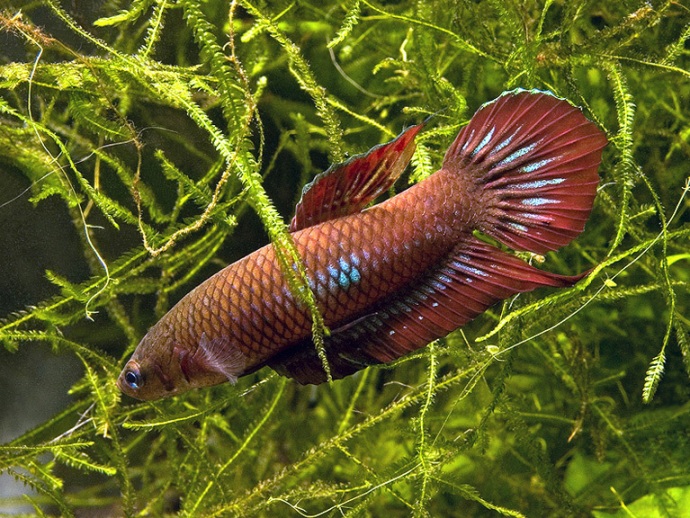
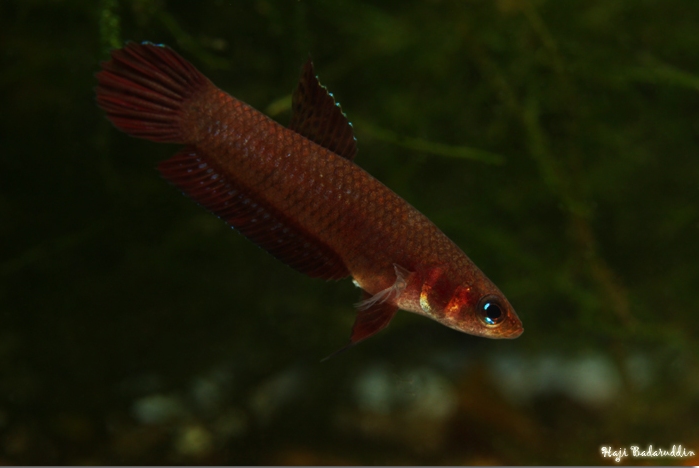
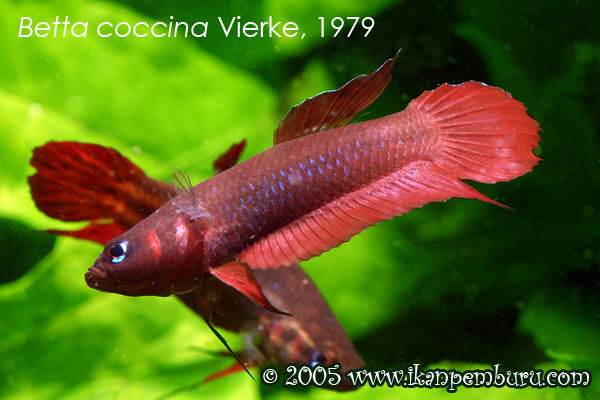
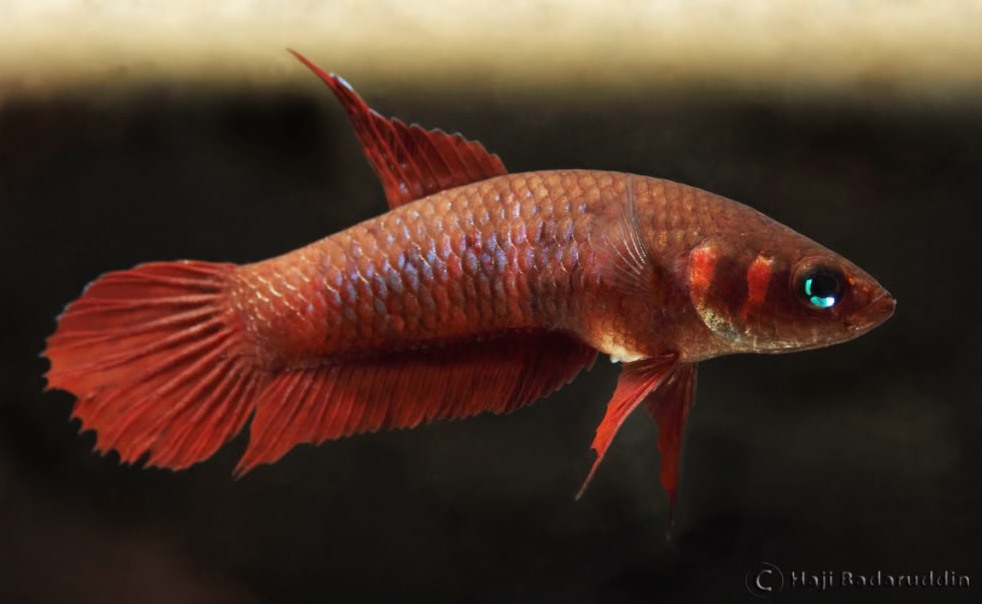
苏门答腊抟鱼(Betta coccina)是深红色的小型泡巢斗鱼,雄鱼体侧有绿色虹彩斑,雌鱼没有。它是森林泥炭沼泽的专门居民,饲养应围绕软酸水、阴暗遮蔽及平稳维护安排。
分布与栖息地
已知来自苏门答腊占碑、廖内及马来半岛柔佛。主要生活在林冠遮光的泥炭沼泽和相关溪流,水常被腐叶物质染深,矿物质很少,底部有落叶、树根和枝条;偶尔也有清水采集记录。部分环境受人为干扰,季节缺水时鱼可能暂栖湿润落叶。
饲养环境
以沉木根枝、陶盆、管道和落叶形成遮蔽,浮水植物与耐阴水草配合较暗灯光。水质应偏酸、极软且碳酸盐硬度很低,必要时使用合适软水来源。气动海绵过滤保持柔流,缸盖盖严防跳,水面上方留湿暖空气。
食性与喂食
野外可能吃水生和陆生无脊椎动物。人工饲养通常能学会吃干饲料,仍须经常提供适口水蚤、丰年虾和红虫等活饵或冷冻饵,避免过量。
习性与混养
大多数情况下适合单种缸,安静小鱼能否相容需看环境与个体。群养多对或一雄多雌的结果不一致,有的轻微追逐不受伤,有的优势鱼持续攻击,成对饲养较便于管理。
雌雄区分
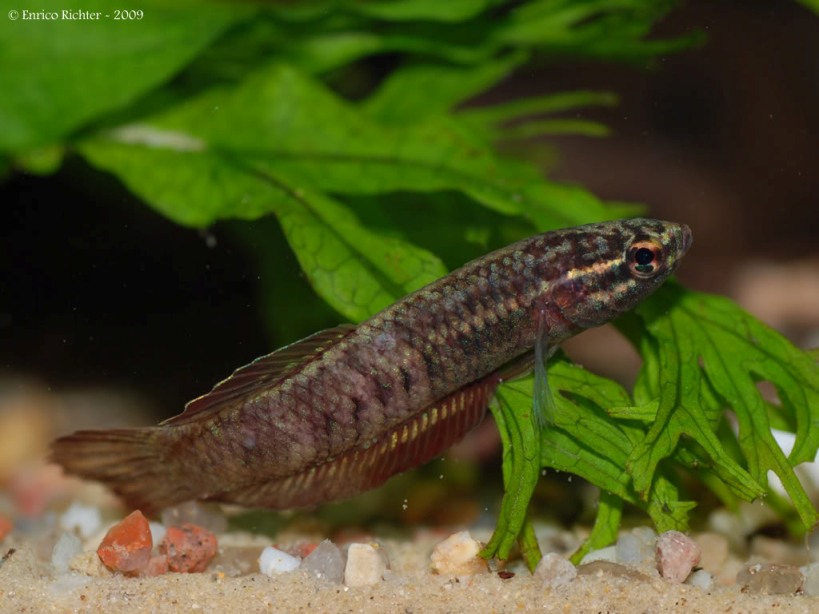
雄鱼成熟后颜色更鲜明、鳍更长,并有雌鱼缺少的绿色侧斑。临产雌鱼变浅,体侧出现深色竖纹。
繁殖
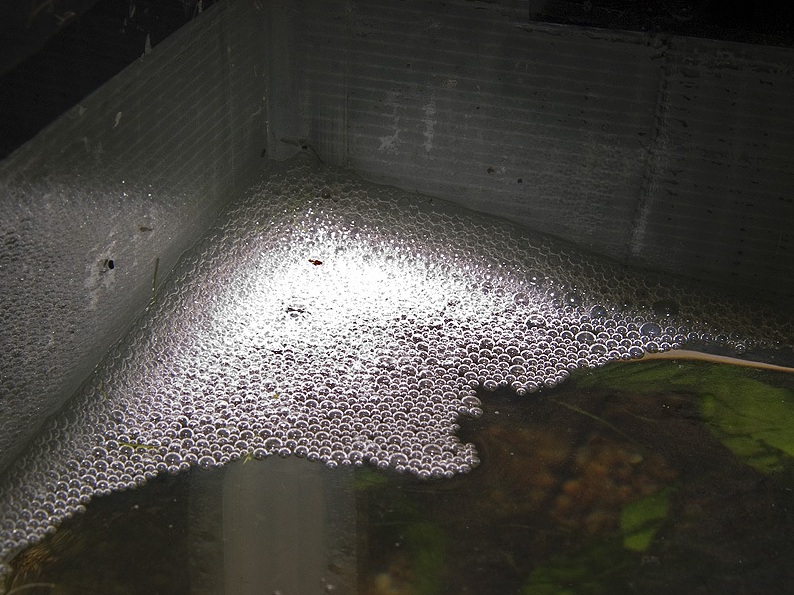
雄鱼可在管道、宽叶下或水面植被间筑泡巢,未完成前可能排斥雌鱼,应给雌鱼充分退避空间。抱合产卵后,卵被逐次送入泡巢,一窝通常不足二十粒,也有接近五十粒的情况。
产后成鱼通常可留缸,雄鱼独自护巢。卵约一两天孵化,再留巢三四天,雄鱼捡回掉落幼鱼;自由游动后通常不再照护,但亲鱼一般也不吃幼鱼。鱼苗可用微虫、丰年虾无节幼体开口,避免过量单喂一种饵。以小量规律换水维持稳定,严密缸盖保持湿暖空气。
补充说明
不同产地鱼存在形态差别,保留占碑、廖内或柔佛等来源标签有助于管理血系。迷鳃器官支持空气呼吸,但并不代表幼鱼能忽略空气层条件。
图片
图片来自 SeriouslyFish,版权归各摄影者所有。
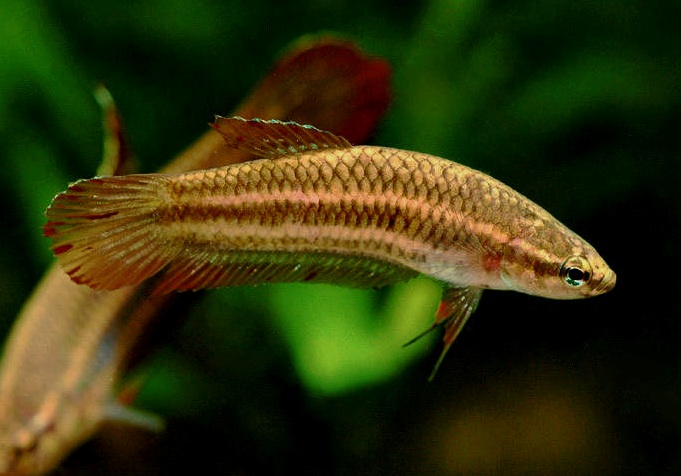
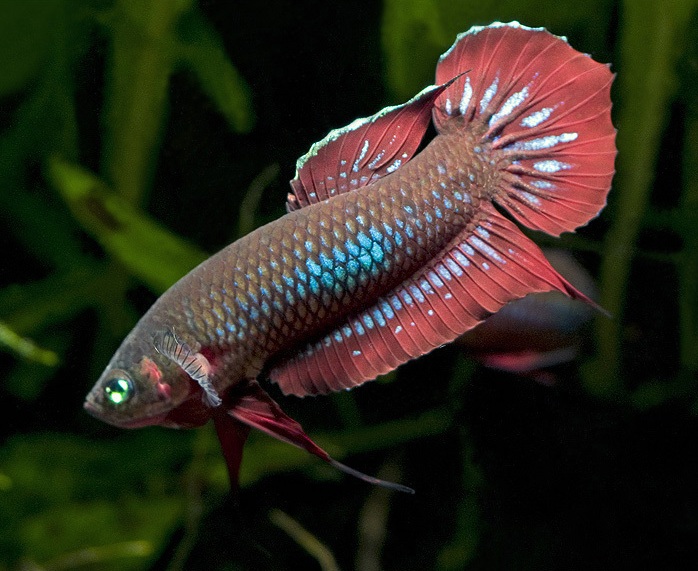
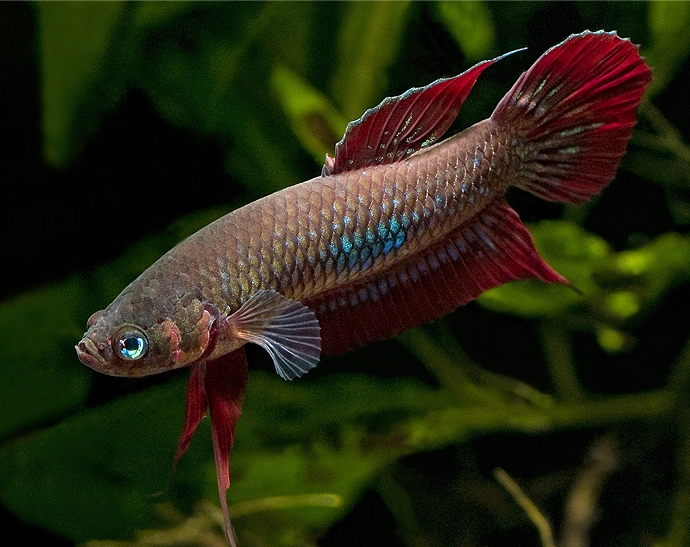
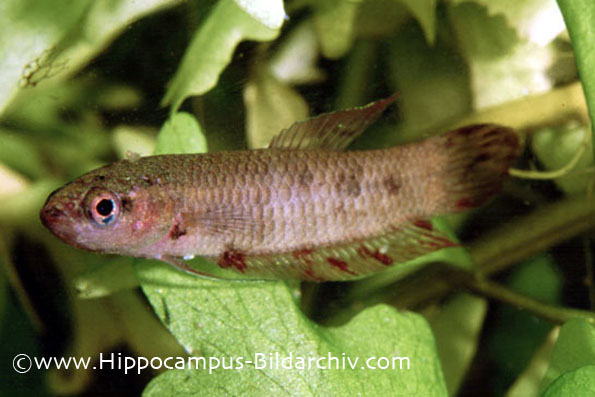
English
Overview
The deep-red Betta coccina is a small bubble nester specialized for forest peat swamps. Males carry a green iridescent side blotch absent in females. Stable soft acidic water, shaded retreats, and restrained maintenance are more important than a brightly lit community display.
Distribution & habitat
Records come from Jambi and Riau on Sumatra and Johor on the Malay Peninsula. Forest peat swamps and related streams typically provide dark, low-mineral water over leaves, branches, and roots. Clear-water records occur occasionally. Human disturbance affects some sites, and seasonal drying can force fish into damp litter.
Aquarium setup
Build shelter with wood, roots, pots, tubing, and leaves. Combine subdued lighting with floating cover and shade-tolerant plants. Water should be acidic and very soft with little carbonate hardness. Gentle sponge filtration is suitable. Close the lid securely against jumping while leaving warm humid air above the surface.
Diet & feeding
Aquatic and terrestrial invertebrates are probable natural prey. Fish often learn to accept dry products, but small live or frozen water fleas, brine shrimp, and bloodworms should remain regular offerings. Avoid excessive feeding.
Behaviour & compatibility
A species aquarium is usually preferable. Very quiet small companions may work, depending on conditions and individual behavior. Reports of multiple pairs and harems vary from harmless disputes to prolonged aggression by dominant fish; a pair is easier to supervise.
Sexual dimorphism
Adult males are more colorful, have longer fins, and possess the green side marking. Spawning females become pale with dark vertical bars.
Breeding
Nests may be constructed within tubes, under broad leaves, or among floating plants. Females need retreat space because males often exclude them until the nest is ready. Eggs released during embraces are transferred into the foam. Broods usually contain fewer than twenty eggs, though numbers approaching fifty occur.
Parents can normally remain afterward while the male tends the nest alone. Hatching takes one or two days, followed by another three or four days before free swimming. He retrieves fallen larvae but usually loses interest once they disperse; parents generally do not consume them. Offer tiny live foods with variety, avoid excessive brine shrimp, and maintain humid air with small regular water changes.
Notes
Geographic forms differ, so collection labels help preserve clear bloodlines. The labyrinth organ supports air breathing without making the air layer irrelevant to fry development.
来源
- https://www.seriouslyfish.com/species/betta-coccina(抓取于 2026-10-10)
betta-coccina · 文件: data/species/betta-coccina.md · 状态: 草稿