似鳢搏鱼 · Snakehead Betta
概要
| 字段 | 值 |
|---|---|
| 类别 | 鱼 |
| 学名 | Betta channoides |
| 别名 | 似鱧搏魚 |
| 分类 | 攀鲈目 Anabantiformes › 丝足鲈科 Osphronemidae › Betta |
| 水体 | 淡水 |
| 原产地 | 印度尼西亚婆罗洲东加里曼丹马哈坎河流域 |
| 成体体长 | 4 cm |
| 饲养难度 | 中等 |
| 最小水体 | 41 L |
| 最小缸长 | 45 cm |
| 群居方式 | 成对 |
| 水流偏好 | 低 |
| 外部数据 | seriouslyfish betta-channoides;fishbase 27010 |
| 繁殖方式 | 口孵 |
| 特征 | 会跳缸: 是 |
水质参数
| 参数 | 耐受范围 | 最适范围 | 单位 |
|---|---|---|---|
| 水温 | 23–30 | — | °C |
| pH | 4–6.5 | — | — |
| 总硬度 | 1–5 | — | dGH |
概述
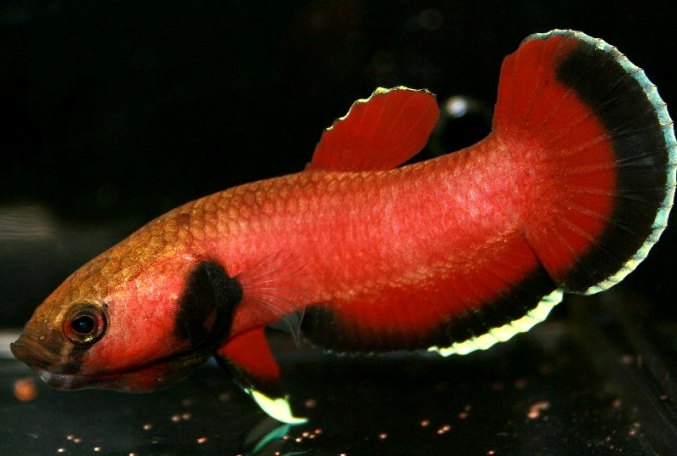
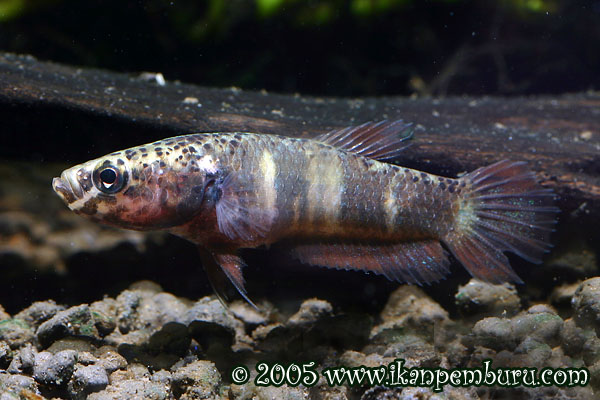
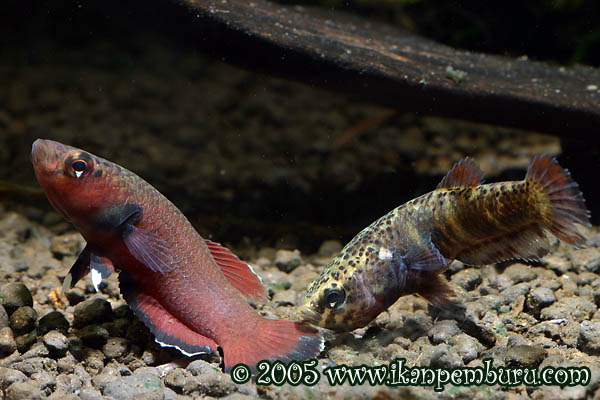
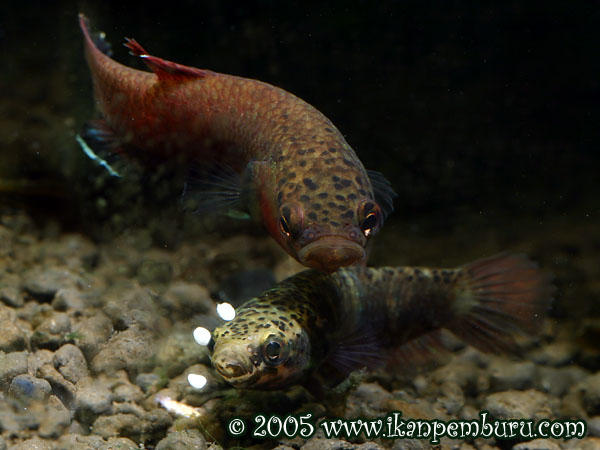
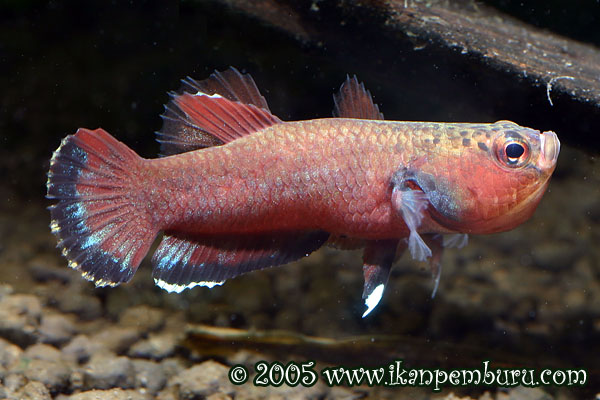
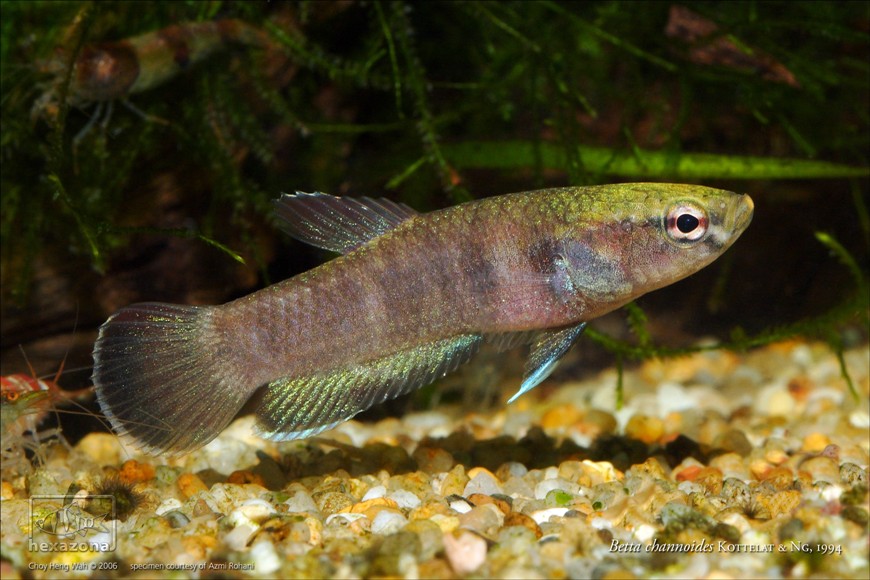
似鳢搏鱼(Betta channoides)是小型雄性口孵斗鱼,展示时雄鱼偏鲜红,背鳍几乎全红,仅有细白边。它适合安静软酸水缸,一窝通常很少,维护重点是让含卵雄鱼不受惊扰。
分布与栖息地
来自印度尼西亚婆罗洲东加里曼丹马哈坎河流域,多个采集地点的群体常保留产地标签。生活在浅森林溪流,水呈褐色、偏酸,常躲在落叶和岸边植物根部。
饲养环境
以沉木根枝、陶盆或管道形成阴影和藏身处,落叶可支持微生物生长并增加遮蔽。灯光宜暗,搭配耐阴和浮水植物。需极软、低缓冲度的酸性水,过滤保持柔和。严密缸盖防跳,同时在水面上留湿暖空气。
食性与喂食
野外可能吃昆虫、小型无脊椎动物和浮游动物。干饲料通常可经适应后接受,仍应经常搭配水蚤、丰年虾、红虫等小型活饵或冷冻饵,不要过量投喂。
习性与混养
可成对或小群单种饲养。若选同伴,应是体型很小且安静、环境需求相容的鱼,较大或积极抢食者容易使它受压。
雌雄区分
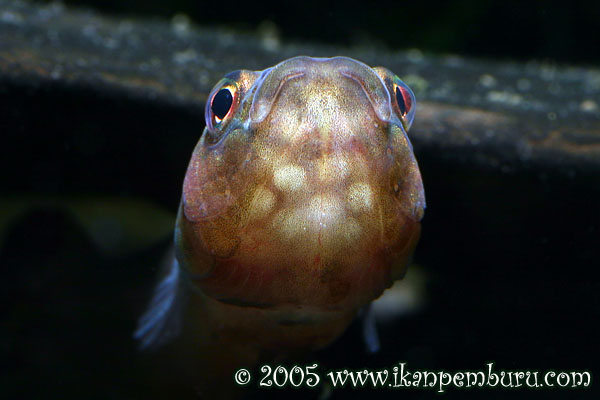
成年雄鱼颜色更鲜艳,头形较雌鱼宽。
繁殖
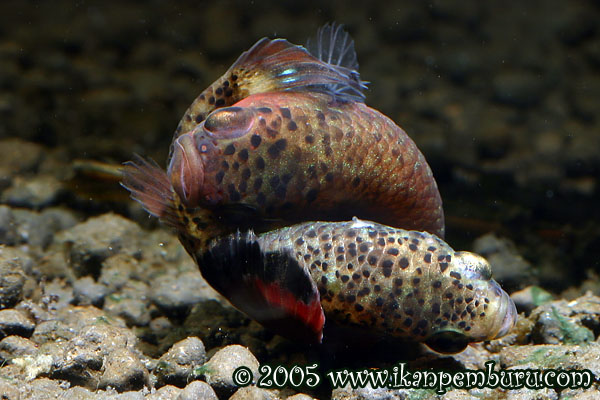
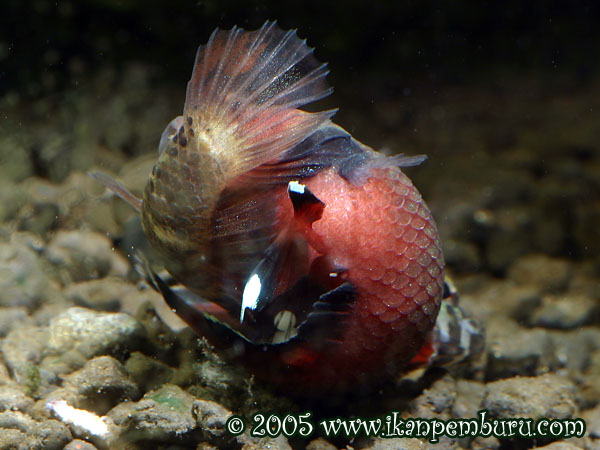
求偶较长,可能多次试抱后才真正产卵。卵先落在雄鱼臀鳍处,由雌鱼拾入口中再吐给雄鱼含孵;十粒卵已经算不错的一窝。雄鱼受惊或缺乏经验时可能吞卵或提前吐出,因此含卵期宜让雌鱼及原有同伴留在原处,减少扰动。
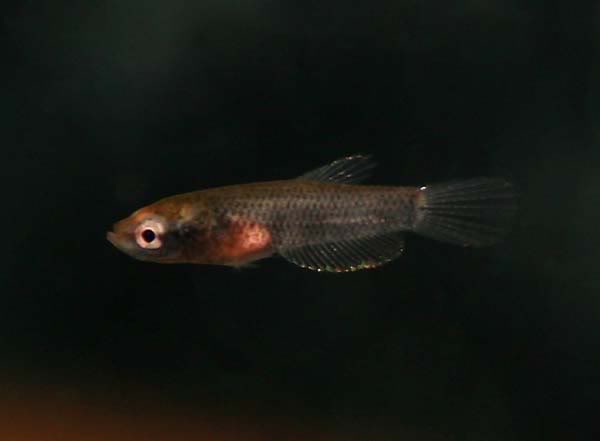
约十至二十一天后释放自由游动鱼苗。可移走单独养,也通常能留在亲鱼旁,成鱼一般不会伤害它们。幼鱼直接吃微虫和丰年虾无节幼体,每日两三次少量多样,避免过量单喂丰年虾。严密缸盖维持湿暖空气,小量勤换水帮助幼鱼稳定发育。
补充说明
与白边搏鱼(Betta albimarginata)相似,但本种背鳍白边较窄,尾鳍深色次外缘带不完全延伸到最上部。产地记录与鳍部花纹应结合观察,不要仅按红色浓淡鉴定。
图片
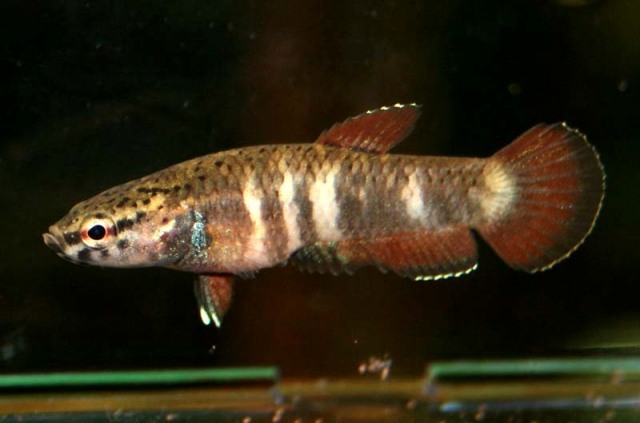
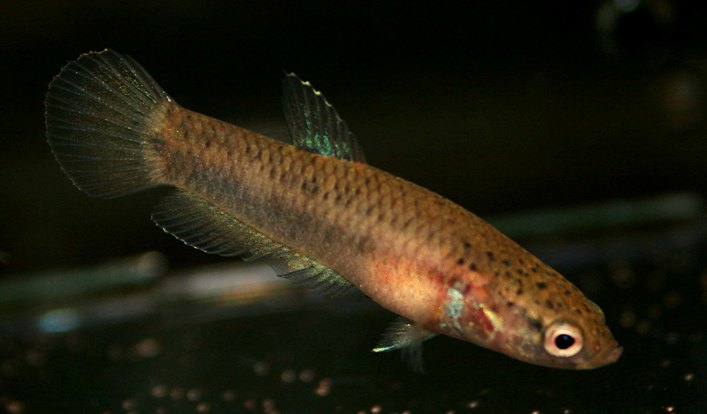
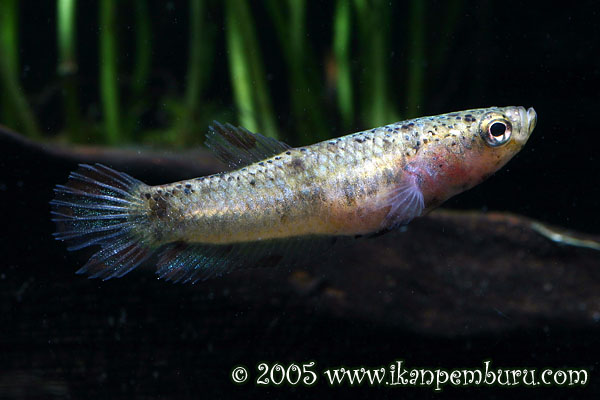
图片来自 SeriouslyFish,版权归各摄影者所有。
English
Overview
Displaying males of Betta channoides are scarlet, with an almost wholly red dorsal fin bordered narrowly in white. This small paternal mouthbrooder suits a quiet aquarium with very soft acidic water. Its modest broods and sensitivity to disturbance make restrained management especially valuable during incubation.
Distribution & habitat
It comes from the Mahakam drainage in East Kalimantan, Indonesian Borneo. Collectors often retain labels for individual localities. Fish inhabit shallow forest streams with brownish acidic water, sheltering among marginal roots and fallen leaves.
Aquarium setup
Create shaded retreats with wood, roots, pots, or pipes. Leaves add cover and microorganisms; subdued lighting and floating vegetation strengthen the sense of security. Maintain acidic, very soft water with low carbonate hardness and mild filtration. Fit the lid closely to prevent jumping while leaving humid air above the surface.
Diet & feeding
Probable natural foods include insects, small invertebrates, and zooplankton. Dry products are often accepted after acclimation, but offer regular live or frozen water fleas, brine shrimp, and bloodworms. Avoid overfeeding.
Behaviour & compatibility
Pairs and small groups can be kept in a species aquarium. Any companions should be tiny, quiet, and suited to the same water conditions. Larger or vigorous feeders can intimidate it or intercept food.
Sexual dimorphism
Mature males are more colorful and possess a broader head.
Breeding
Long courtship and practice embraces may precede laying. Eggs held briefly against the male's anal fin are gathered by the female and passed to him for incubation. Ten eggs already constitute a worthwhile brood. Stress or inexperience can cause premature swallowing or release, so leaving the female and established companions undisturbed is preferable during brooding.
After approximately ten to twenty-one days, free-swimming young emerge. They can be transferred for rearing or usually remain safely with adults. Microworms and brine shrimp nauplii are accepted immediately. Give small, varied meals several times daily without excessive reliance on brine shrimp. Tight cover maintains the warm, humid air needed by developing fry; regular small water changes limit disruption.
Notes
Narrow dorsal-fin edging and a dark tail band that stops short of the uppermost portion distinguish it from a close look-alike. Combine fin details with locality information rather than relying only on the intensity of red coloration.
来源
- https://www.seriouslyfish.com/species/betta-channoides(抓取于 2026-10-10)
betta-channoides · 文件: data/species/betta-channoides.md · 状态: 草稿