细长搏鱼 · Slender Betta
概要
| 字段 | 值 |
|---|---|
| 类别 | 鱼 |
| 学名 | Betta bellica |
| 别名 | 斑条搏鱼、細長搏魚、斑條搏魚、Betta fasciata |
| 分类 | 攀鲈目 Anabantiformes › 丝足鲈科 Osphronemidae › Betta |
| 水体 | 淡水 |
| 原产地 | 马来半岛及印度尼西亚苏门答腊东北部 |
| 成体体长 | 9 cm |
| 饲养难度 | 中等 |
| 最小水体 | 72 L |
| 最小缸长 | 80 cm |
| 群居方式 | 成对 |
| 水流偏好 | 低 |
| 外部数据 | seriouslyfish betta-bellica;fishbase 12035 |
| 食性 | 肉食 |
| 繁殖方式 | 吐泡筑巢 |
| 特征 | 会跳缸: 是 |
水质参数
| 参数 | 耐受范围 | 最适范围 | 单位 |
|---|---|---|---|
| 水温 | 25–30 | — | °C |
| pH | 4–7 | — | — |
| 总硬度 | 1–5 | — | dGH |
概述
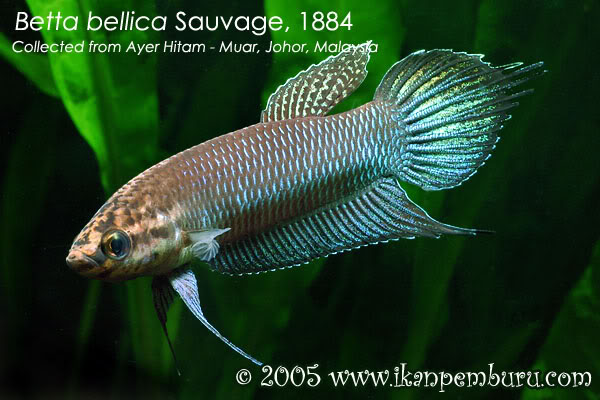
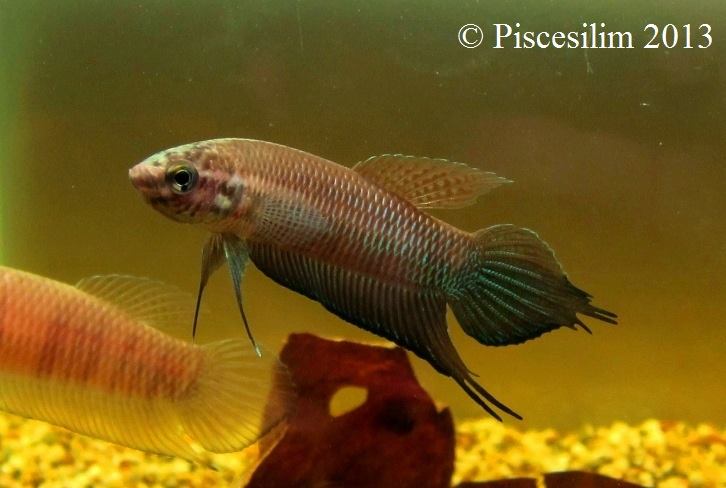
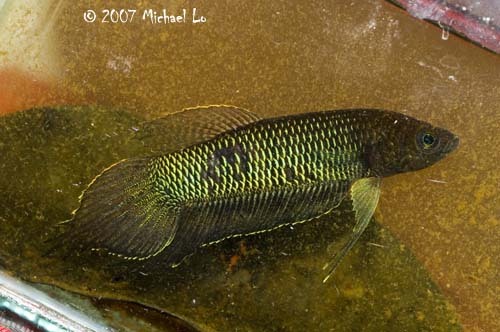
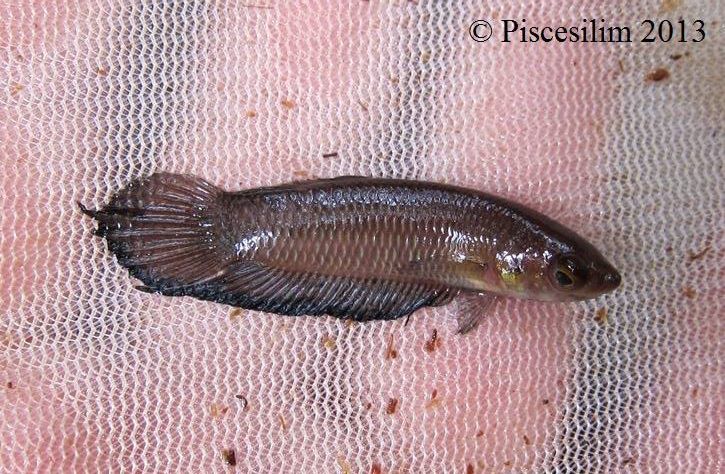
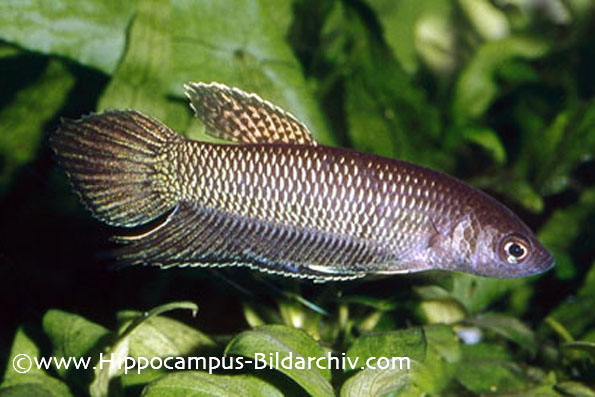
细长搏鱼(Betta bellica)是会筑泡巢的野生斗鱼,身体细长,鳞片带绿光。它擅长跳出水面捕虫,防跳缸盖是必要安排;同种群养有成功也有持续攻击的经验,不能仅凭一次和平相处判断长期安全。
分布与栖息地
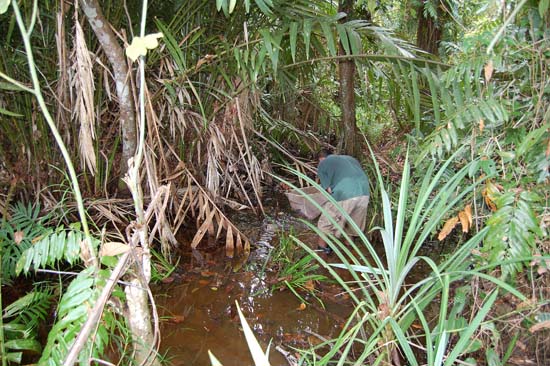
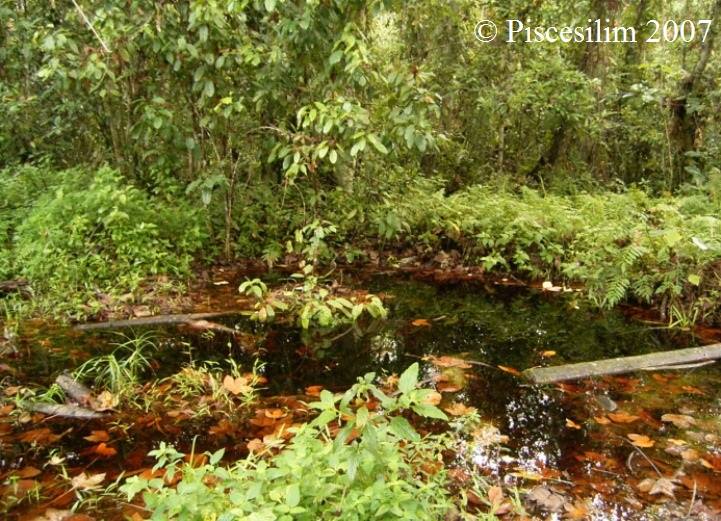
分布于马来半岛多个地区及苏门答腊东北部。多见于泥炭沼泽森林和黑水溪流,也见于淡水沼泽森林。林冠和岸边植被遮光,水体矿物质很少、偏酸,底部覆盖枝条、树根和落叶。季节性缺水时可在湿润落叶中熬过一段时间,这不应作为日常饲养方式。
饲养环境
用沉木根枝、陶盆或管道提供多处遮蔽,落叶可增加微生物与黑水效果。灯光较暗,配耐阴植物和浮水遮蔽。需要极软、偏酸、低缓冲度水质,过滤保持柔和。缸盖严密,水不要加满,留出湿暖空气层。
食性与喂食
野生胃含物显示几乎专食昆虫,尤其在水面捕猎豆娘幼虫,也会跳起捕捉悬垂枝叶上的猎物。缸中通常可学会吃干饲料,仍应经常搭配水蚤、丰年虾和红虫等小型活饵或冷冻饵,避免过量喂食。
习性与混养
不适合普通混养缸,较大或活跃的鱼容易使它受压。可单种饲养,或谨慎选很安静的同伴。同种多对或一雄多雌的经验不同:有的只有轻微追逐,有的优势鱼持续攻击,成对饲养往往更便于管理。
雌雄区分
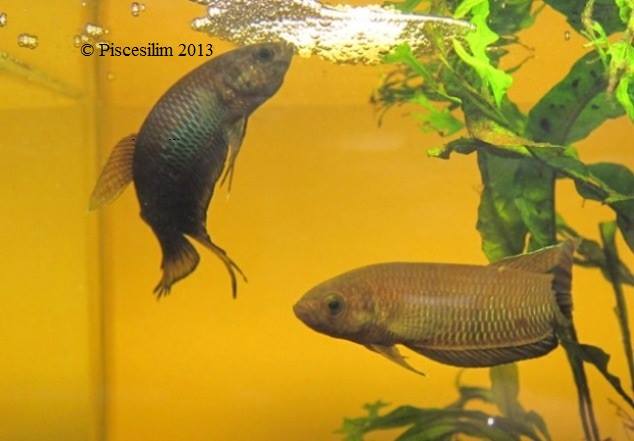
成熟雄鱼颜色更浓,鳍略延长。雌鱼进入繁殖状态时颜色变浅,体侧出现深色竖纹。
繁殖
雄鱼可在管道、宽叶下或水面细叶植物间筑巢,巢未完成前通常不容许雌鱼靠近,因此必须给雌鱼足够躲藏处。抱合产卵时,每次释放约五至二十粒,雌鱼托住卵,雄鱼转移进巢,雌鱼也会回收散落卵。
产后宜移走雌鱼,雄鱼独自护巢并可能攻击她。卵约二十四至四十八小时孵化,幼鱼在巢内再留三四天;自由游动后也可移走雄鱼,以减少吃幼鱼风险。幼鱼可吃微虫和丰年虾无节幼体,避免过量单喂,水小量勤换,并保持缸盖下湿暖空气。
补充说明
幼鱼与亲鱼同养时,幼鱼开始显成鱼色后,亲鱼可能停繁殖、褪色或退缩,原因尚不明确;移走幼鱼后往往恢复。不同产地鱼保留来源标签有助于维持清楚血系。
图片
图片来自 SeriouslyFish,版权归各摄影者所有。
English
Overview
Long-bodied Betta bellica is a bubble-nesting fish with green iridescence on the scales. Its ability to jump for insects makes a secure lid essential. Reports of conspecific groups range from minor quarrels to persistent attacks, so early tolerance should not be mistaken for a guaranteed stable arrangement.
Distribution & habitat
It occurs across parts of Peninsular Malaysia and northeastern Sumatra. Peat swamp forests and associated blackwater streams are common habitat, with freshwater swamp forest also used. Dense shade, very low mineral content, acidic water, and submerged leaves and wood characterize many sites. Seasonal drying may force fish into moist litter, a survival behavior rather than an aquarium practice.
Aquarium setup
Provide multiple retreats with wood, roots, pots, or tubing. Dried leaves contribute cover and support microorganisms. Dim lighting and floating vegetation suit a setup with very soft, acidic water and gentle filtration. Leave a humid air space beneath a close-fitting cover.
Diet & feeding
Wild stomach contents show an almost entirely insect-based diet, especially damselfly larvae hunted near the surface. Fish also leap for prey on overhanging vegetation. Captive specimens generally learn to take dry food, but regular live or frozen water fleas, brine shrimp, and bloodworms add useful variety. Avoid overfeeding.
Behaviour & compatibility
A quiet species setup or carefully selected mild companions are preferable to a busy community. Larger or vigorous fishes can intimidate it. Multiple pairs and harems have produced conflicting results, including sustained aggression by dominant fish; a single pair can be easier to manage.
Sexual dimorphism
Males develop stronger coloration and slightly longer fins. Receptive females become paler and show dark vertical bars.
Breeding
Nests may be built inside tubes, beneath broad leaves, or among surface plants. The male often excludes the female until construction ends, making abundant escape cover important. Embraces release small batches of roughly five to twenty eggs. The female supports them while the male moves them into the nest, with loose eggs retrieved as well.
Remove the female after spawning because the male takes over care and may attack her. Eggs hatch in about one or two days; larvae remain in the nest for another three or four days. Once free swimming begins, the male can also be removed to reduce predation. Offer tiny live foods with variety, maintain humid air, and use frequent small water changes.
Notes
Young developing adult colors can coincide with parents stopping spawning or becoming withdrawn. Removing the juveniles often reverses this, but the mechanism is uncertain. Locality labels help preserve clear breeding histories.
来源
- https://www.seriouslyfish.com/species/betta-bellica(抓取于 2026-10-10)
betta-bellica · 文件: data/species/betta-bellica.md · 状态: 草稿