Betta antoni
概要
| 字段 | 值 |
|---|---|
| 类别 | 鱼 |
| 学名 | Betta antoni |
| 分类 | 攀鲈目 Anabantiformes › 丝足鲈科 Osphronemidae › Betta |
| 水体 | 淡水 |
| 原产地 | 印度尼西亚 |
| 成体体长 | 5 cm |
| 饲养难度 | 中等 |
| 最小水体 | 54 L |
| 最小缸长 | 60 cm |
| 群居方式 | 成对 |
| 水流偏好 | 低 |
| 外部数据 | seriouslyfish betta-antoni;fishbase 62727 |
| 食性 | 肉食 |
| 繁殖方式 | 口孵 |
| 特征 | 会跳缸: 是 |
| 领地性 | 是 |
水质参数
| 参数 | 耐受范围 | 最适范围 | 单位 |
|---|---|---|---|
| 水温 | 22–27 | — | °C |
| pH | 5.5–7 | — | — |
| 总硬度 | 1–5 | — | dGH |
概述
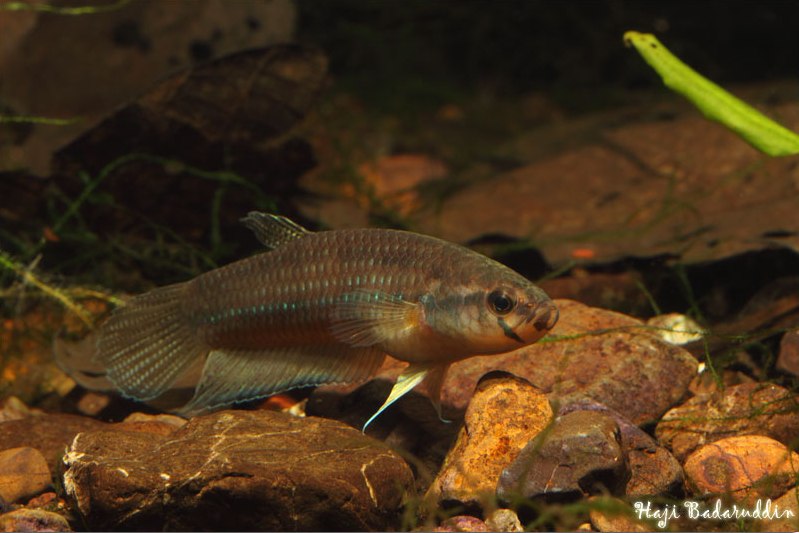
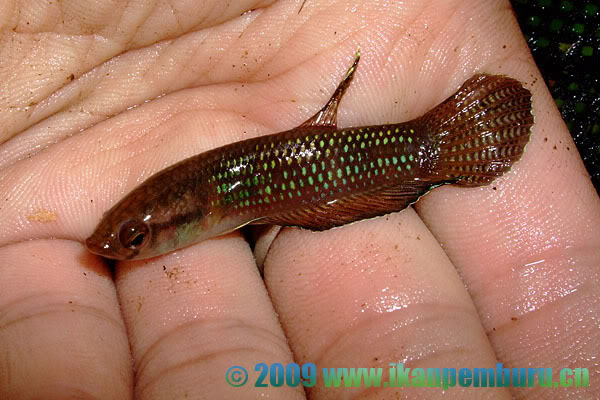
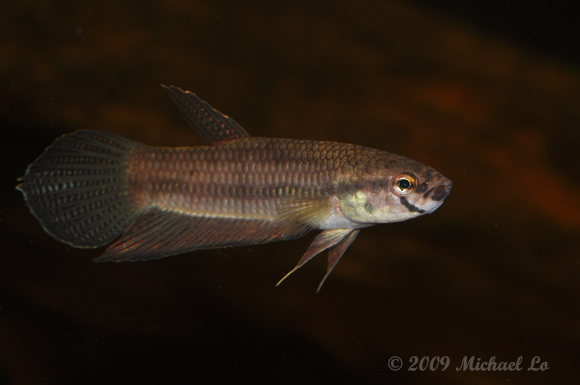
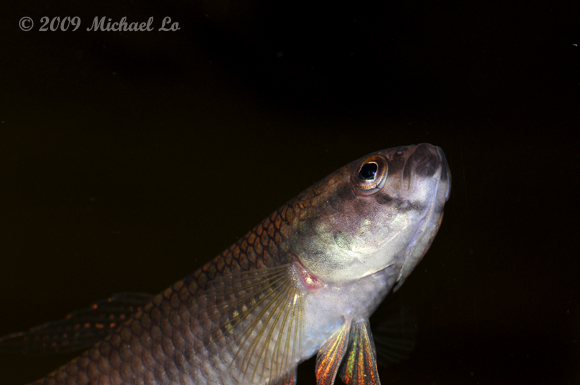
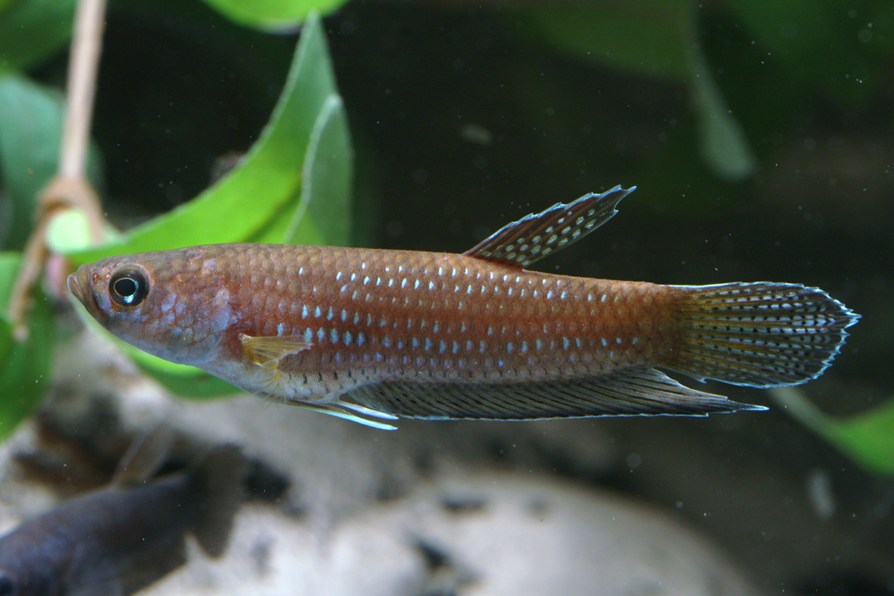
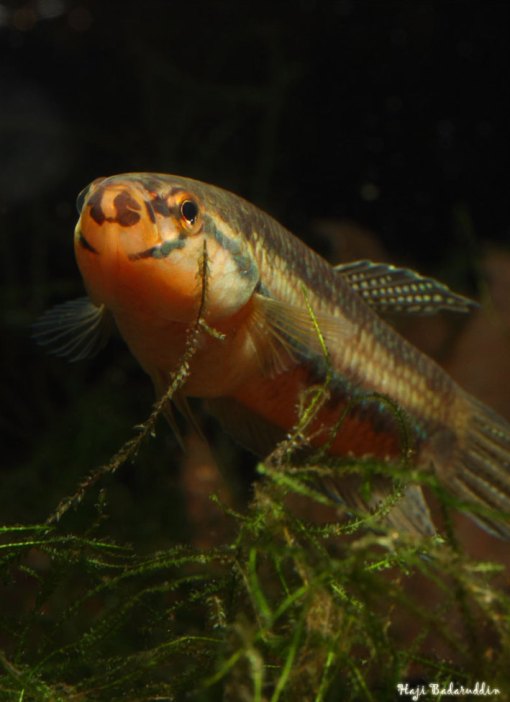
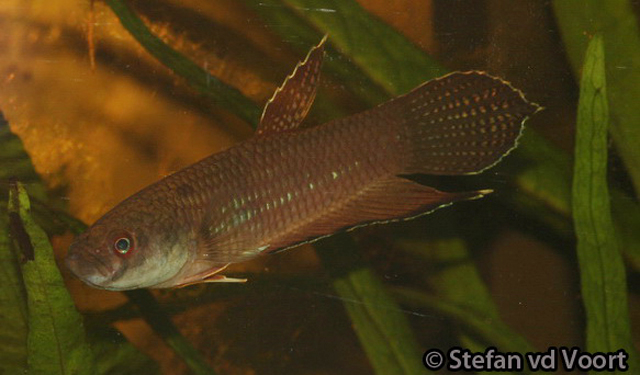
Betta antoni 是雄鱼口孵的野生斗鱼,活体鳞片泛蓝光,下唇有明显黑色。它偏好林溪中较安静、遮蔽多的区域,饲养重点是软水、弱光和不受强势伙伴打扰。
分布与栖息地
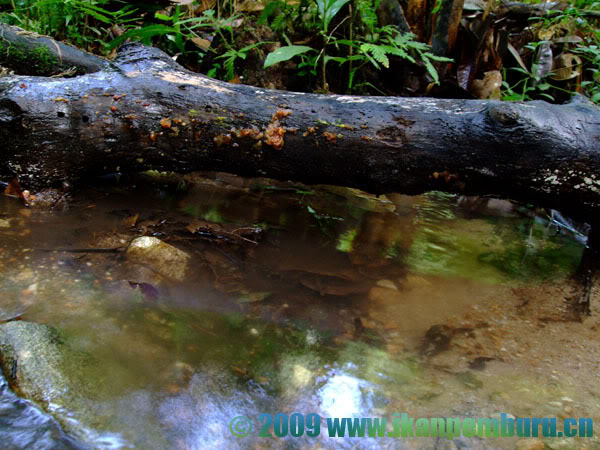
似乎仅见于印度尼西亚婆罗洲西加里曼丹的卡普阿斯河下游流域,桑高及南加皮诺附近支流有记录。栖居清澈山林溪流上游的缓流岸边和静水潭,底部混有落叶、砾石和岩块;部分水域因腐殖物略呈褐色。浓密树冠和岸边植被使环境阴暗。
饲养环境
缸底宜超过 60 × 30 cm。沉木、枝条、陶盆或管道可组成多个阴暗藏身点,落叶层也能提供遮蔽和鱼苗可利用的微生物。可裸底以便清洁,也可布置底砂。
采用弱光、耐阴水草及浮水植物,以成熟海绵过滤维持温和循环。需要很软的水和低碳酸盐硬度,必要时使用可靠的软水来源。盖好缸,保留水面上的潮湿空气层及鱼能到达水面的通道;本种很会跳跃。
食性与喂食
野外捕食昆虫和其他无脊椎动物,也可能吃极小的鱼。适应后通常能认识干粮,仍应搭配水蚤、丰年虾、红虫等活饵或冷冻饵。小昆虫可先喂饱再投给鱼。控制份量,同属鱼有容易肥胖的倾向。
习性与混养
更适合单养缸,或经过筛选的极温和伙伴;体大、活跃和抢食强的鱼会使其紧迫。有充足藏身处和视线遮挡时可以组群,但争执难免,繁殖时尤其要留意雌鱼的攻击。
雌雄区分
雄鱼通常较大,头较宽,头部亮鳞更多,鳍条也较长。
繁殖
由雄鱼含孵,雌鱼较主动求偶并守卫产卵区域。双方缠抱后分批排卵,雌鱼先含起卵,再吐给雄鱼接住,重复至产卵完成。单雄可含养多达约 60 尾鱼苗,应预先考虑育苗空间。
含孵约 12~17 天,雄鱼放出能自由游动的幼鱼。亲鱼是否吃苗有不同经验;可在产后数日轻柔移走雌鱼和其他鱼,避免惊扰含卵雄鱼导致吞卵或过早吐苗。鱼苗稳定游动取食后也可移走雄鱼。
育苗缸需保持水面空气温暖潮湿,以利迷鳃发育。刚释放的鱼苗可吃微虫和丰年虾无节幼体,每日少量喂 2~3 次并轮换食物,不宜只大量投丰年虾;换水少量、规律进行。
补充说明
旧贸易代号为 Betta sp. ‘Sanggau’,属于近缘种形态复杂的一组。迷鳃使它能利用空气中的氧,但不能替代稳定水质。
图片
图片来自 SeriouslyFish,版权归各摄影者所有。
English
Overview
Blue iridescence and a dark lower lip help distinguish Betta antoni. This paternal mouthbrooder needs quiet, shaded accommodation; soft water and protection from forceful tankmates matter more than elaborate decoration.
Distribution & habitat
It appears restricted to the lower Kapuas drainage in West Kalimantan, Indonesian Borneo, with populations near Sanggau and Nanga Pinoh. Forest hill streams provide quiet edges and pools among leaves, gravel, and rocks. Dense overhead and marginal vegetation excludes much of the light, and decomposing material sometimes gives otherwise clear water a light brown tint.
Aquarium setup
Provide a footprint exceeding 60 × 30 cm. Arrange wood, branches, pots, or pipes into separate shaded retreats. Leaves add cover and support microorganisms useful to fry; a bare base is an alternative when easy cleaning is important.
Use subdued lighting, shade-tolerant plants, floating cover, and gently operating mature sponge filtration. Very soft water with little carbonate hardness may require a dependable soft-water supply. Secure the cover, leave humid air above the water, and preserve surface access. This fish can jump effectively.
Diet & feeding
Natural prey includes insects and other invertebrates; very small fish may also be taken. Dry food is usually accepted after recognition, but rotate it with water fleas, Artemia, bloodworms, and similar live or frozen items. Feed small insects before offering them. Limit portions because obesity appears common within the genus.
Behaviour & compatibility
A dedicated aquarium is preferable, although carefully selected, exceptionally gentle companions can work. Large or energetic fishes may intimidate it. A group is possible with ample cover and visual barriers, but disputes still occur; spawning females can be especially confrontational.
Sexual dimorphism
Males tend to be larger, with broader heads, more reflective head scales, and longer fins.
Breeding
Females initiate much of the courtship and defend the spawning area. During repeated embraces, eggs are released in batches, collected by the female, and passed to the male for oral incubation. A male can carry approximately 60 young, making rearing capacity worth planning beforehand.
He releases swimming fry after about 12–17 days. Experiences with parental predation differ. Removing the female and other fish a few days after spawning can protect the brood, but disturbance must be minimized: a frightened male may swallow it or release it too early. He can also be removed after the young swim and feed independently.
Maintain warm, humid air over the nursery for labyrinth development. Newly released fry can take microworms and Artemia nauplii. Rotate small meals two or three times daily rather than relying heavily on the latter alone, and favor frequent modest water changes.
Notes
The earlier trade designation was Betta sp. ‘Sanggau’. Its labyrinth organ permits supplementary air breathing, without removing the need for clean, stable aquarium water.
来源
- https://www.seriouslyfish.com/species/betta-antoni(抓取于 2026-10-10)
betta-antoni · 文件: data/species/betta-antoni.md · 状态: 草稿