阿卡抟鱼
概要
| 字段 | 值 |
|---|---|
| 类别 | 鱼 |
| 学名 | Betta akarensis |
| 别名 | 阿卡摶魚、Betta climacura |
| 分类 | 攀鲈目 Anabantiformes › 丝足鲈科 Osphronemidae › Betta |
| 水体 | 淡水 |
| 原产地 | 婆罗洲文莱及马来西亚砂拉越 |
| 成体体长 | 8 cm |
| 饲养难度 | 入门 |
| 最小水体 | 54 L |
| 最小缸长 | 60 cm |
| 群居方式 | 成对 |
| 水流偏好 | 低 |
| 外部数据 | seriouslyfish betta-akarensis;fishbase 12033 |
| 食性 | 肉食 |
| 繁殖方式 | 口孵 |
| 特征 | 会跳缸: 是 |
水质参数
| 参数 | 耐受范围 | 最适范围 | 单位 |
|---|---|---|---|
| 水温 | 21–27 | — | °C |
| pH | 5.5–7.5 | — | — |
| 总硬度 | 0–12 | — | dGH |
概述
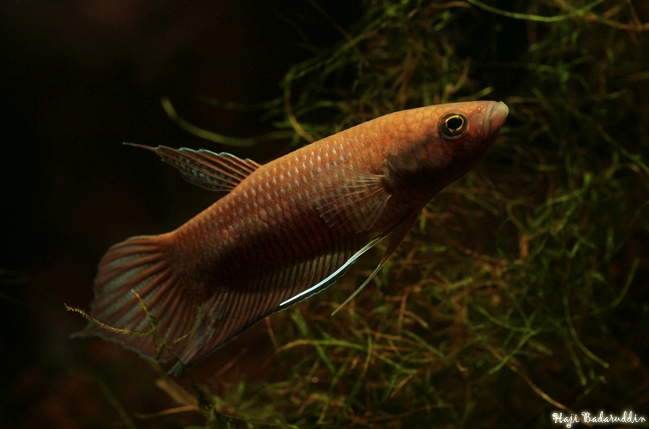
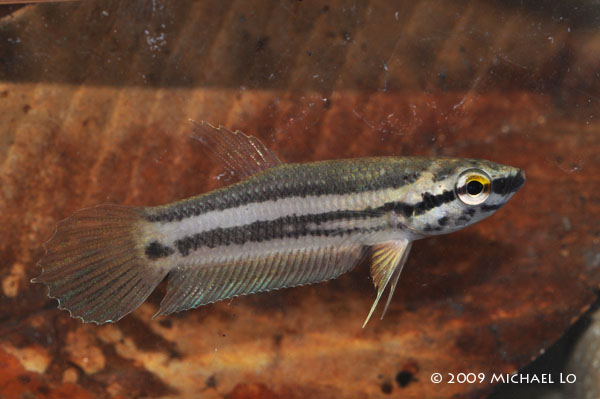
阿卡抟鱼(Betta akarensis)是由雄鱼口孵的野生斗鱼,来自婆罗洲。与常见展示型斗鱼的饲养印象不同,它更需要幽暗遮蔽、柔和水流和安静同伴,繁殖时还须给含卵雄鱼足够安宁。
分布与栖息地
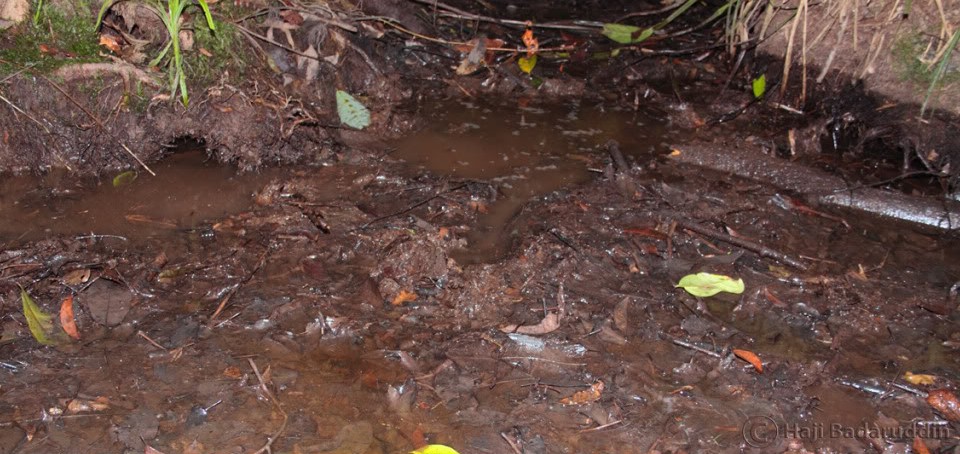
分布于文莱和马来西亚砂拉越,从文莱向南延伸至诗巫一带。多数采自林荫下的黑水环境,也见于清澈流溪、路边沟渠和较大池塘。黑水环境矿物质少,落叶、枝条和树根丰富;在清溪中也偏向安静岸边区域。
饲养环境
用沉木、根枝、陶盆或管道形成隐蔽处,落叶能增加遮蔽并支持微生物生长。灯光宜暗,可配耐阴植物与浮水遮蔽。软、偏酸且缓冲度低的水更适合,繁殖时尤其偏向低硬度。过滤宜柔和,气动海绵过滤即可。缸盖要严密防跳,水面上方留出温暖潮湿的空气层,不要把水加满。
食性与喂食
野外捕食昆虫和其他无脊椎动物,也可能吃极小鱼。缸中识别后通常接受干饲料,但应经常搭配水蚤、丰年虾、红虫或适口小昆虫。避免过量投喂,斗鱼容易发胖。
习性与混养
适合单种缸,或与非常安静的鱼谨慎混养,较大和过于活跃的同伴容易使它受压。足够遮蔽和视线隔断下可群养,但小争执难免,繁殖时雌鱼尤其可能防卫领地。
雌雄区分
雄鱼通常更大、鳍更长,头部和身体的虹彩鳞更多,头形也更粗壮,与口孵职责相应。
繁殖
雌鱼常主动求偶并驱赶入侵者,抱卵姿势后分批产卵,再由雌鱼拾卵吐出,交给雄鱼接入口中。雄鱼含护约十至二十一天后释放能自由游动的幼鱼,一窝可多达约六十条,育苗空间须提前考虑。
亲鱼吃幼鱼的经验有差异,有时可相处,有时整窝被吃。可在产卵数日后小心移走雌鱼和其他鱼,但不能惊扰含卵雄鱼,以免吞卵或提前吐出。幼鱼可直接吃微虫、丰年虾无节幼体,宜少量多样、每日两三次,避免单一过量丰年虾。使用严密缸盖保持湿暖空气,小量勤换水更合适。
补充说明
不同产地群体常保留产地标签,有助于维持清楚的来源记录和血系。迷鳃器官允许它呼吸空气,但幼鱼发育仍依赖水面上方湿暖环境。
图片
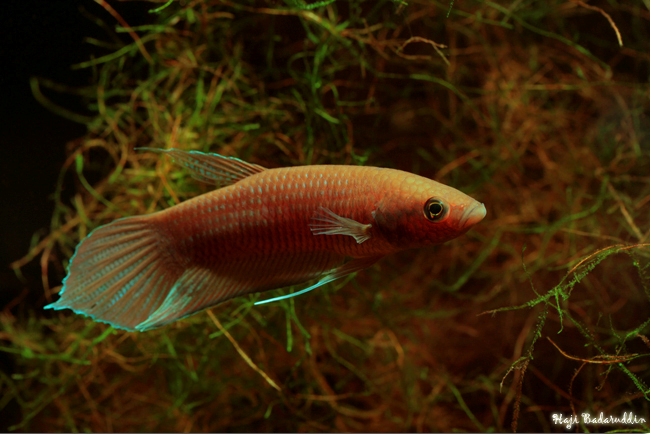
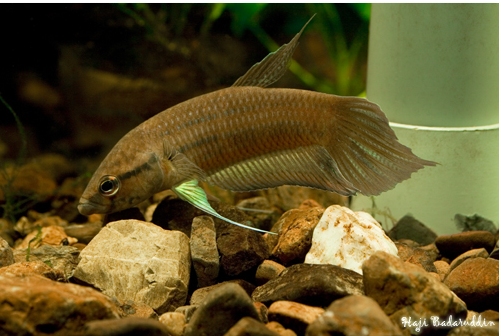
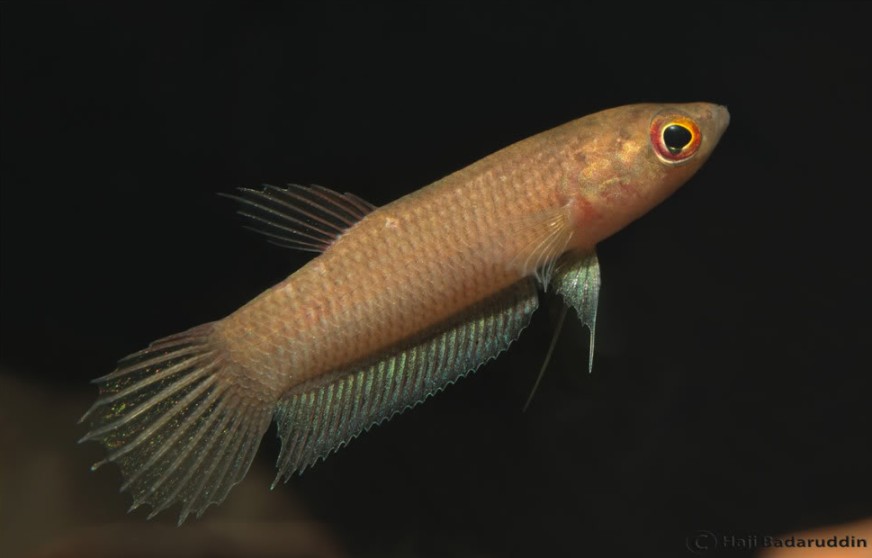
图片来自 SeriouslyFish,版权归各摄影者所有。
English
Overview
The Bornean Betta akarensis is a paternal mouthbrooder that benefits from shaded cover, gentle filtration, and quiet surroundings. Breeding care centers on protecting the incubating male from disturbance and preparing enough space for the resulting fry.
Distribution & habitat
Its range includes Brunei and Sarawak, extending south toward Sibu. Most collections come from shaded blackwater, although clear streams, roadside ditches, and larger ponds are also used. Leaf litter, branches, and roots dominate many low-mineral blackwater sites. In clearer flowing streams, fish favor quieter margins.
Aquarium setup
Arrange wood, roots, pots, or pipes into sheltered retreats. Dried leaves add cover and support microorganisms. Dim lighting, shade-tolerant plants, and floating vegetation suit the fish. Favor soft, acidic conditions, with particularly low hardness for breeding. Gentle air-powered filtration is appropriate. Secure the lid against jumping and leave a humid air space above the water.
Diet & feeding
Natural prey consists of insects and other invertebrates, with tiny fishes possibly included. Dry food is usually accepted after recognition, but regular live or frozen water fleas, brine shrimp, bloodworms, or small insects improve variety. Avoid overfeeding because obesity is a concern.
Behaviour & compatibility
A species aquarium or very quiet companions are preferable to a busy community. Large or vigorous fishes can intimidate it. Groups can coexist with abundant retreats and broken sight lines, although disputes occur. Breeding females may be particularly defensive.
Sexual dimorphism
Males grow larger, develop longer fins and stronger iridescence, and have a stockier head associated with carrying the brood.
Breeding
Females often initiate courtship and defend the spawning area. Eggs released during embraces are collected by the female and passed through the water to the male. He incubates them for about ten to twenty-one days before releasing free-swimming young. A brood can reach roughly sixty fry.
Parental predation varies between accounts. Some breeders remove the female and other fish a few days after laying, taking great care not to frighten the male into swallowing or releasing the brood. Young accept microworms and brine shrimp nauplii immediately. Offer small, varied meals several times daily rather than excessive amounts of one food. Tight cover maintains the warm, moist air needed for labyrinth development, and frequent small water changes are preferable to occasional large ones.
Notes
Preserving locality labels helps keep collection histories and bloodlines clear. Air-breathing ability does not remove the importance of the humid space above the water for developing fry.
来源
- https://www.seriouslyfish.com/species/betta-akarensis(抓取于 2026-10-10)
betta-akarensis · 文件: data/species/betta-akarensis.md · 状态: 草稿