光颚格斗鱼 · Java Combtail
概要
| 字段 | 值 |
|---|---|
| 类别 | 鱼 |
| 学名 | Belontia hasselti |
| 别名 | 光顎格鬥魚、Polyacanthus hasselti、Polyacanthus enthovenii、Polyacanthus kuhlii、Polyacanthus helfrichii |
| 分类 | 攀鲈目 Anabantiformes › 丝足鲈科 Osphronemidae › Belontia |
| 水体 | 淡水 |
| 原产地 | 泰国南部、马来半岛、新加坡及苏门答腊、婆罗洲、爪哇 |
| 成体体长 | 20 cm |
| 饲养难度 | 中等 |
| 最小水体 | 108 L |
| 最小缸长 | 120 cm |
| 群居方式 | 成对 |
| 水流偏好 | 低 |
| 外部数据 | seriouslyfish belontia-hasselti;fishbase 12032 |
| 食性 | 肉食 |
| 性情 | 攻击性 |
| 繁殖方式 | 吐泡筑巢 |
水质参数
| 参数 | 耐受范围 | 最适范围 | 单位 |
|---|---|---|---|
| 水温 | 21–26 | — | °C |
| pH | 4.5–8.5 | — | — |
| 总硬度 | 1–25 | — | dGH |
概述
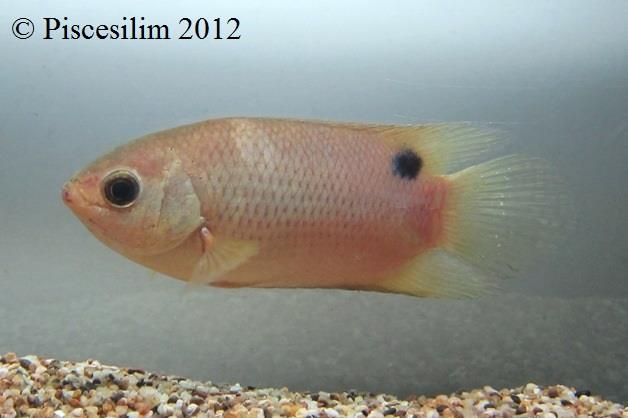
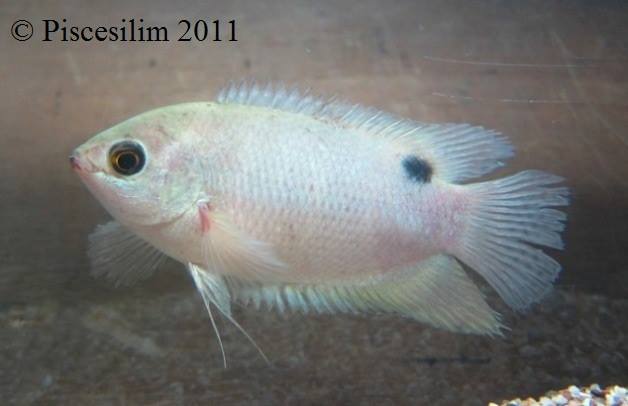
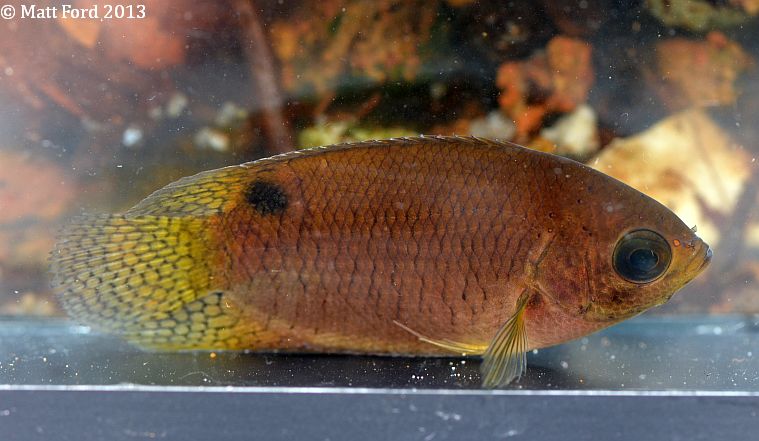
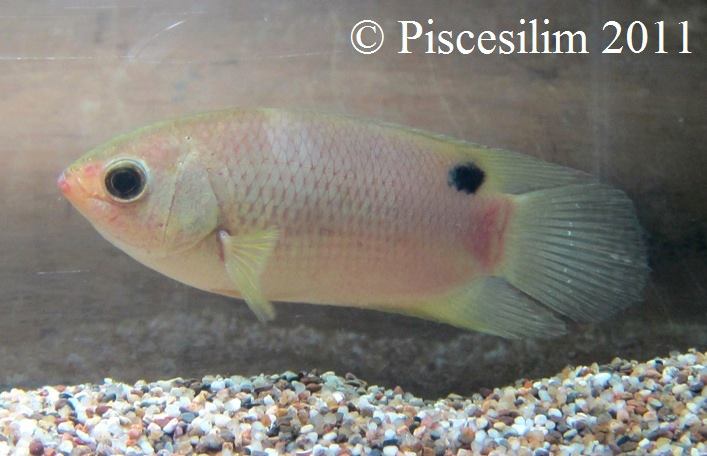
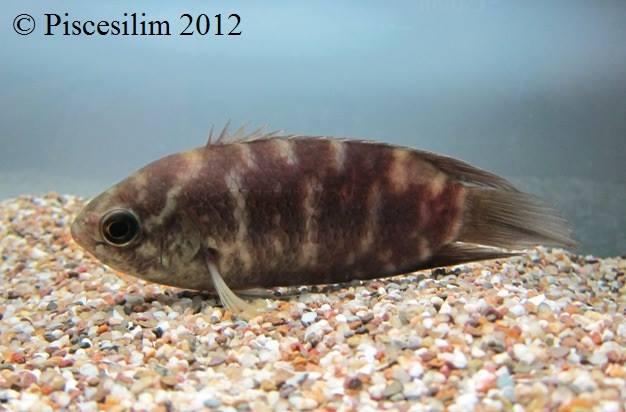
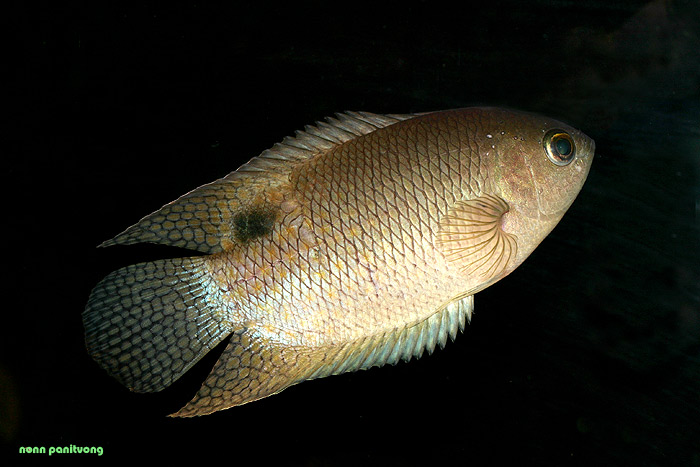
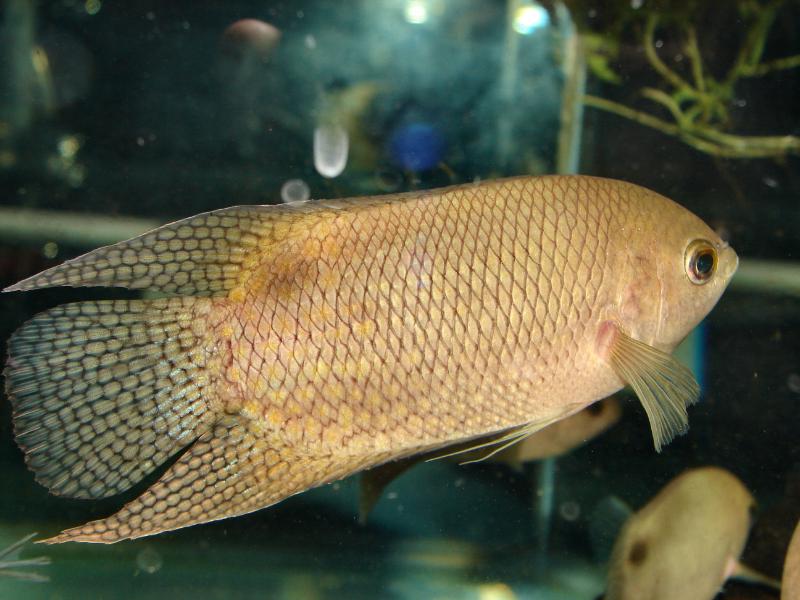
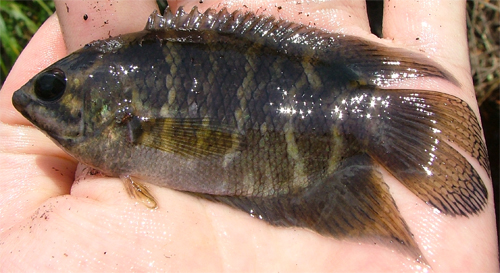
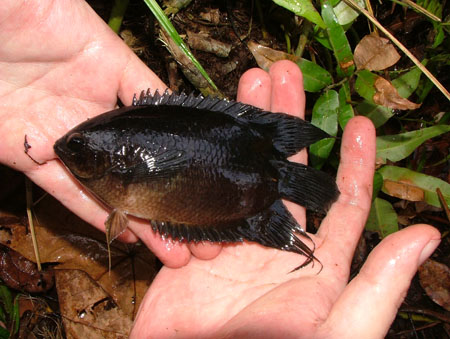
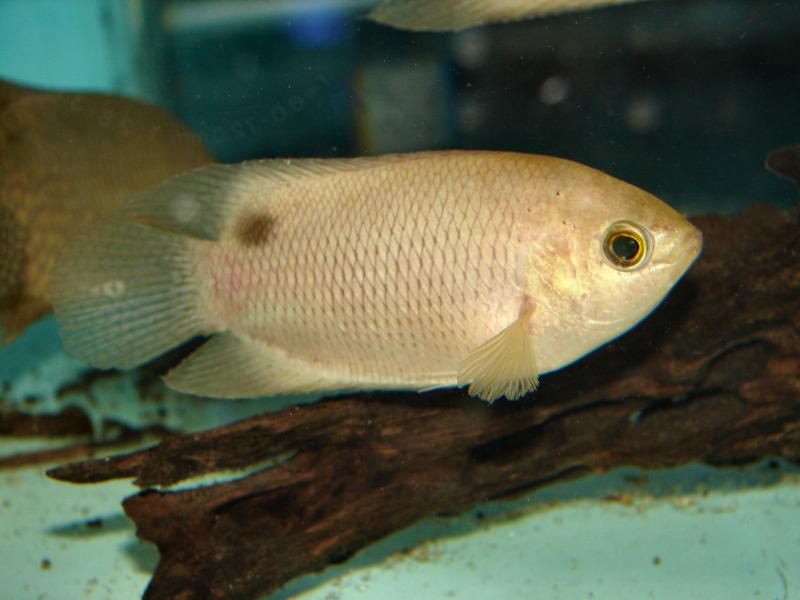
光颚格斗鱼(Belontia hasselti)是体型较大的迷鳃鱼,灰褐色身体和奇鳍上的镶嵌状花纹颇有特点。它不适合普通小型混养缸,同种之间尤其需要谨慎安排,新加入的个体甚至可能遭到致命攻击。
分布与栖息地
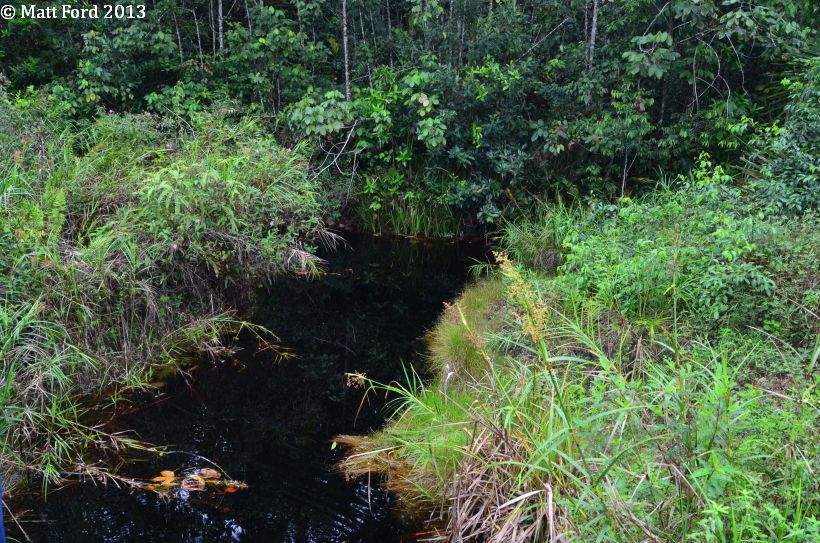
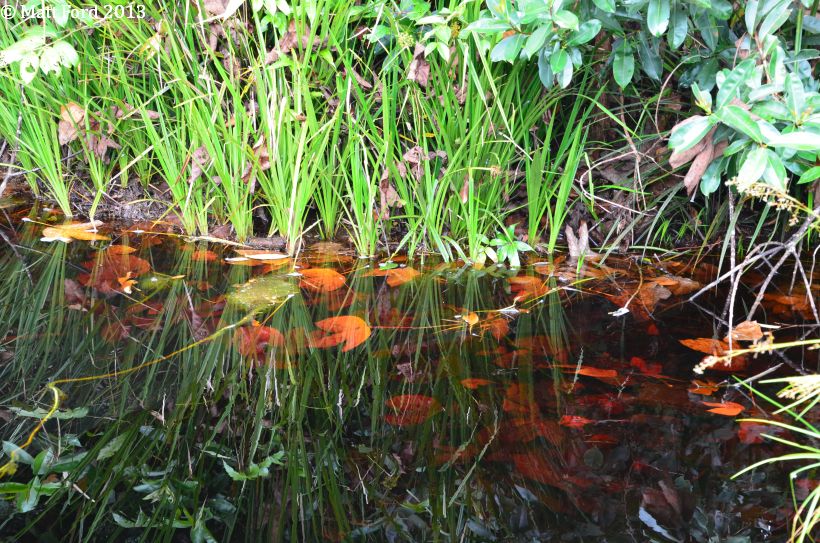
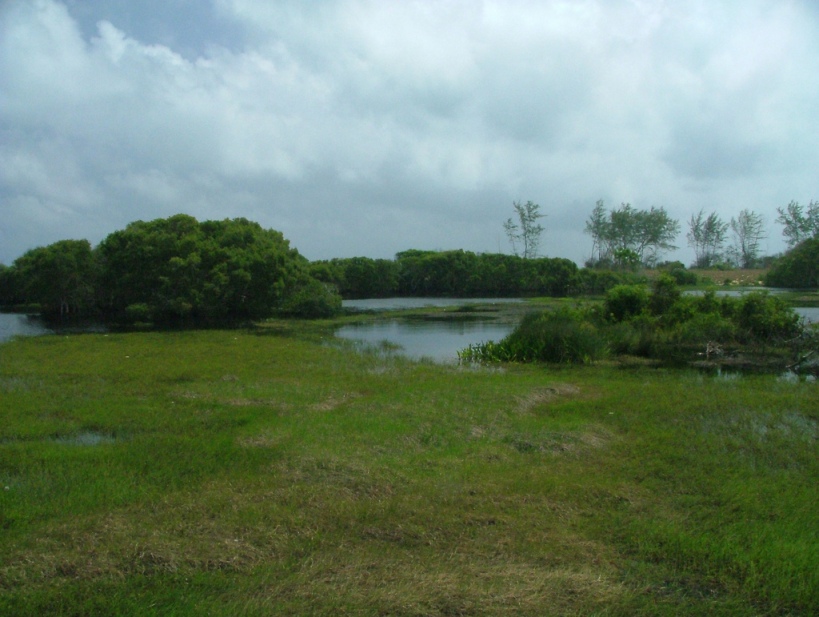
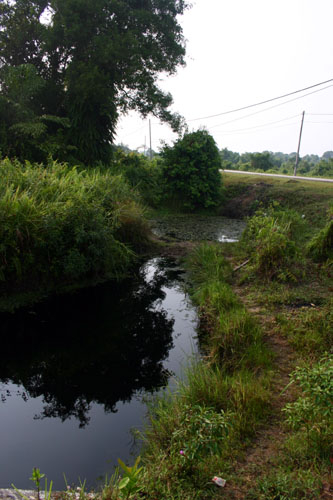
来自泰国南部、马来半岛、新加坡,以及苏门答腊、婆罗洲和爪哇;婆罗洲北部是否有分布尚不确定。主要生活在水流很缓的酸性森林泥炭沼泽,水受腐叶物质染成深褐色,矿物质含量很低,林冠遮蔽下常有枝条与落叶铺底。部分地区原生环境已受开发影响。
饲养环境
重点是足够空间、遮蔽和结构,可用柔软砂底、沉木根枝营造阴影与洞穴,也可放陶盆或管道。落叶既提供遮蔽,也能为微生物生长创造条件,帮助模拟黑水环境。使用较暗灯光与耐阴植物,浮水植物可进一步遮光。过滤水流不宜强,低密度饲养时以规律的小幅换水维持稳定,避免大幅波动。
食性与喂食
以动物性食物为主,野外食物包括无脊椎动物、软体动物和小鱼。缸中可喂蚯蚓、贝类等较大的活饵或冷冻饵,多数个体也能逐渐接受颗粒饲料。幼鱼可吃红虫、丰年虾,成鱼可能对过小食物不感兴趣。
习性与混养
普通社区缸并不合适,较大的环境才可考虑温和的中型群游鲤科鱼或健壮迷鳃鱼。小鱼有被吞食的风险。成鱼不群居,雄鱼常攻击同种,包括未进入繁殖状态的雌鱼;除非空间非常大,宜只养确认性别的一对,并密切观察相处状态。追加新鱼风险尤其高。
雌雄区分
成年雄鱼明显更大,背鳍、臀鳍和尾鳍更延长;幼鱼无法仅靠外观可靠分辨。
繁殖
属于雄鱼照护的泡巢繁殖型,产卵量似乎较大,具体操作和发育时间不宜作固定预期。
补充说明
迷鳃器官使它能够利用空气中的氧。辨识时灰褐体色与奇鳍镶嵌状斑纹可作为线索,不应与偏红且无这类花纹的近似种混淆。
图片
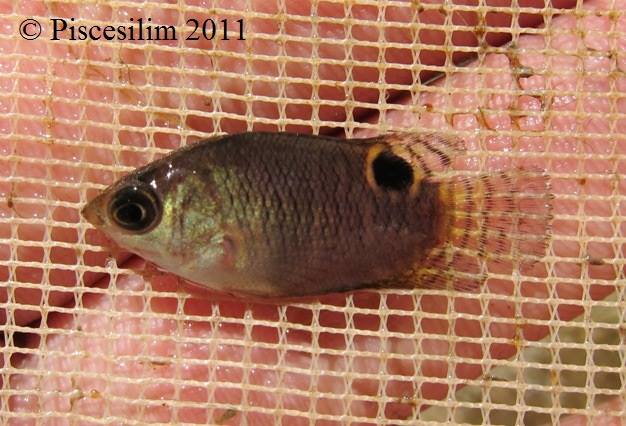
图片来自 SeriouslyFish,版权归各摄影者所有。
English
Overview
The large labyrinth fish Belontia hasselti is a poor fit for an ordinary small community. Its gray-brown body and patterned unpaired fins are distinctive, but its interactions with other combtails deserve more attention than appearance. Introducing a new individual can provoke severe, even fatal aggression.
Distribution & habitat
The range includes southern Thailand, Peninsular Malaysia, Singapore, Sumatra, Borneo, and Java, with occurrence in northern Borneo uncertain. Acidic forest peat swamps with little current are typical habitat. Shade, decomposing leaves and branches, dark tannin-stained water, and very low mineral content characterize many sites. Human development has altered some habitats.
Aquarium setup
Provide ample shelter and structure using wood, roots, caves, or suitable artificial retreats. Soft sand suits a naturalistic arrangement. Dried leaves add cover, support microorganisms, and contribute to blackwater conditions. Dim lighting, shade-tolerant plants, and floating cover are useful. Keep flow gentle and use regular modest water changes in lightly stocked aquariums rather than abrupt large changes.
Diet & feeding
Animal foods dominate the diet, including invertebrates, mollusks, and small fishes. Offer suitably large live or frozen foods such as earthworms and shellfish. Many fish eventually accept pellets. Bloodworms and brine shrimp suit younger individuals, whereas adults may ignore very small items.
Behaviour & compatibility
A larger aquarium may accommodate peaceful, medium-sized schooling cyprinids or robust labyrinth fishes. Tiny companions risk being eaten. Adults are not social in the juvenile sense: males commonly attack their own kind, including unreceptive females. Unless space is exceptional, limit the setup to a sexed pair and monitor their relationship closely. New additions require particular caution.
Sexual dimorphism
Adult males are larger with longer unpaired fins. External sexing of juveniles is unreliable.
Breeding
Males build bubble nests and provide parental care. Egg production appears substantial, but precise reproductive details are limited.
Notes
The labyrinth organ permits supplementary air breathing. Gray-brown coloration and mosaic-like fin patterning are useful features when separating this species from reddish, differently patterned relatives.
来源
- https://www.seriouslyfish.com/species/belontia-hasselti(抓取于 2026-10-10)
belontia-hasselti · 文件: data/species/belontia-hasselti.md · 状态: 草稿