Batasio fluviatilis
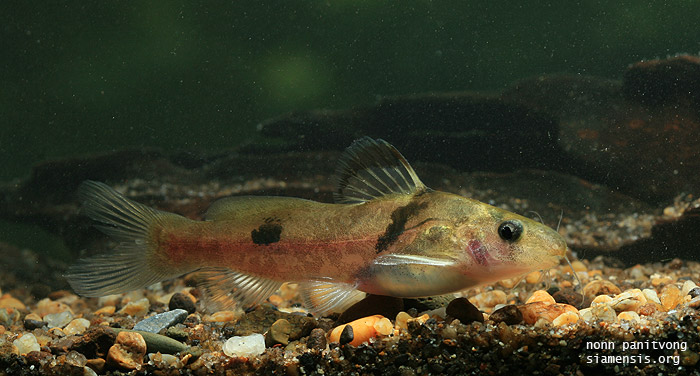
概要
| 字段 | 值 |
|---|---|
| 类别 | 鱼 |
| 学名 | Batasio fluviatilis |
| 分类 | 鲶形目 Siluriformes › 鲿科 Bagridae › Batasio |
| 水体 | 淡水 |
| 原产地 | 泰国南部、马来西亚半岛 |
| 成体体长 | 7.2 cm |
| 饲养难度 | 中等 |
| 最小水体 | 108 L |
| 最小缸长 | 120 cm |
| 群居方式 | 群游 |
| 外部数据 | seriouslyfish batasio-fluviatilis;fishbase 65818 |
| 繁殖方式 | 散卵 |
水质参数
| 参数 | 耐受范围 | 最适范围 | 单位 |
|---|---|---|---|
| 水温 | 16–24 | — | °C |
| pH | 6–7 | — | — |
| 总硬度 | 1–12 | — | dGH |
概述
Batasio fluviatilis 是来自马来半岛的小型急流鲿科鱼。条件合适时饲养并不特别困难,但洁净水质、溶氧和水流缺一不可,普通静水混养缸并非合适选择。
分布与栖息地
模式产地位于泰国南部洛坤府,已知范围还包括克拉地峡以南其他泰国及马来西亚半岛地点。同属鱼生活在溪流源头和小河上游的浅水急流,砂砾、岩块与裸岩交错,岸边植被和局部落叶层常见,沉水植物较少。
饲养环境
用砾石、大小石块及水磨大石模拟溪流底部,沉木枝根和附生水草增加遮蔽。它不耐有机污染,过滤与造流应维持充足溶氧、持续水流,每周换水 30–50%。即使野外暴雨后偶有浑水,缸内也不应让废物长期积累。
食性与喂食
可能以小型水生甲壳类、蠕虫、昆虫幼体等为天然食物。人工应以小型活饵、冷冻红虫、水蚯蚓和丰年虾等为主。部分个体接受沉底饲料,新到的野生鱼则可能需要先用活饵或冷冻饵适应。
习性与混养
不擅长与强势鱼竞争,应避开大型或好斗伙伴。体形相称的温和群居鲤科鱼较合适;底层可考虑习性匹配的小型溪流鲶鱼和部分吸鳅。其他鳅类不能仅凭名称或幼鱼体形判断,需留意成体大小与领地争执。
雌雄区分
雄鱼臀鳍前有清楚可见、细长的生殖乳突。
繁殖
已有人工繁殖成功记录,卵随机散落,约两天孵化。亲鱼进入繁殖状态后,一次或多次使用偏凉水换掉 50–70% 缸水,可能有诱发作用;应把它理解为可尝试的刺激条件,而非必然产卵的保证。
图片
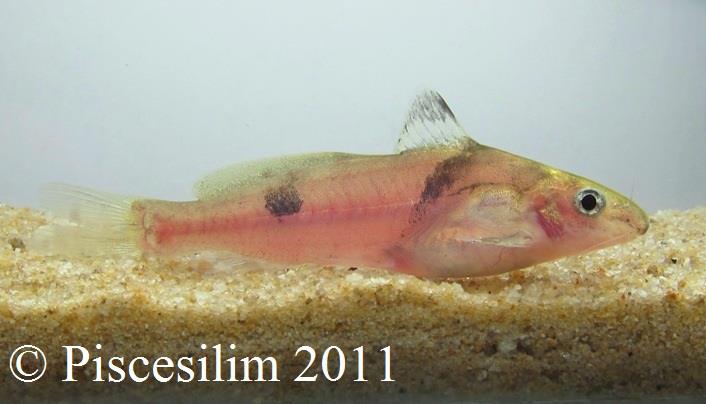
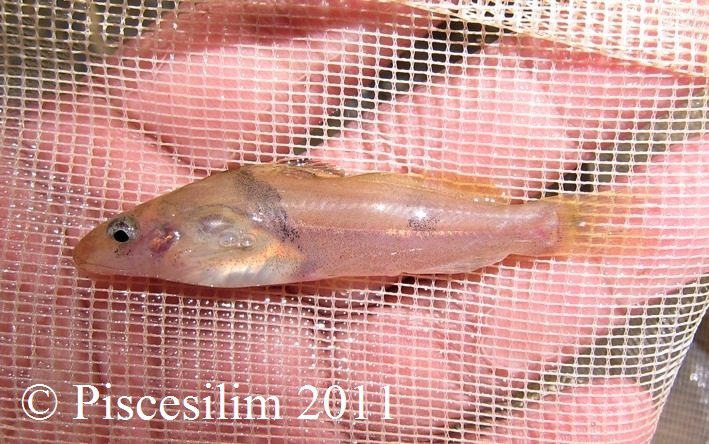
图片来自 SeriouslyFish,版权归各摄影者所有。
English
Overview
A small catfish of the Malay Peninsula, Batasio fluviatilis can be manageable when its stream requirements are met. Clean water, oxygen, and circulation are essential, making an ordinary still-water community an unsuitable default.
Distribution & habitat
Known localities lie south of the Isthmus of Kra in Thailand and Peninsular Malaysia, including the type area in Nakhon Si Thammarat. Typical habitat for the genus is shallow headwater flow over gravel, sand, and rock, with bankside vegetation and patches of leaves but little submerged plant growth.
Aquarium setup
Build a stream-style floor of gravel, varied stones, and worn boulders, with roots and attached plants for cover. Organic pollution is poorly tolerated. Maintain oxygen and water movement with effective filtration and circulation, changing 30–50% each week. Temporary storm turbidity in nature does not justify accumulated waste in captivity.
Diet & feeding
Small aquatic crustaceans, worms, and insect larvae are likely natural foods. Base captive feeding largely on small live or frozen items such as bloodworms, Tubifex, and Artemia. Sinking preparations are sometimes accepted, though newly imported wild fish may initially require other foods.
Behaviour & compatibility
Avoid aggressive or much larger fishes because this catfish is not a strong competitor. Peaceful schooling cyprinids of suitable size are good candidates. Compatible small stream catfish and certain hillstream loaches can share the lower level; assess other loaches by eventual size and territorial behavior.
Sexual dimorphism
Males have a conspicuous elongated genital papilla immediately ahead of the anal fin.
Breeding
Captive breeding has succeeded. Eggs are dispersed without a fixed site and hatch in roughly two days. Once adults are in spawning condition, one or more 50–70% changes using cooler water may act as a stimulus. This is a possible trigger, not a guarantee.
来源
- https://www.seriouslyfish.com/species/batasio-fluviatilis(抓取于 2026-10-10)
batasio-fluviatilis · 文件: data/species/batasio-fluviatilis.md · 状态: 草稿