Baryancistrus demantoides · Green Phantom Pleco
概要
| 字段 | 值 |
|---|---|
| 类别 | 鱼 |
| 学名 | Baryancistrus demantoides |
| 别名 | L200 |
| 分类 | 鲶形目 Siluriformes › 骨甲鲶科 Loricariidae › Baryancistrus |
| 水体 | 淡水 |
| 原产地 | 委内瑞拉 |
| 成体体长 | 15.1 cm |
| 饲养难度 | 中等 |
| 最小水体 | 243 L |
| 最小缸长 | 120 cm |
| 群居方式 | 独居 |
| 外部数据 | seriouslyfish baryancistrus-demantoides;fishbase 62498 |
| 领地性 | 是 |
| 繁殖方式 | 附着产卵 |
水质参数
| 参数 | 耐受范围 | 最适范围 | 单位 |
|---|---|---|---|
| 水温 | 26–30 | — | °C |
| pH | 5.5–7.5 | — | — |
| 总硬度 | 1–10 | — | dGH |
概述
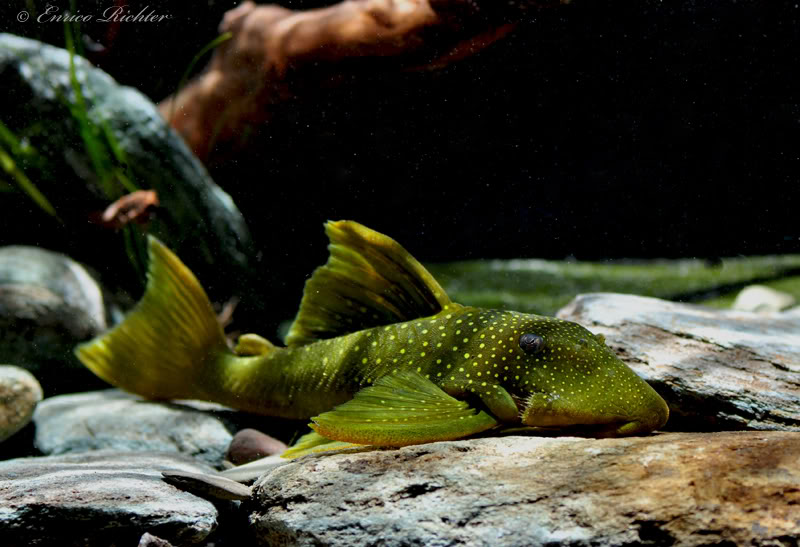
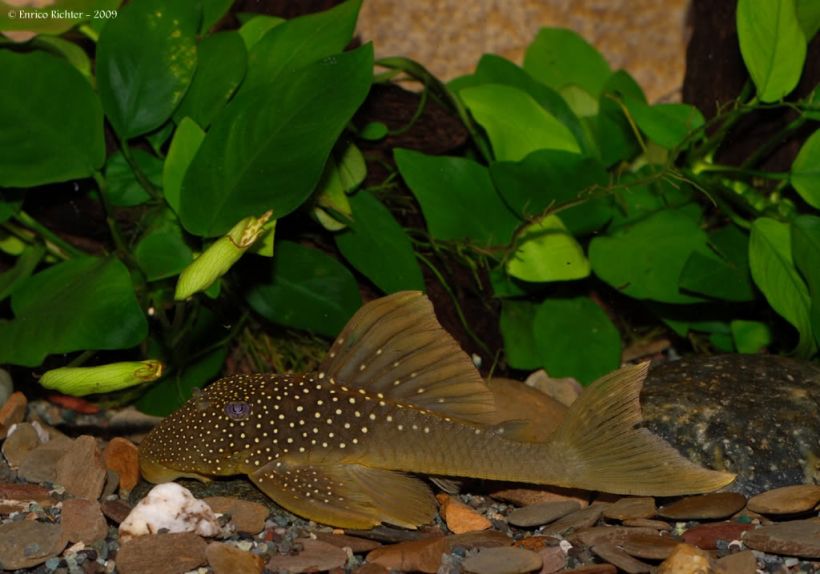
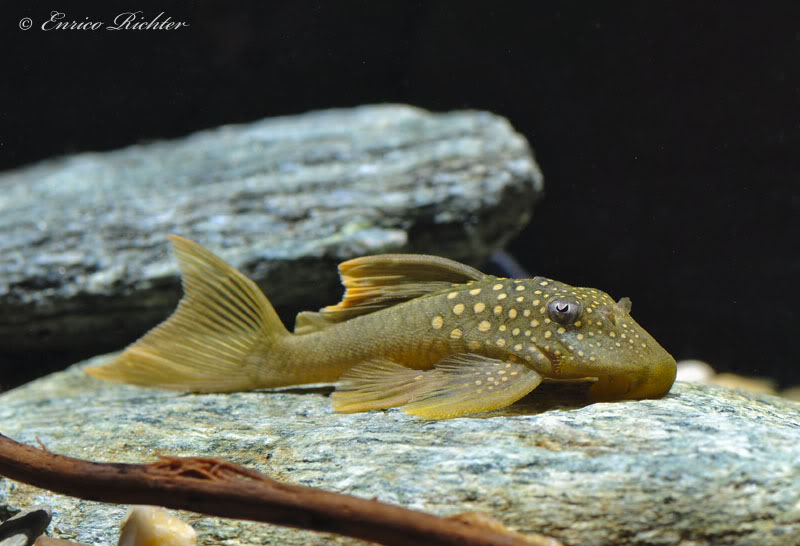
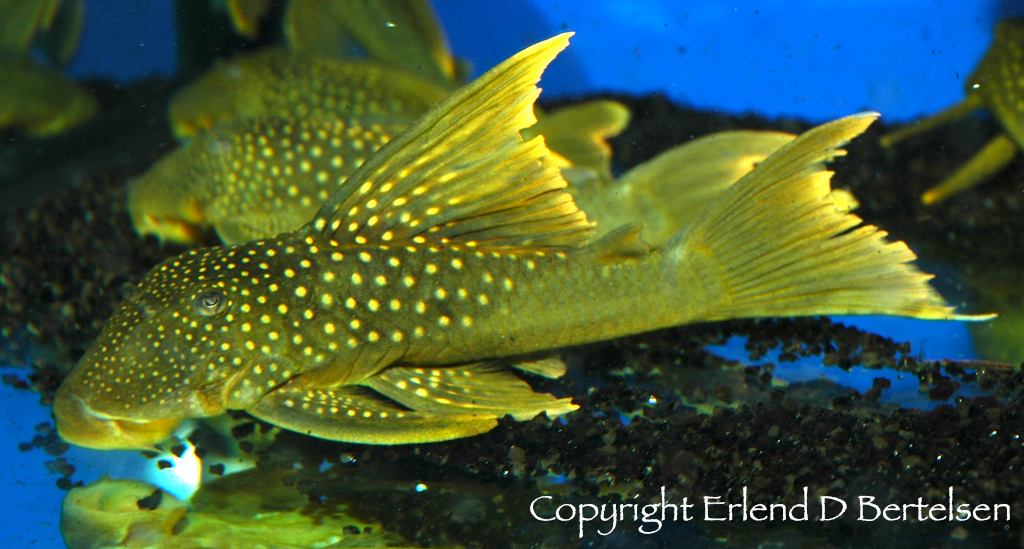
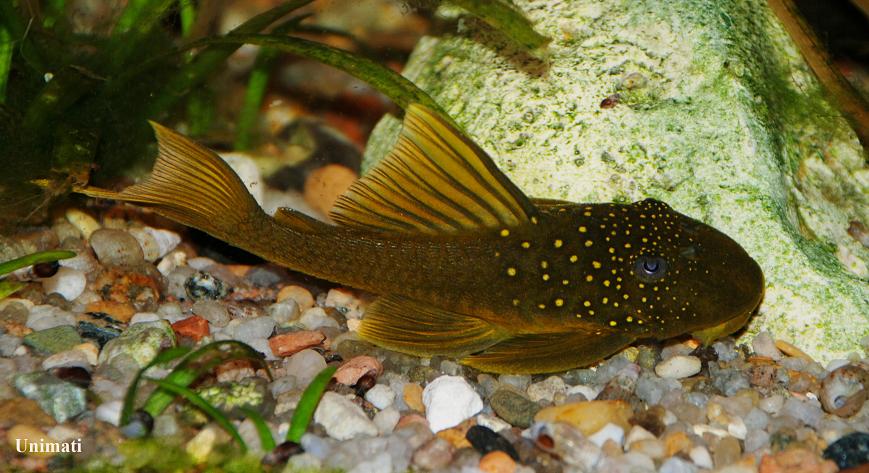
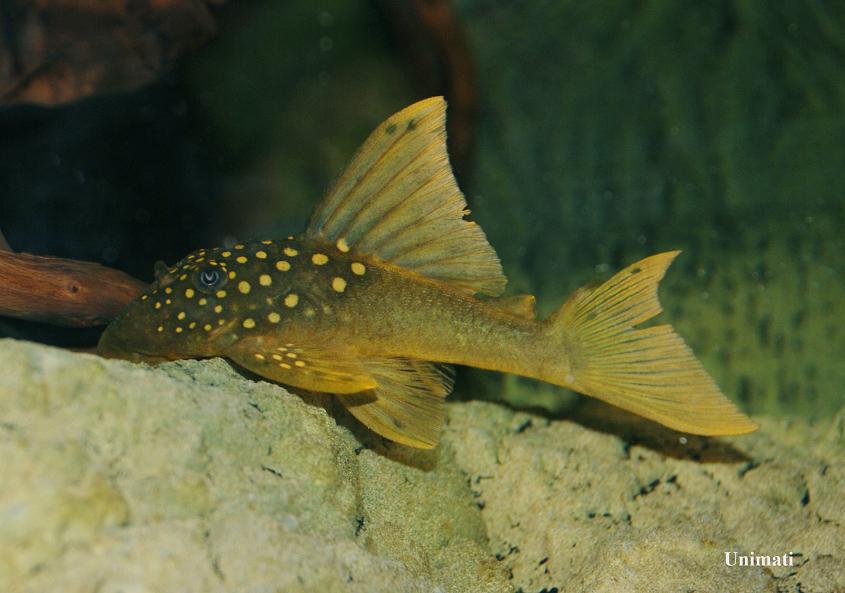
Baryancistrus demantoides 常被称作高鳍 L200,橄榄绿至黄绿底色,头部及前半身有浅斑。L200 也用于另一相似种,购入时应核对背鳍与脂鳍之间的膜,不能只认编号。
分布与栖息地
仅知于委内瑞拉亚马孙州文图阿里河与奥里诺科河交汇附近,并沿文图阿里河下游延伸至瓜普奇河汇入处。鱼在花岗岩岩床和巨石之间的缝隙采到。
饲养环境
缸底至少约 120 × 45 cm。用不同大小的石块、砂、细砾与圆石模拟溪流,沉木、根系及附生结实水草补充遮蔽。较强灯光促进附着生物生长,为鱼提供刮食表面。
需要温暖、富氧、流动充分的水体,不能让有机废物积累。每周换约 40%~70% 水,过滤与造流应配合。新进口同属鱼可能消瘦或状态不佳,需要隔离适应,初期可能每日多餐。
食性与喂食
野生肠内容物为有机物与矿物混合物,能辨认出丝状藻;因此推测通过刮取附着生物及沉积物进食,并非已明确完整营养组成。缸内保留可刮食表面,搭配含植物成分的沉底粮、果蔬、适量红虫等,偶尔给解冻虾肉。混合植物及动物食材的凝胶饵也可使用。
习性与混养
幼鱼较温和,成雄随年龄增长会越来越排斥同种,对被视为领地竞争者的鱼也会攻击。伙伴宜使用不同活动区域,多尾共养需大空间、独立领域及充分视线遮挡。
雌雄区分
成熟雄鱼头部更宽且略平,胸鳍棘也比雌鱼长。
繁殖
已有人工繁殖记录。卵在洞中产下并受精,产后雌鱼被驱离,由雄鱼护卵育幼,直到幼鱼自由游动。大空间、良好溶氧和充足营养可能是成功条件,但不能保证产卵。
补充说明
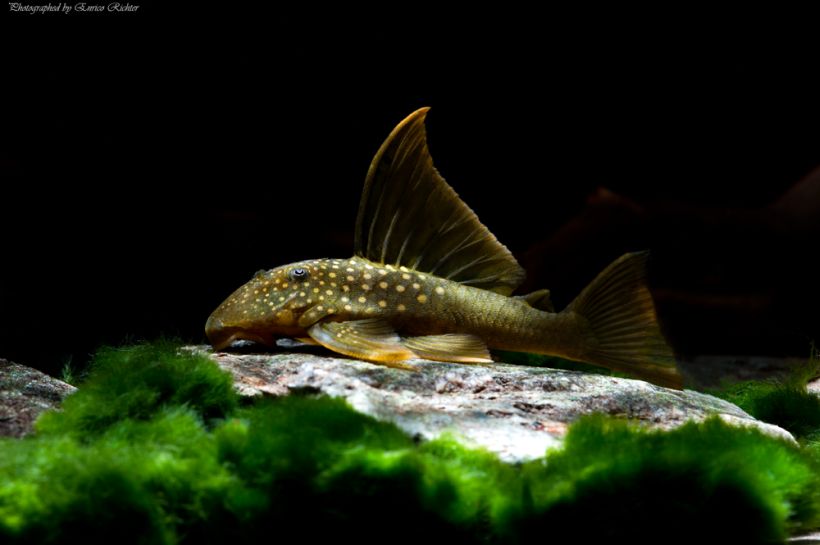
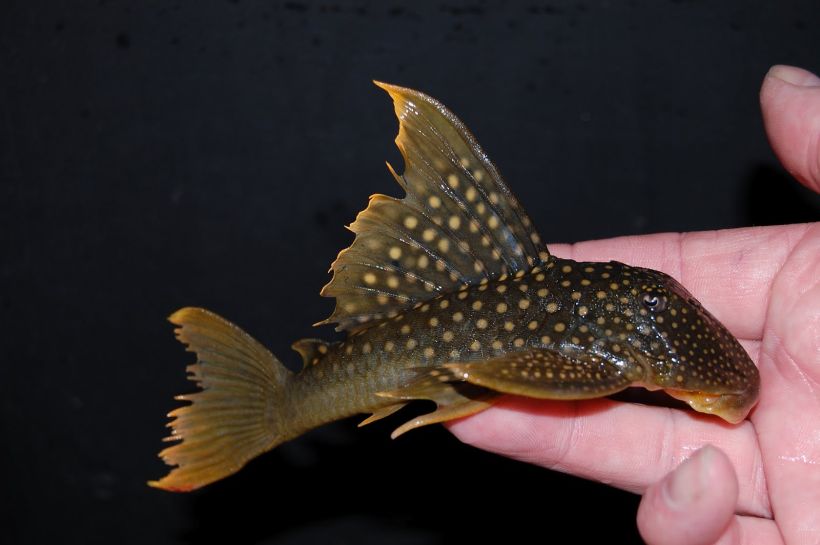
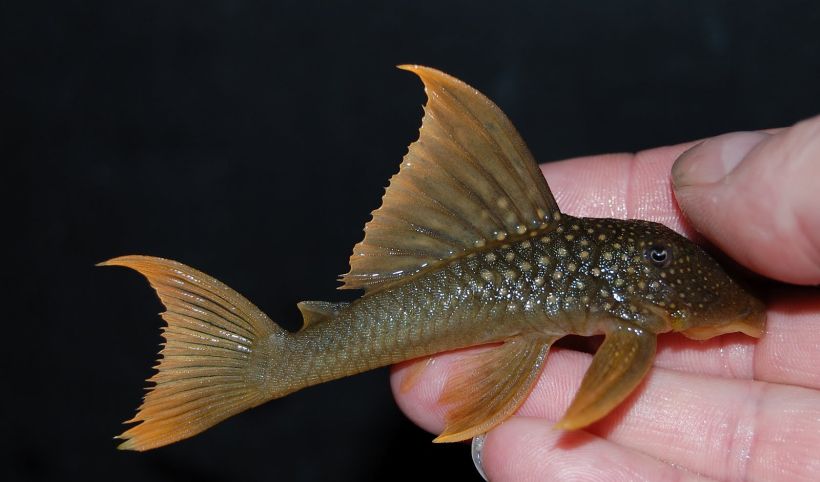
相似的低鳍 L200(Hemiancistrus subviridis)与本种同域。本种背鳍棘较长,背鳍后方扩展膜与脂鳍相接,是比销售价格更有意义的辨识依据。
图片
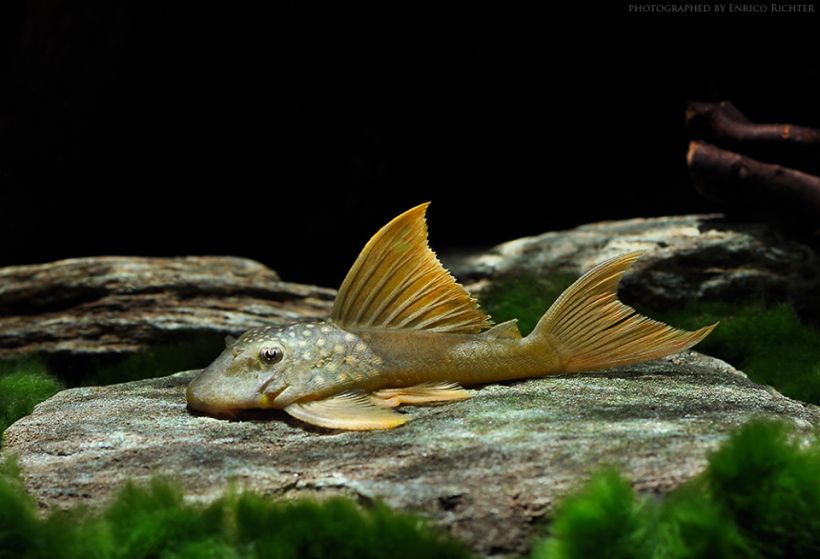
图片来自 SeriouslyFish,版权归各摄影者所有。
English
Overview
Baryancistrus demantoides is often sold as high-fin L200. Its olive to yellowish body carries pale spots over the head and front half. Because L200 is shared with a similar species, examine fin structure rather than relying on the code.
Distribution & habitat
Known records center on the Ventuari–Orinoco confluence in Venezuela's Amazonas State, extending along the lower Ventuari to the Guapuchi inflow. Fish occupy gaps between granite bedrock and boulders.
Aquarium setup
Allow at least a 120 × 45 cm footprint. Combine differently sized rocks, sand, gravel, and rounded boulders, with wood, roots, and hardy attached plants for additional shelter. Brighter light encourages natural grazing growth.
Maintain warm, well-oxygenated water with substantial movement. Prevent organic accumulation and change approximately 40–70% weekly. Imported members of the genus may need quarantine and extended acclimation, sometimes with several meals daily while recovering condition.
Diet & feeding
Wild gut samples contained mixed organic and mineral material, with filamentous algae identifiable. Scraping periphyton and sediment is inferred from this evidence; the complete nutritional composition is not established. Provide grazing surfaces and supplement with vegetable-containing sinking food, fruit or vegetables, moderate bloodworm meals, and occasional thawed shrimp meat. Mixed gel foods are another option.
Behaviour & compatibility
Juveniles are comparatively tolerant. Adult males become increasingly hostile toward conspecifics and other perceived territorial competitors. Companions using different areas are preferable. Groups require a large aquarium with separate territories and visual barriers.
Sexual dimorphism
Mature males develop broader, somewhat flatter heads and longer pectoral-fin spines.
Breeding
Aquarium breeding has succeeded. Eggs are deposited and fertilized inside a cave, after which the female is excluded. The male tends the brood until fry swim independently. Ample space, oxygen, and nutrition are considered important, without guaranteeing spawning.
Notes
The sympatric Hemiancistrus subviridis shares the L200 label. A longer dorsal spine and enlarged membrane linking the dorsal region to the adipose fin distinguish this fish more meaningfully than price or trade wording.
来源
- https://www.seriouslyfish.com/species/baryancistrus-demantoides(抓取于 2026-10-10)
baryancistrus-demantoides · 文件: data/species/baryancistrus-demantoides.md · 状态: 草稿