佐氏平鳍鳅
概要
| 字段 | 值 |
|---|---|
| 类别 | 鱼 |
| 学名 | Balitoropsis zollingeri |
| 别名 | 马克辛平鳍鳅、佐氏平鰭鰍、馬克辛平鰭鰍、Homaloptera nigra、Balitoropsis bartschi、Homaloptera zollingeri、Homaloptera javanica、Homaloptera maxinae |
| 分类 | 鲤形目 Cypriniformes › 爬鳅科 Balitoridae › Balitoropsis |
| 水体 | 淡水 |
| 原产地 | 柬埔寨、印度尼西亚、老挝、马来西亚、泰国 |
| 成体体长 | 7 cm |
| 饲养难度 | 中等 |
| 最小水体 | 54 L |
| 最小缸长 | 60 cm |
| 群居方式 | 群游 |
| 水流偏好 | 高 |
| 特征 | 会跳缸: 是 |
| 外部数据 | seriouslyfish balitoropsis-zollingeri;fishbase 22967 |
水质参数
| 参数 | 耐受范围 | 最适范围 | 单位 |
|---|---|---|---|
| 水温 | 20–25.5 | — | °C |
| pH | 6–7.5 | — | — |
| 总硬度 | 1–12 | — | dGH |
概述
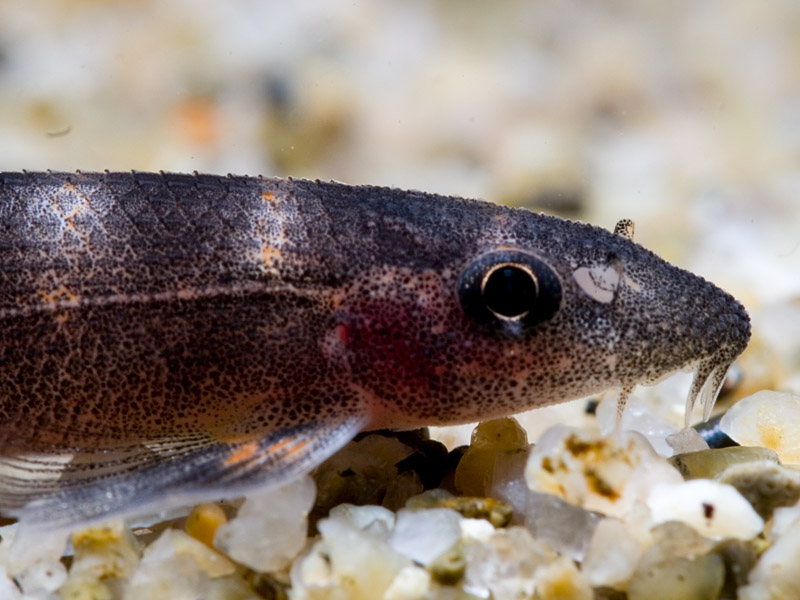
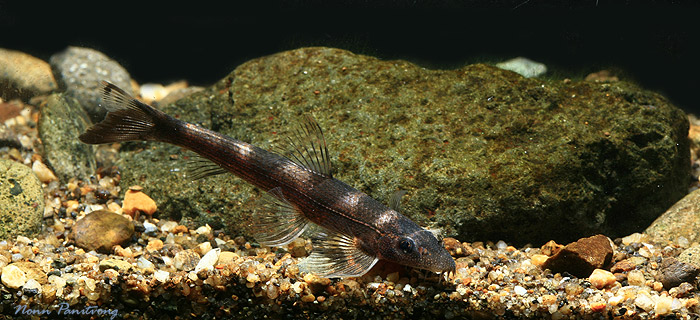
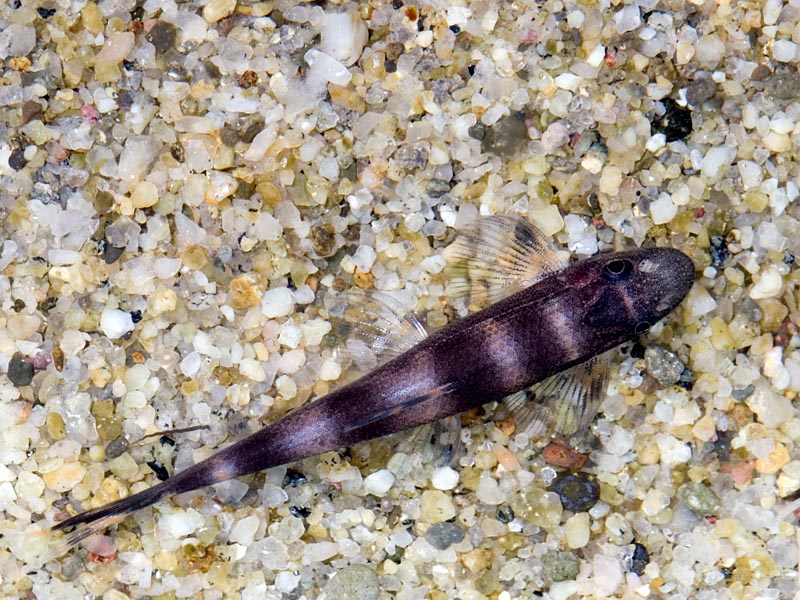
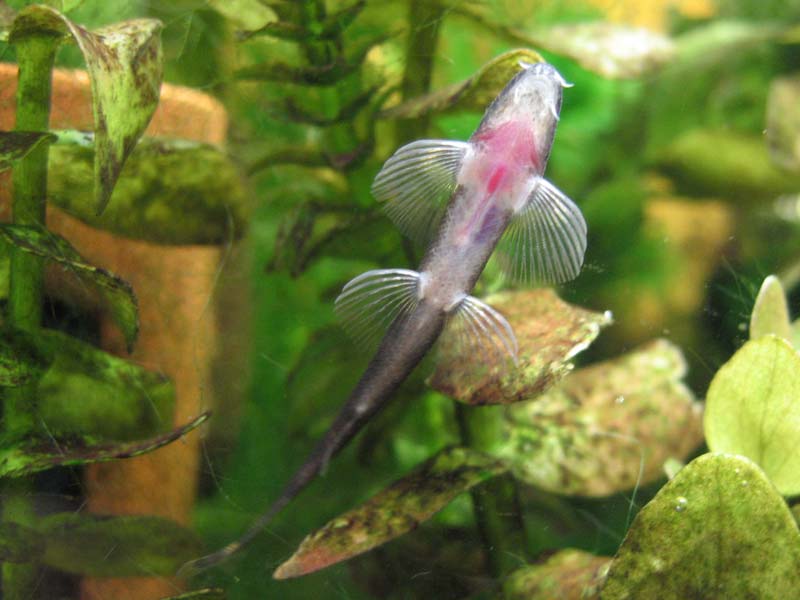
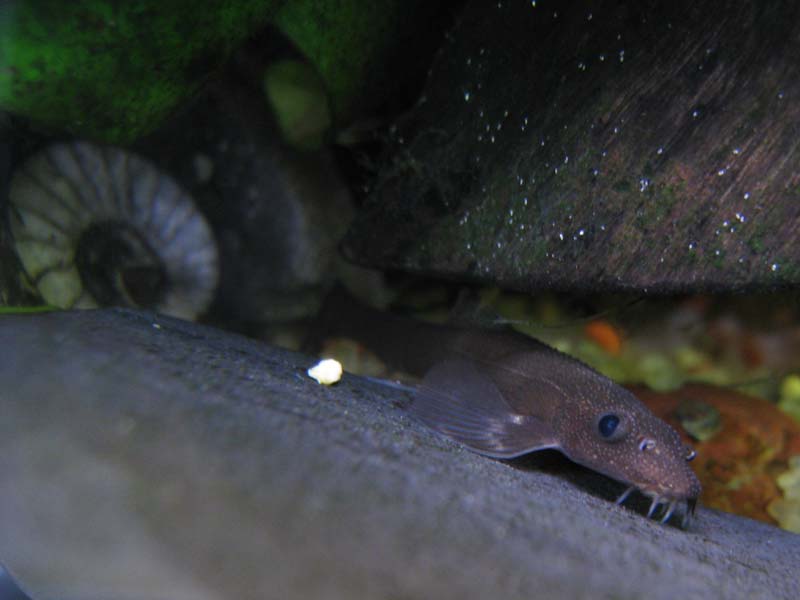
佐氏平鳍鳅(Balitoropsis zollingeri)是依赖富氧流水的爬鳅,身体扁平、偶鳍横向展开,沿石面爬行和短距离跳移比持续悬游更常见。它较内向,结伴并提供多处休息面有助自然活动。
分布与栖息地
从爪哇、苏门答腊、婆罗洲、马来半岛到泰国及老挝、柬埔寨的湄公河流域均有记录。成鱼生活在石质急滩和浅流,幼鱼较常出现在流速较慢、有砾石和淹没树根的位置。河岸植被通常发达,水草仅零星存在。
饲养环境
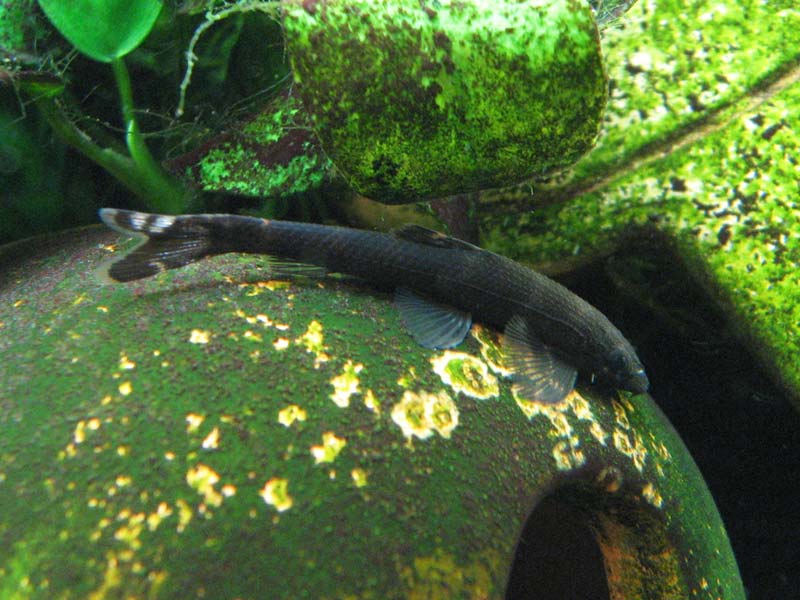
长期底面积至少参考 60 × 30 厘米。砂砾底铺大小圆石,沉木根枝和耐受的附生植物都可用,它也喜欢停在叶片上。使用强过滤并按需增氧造流,每小时循环可参考水体的 10–15 倍。只入成熟稳定的缸,定期部分换水,保留石面附着物;缸盖必须贴合,因为它能攀玻璃。
食性与喂食
可参考同属刮食生物膜和微小无脊椎动物的方式,缸内持续提供长有附着物的石面。部分下沉干粮可能接受,但仍需定期喂水蚤、丰年虾、红虫等活饵或冷冻饵。瘦弱个体先放在竞争少、食物容易取得的环境恢复。
习性与混养
不是好斗鱼,但伙伴要适应相同的流水和溶氧条件,相似爬鳅间也可能有小争执。建议六尾以上同养,单尾或两三尾时较容易退缩,即使成群也属于相对含蓄的类型。
雌雄区分
成熟雌鱼通常稍大,身体更丰满。
补充说明
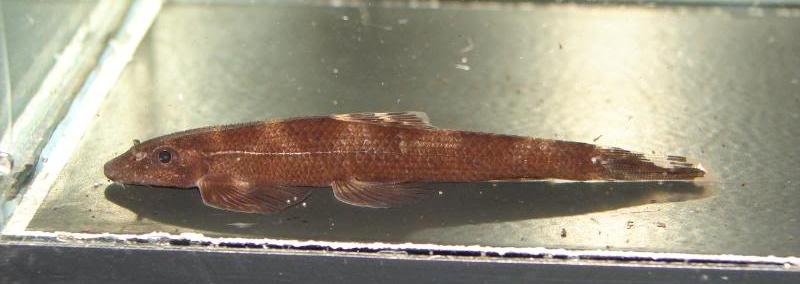
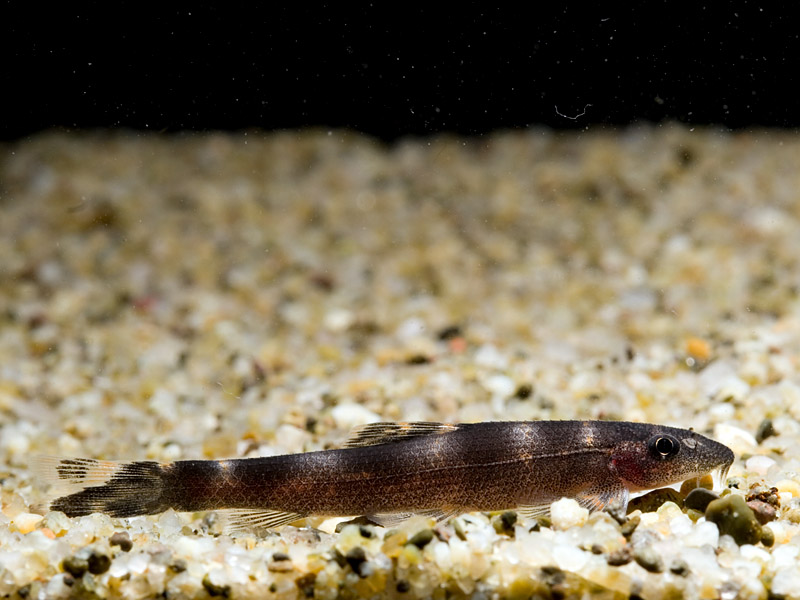
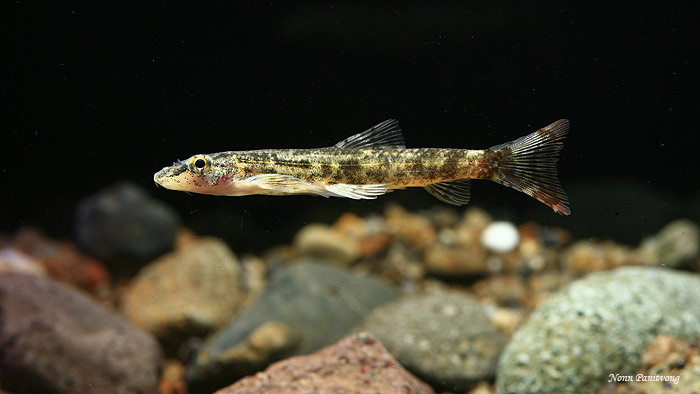
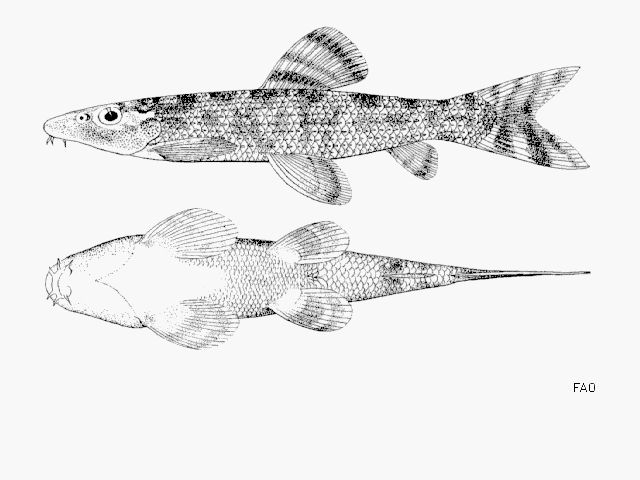
尾鳍大部分较暗、上叶有浅区及黑带,可结合整体形态辨认。与其他“蜥蜴鳅”混售时,商品名不能代替物种核对。
图片
图片来自 SeriouslyFish,版权归各摄影者所有。
English
Overview
A current-adapted loach, Balitoropsis zollingeri uses its flattened form and spread paired fins to move across hard surfaces. It is relatively retiring, so a group and many resting places encourage more natural activity.
Distribution & habitat
Records extend across the Sunda islands and Malay Peninsula into Thailand and the Mekong basin of Laos and Cambodia. Adults occupy rocky riffles and runs, while juveniles often use slower stretches with gravel and submerged roots. Riparian vegetation is usually better developed than aquatic planting.
Aquarium setup
Provide at least a 60 by 30 cm footprint with rounded rocks over sand or gravel. Wood and hardy attached plants add retreats, and leaves can serve as resting surfaces. Strong filtration plus supplemental aeration or circulation should support the suggested turnover of 10–15 tank volumes per hour. Use mature stable water, retain biofilm during maintenance, and secure the cover against climbing.
Diet & feeding
Genus-level feeding accounts describe grazing biofilm and tiny invertebrates. Supply established surfaces along with regular live or frozen meals. Some sinking dry foods may be accepted, but should not replace suitable small prey. Thin arrivals need accessible food without competition during recovery.
Behaviour & compatibility
Aggression is limited, though similar loaches may squabble and all companions must fit the water conditions. Six or more are recommended; solitary fish or pairs and trios are less confident. Even a group can remain comparatively reserved.
Sexual dimorphism
Mature females are usually a little larger and fuller-bodied.
Notes
The largely dark tail with a pale upper-lobe region and dark bands contributes to identification. Mixed lizard-loach sales labels should not replace examination of the fish itself.
来源
- https://www.seriouslyfish.com/species/balitoropsis-zollingeri(抓取于 2026-10-10)
balitoropsis-zollingeri · 文件: data/species/balitoropsis-zollingeri.md · 状态: 草稿