大刺唇齿鲿 · Black Lancer
概要
| 字段 | 值 |
|---|---|
| 类别 | 鱼 |
| 学名 | Bagrichthys macracanthus |
| 别名 | 大刺唇齒鱨 |
| 分类 | 鲶形目 Siluriformes › 鲿科 Bagridae › Bagrichthys |
| 水体 | 淡水 |
| 原产地 | 印度尼西亚苏门答腊,其他传统分布记录存疑 |
| 成体体长 | 23 cm |
| 饲养难度 | 入门 |
| 最小水体 | 243 L |
| 最小缸长 | 120 cm |
| 群居方式 | 独居 |
| 性情 | 温和 |
| 外部数据 | seriouslyfish bagrichthys-macracanthus;fishbase 16161 |
| 特征 | 夜行性: 是 |
| 领地性 | 是 |
水质参数
| 参数 | 耐受范围 | 最适范围 | 单位 |
|---|---|---|---|
| 水温 | 24–28 | — | °C |
| pH | 5.5–7 | — | — |
| 总硬度 | 1–15 | — | dGH |
概述
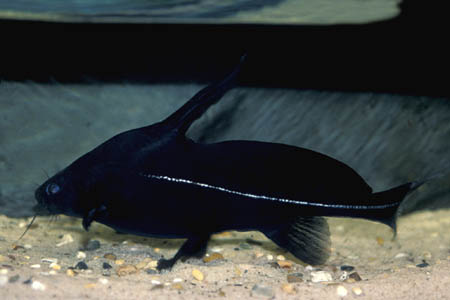
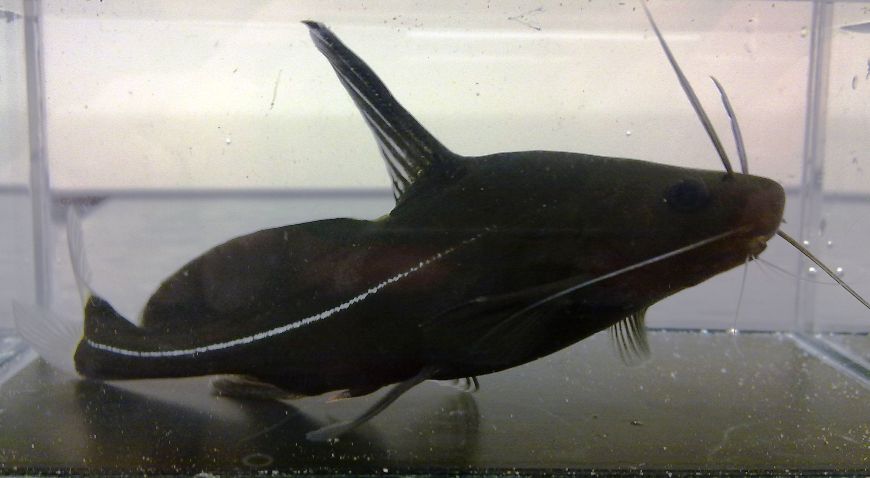
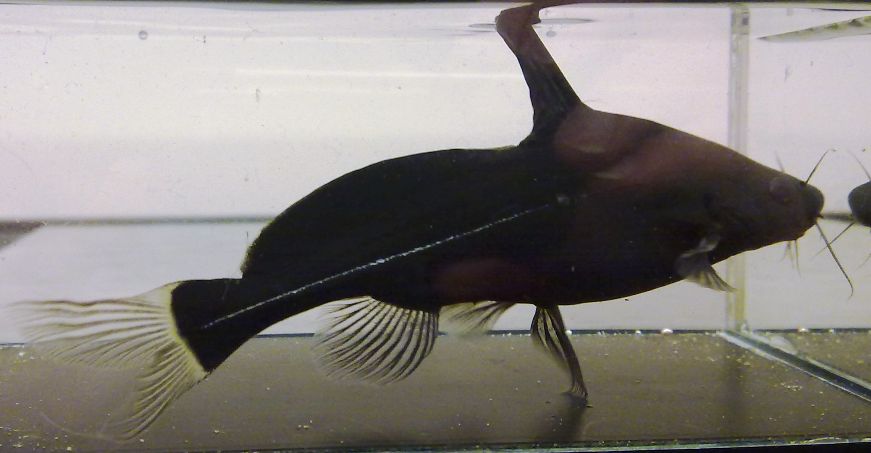
大刺唇齿鲿(Bagrichthys macracanthus)是胆小、偏夜行的鲿科鱼,延长的背鳍硬刺很有辨识度。它与不同水层的鱼相处通常温和,却会对其他底栖鱼守域,不能只按“温和鲶鱼”安排混养。
分布与栖息地
确切记录来自印度尼西亚苏门答腊,可能仅原生于该岛。过去所列婆罗洲、爪哇及中南半岛等范围不能全部视为已确认;湄南河及湄公河的近似鱼已被另作区分。
常见环境为浑浊、缓流、泥底的大河,雨季成鱼进入被淹没的河岸地带繁殖。
饲养环境
底面积至少约 120 × 45 cm。照明宜暗,利用沉木、陶盆或管道提供充足躲避处;水草不是必需,但能遮光。若与同种或体形相近的鲶鱼同养,应把造景分隔成不同领域。
不喜欢强流。加热棒的位置应防止鱼贴靠或藏在后面,以免长时间直接接触。
食性与喂食
野外似乎摄食小型底栖动物和有机碎屑,缸内可接受多种饵料。丰年虾、水蚯蚓、红虫等小型活饵或冷冻饵很适合,也应经常提供含螺旋藻或其他植物成分的优质沉底饲料。
习性与混养
口较小,能吞入的猎物仅限很小的个体,但对其他底栖鱼尤其同种有领域行为。雄鱼间通常难以长期相容,除非空间特别充足。若安排群养,一雄配至少三雌较有机会分散雄鱼对某条鱼的压力。
体形合适的波鱼、鲃类等中上层陪游鱼可帮助它更常露面。不能把对其他水层较温和的表现当成对同种也无攻击性。
雌雄区分
雄鱼臀鳍前方有外露、尖形的生殖突,须也明显更长;成熟雌鱼身体通常稍大。
繁殖
尚无可靠缸内繁殖记录,野外成鱼会在雨季开始时进入暂时被淹的区域产卵。
补充说明
本种与近似种的辨认涉及胸鳍刺长度、脂鳍和尾柄比例,普通商品名难以可靠区分。确切产地有助于理解身份,不能将旧分布清单全部套入本种。
图片
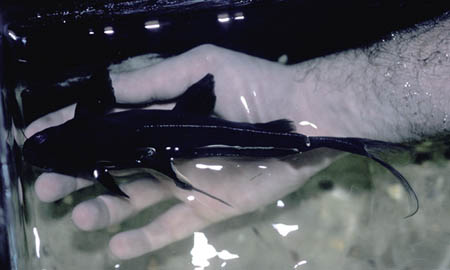
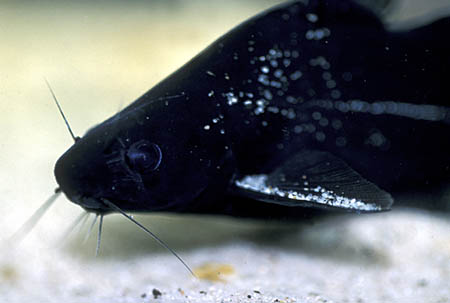
图片来自 SeriouslyFish,版权归各摄影者所有。
English
Overview
Bagrichthys macracanthus is a shy, nocturnal catfish associated with the elongated dorsal spine behind the lancer name. It is generally peaceful toward fishes using other parts of the aquarium, yet defends space against bottom dwellers. That distinction matters when planning companions.
Distribution & habitat
Definite records are from Sumatra, Indonesia, and the species may be restricted to that island. Traditional reports from Borneo, Java, and mainland Southeast Asia are not all confirmed. Similar fishes from the Chao Phraya and Mekong have been separated taxonomically.
Typical habitats are large, muddy-bottomed rivers with turbid water and a slow current. Adults enter inundated river margins during the wet season to reproduce.
Aquarium setup
Allow a base around 120 × 45 cm or larger. Keep lighting subdued and supply wood, pots, or pipes as retreats. Plants are optional but useful for shading the bottom. If several specimens or other comparable catfishes are housed together, use decorations to divide the available space into separate territories.
Avoid strong current. Position the heater so a resting fish cannot lie against it or squeeze behind it for prolonged contact.
Diet & feeding
Small bottom-living animals and organic debris apparently form the wild diet. Aquarium specimens accept varied foods. Small live or frozen worms and brine shrimp are useful, alongside regular servings of quality sinking food containing spirulina or other plant ingredients.
Behaviour & compatibility
Its small mouth limits the size of prey it can swallow, but it is territorial toward bottom fishes, especially its own species. Males seldom tolerate one another except in very large accommodation. Where a group is attempted, one male with at least three females offers a better chance of dispersing his attention.
Suitably sized rasboras or barbs using the upper aquarium may encourage it to emerge. Peacefulness toward these companions should not be confused with tolerance of other males.
Sexual dimorphism
Males have longer barbels and a pointed external genital papilla immediately before the anal fin. Mature females generally have a slightly larger body.
Breeding
Reliable aquarium spawning remains unrecorded. Wild adults enter temporary floodwaters around the beginning of the rainy season to breed.
Notes
Identification against similar species relies partly on the proportions of the pectoral spine, adipose fin, and tail base. A trade name alone is unreliable. Locality information helps interpret identity, and older distribution lists should not automatically be assigned to this species.
来源
- https://www.seriouslyfish.com/species/bagrichthys-macracanthus(抓取于 2026-10-10)
bagrichthys-macracanthus · 文件: data/species/bagrichthys-macracanthus.md · 状态: 草稿