魾 · Goonch
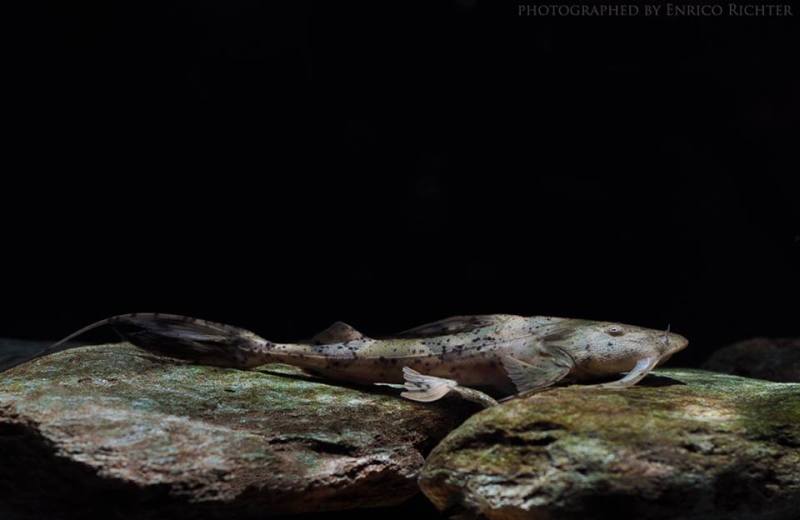
概要
| 字段 | 值 |
|---|---|
| 类别 | 鱼 |
| 学名 | Bagarius yarrelli |
| 别名 | Bagrus yarrelli、Pimelodus carnaticus、Bagarius lica、Bagarius nieuwenhuisii |
| 分类 | 鲶形目 Siluriformes › 鮡科 Sisoridae › Bagarius |
| 水体 | 淡水 |
| 原产地 | 孟加拉国、印度、印度尼西亚、老挝、马来西亚、缅甸、尼泊尔、巴基斯坦、泰国、越南 |
| 成体体长 | 200 cm |
| 饲养难度 | 中等 |
| 群居方式 | 独居 |
| 外部数据 | seriouslyfish bagarius-yarrelli |
| 食性 | 肉食 |
| 特征 | 吃小鱼: 是 |
水质参数
| 参数 | 耐受范围 | 最适范围 | 单位 |
|---|---|---|---|
| 水温 | 16–23 | — | °C |
| pH | 6–7.5 | — | — |
| 总硬度 | 2–12 | — | dGH |
概述
魾(Bagarius yarrelli)是大型急流鲶,成年空间和供氧要求都远超普通家庭缸。它虽以多种“巨型鲶”商品名流通,仍只适合公共展示或极大型专业设施;鱼苗可以暂时装下,不代表具备长期饲养条件。
分布与栖息地
记录范围从巴基斯坦印度河、南亚主要河流,经缅甸和中南半岛至马来半岛、苏门答腊与婆罗洲,但印度与东南亚种群是否同种仍有疑问。成年鱼躲在大河湍急水段的巨砾间,幼鱼也可能进入较小支流。
饲养环境
柔和光线配大型沉木、石块或适当管道,提供能容纳鱼体的藏身处。强而成熟的过滤、高溶氧与充足水流缺一不可,每周换水 50%–70%,用严格维护应对大型捕食鱼的负荷。
食性与喂食
天然吃小鱼、两栖动物、甲壳动物及其他无脊椎,人工通常能适应非活饵。幼鱼用红虫、小蚯蚓、碎虾肉,成鱼可喂鱼肉条、整虾、贝肉和较大蚯蚓,按体型调整饵料。
避免牛心和禽肉等不适合脂肪来源,也不要依赖普通活饵鱼,后者可能带入疾病和寄生虫,营养价值亦取决于此前调理。
习性与混养
以单独饲养为宜,不能因为野外迁徙时出现群体就把群居当作日常缸养方式。
繁殖
成年鱼会随河水上涨、变浑浊而进行季节性繁殖迁徙,湄公河曾观察到大型群体移动。这是野外行为,不代表已有可直接套用的人工繁殖操作。
补充说明
同属大型鱼的名称与分布有混淆,可能涉及不同种或异名问题。购买与保存记录时应保留准确来源,不要依据一个旧商品名假定体型或产地已经确认。
图片
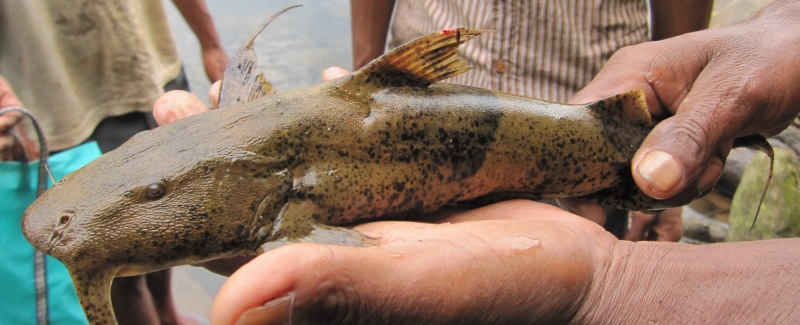
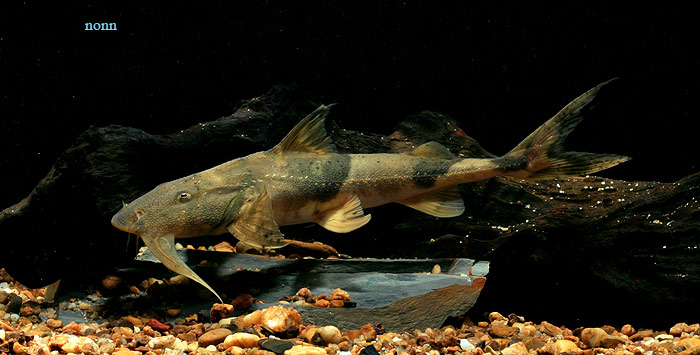
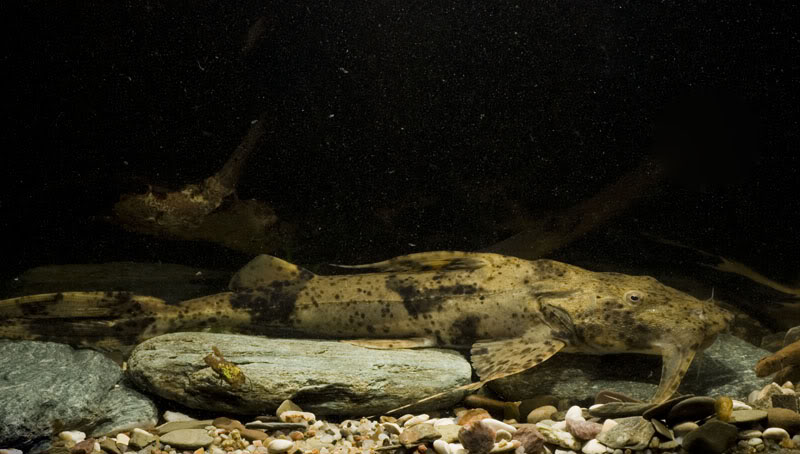
图片来自 SeriouslyFish,版权归各摄影者所有。
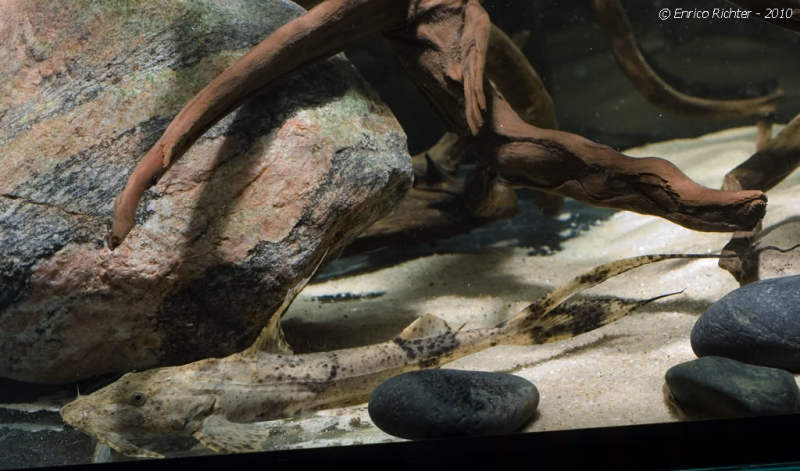
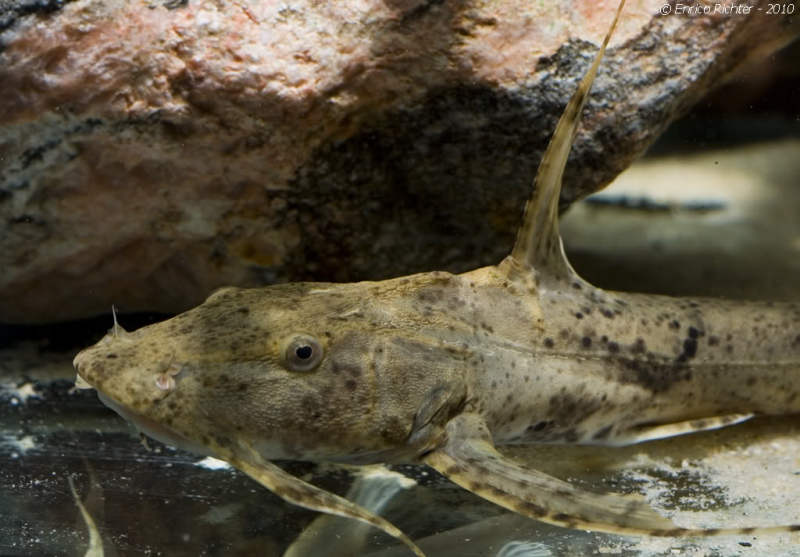
English
Overview
A very large rapid-dwelling catfish, Bagarius yarrelli exceeds ordinary home-aquarium space and oxygen-support capacity. Various giant-catfish trade names do not change that requirement. Only public exhibits or exceptionally large specialist private systems offer appropriate long-term accommodation.
Distribution & habitat
Recorded distribution extends from the Indus and major South Asian rivers through Myanmar and Indochina to the Malay Peninsula, Sumatra, and Borneo. Whether Indian and Southeast Asian populations represent the same species remains uncertain. Adults shelter among boulders in large-river rapids; juveniles may use smaller tributaries.
Aquarium setup
Offer subdued light and suitably large shelters using wood, rocks, or piping. Mature high-capacity filtration, strongly oxygenated water, and substantial circulation are essential. Weekly 50–70% water changes and rigorous maintenance must match the load imposed by this large predator.
Diet & feeding
Wild foods include small fish, amphibians, crustaceans, and other invertebrates. Captive specimens usually adapt to dead alternatives. Small worms and shrimp pieces suit young fish, with larger fish taking suitable fish strips, whole shrimp, mussels, and larger earthworms.
Avoid mammalian or avian meat and routine feeder fish because of unsuitable fats, pathogens, parasites, and unreliable nutritional condition.
Behaviour & compatibility
Individual housing is preferable. Seasonal wild aggregations should not be interpreted as a routine group-housing recommendation.
Breeding
Adults undertake seasonal reproductive movements as rivers rise and become turbid, with large migrating groups observed in the Mekong. This describes wild behavior rather than a demonstrated aquarium breeding procedure.
Notes
Names and distribution records within the genus remain confused, potentially involving separate species or synonyms. Preserve provenance information and avoid treating an old trade label as confirmation of identity or eventual size.
来源
- https://www.seriouslyfish.com/species/bagarius-yarrelli(抓取于 2026-10-10)
bagarius-yarrelli · 文件: data/species/bagarius-yarrelli.md · 状态: 草稿