变色鲈 · Badis
概要
| 字段 | 值 |
|---|---|
| 类别 | 鱼 |
| 学名 | Badis badis |
| 别名 | 棕鱸、變色鱸、Labrus badis、Labrus fasciata、Badis buchanani、棕鲈 |
| 分类 | 攀鲈目 Anabantiformes › 变色鱼科 Badidae › Badis |
| 水体 | 淡水 |
| 原产地 | 印度、尼泊尔和孟加拉国的恒河水系,以及印度默哈讷迪河水系和阿萨姆邦部分地区 |
| 成体体长 | 6 cm |
| 饲养难度 | 入门 |
| 最小水体 | 72 L |
| 最小缸长 | 80 cm |
| 群居方式 | 成对 |
| 领地性 | 是 |
| 外部数据 | seriouslyfish badis-badis;fishbase 11016 |
水质参数
| 参数 | 耐受范围 | 最适范围 | 单位 |
|---|---|---|---|
| 水温 | 15–25 | — | °C |
| pH | 6–7.5 | — | — |
| 总硬度 | 3–15 | — | dGH |
概述
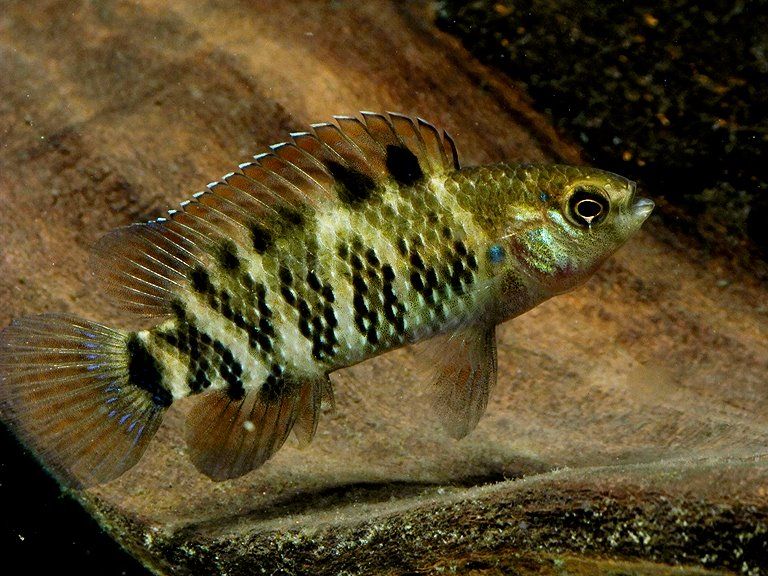
变色鲈(Badis badis)能迅速改变体色,繁殖或紧张时尤其明显。它行动较慢、性情隐蔽,喂食竞争力不强;雄鱼在狭小空间又会互相争斗,因此安静环境、适口饵料和分开的藏身处都很重要。
分布与栖息地
来自印度至孟加拉国的恒河水系,包括尼泊尔支流,另见于印度默哈讷迪河及阿萨姆邦部分地区。常见栖地水流较缓、带一定浑浊度,有泥底和沉水植物,常与睡莲群落相联系。
饲养环境
一对或小群从约 80 × 30 cm 底面积安排。用砂或砾石铺底,搭配圆滑石块、沉木枝条、浮水植物和落叶形成遮蔽,照明及过滤水流都不必强。
提供椰壳、陶盆等洞穴作为潜在产卵点。多个雄鱼同缸时,洞穴应分散在不同位置,避免把所有巢位集中成一个争夺点。
食性与喂食
同属鱼以微小水生动物为食,缸内常拒绝干饲料,应准备适口活饵或冷冻饵,例如丰年虾、水蚤和玻璃虫。它吃得慢且谨慎,不能让活跃缸友抢光食物。
同属饲养中不建议使用红虫和水蚯蚓,以减少肥胖及相关健康问题;不要把容易获得的这两种饵当作固定主食。
习性与混养
避免体形大、攻击性强或抢食快的缸友,空间不足时也不宜搭配有领域性的底栖鱼。不要与其他变色鲈属物种混养,以免杂交。小型淡水虾可能被捕食,不能作为安全混养对象。
它并非典型群居鱼,小空间以一对或一雄数雌较合适;较大环境中,只有各雄鱼都能建立独立领域时才宜养群。原有同伴暂时和平,并不意味着繁殖期也不会冲突。
雌雄区分
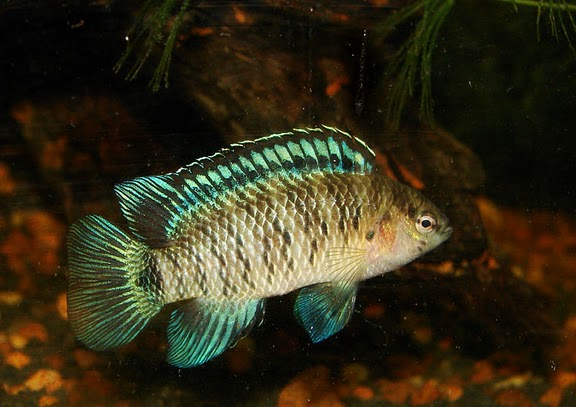
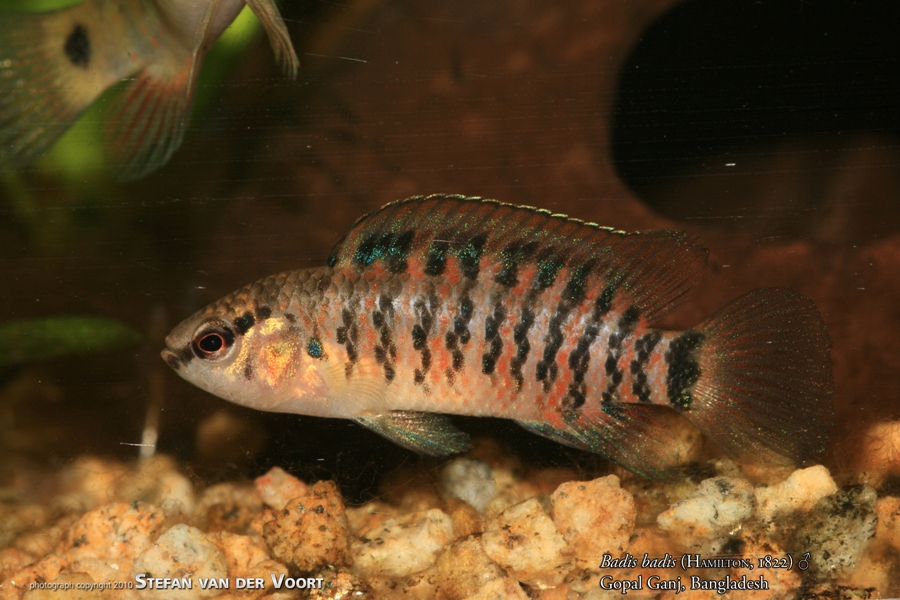
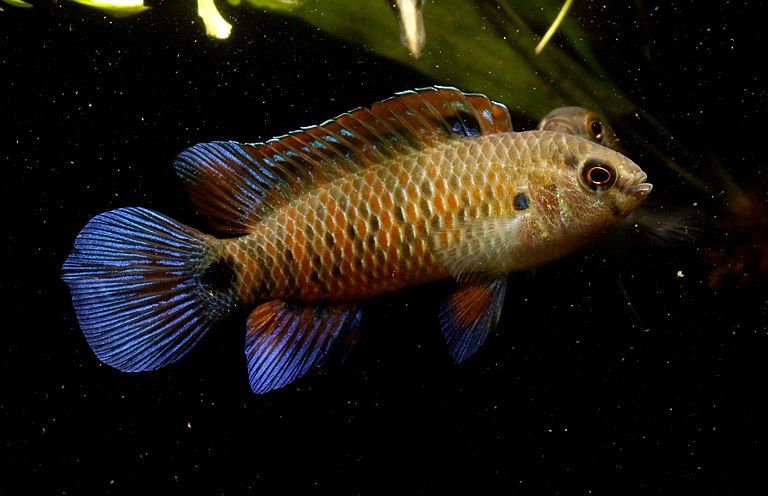
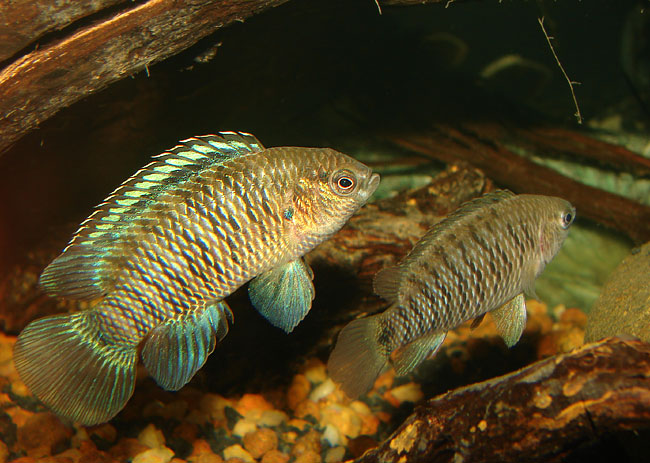
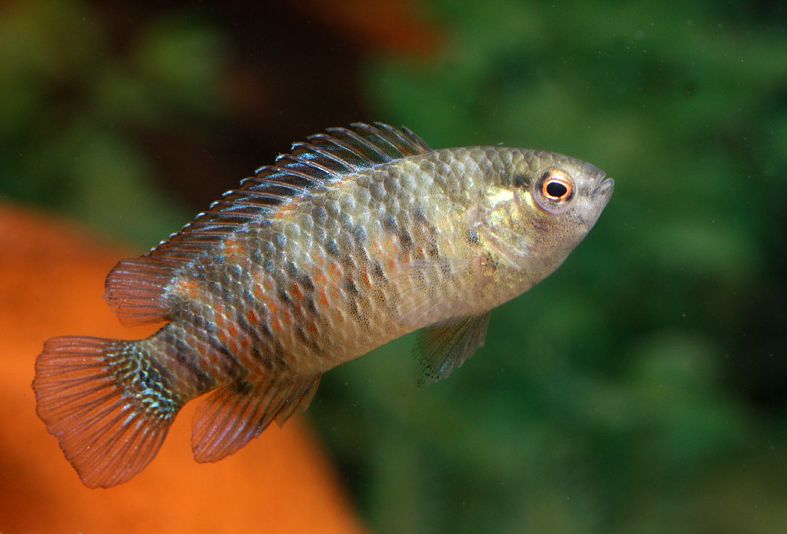
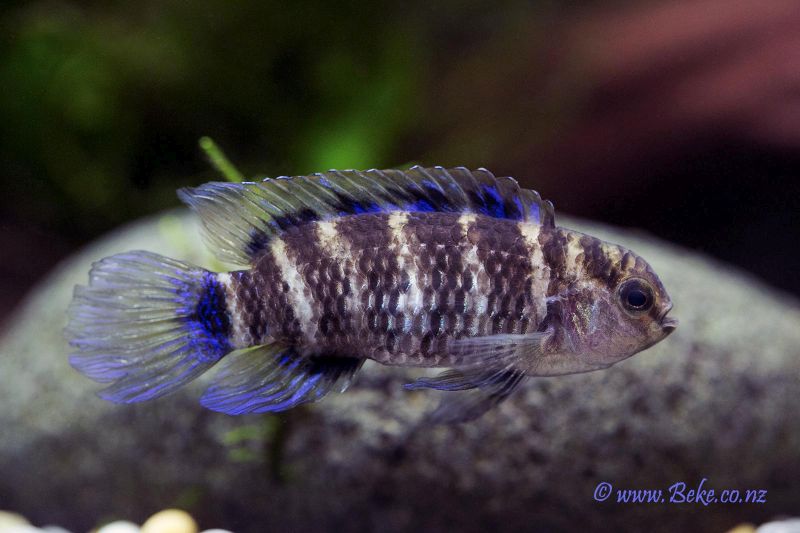
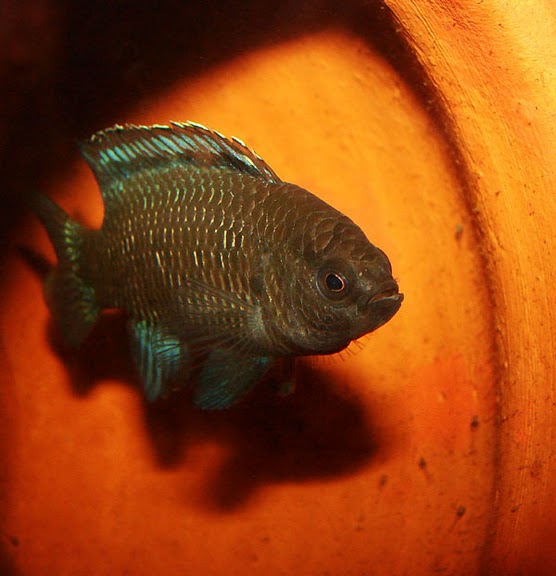
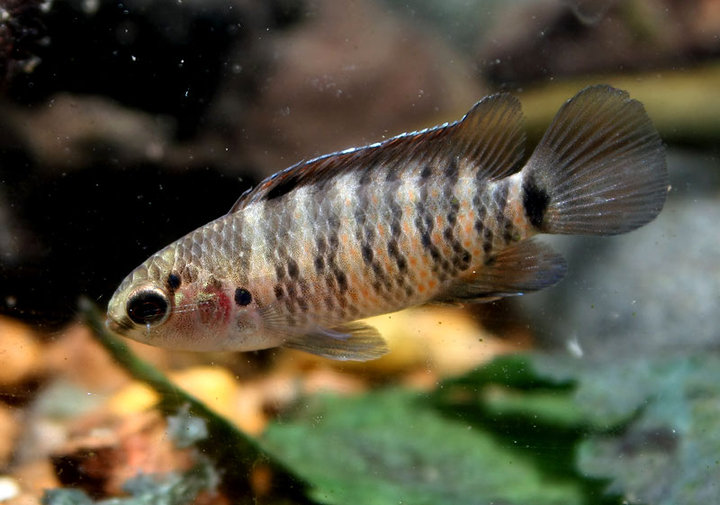
雌鱼较小、颜色较淡,鳍中缺少蓝色,身体较短而圆。成熟雄鱼背鳍、臀鳍和尾鳍延长,繁殖时身体可接近黑色,蓝色鳍更加鲜明。
繁殖
同属鱼在洞内产卵,形成暂时配对。若想提高鱼苗存活率,宜专门设置繁殖环境,每条雄鱼都有可守护的洞穴。求偶时可见雄鱼展示、双方锁嘴,雌鱼接受后入洞产卵,常见数量约三十至一百粒。
产后雌鱼被驱离,雄鱼留守并扇水照顾。卵通常两至三天孵化,鱼苗约六至八日龄自由游动,之后仍可能在洞边停留约一周。到后续阶段,成鱼包括父鱼都可能把幼鱼当食物,宜分开饲养。
鱼苗最初活动少,可先喂微虫;能明显在水中游动后,再提供丰年虾无节幼体。这些是同属常用的繁殖照顾要点,仍需结合实际产卵和发育情况安排。
补充说明
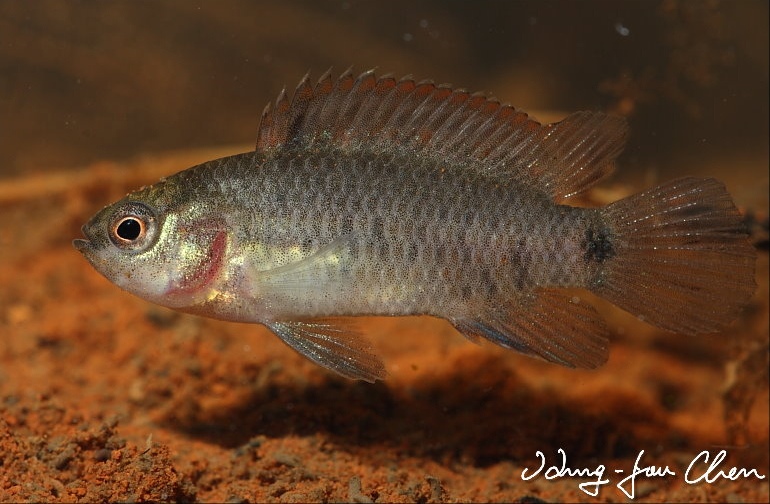
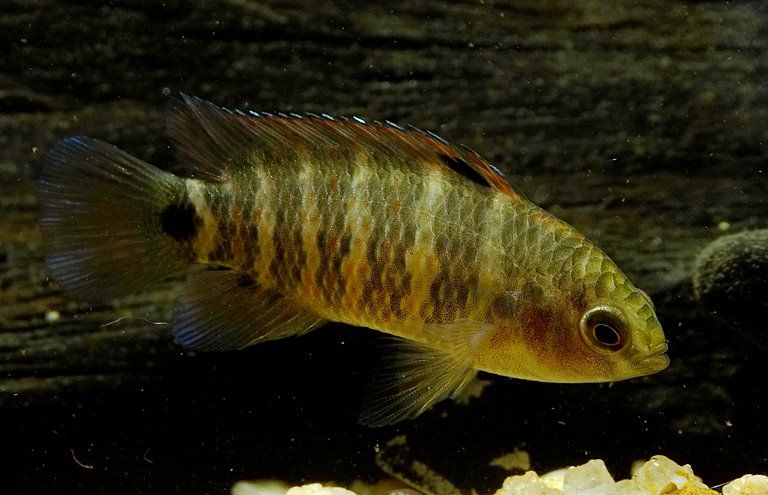
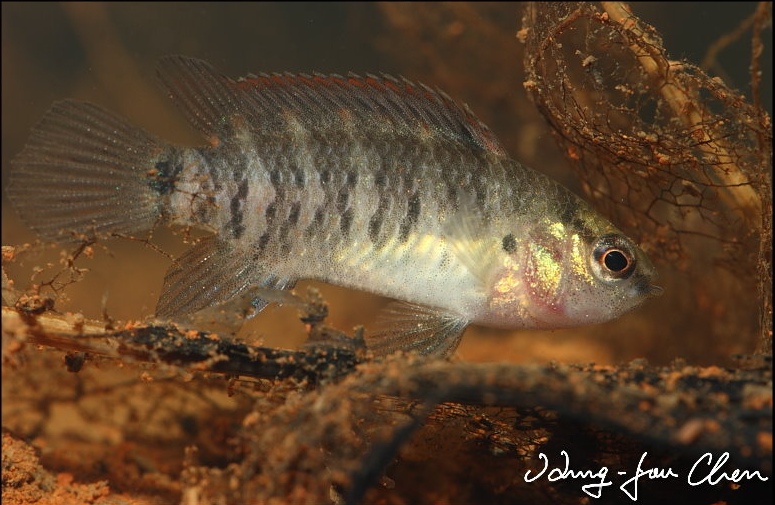
胸鳍基部上方暗斑在多个近似种中共有,并非仅本种具有。背鳍及其基部的暗纹、体侧较淡的竖带和产地可辅助鉴别,但部分近似种仍需形态计数才能区分,不能只靠变色能力认种。
图片
图片来自 SeriouslyFish,版权归各摄影者所有。
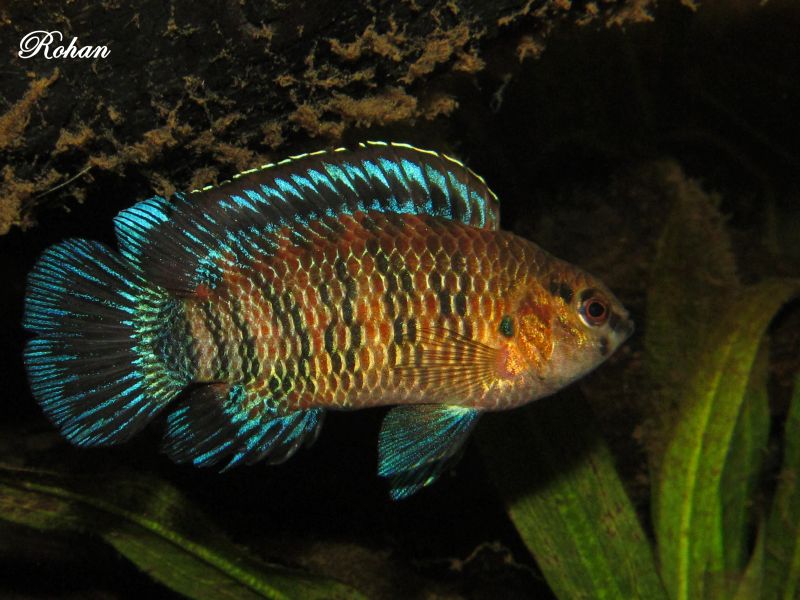
English
Overview
Badis badis changes color rapidly, especially during reproduction or stress. It is retiring and deliberate in its movements and feeding, yet rival males can fight in restricted space. Quiet surroundings, appropriate food, and separated refuges are central to its care.
Distribution & habitat
Its range covers the Ganges system from India to Bangladesh, including Nepalese tributaries, with additional records from the Mahanadi and parts of Assam. Typical habitats have slow, somewhat turbid water, muddy substrate, and submerged vegetation. Water-lily beds are often associated with its occurrence.
Aquarium setup
A pair or small group can start with a footprint around 80 × 30 cm. Combine sand or gravel with rounded stones, branches, floating plants, and leaves to provide shelter. Neither light nor filtration current needs to be strong.
Include caves made from coconut shells or suitable pots as potential spawning sites. With several males, distribute these across the aquarium rather than concentrating every cave in one contested area.
Diet & feeding
Members of the genus prey on tiny aquatic animals and often reject dry foods in captivity. Prepare small live or frozen offerings such as brine shrimp, water fleas, and glassworms. Feeding is slow and cautious, so active companions must not monopolize the food.
Bloodworms and tubificid worms are discouraged in husbandry of this genus because of obesity and associated health concerns. They should not become routine staples simply because they are readily available.
Behaviour & compatibility
Avoid large, aggressive, or highly competitive fishes. Territorial bottom dwellers are also inappropriate where room is limited. Do not mix different Badis species, since hybridization may occur. Small freshwater shrimp may be taken as prey.
This is not a typical schooling fish. A pair or one male with several females suits limited space; groups require enough room for separate male territories. Peaceful coexistence before breeding does not guarantee an absence of later disputes.
Sexual dimorphism
Females are smaller and paler, lack blue in the fins, and have a shorter, rounder outline. Mature males develop extended dorsal, anal, and tail fins. Breeding males can darken almost to black while their blue fins become more vivid.
Breeding
Related species form temporary pairs and spawn in caves. A dedicated setup improves fry survival, with a defensible cave for each male. Courtship includes displays and mouth locking. A receptive female enters the cave, where a typical spawning produces around thirty to a hundred eggs.
The female is expelled afterward, leaving the male to guard and fan the brood. Hatching generally takes two or three days; fry swim freely around six to eight days of age and may stay near the cave for approximately another week. Later, adults including the father can regard them as food, favoring separation.
Young initially move little, making microworms a useful first food. Introduce newly hatched brine shrimp once they are visibly swimming in the water column. These are common breeding-care principles for the genus, to be applied according to actual spawning and development.
Notes
A dark mark above the pectoral base is shared with several relatives. Dorsal markings, faint flank bars, and locality can help, but some similar species still require detailed morphological comparison. Color-changing ability alone cannot establish identification.
来源
- https://www.seriouslyfish.com/species/badis-badis(抓取于 2026-10-10)
badis-badis · 文件: data/species/badis-badis.md · 状态: 草稿