Axelrodia stigmatias
概要
| 字段 | 值 |
|---|---|
| 类别 | 鱼 |
| 学名 | Axelrodia stigmatias |
| 别名 | Hyphessobrycon stigmatias、Axelrodia fowleri |
| 分类 | 脂鲤目 Characiformes › 脂鲤科 Characidae › Axelrodia |
| 水体 | 淡水 |
| 原产地 | 巴西与秘鲁的亚马孙西部,含马德拉河、马纳卡普鲁湖群和乌卡亚利河 |
| 成体体长 | 2 cm |
| 饲养难度 | 中等 |
| 最小水体 | 54 L |
| 最小缸长 | 60 cm |
| 群居方式 | 群游 |
| 性情 | 温和 |
| 外部数据 | seriouslyfish axelrodia-stigmatias;fishbase 51083 |
| 领地性 | 是 |
| 繁殖方式 | 产卵 |
水质参数
| 参数 | 耐受范围 | 最适范围 | 单位 |
|---|---|---|---|
| 水温 | 20–28 | — | °C |
| pH | 4–6.5 | — | — |
| 总硬度 | 1–5 | — | dGH |
概述
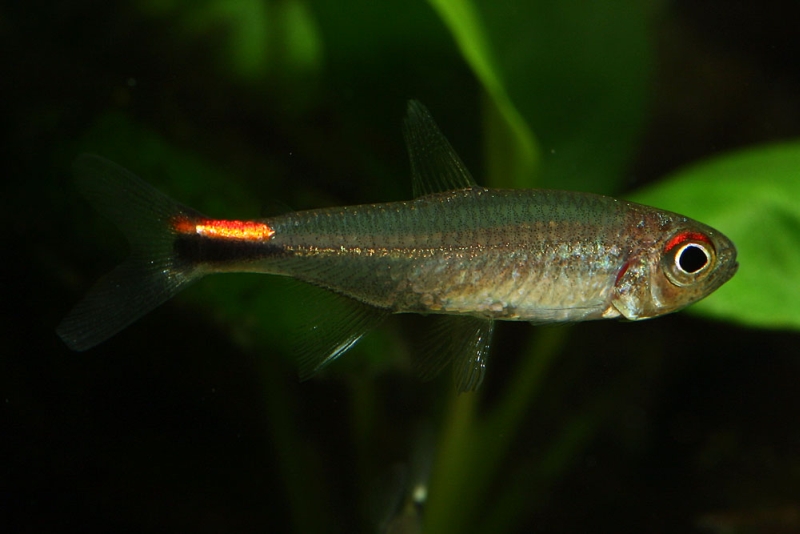
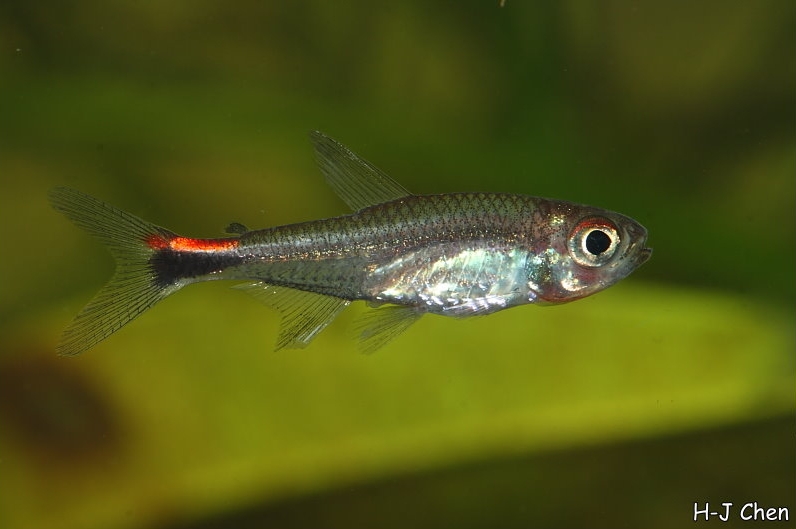
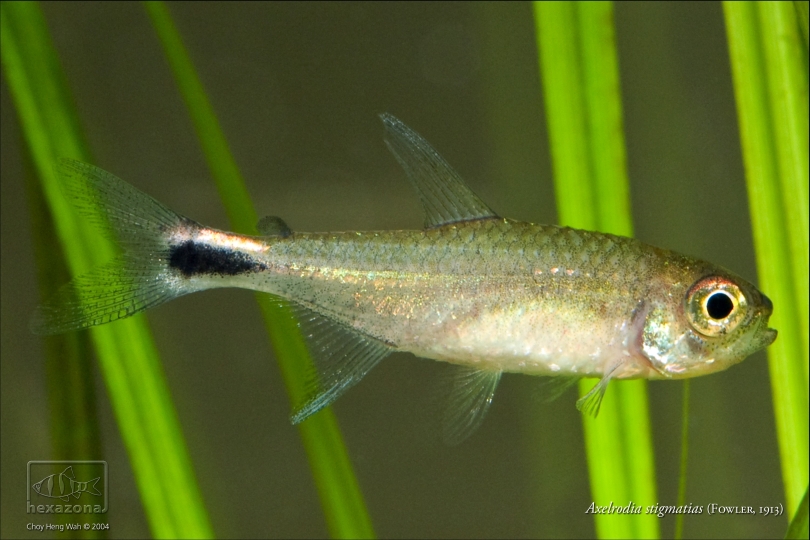
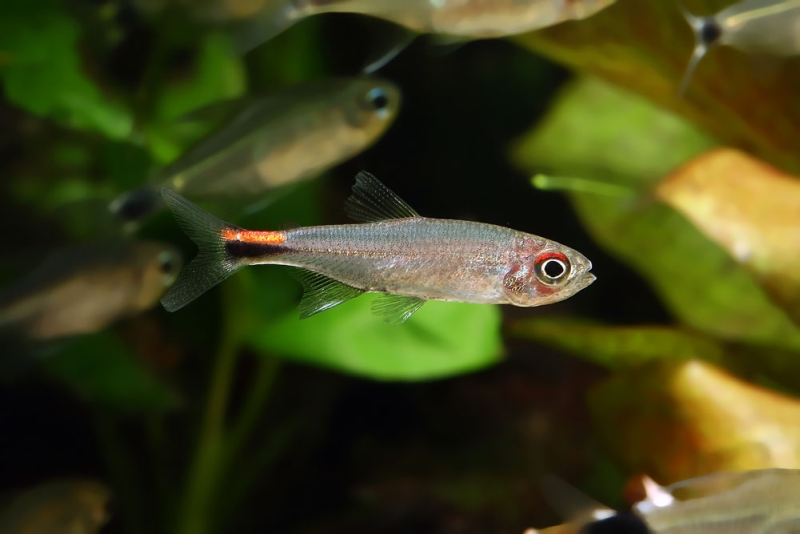
Axelrodia stigmatias 是细小、银黄调的灯鱼,尾柄下部暗斑与上部虹彩斑形成辨识线索。它适合专种或非常温和的微型鱼群,体型小却对成熟过滤、柔软水质和稳定维护有较高要求。
分布与栖息地
确认记录来自巴西马德拉河、马瑙斯上游索利蒙伊斯河旁的马纳卡普鲁湖群,以及秘鲁乌卡亚利河。据称栖息黑水,可能更常见于林间小支流,但具体环境仍未完全确认。
饲养环境
以砂、沉木和根枝形成复杂遮蔽,加入落叶能为鱼提供隐蔽,也让微生物成为幼鱼的补充食物。柔和灯光配耐阴水草及浮水植物较合适。
对有机污染波动敏感,不可放入刚开设、过滤未成熟的缸。繁殖需要酸性、很低总硬度和近乎无碳酸盐硬度的水,可用反渗透水等方式准备,重点是稳定而非反复快速调整。
食性与喂食
天然可能以微小无脊椎动物和浮游动物为食。缸中通常会吃足够细的干粮,每天同时提供小型活饵或冷冻饵,例如丰年虾无节幼体、小水蚤及小型蠕虫。
习性与混养
对其他鱼温和,但不适合活跃强势的一般混养缸。至少八至十尾能减少胆怯,雄鱼仍会占据小领地并争斗展示;它是群居鱼,不会始终保持整齐紧密的队形。伙伴限于微型温和灯鱼和小型底栖鲶鱼更稳妥。
雌雄区分
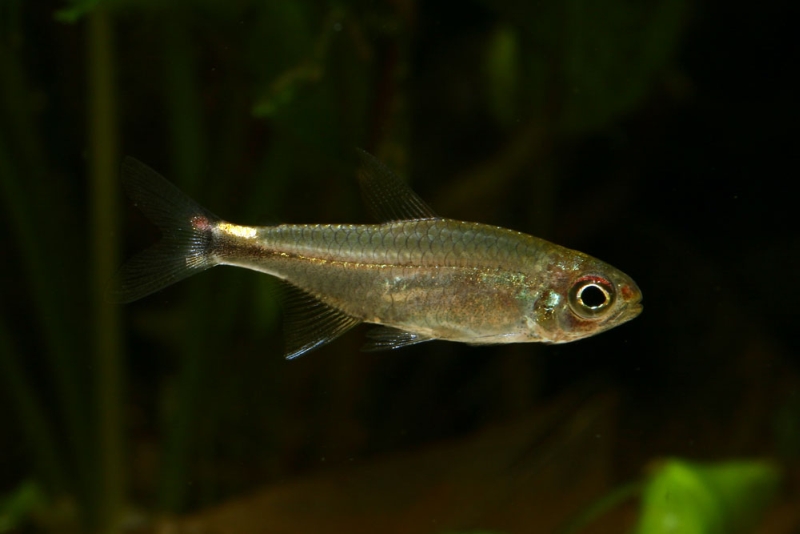
成熟雌鱼预计较圆,抱卵时更明显。野生新到个体尾部虹彩等颜色差异与性别的关系尚不清楚,不宜单凭斑色分性。
繁殖
人工繁殖已经实现,成熟、遮蔽充分的缸中可能自然出现少量鱼苗。软酸水、细叶植物和落叶上的微生物有帮助。状态好的成鱼可每日产卵;有计划繁殖时,可将一对或一雄数雌放入专缸,数日后移走成鱼,让卵和鱼苗留在原环境发育。
补充说明
比红色近似种体形更修长,活体通常银黄。尾柄虹彩斑的变化原因尚未明确,产地、饵料或个体差异均不能被单独认定为原因。
图片
图片来自 SeriouslyFish,版权归各摄影者所有。
English
Overview
Tiny and silvery yellow, Axelrodia stigmatias shows a dark lower tail-base marking below an iridescent patch. A species setup or very gentle miniature community suits it better than a busy mixed aquarium. Its small size comes with a need for mature filtration and stable soft-water conditions.
Distribution & habitat
Confirmed records include Brazil’s Madeira, the Manacapuru lake complex beside the Solimões upstream of Manaus, and Peru’s Ucayali. Blackwater habitat is reported, and smaller forest tributaries are considered likely, though detailed habitat preferences remain uncertain.
Aquarium setup
Arrange sand, wood, and roots into a sheltered environment. Leaf litter adds cover and supports microorganisms useful to fry. Subdued light with shade-tolerant and floating plants is suitable.
Avoid immature aquaria because changing organic waste levels are poorly tolerated. Breeding requires acidic water with very low general hardness and negligible carbonate hardness, potentially prepared using reverse osmosis. Stability matters more than repeated rapid adjustment.
Diet & feeding
Tiny invertebrates and zooplankton are probable natural foods. Fine dry products are usually accepted, with daily small live or frozen items such as Artemia nauplii, tiny water fleas, and small worms.
Behaviour & compatibility
Peaceful toward other species, it is nevertheless unsuitable for a forceful or very active community. At least eight to ten help reduce shyness. Males maintain small territories and spar, rather than the group always moving in a tight school. Equally small, gentle characins and catfish are the safer companions.
Sexual dimorphism
Mature females are expected to look rounder, particularly when gravid. Color variation among newly imported wild fish is not securely linked to sex, so tail-patch color alone is unreliable.
Breeding
Captive reproduction is established, and a few fry may appear in mature, well-sheltered setups. Soft acidic water, fine-leaved plants, and leaf-associated microorganisms support breeding. Adults in condition can spawn daily. A pair or one male with several females may be placed in a separate aquarium, then removed after several days while eggs and fry remain.
Notes
It is more slender and silvery yellow than a similar red congener. The reason for variation in its iridescent tail-base patch remains unresolved; locality, diet, and individual variation cannot each be assumed to explain it.
来源
- https://www.seriouslyfish.com/species/axelrodia-stigmatias(抓取于 2026-10-10)
axelrodia-stigmatias · 文件: data/species/axelrodia-stigmatias.md · 状态: 草稿