斯氏孔雀鲷 · Grant's Peacock
概要
| 字段 | 值 |
|---|---|
| 类别 | 鱼 |
| 学名 | Aulonocara stuartgranti |
| 别名 | 斯氏孔雀鯛 |
| 分类 | 慈鲷目 Cichliformes › 慈鲷科 Cichlidae › Aulonocara |
| 水体 | 淡水 |
| 原产地 | 马拉维、莫桑比克、坦桑尼亚 |
| 成体体长 | 13 cm |
| 饲养难度 | 中等 |
| 最小水体 | 243 L |
| 最小缸长 | 120 cm |
| 群居方式 | 群游 |
| 性情 | 温和 |
| 外部数据 | seriouslyfish aulonocara-stuartgranti;fishbase 2190 |
| 领地性 | 是 |
| 繁殖方式 | 口孵 |
水质参数
| 参数 | 耐受范围 | 最适范围 | 单位 |
|---|---|---|---|
| 水温 | 23–29 | — | °C |
| pH | 7.5–9 | — | — |
| 总硬度 | 10–25 | — | dGH |
概述
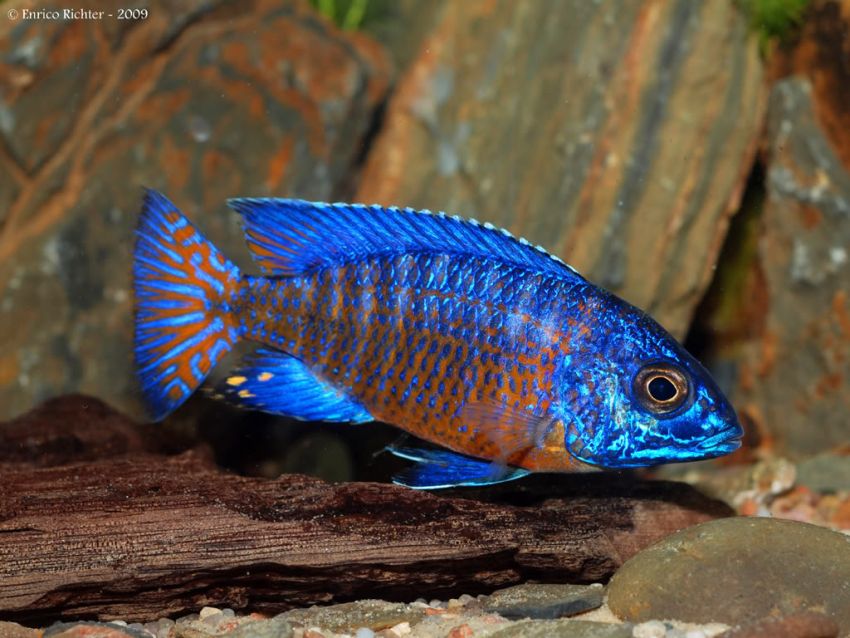
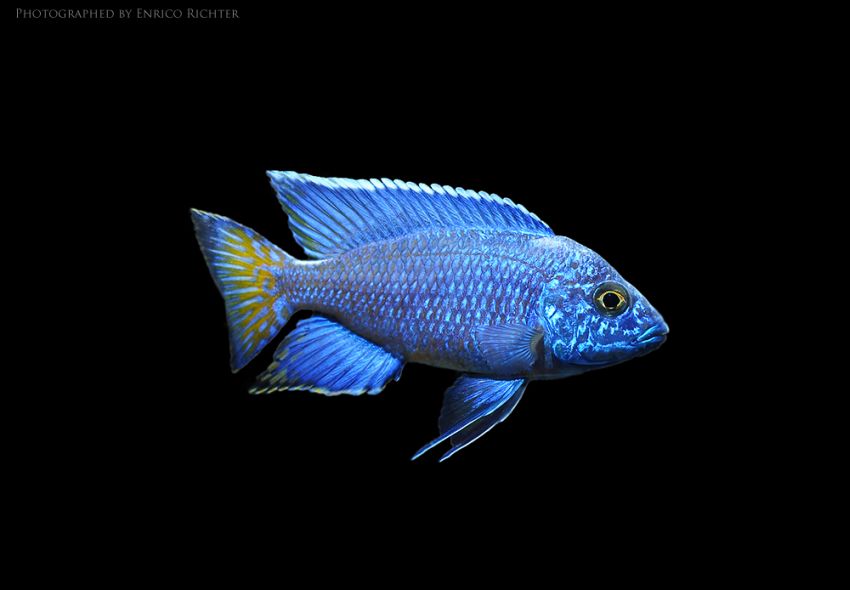
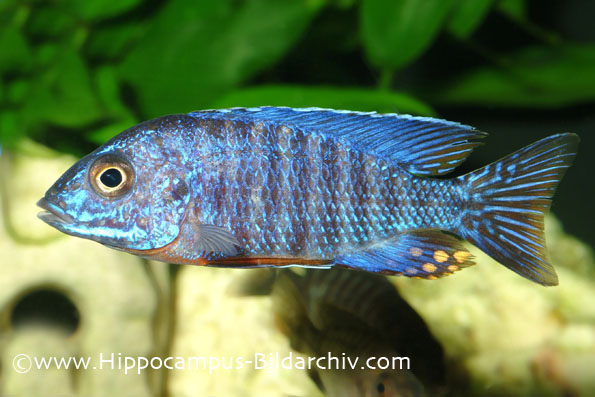
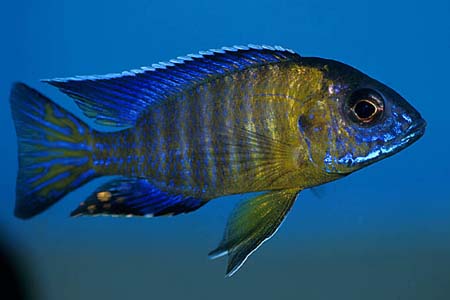
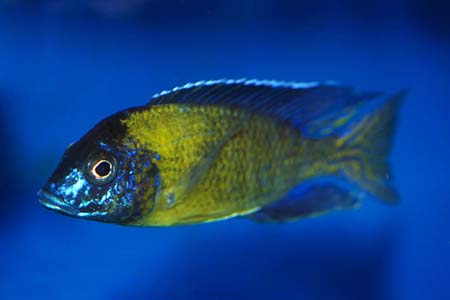
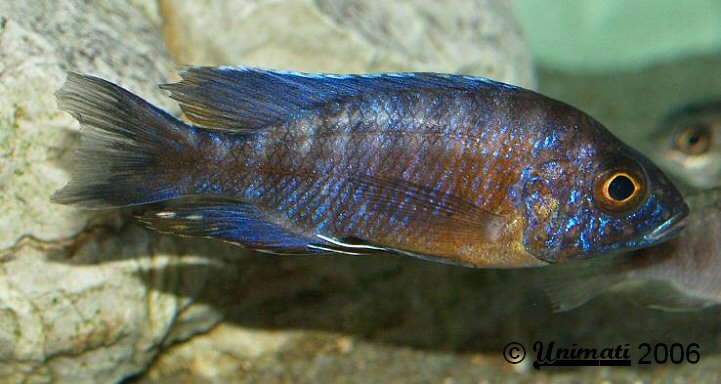
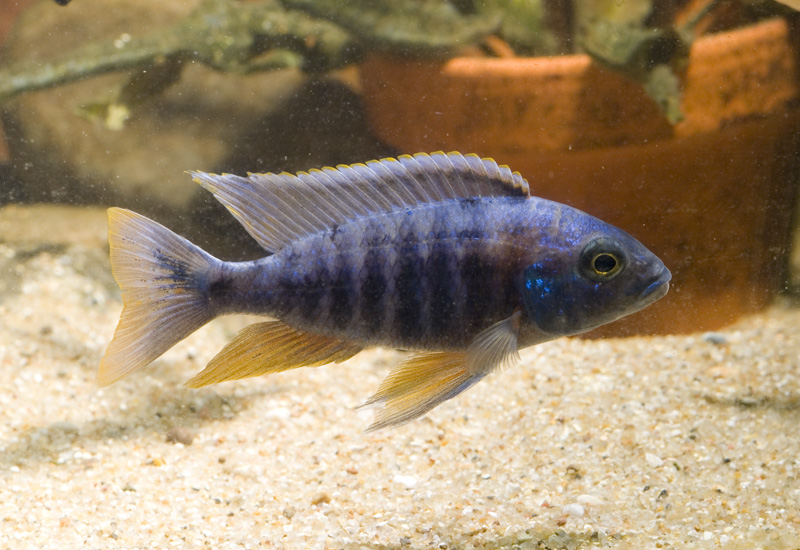
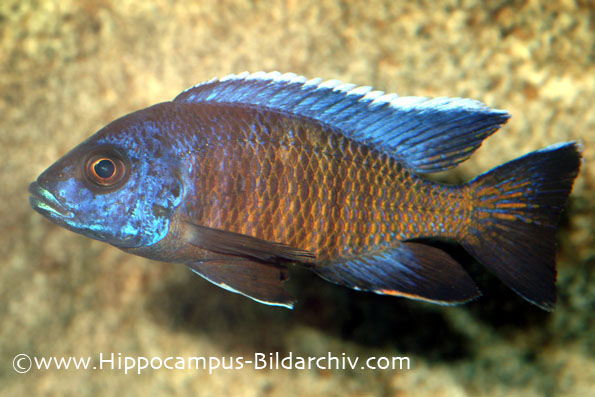
斯氏孔雀鲷(Aulonocara stuartgranti)雄鱼颜色随产地变化很大,饲养繁殖应保留地域标签。它会筛沙觅食,细沙底和开放取食区十分重要;总体较温和,但雄鱼有明确领地性。
分布与栖息地
马拉维湖特有,沿东西两岸广泛分布。生活在岩岸过渡为沙地的区域,开放沙面间散有岩石。部分以产地名流通的群体是否同种仍未厘清。
饲养环境
底面至少 120 × 45 厘米,岩堆间保留开放细沙区域。粗砾可能妨碍筛食、伤鳃甚至误吞造成阻塞,不能代替细沙。通常不伤水草。对水质下降和参数骤变敏感,必须在成熟缸中饲养;强效过滤配每周至少约 30%~50% 换水维持稳定。
食性与喂食
会悬在底砂上方探测微小动静,再含沙筛出食物。提供细粒优质干粮及红虫、丰年虾等小型活饵或冷冻饵料,部分干粮含植物或藻类成分。混合鱼粮、贝肉、果蔬的凝胶饲料也可用;每天分 3~4 小餐比一顿大量更合适。
习性与混养
雄鱼会攻击颜色相似的鱼,选伴需谨慎。避免其他孔雀鲷以降低杂交风险,也不宜搭配多数过于强势的岩栖慈鲷。除非缸很大,建议只一雄配 4~6 雌。
雌雄区分
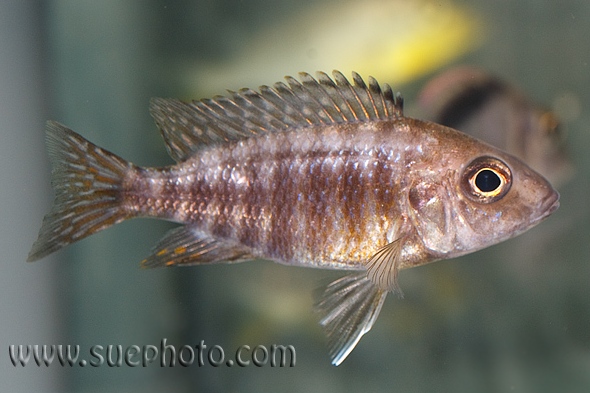
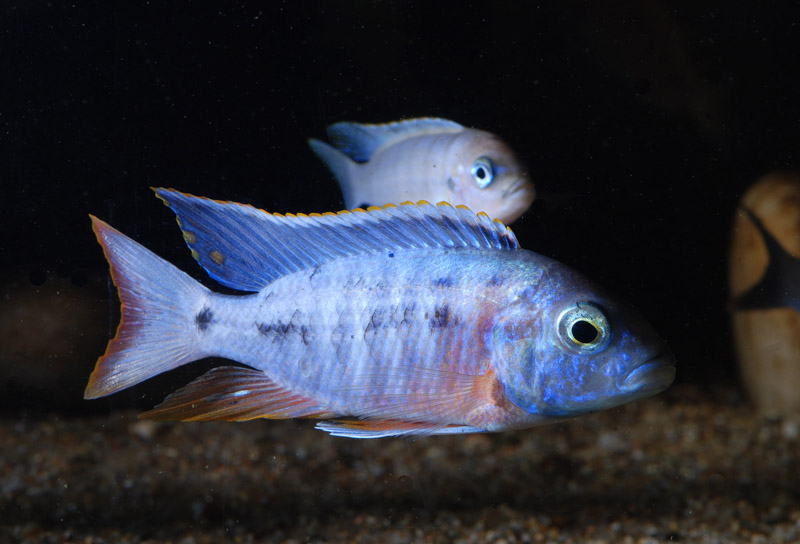
雄鱼更大,颜色也明显强于雌鱼。
繁殖
雌性口孵。雄鱼在平石或沙面展示,雌鱼产卵后立即含入口中完成后续受精过程。雌鱼可含卵至约四周,期间通常不吃,口部膨大并作咀嚼动作。惊扰可能导致吞卵或吐卵,隔离要谨慎;离群过久也会影响回群地位。幼鱼释放时若仍有卵黄,待吸收后再喂丰年虾无节幼体等;约四个月开始较易分辨性别。
补充说明
蓝色型多见于湖区北部、黄色型偏南,但不是绝对规则;商品色名不能取代产地记录或物种鉴定。
图片
图片来自 SeriouslyFish,版权归各摄影者所有。
English
Overview
Male Aulonocara stuartgranti vary markedly in color between localities. Preserve population labels when breeding them. Fine sand and open feeding areas support their substrate-sifting behavior, while space planning must account for territorial males.
Distribution & habitat
Endemic to Lake Malawi, it occurs widely along both shores. The transition between rocky coast and open sand is characteristic habitat. Some localized forms traded under this name may ultimately prove distinct.
Aquarium setup
Use at least a 120 by 45 cm footprint with rock groups separated by fine sand. Coarse gravel can obstruct feeding or injure the fish, whereas plants are generally unharmed. Introduce fish only to an established system. Heavy filtration and regular substantial weekly water changes maintain the stability this sensitive cichlid requires.
Diet & feeding
Feeding involves detecting tiny movements above the substrate, then sifting sand for edible particles. Combine fine prepared foods with small live or frozen invertebrates and a vegetable-containing component. Mixed gel foods are another option. Three or four modest feedings better support browsing than one large meal.
Behaviour & compatibility
Males may challenge similarly colored fishes. Avoid other peacock cichlids because of hybridization risk and overly boisterous rock-dwelling companions. Unless the aquarium is very large, one male with four to six females is preferable.
Sexual dimorphism
Males are larger and much more colorful than females.
Breeding
Females brood eggs in the mouth after spawning on a selected rock or sand site. Brooding may last up to four weeks, usually without feeding. Stress can cause loss of the brood, and prolonged isolation can complicate reintroduction to the group. Newly released fry need food only after residual yolk is absorbed; brine-shrimp nauplii are suitable thereafter. Sex differences often become apparent around four months.
Notes
Blue forms predominate toward the north and yellow ones toward the south, with exceptions. Color labels cannot replace locality data or careful identification.
来源
- https://www.seriouslyfish.com/species/aulonocara-stuartgranti(抓取于 2026-10-10)
aulonocara-stuartgranti · 文件: data/species/aulonocara-stuartgranti.md · 状态: 草稿