Aulonocara jacobfreibergi · Malawi Butterfly
概要
| 字段 | 值 |
|---|---|
| 类别 | 鱼 |
| 学名 | Aulonocara jacobfreibergi |
| 分类 | 慈鲷目 Cichliformes › 慈鲷科 Cichlidae › Aulonocara |
| 水体 | 淡水 |
| 原产地 | 马拉维湖,涉及马拉维、莫桑比克和坦桑尼亚沿岸 |
| 成体体长 | 17 cm |
| 饲养难度 | 中等 |
| 最小水体 | 432 L |
| 最小缸长 | 120 cm |
| 群居方式 | 群游 |
| 外部数据 | seriouslyfish aulonocara-jacobfreibergi;fishbase 2184 |
| 繁殖方式 | 口孵 |
水质参数
| 参数 | 耐受范围 | 最适范围 | 单位 |
|---|---|---|---|
| 水温 | 25–29 | — | °C |
| pH | 7.5–9 | — | — |
| 总硬度 | 10–25 | — | dGH |
概述
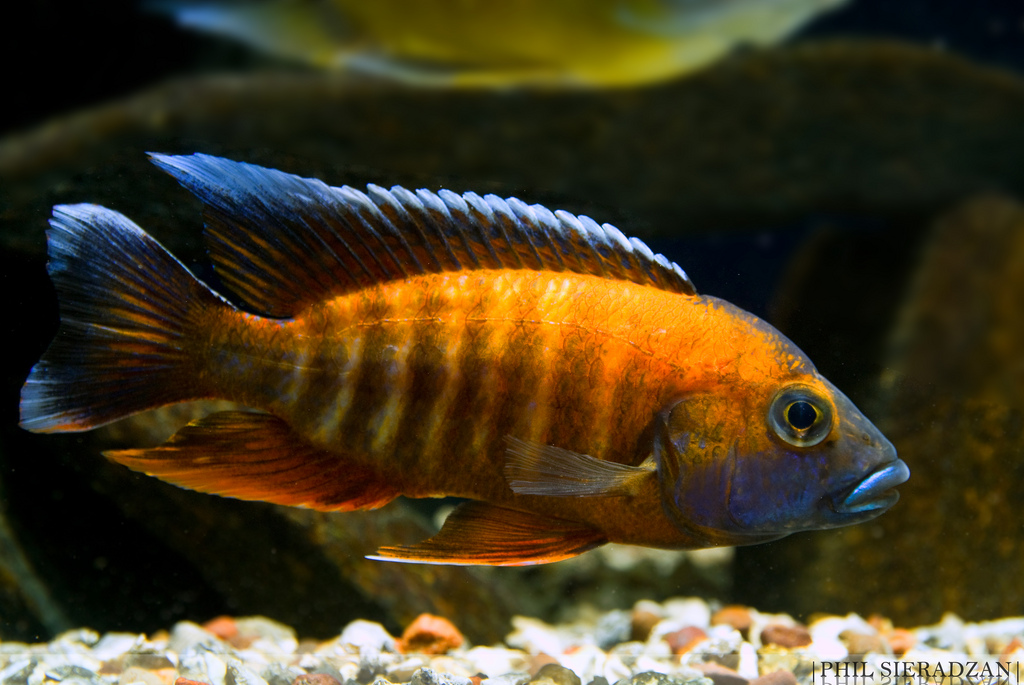
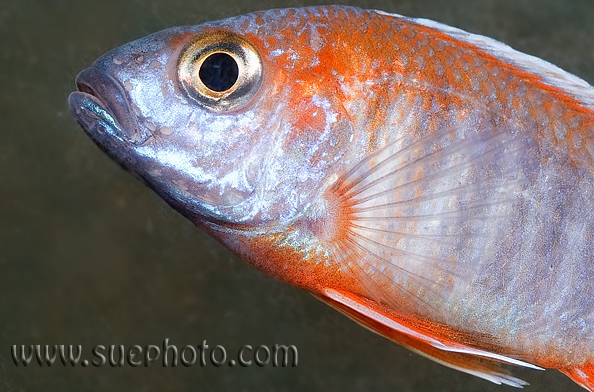
Aulonocara jacobfreibergi 是体型较大的孔雀类慈鲷,背鳍、臀鳍和尾鳍外缘常有宽浅边,尾鳍分叉也较深。它比一些同属鱼强势,特别会针对花纹相近的伙伴,混养不能只看成鱼颜色漂亮。
分布与栖息地
马拉维湖特有,记录分布于多个岬角、岛屿和礁区。典型栖地是岩岸与散石沙底过渡区,范围北端的种群偏爱岩洞和缝隙,大洞内有时可容纳数雄各自的领地。
饲养环境
用细砂底,稳固石堆形成洞穴,同时保留足够开放空间。粗砾可能损伤鳃部、阻碍筛食或被吞入。耐硬水植物可用作点缀。过滤必须成熟有效,避免水质恶化和突然化学变化,每周换水约三至五成。
食性与喂食
属内鱼会借助头部感觉孔发现底部微小动静,并含砂筛取食物。可用细颗粒优质饲料配小型活饵及冷冻饵,部分干粮含植物性原料。每天分三四次少量喂食,既提供多样也避免一次大量投放。
习性与混养
雄鱼对相似颜色和花纹的鱼尤其容易起冲突,伙伴宜温和、外观不同且能应对其活动。多数岩栖慈鲷太强势,其他同属鱼又可能杂交。除极大缸外,通常一雄配四至六雌,避免雄鱼直接竞争。
雌雄区分
雄鱼更大、更鲜艳,成熟后宽浅色鳍缘和分叉尾的特征更醒目。
繁殖
母系口孵,专缸更便于保留鱼苗。设置平石和沙区,一雄配至少四雌以分散追逐压力。雌鱼分批产卵并收入嘴中,追啄雄鱼臀鳍卵点时完成受精。
母鱼一般含卵育幼至约四周,期间常停食。过度紧迫可导致吞卵或提早吐出,移缸时尽量减少干扰,长期隔离还可能影响回群。幼鱼释放时若有卵黄可稍等,耗尽后喂丰年虾无节幼体;约四个月开始较易辨别性别。
补充说明
野生产地型与人工选育型不能只靠商品名混同。黄色产地型的称呼也被用于部分人工品系,饲养和繁殖记录中应同时保留产地及品系来源。
图片
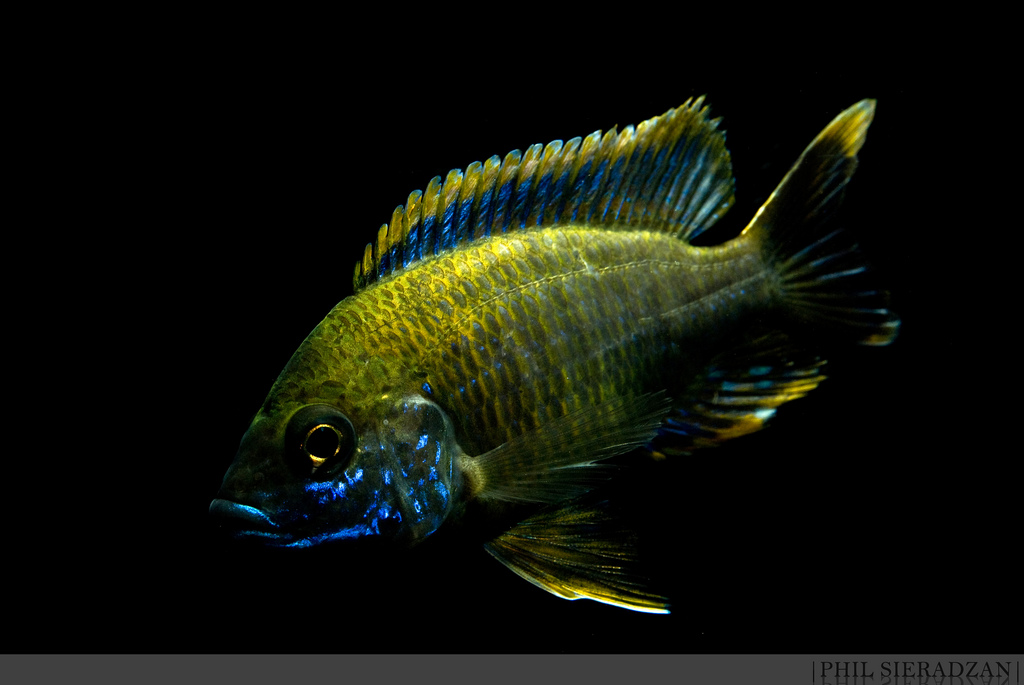
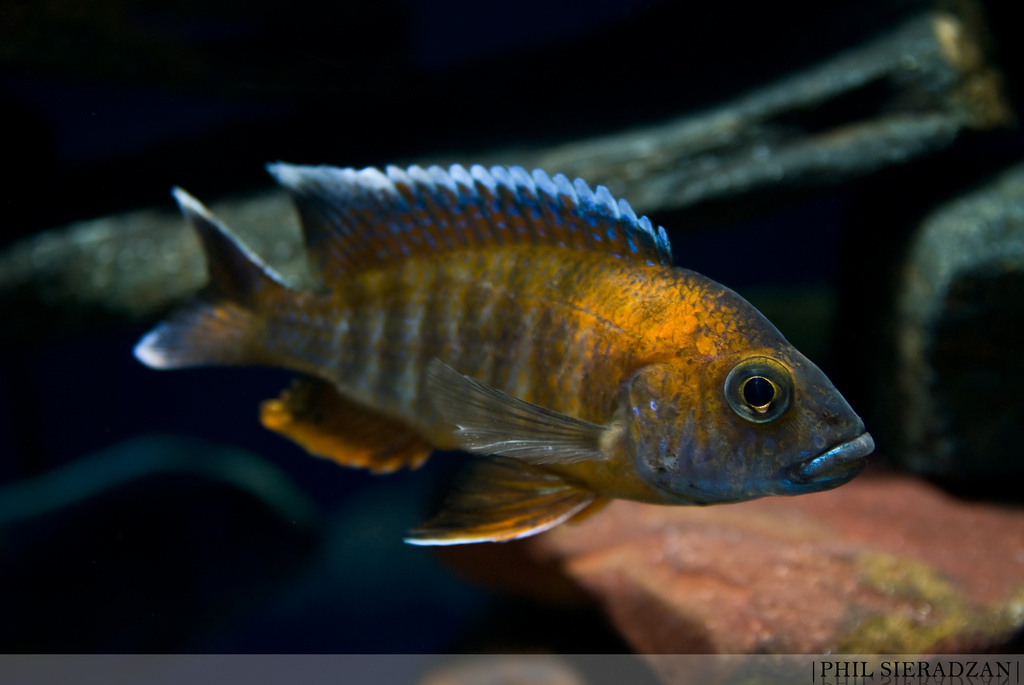
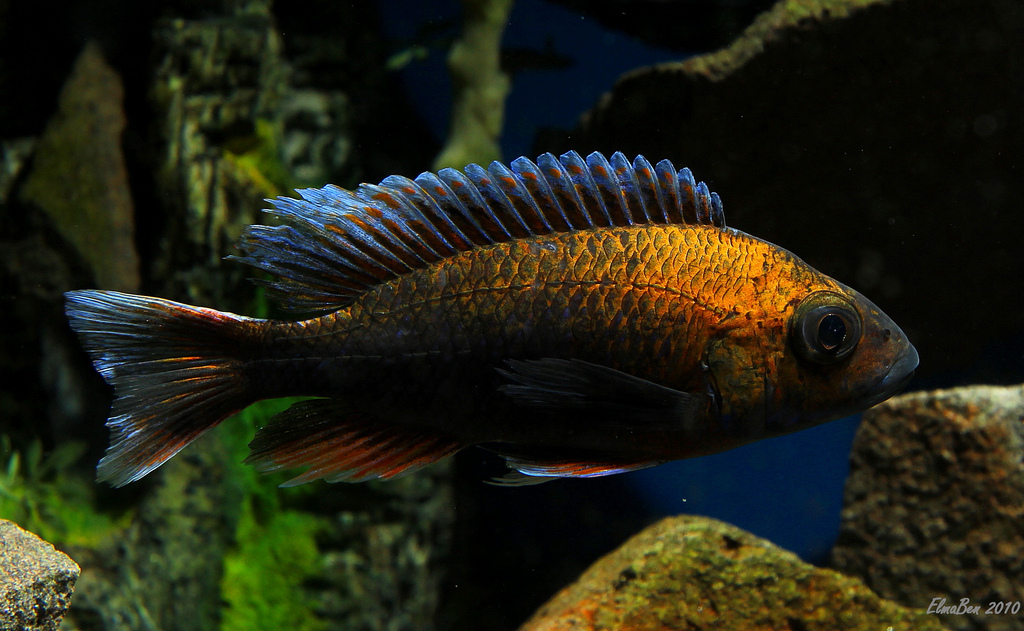
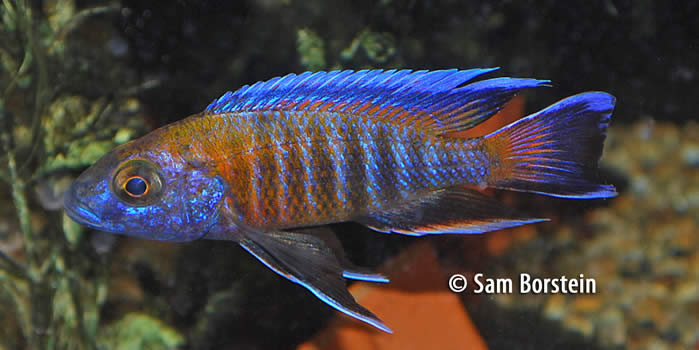
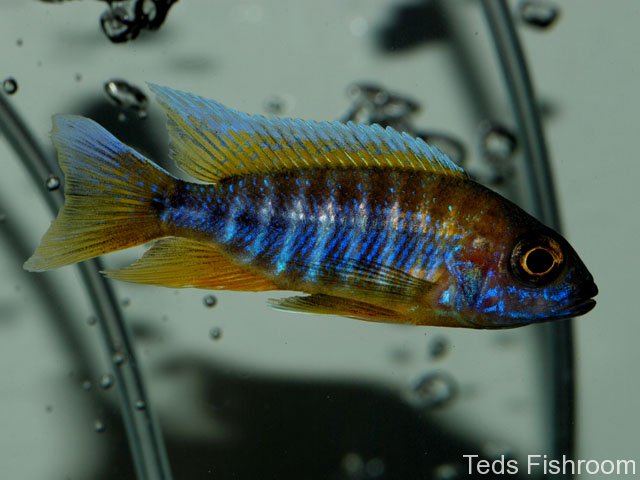
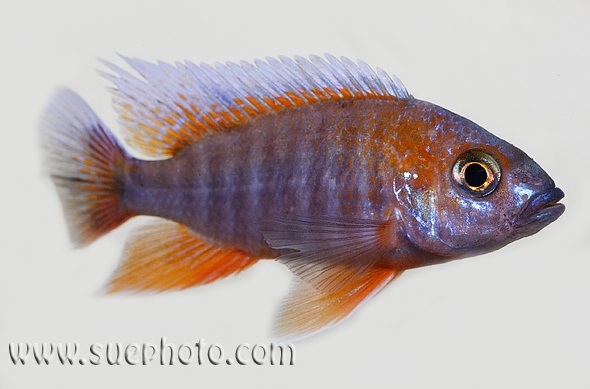
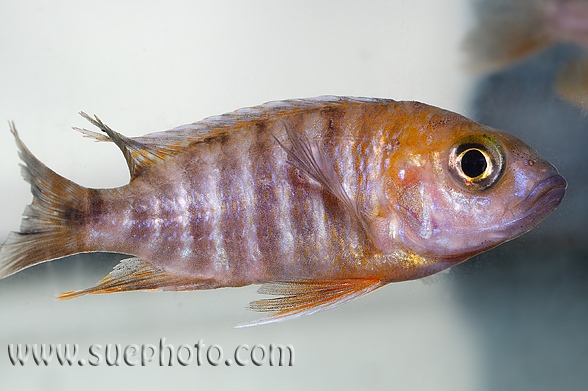
图片来自 SeriouslyFish,版权归各摄影者所有。
English
Overview
One of the larger peacocks, Aulonocara jacobfreibergi has broad pale fin margins and a relatively deeply forked tail. It is less placid than some relatives, particularly toward fishes with similar patterns.
Distribution & habitat
Endemic to Lake Malawi, it is recorded from several islands, reefs, and shoreline sites. Rock–sand transitions are typical. Populations near the northern edge of its range favor caves and crevices, and large caves may contain separate male territories.
Aquarium setup
Combine fine sand with stable rock caves and generous open space. Coarse gravel may harm gills, interfere with sifting, or be swallowed. Hard-water-tolerant plants are optional. Mature effective filtration and weekly changes of roughly 30–50% help prevent pollution and chemical instability.
Diet & feeding
The genus detects small substrate movements using head sensory pores and sifts sand for edible material. Offer fine prepared foods with small live or frozen invertebrates, including plant-rich dry products in the rotation. Three or four modest meals are preferable to one large feeding.
Behaviour & compatibility
Males are especially likely to challenge similarly patterned fish. Choose peaceful but capable companions with different appearance. Most mbuna are too boisterous, while other peacocks may hybridize. One male with four to six females is the usual choice outside exceptionally large aquariums.
Sexual dimorphism
Males grow larger and become more colorful, with conspicuous pale fin margins and a forked tail at maturity.
Breeding
A maternal mouthbrooder, it benefits from a dedicated breeding setup when fry production is the aim. Flat stones and open sand provide sites, and several females distribute male attention. Eggs are gathered in batches and fertilized through the egg-spot display.
Females commonly fast while brooding for up to about four weeks. Excess disturbance may cause brood loss, and prolonged isolation may affect reintegration. Wait for any residual yolk to disappear before feeding released young Artemia nauplii. Sex differences generally emerge around four months.
Notes
Trade names can blur wild locality forms and selectively bred strains. A label used for a natural yellow form has also been applied to ornamental stocks, so record both locality and breeding provenance.
来源
- https://www.seriouslyfish.com/species/aulonocara-jacobfreibergi(抓取于 2026-10-10)
aulonocara-jacobfreibergi · 文件: data/species/aulonocara-jacobfreibergi.md · 状态: 草稿