Aulonocara hansbaenschi · Red Shoulder Peacock
概要
| 字段 | 值 |
|---|---|
| 类别 | 鱼 |
| 学名 | Aulonocara hansbaenschi |
| 分类 | 慈鲷目 Cichliformes › 慈鲷科 Cichlidae › Aulonocara |
| 水体 | 淡水 |
| 原产地 | 马拉维湖的马拉维及莫桑比克沿岸 |
| 成体体长 | 12 cm |
| 饲养难度 | 中等 |
| 最小水体 | 182 L |
| 最小缸长 | 90 cm |
| 群居方式 | 群游 |
| 外部数据 | seriouslyfish aulonocara-hansbaenschi;fishbase 2182 |
| 性情 | 温和 |
| 繁殖方式 | 口孵 |
水质参数
| 参数 | 耐受范围 | 最适范围 | 单位 |
|---|---|---|---|
| 水温 | 24–29 | — | °C |
| pH | 7.4–9 | — | — |
| 总硬度 | 10–25 | — | dGH |
概述
Aulonocara hansbaenschi 是马拉维湖的孔雀类慈鲷,在一个已观察种群中尤其偏爱岩洞和缝隙。它相对温和,但雄鱼会针对近似花纹的伙伴;商品名多样且分类界限有争议,购买时保留产地信息更稳妥。
分布与栖息地
已知点位包括马辛杰、马圭尔堡、马拉岬和西通比岛,集中于湖的东南侧区域。栖地是岩岸向散石沙底过渡的环境;马辛杰观察到它偏爱较浅处的岩洞和缝隙,并不只是一直在开放沙面觅食。
饲养环境
稳固石堆提供洞穴,同时在石堆间保留细砂区。粗砂砾和卵石可能阻碍筛食、伤鳃或被吞入。耐硬水植物可以使用。缸和过滤必须成熟,避免有机污染与水质突变,可靠过滤配每周约三至五成换水更利稳定。
食性与喂食
该属通常利用头部感觉孔探测底部食物并含砂筛选。可喂细颗粒优质配合饲料,搭配丰年虾、红虫、水蚯蚓及蚊幼虫等活饵或冷冻饵;部分干粮应含螺旋藻等植物原料。每天三四次小量投喂比一次大量更适合持续觅食。
习性与混养
选温和且花纹不同的伙伴,避免大多数强势岩栖慈鲷及可能杂交的其他同属鱼。除极大缸外通常一雄配四至六雌,降低多雄争斗,也分散求偶压力。
雌雄区分
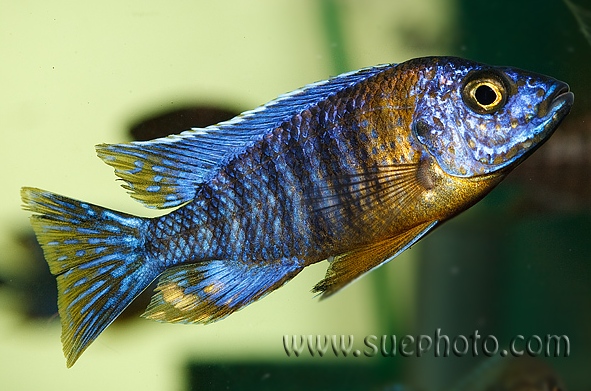
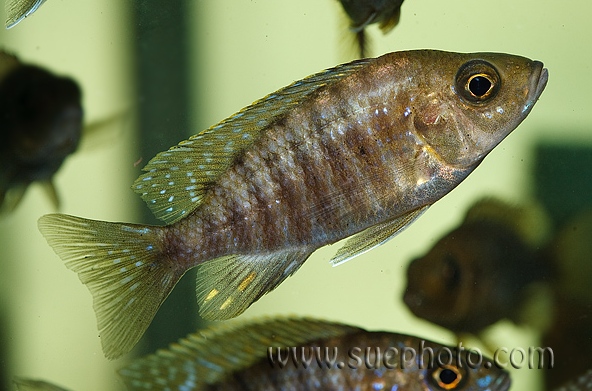
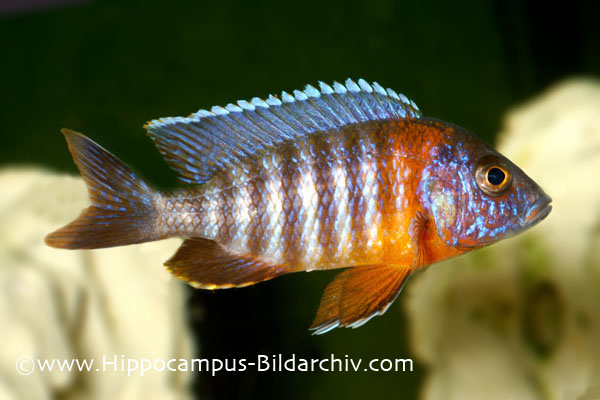
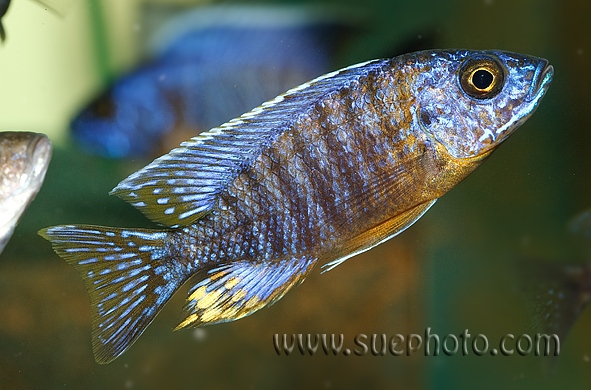
雄鱼比雌鱼大,颜色更鲜艳。
繁殖
母系口孵,可在混养缸繁殖,专缸则较利于育苗。准备平石和沙面,一雄配至少四雌。雌鱼分批产卵、收入嘴中,并通过追啄雄鱼卵点的过程完成受精。
母鱼通常停食,最长含卵育幼约四周。搬动或骚扰可能导致失卵,隔离保护时还要考虑回群后的地位变化。鱼苗如有残余卵黄可暂不投喂,耗尽后用丰年虾无节幼体;约四个月开始出现较易辨别的性别差异。
补充说明
有观点把它视为另一近亲的地理变异,而非独立种。商品标签本身不足以解决这一问题,繁殖群应保持来源清楚。
图片
图片来自 SeriouslyFish,版权归各摄影者所有。
English
Overview
The Lake Malawi peacock Aulonocara hansbaenschi shows a strong preference for rocky cavities at one documented locality. Generally mild, males may still challenge similarly patterned companions. Varied trade names and disputed species limits make provenance useful.
Distribution & habitat
Known localities include Masinje, Fort Maguire, Mara Point, and Thumbi West Island. It occupies rock–sand transition habitat. At Masinje it favors shallow rocky caves and crevices, differing from the familiar image of peacocks feeding only over open sand.
Aquarium setup
Provide stable rockwork with cavities alongside open fine-sand patches. Coarser particles may hinder feeding, injure gills, or be swallowed. Hard-water-tolerant plants are optional. Use mature filtration and avoid pollution or chemical swings, with weekly changes of around 30–50%.
Diet & feeding
The genus typically detects small prey through head sensory pores and sifts substrate. Feed fine prepared foods with small live or frozen Artemia, bloodworms, Tubifex, or mosquito larvae. Include some plant-rich products and split feeding into three or four small portions rather than one heavy meal.
Behaviour & compatibility
Choose peaceful companions with different patterns. Avoid most boisterous mbuna and other members of the genus that may hybridize. One male with four to six females is preferable in all but very large aquariums.
Sexual dimorphism
Males are larger and more colorful than females.
Breeding
A maternal mouthbrooder, it can breed in a community, though dedicated breeding improves fry retention. Flat rocks and sand offer spawning sites, and several females reduce concentrated male harassment. Eggs are collected and fertilized through the egg-spot sequence.
Females normally fast while carrying the brood for up to roughly four weeks. Disturbance may cause loss; long isolation can also affect reintegration. Feed released fry after any remaining yolk is absorbed, starting with Artemia nauplii. Sex differences often become apparent around four months.
Notes
Some authors regard it as a geographic form of a close relative rather than a separate species. Trade labels alone cannot resolve that question; maintain provenance for breeding stock.
来源
- https://www.seriouslyfish.com/species/aulonocara-hansbaenschi(抓取于 2026-10-10)
aulonocara-hansbaenschi · 文件: data/species/aulonocara-hansbaenschi.md · 状态: 草稿