Auchenipterichthys coracoideus · Midnight Catfish
概要
| 字段 | 值 |
|---|---|
| 类别 | 鱼 |
| 学名 | Auchenipterichthys coracoideus |
| 分类 | 鲶形目 Siluriformes › 项鳍鲶科 Auchenipteridae › Auchenipterichthys |
| 水体 | 淡水 |
| 原产地 | 秘鲁、巴西、圭亚那 |
| 成体体长 | 11 cm |
| 饲养难度 | 入门 |
| 最小水体 | 72 L |
| 最小缸长 | 80 cm |
| 性情 | 温和 |
| 外部数据 | seriouslyfish auchenipterichthys-coracoideus;fishbase 53680 |
| 食性 | 肉食 |
| 特征 | 夜行性: 是 |
| 繁殖方式 | 附着产卵 |
水质参数
| 参数 | 耐受范围 | 最适范围 | 单位 |
|---|---|---|---|
| 水温 | 22–25 | — | °C |
| pH | 6–7.2 | — | — |
| 总硬度 | 0–10 | — | dGH |
概述
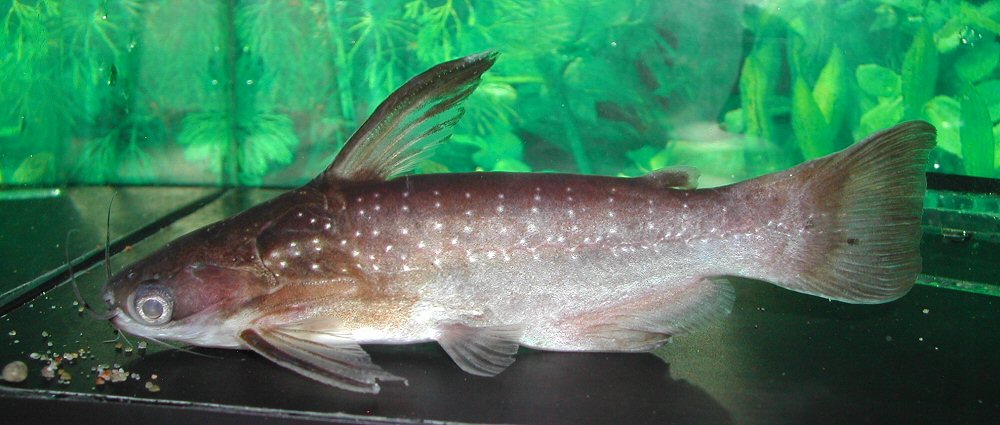
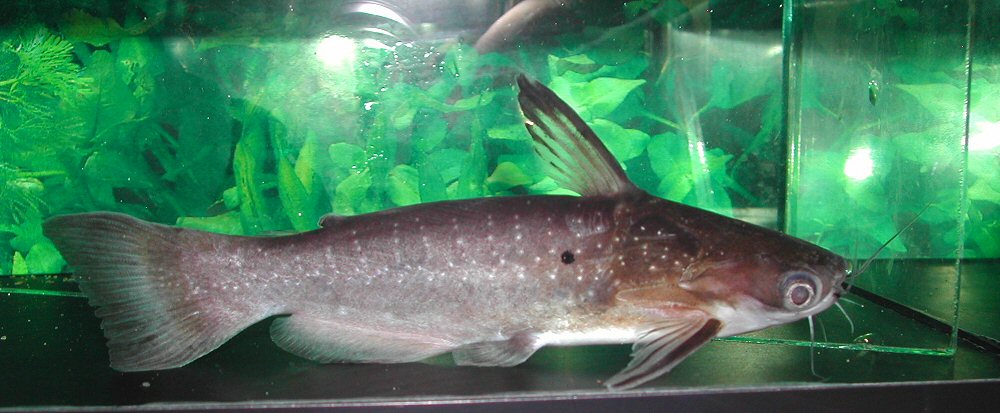
Auchenipterichthys coracoideus 是白天藏身、夜间出游觅食的温和木栖鲶鱼。它会利用沉木根系、水草和空洞树桩躲避,减弱光线通常能让它更容易露面。
分布与栖息地
模式产地为秘鲁东北部伊基托斯,分布被认为涵盖秘鲁及巴西亚马逊中上游,并及巴西和圭亚那的埃塞奎博河流域。利用浑浊河流、支流及泛滥区,白天藏在淹水木结构或植被中。
饲养环境
提供大量藏身处,交错沉木最合适,也可配密植水草。水流尽量轻缓,照明偏暗,有助它减少躲藏。
食性与喂食
天然几乎专吃昆虫及幼体。人工可喂红虫、小蚯蚓等活饵或冷冻饵,多数会逐渐接受沉底干粮。刚入缸时在关灯后投食,更符合其夜间觅食习惯;适应后可能在平时喂食也会出来。
习性与混养
胆小温和,但夜间可能吃掉很小的鱼。体形相近、不好斗的脂鲤、慈鲷以及合适的甲鲶、鼠鱼较可考虑。同种间没有明显攻击性,单尾和群体饲养似乎都能适应。
雌雄区分
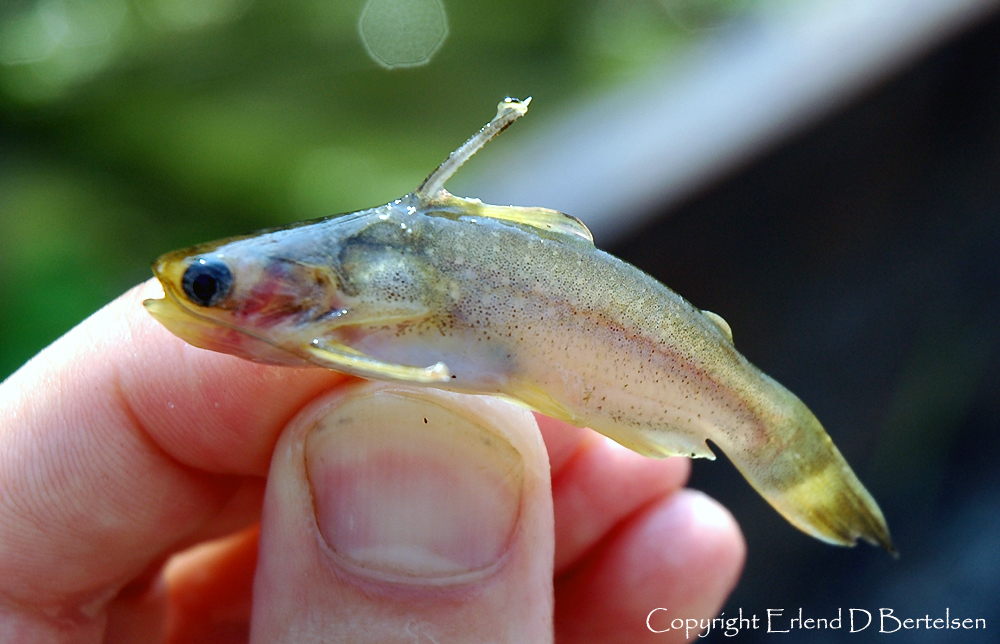
成熟雄鱼臀鳍末端发育出用于交配的钩状延伸,繁殖状态下背鳍棘明显延长。
繁殖
已有水族箱繁殖记录。雄鱼利用改造的臀鳍完成体内受精,随后雌鱼把卵直接产在底床或基质上,没有观察到亲鱼护卵护幼。雌鱼似乎可以储存精子,因为无雄鱼在场时也曾产下受精卵。
补充说明
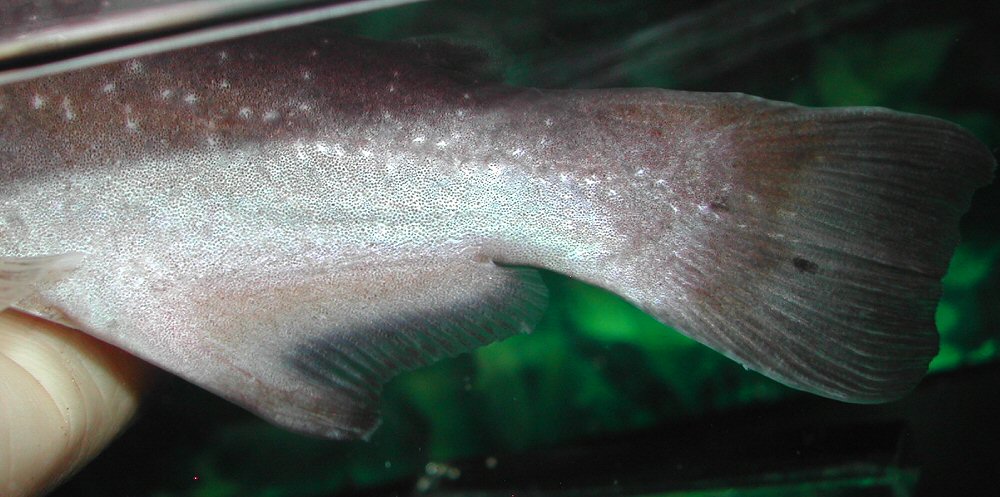
它曾与另一近似种长期混淆,臀鳍鳍条数及产地是有用的鉴别依据。繁殖雄鱼延长的背鳍棘也可作为辅助线索,不能只看贸易名称。
图片
图片来自 SeriouslyFish,版权归各摄影者所有。
English
Overview
A retiring wood-associated catfish, Auchenipterichthys coracoideus shelters by day and moves into open water to feed at night. Tangled roots, plants, and hollow timber provide refuge, and subdued aquarium lighting encourages more visible activity.
Distribution & habitat
Described from Iquitos in northeastern Peru, it is considered widespread through the upper and central Peruvian–Brazilian Amazon and the Essequibo drainage in Brazil and Guyana. It uses turbid rivers, tributaries, and flooded areas, sheltering within submerged wood or vegetation during daylight.
Aquarium setup
Provide numerous retreats, especially tangled driftwood and densely planted patches. Keep current low and lighting subdued to encourage the fish to leave shelter.
Diet & feeding
Insects and their larvae make up nearly all of its natural diet. Offer live or frozen bloodworms, small earthworms, and similar food; most individuals learn to accept sinking preparations. Feed after lights-out initially to match nocturnal foraging. Settled fish may later emerge at ordinary feeding time.
Behaviour & compatibility
Peaceful and shy, it may nevertheless eat very small fish at night. Comparable nonaggressive characins, cichlids, and suitable armored catfish are candidates. It shows no aggression toward its own kind and appears comfortable either alone or in a group.
Sexual dimorphism
Mature males develop a hooklike extension at the anal-fin tip used in mating. Breeding males also show a greatly elongated dorsal spine.
Breeding
Aquarium breeding has occurred. The male uses its modified anal fin for internal fertilization, after which the female lays eggs onto the substrate. Parental guarding has not been observed. Females apparently retain sperm, as fertile eggs have been produced without a male present.
Notes
It has frequently been confused with a similar species. Anal-fin ray counts and provenance help distinguish them, with the extended spine of breeding males providing another clue. Trade names alone are unreliable.
来源
ID:auchenipterichthys-coracoideus · 文件: data/species/auchenipterichthys-coracoideus.md · 状态: 草稿