热带骨雀鳝 · Tropical Gar
概要
| 字段 | 值 |
|---|---|
| 类别 | 鱼 |
| 学名 | Atractosteus tropicus |
| 别名 | 热带雀鳝、熱帶骨雀鱔、熱帶雀鱔 |
| 分类 | 雀鳝目 Lepisosteiformes › 雀鳝科 Lepisosteidae › Atractosteus |
| 水体 | 淡水 |
| 原产地 | 伯利兹、哥斯达黎加、危地马拉、洪都拉斯、墨西哥、尼加拉瓜 |
| 成体体长 | 125 cm |
| 饲养难度 | 中等 |
| 群居方式 | 独居 |
| 水流偏好 | 低 |
| 外部数据 | seriouslyfish atractosteus-tropicus;fishbase 7326 |
| 繁殖方式 | 产卵 |
水质参数
| 参数 | 耐受范围 | 最适范围 | 单位 |
|---|---|---|---|
| 水温 | 22–28 | — | °C |
| pH | 6–8.5 | — | — |
| 总硬度 | 5–25 | — | dGH |
概述
热带骨雀鳝(Atractosteus tropicus)来自中美洲,成年体型大且寿命可达数十年,不适合家庭鱼缸。即使偶有幼鱼出售,长期设施仍应按大型公共展示的规模考虑。
分布与栖息地
从墨西哥南部,经过伯利兹、危地马拉、洪都拉斯、尼加拉瓜,直到哥斯达黎加,分布横跨加勒比海侧与太平洋侧水系。能生活在淡水及咸淡水,常见大湖、河流、缓流支流、回水区和沼泽,偏好有广阔洪泛区的系统,通常不在急流中活动。
饲养环境
只适合极大型公共设施,水流不要过强、照明不要过亮。布置偏好相对简单,并不意味着能缩小成年所需的游动空间。
食性与喂食
按雀鳝类的养护经验,可从适口冷冻鱼虾开始,较大个体用大小合适的整鱼。幼鱼每天喂,成年每周一两餐即可。新到鱼可能不肯吃非活饵,转食应在体况足够时谨慎进行。
极端情况下才暂用活鱼过渡,事先至少两周隔离观察并充分喂养饵鱼,不能把活饵当作没有病原风险的固定菜单。不要喂牛心、禽肉等不合适的陆生动物肉。
习性与混养
最好单养;在大型设施混养时,只选择相似体型、无攻击性且绝不会被它吞食的伙伴。
繁殖
野外在春季利用临时淹水湿地或洪泛区繁殖,雌鱼可同时与多尾雄鱼配对,将卵产在不同深度的水下植物间。孵化约需 48–72 小时,幼体再附着于水下物体 5–10 天,直到卵黄用尽。
这些是天然繁殖过程,人工水族箱繁殖未有记录。卵对人类、甲壳动物和鱼类以外的脊椎动物有毒,不能食用。
补充说明
雀鳝类利用特殊血管化鳔辅助呼吸空气。这种能力属于其生理特点,不能据此忽略长期设施和环境需求。
图片
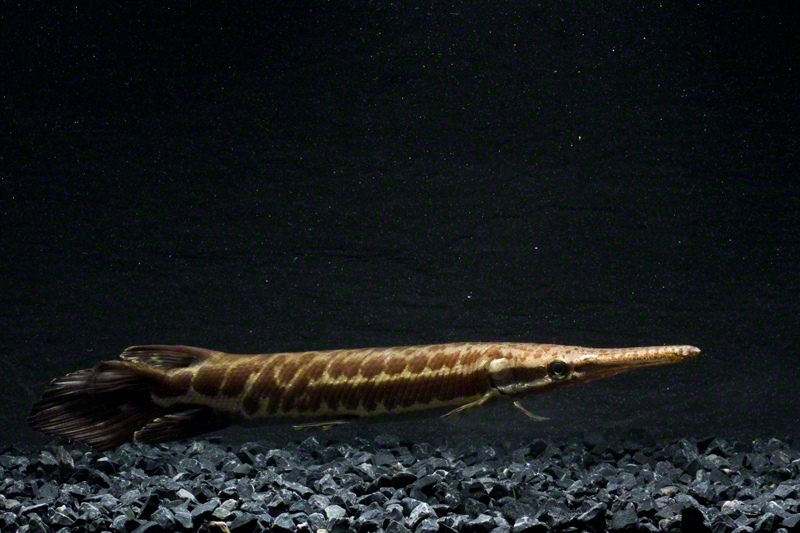
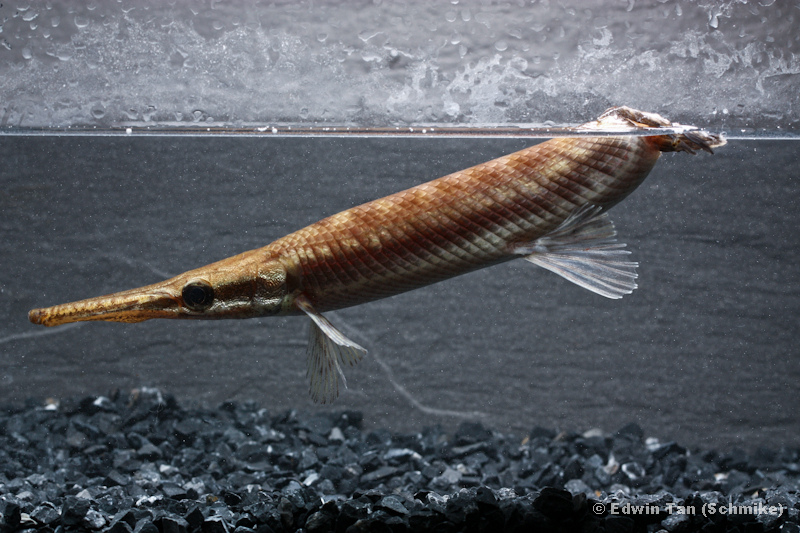
图片来自 SeriouslyFish,版权归各摄影者所有。
English
Overview
A Central American gar with a large adult size and a lifespan of decades, Atractosteus tropicus is unsuitable for home aquaria. Occasional juvenile availability does not change the need for very large public-display accommodation.
Distribution & habitat
The range extends from southern Mexico through Belize, Guatemala, Honduras, and Nicaragua to Costa Rica, across Caribbean and Pacific drainages. It uses fresh and brackish habitats, favoring large rivers, swamps, and floodplains rather than swift current.
Aquarium setup
Only very large public installations are appropriate. Keep current and lighting restrained. Relatively simple layout preferences do not reduce the space required by an adult.
Diet & feeding
General gar-care feeding uses suitably sized frozen fish and shrimp, with whole fish for larger individuals. Juveniles receive daily meals; adults generally need only one or two weekly. New arrivals may resist dead food, and conversion requires adequate body condition.
Use live fish only as a temporary last resort, quarantining and conditioning them for at least two weeks beforehand. They still carry pathogen risks. Mammalian and avian meats are unsuitable.
Behaviour & compatibility
Keep it alone, or in sufficiently large facilities with nonaggressive fish of comparable size beyond swallowing capacity.
Breeding
Spring spawning occurs in temporarily inundated wetlands or floodplains, where a female may associate with several males and place eggs among submerged plants. Incubation lasts about 48–72 hours, followed by 5–10 days of attachment to underwater surfaces while larvae absorb yolk.
This is natural reproductive behavior; aquarium breeding is unrecorded. The eggs are toxic to humans, crustaceans, and nonfish vertebrates and must not be eaten.
Notes
A specialized vascularized swim bladder supports some air breathing in gars. That physiological ability does not replace suitable long-term housing and environmental care.
来源
- https://www.seriouslyfish.com/species/atractosteus-tropicus(抓取于 2026-10-10)
atractosteus-tropicus · 文件: data/species/atractosteus-tropicus.md · 状态: 草稿