大头丽脂鲤 · Two Spot Astyanax
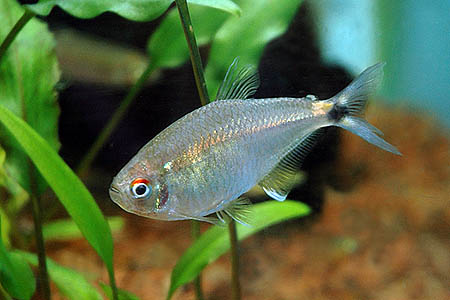
概要
| 字段 | 值 |
|---|---|
| 类别 | 鱼 |
| 学名 | Astyanax bimaculatus |
| 别名 | 大頭麗脂鯉 |
| 分类 | 脂鲤目 Characiformes › 脂鲤科 Characidae › Astyanax |
| 水体 | 淡水 |
| 原产地 | 阿根廷、巴西、哥伦比亚、厄瓜多尔、法属圭亚那、圭亚那、巴拿马、秘鲁、苏里南、特立尼达和多巴哥、委内瑞拉 |
| 成体体长 | 15 cm |
| 饲养难度 | 入门 |
| 最小水体 | 432 L |
| 最小缸长 | 120 cm |
| 群居方式 | 群游 |
| 外部数据 | seriouslyfish astyanax-bimaculatus;fishbase 4475 |
| 食性 | 杂食 |
| 特征 | 啃水草: 是 |
水质参数
| 参数 | 耐受范围 | 最适范围 | 单位 |
|---|---|---|---|
| 水温 | 20–28 | — | °C |
| pH | 5.5–7.5 | — | — |
| 总硬度 | 2–20 | — | dGH |
概述
大头丽脂鲤(Astyanax bimaculatus)体型和活动量都超过许多常见小灯鱼。它不算特别凶,但饲养重点是足够的游动空间及大小合适的同伴,不适合拥挤的小型鱼混养缸。
分布与栖息地
记录范围由巴拿马延伸到亚马孙河和奥里诺科河流域的大部分地区,也包括南美洲多国与特立尼达和多巴哥。它利用的环境很多,从急流河溪到池塘、水沟和水库都有,一些栖地水深与水量随季节明显变化。
饲养环境
优先留下宽阔游动区,再用沉木、根枝和圆石布景,让出水口在缸中形成一定水流。水草很可能被啃食,水榕、铁皇冠等硬叶植物或许能保留,但不能保证不受损。
食性与喂食
野外为杂食性,主要吃无脊椎动物和植物材料。缸中可用优质干饲料作为日常食物的一部分,规律搭配活饵、冷冻饵料,兼顾不同食物来源。
习性与混养
成年后的体型和旺盛活动会给小鱼或行动很慢的鱼造成压力。较大的缸里,它可作为群居大型脂鲤的另一种选择,但不能因为攻击性不强就忽视体型差距。
雌雄区分
雌鱼抱卵时腹部明显圆鼓,颜色通常比雄鱼略淡。
繁殖
较成功的配法是一雌配两雄。繁殖缸可少照明或不专门开灯,加入细叶植物或莫丝作为产卵介质,并配海绵过滤。先在另一缸用较多活饵调养亲鱼,再把腹部饱满的雌鱼和两条雄鱼放入,常在次日早晨产卵。
一条雌鱼可产数千粒卵,约一天孵化,最快再过半天便可能自由游动。开始游动时可喂丰年虾无节幼体,之后逐渐加入细粉干饲料;规律换水有助于快速生长,需提前准备足够的育苗空间。
补充说明
贸易中并不常作为专门品种出售,偶尔混在其他野生鱼货中出现。这个名称可能涵盖至少四个分类单元,外观或产地相似不代表种群身份已经厘清。
图片
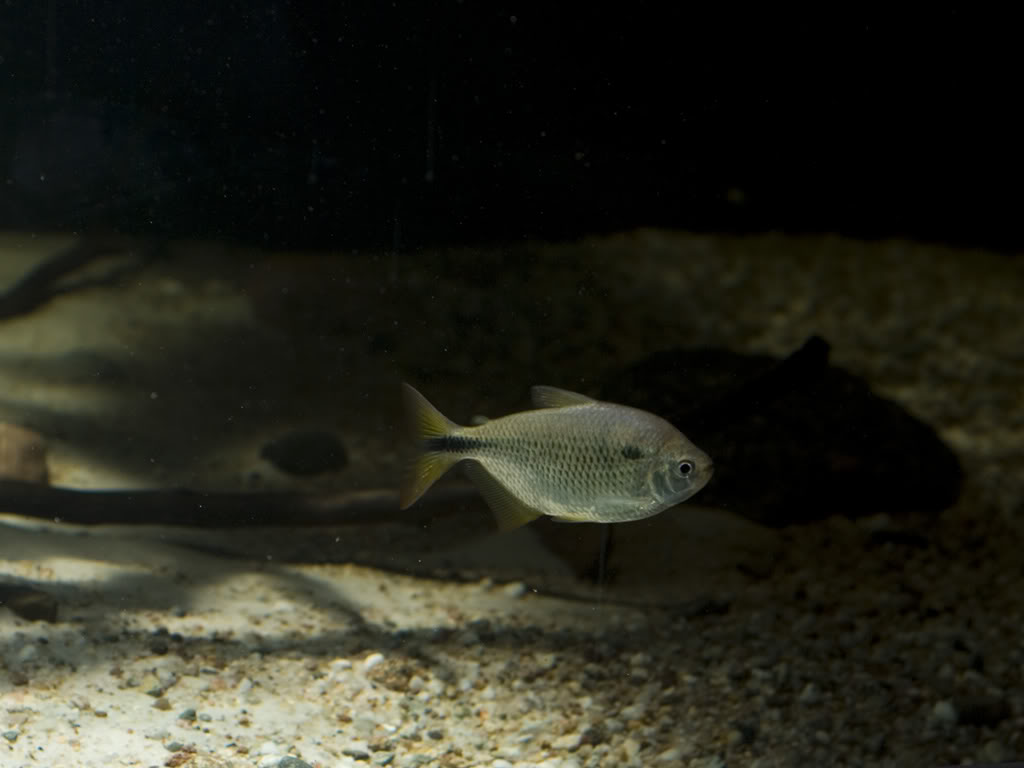
图片来自 SeriouslyFish,版权归各摄影者所有。
English
Overview
Astyanax bimaculatus is a substantial, energetic characid rather than a small community tetra. Providing open space and appropriately sized companions matters more than elaborate decoration. Its activity can be unsuitable for small or sluggish fishes even without pronounced aggression.
Distribution & habitat
Records extend from Panama across much of the Amazon and Orinoco systems, with numerous South American countries and Trinidad and Tobago included. It occupies habitats ranging from fast streams and rivers to reservoirs, ponds, and ditches. Seasonal changes in depth and water volume can be considerable.
Aquarium setup
Reserve most of the layout for swimming. Wood, branching roots, and rounded stones provide structure without filling that space. Direct the filter return to create some current. Plants are likely to be eaten; tough-leaved choices such as anubias or Java fern might survive, but damage remains possible.
Diet & feeding
Wild fish are omnivores, taking mainly invertebrates and plant material. Good dry foods can form much of the aquarium diet, supplemented regularly with live and frozen items.
Behaviour & compatibility
It is not notably aggressive, but its mature size and vigorous movement rule out communities centered on tiny or very slow species. In a spacious aquarium it offers an alternative to some of the larger, disk-shaped characids.
Sexual dimorphism
Females become conspicuously rounded when carrying eggs and tend to show less intense coloration than males.
Breeding
A ratio of two males to one female has produced the best reported results. Set up a dim or unlit breeding aquarium with fine-leaved plants or moss and a sponge filter. Condition the fish separately with abundant live food, then transfer a ripe female and two males. Spawning commonly follows the next morning.
One female may release several thousand eggs. Hatching takes about a day, and independent swimming may begin only another twelve hours later. Newly hatched brine shrimp can be offered at that stage, with powdered dry food introduced later. Growth is rapid with regular water changes, so sufficient rearing space is essential.
Notes
This fish appears only occasionally in trade, often mixed into shipments of other species. The name may cover a complex of at least four taxa, so the identity of geographically different populations remains an issue.
来源
- https://www.seriouslyfish.com/species/astyanax-bimaculatus(抓取于 2026-10-10)
astyanax-bimaculatus · 文件: data/species/astyanax-bimaculatus.md · 状态: 草稿