西氏拟海鲶 · Colombian Shark Catfish
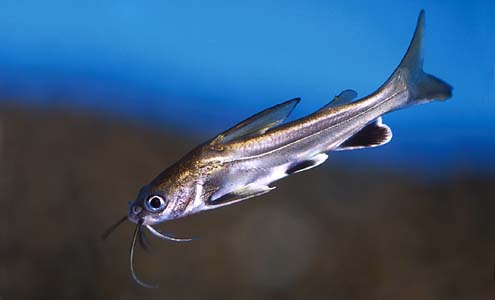
概要
| 字段 | 值 |
|---|---|
| 类别 | 鱼 |
| 学名 | Ariopsis seemanni |
| 别名 | 西曼海鲶、乔氏雅首海鲶、西氏擬海鯰、西曼海鯰、喬氏雅首海鯰 |
| 分类 | 鲶形目 Siluriformes › 海鲶科 Ariidae › Ariopsis |
| 水体 | 淡水 |
| 原产地 | 哥伦比亚、哥斯达黎加、厄瓜多尔、萨尔瓦多、危地马拉、墨西哥、尼加拉瓜、巴拿马、秘鲁 |
| 成体体长 | 35 cm |
| 饲养难度 | 中等 |
| 最小水体 | 864 L |
| 最小缸长 | 240 cm |
| 群居方式 | 群游 |
| 性情 | 温和 |
| 外部数据 | seriouslyfish ariopsis-seemanni;fishbase 13480 |
| 繁殖方式 | 口孵 |
水质参数
| 参数 | 耐受范围 | 最适范围 | 单位 |
|---|---|---|---|
| 水温 | 22–26 | — | °C |
| pH | 6.8–8.5 | — | — |
| 总硬度 | 10–30 | — | dGH |
概述
西氏拟海鲶(Ariopsis seemanni)是以河口半咸水生活为主的大型海鲶,常以银亮幼鱼出售,但不能长期按普通淡水混养鱼饲养。购买前须有足够大的终身设施,并理解随生长而改变的盐度需求。
分布与栖息地
沿美洲太平洋岸分布,从墨西哥经中美洲至哥伦比亚、厄瓜多尔和秘鲁。主要出现在通向太平洋的河口,有时深入内陆河段。
通常生活在半咸水,也能耐受海水,对淡水的耐受相对有限,不能把幼鱼能住淡水等同于成年长期适宜。
饲养环境
需要大面积开阔游动空间,底面积至少约 240 × 60 cm。河砂搭配沉木枝条或红树根即可形成合适结构,不必用过多布景占满游动区。提供良好溶氧和水流,多数常见淡水草不适合其长期所需盐度。
幼鱼可以暂养在较硬淡水中,但长大后须加入海水盐,成鱼适合半咸水甚至海水。半咸水设置可参考比重约 1.005,并随年龄适当提高;成年长期纯淡水会难以维持良好状态。
食性与喂食
幼鱼可吃红虫等小型动物性饵料,较大的鱼可喂蚯蚓、贝肉、虾与沉底片状饲料。部分个体初期不愿吃干粮,通常能够逐渐适应,需实际观察是否摄入。
习性与混养
不会主动攻击大到不能吞食的伙伴,但可入口的小鱼存在被吃风险。适合尺寸足够大的半咸水系统,与同种较和平,小群饲养表现更好。
不能仅凭“性情温和”就忽略成年体形、盐度和伙伴尺寸的匹配。
雌雄区分
幼鱼难以辨别,成熟雌鱼体形较雄鱼更厚实。
繁殖
属于雄性口孵。自然繁殖发生在海中,雄鱼将卵收入口中孵育,随后逆流进入淡水河段释放鱼苗。幼鱼早期在淡水中生活,之后迁回沿海。
水族饲养中的繁殖尚未有明确确认,模拟这种海水至河流的繁殖迁移很困难,不能把幼鱼适应淡水视为全生活史都应在淡水完成。
补充说明
成长中可能出现不安和突然冲刺,这被认为或与迁徙本能有关,不能视为已经确定的单一病因。盐度变化可能影响这种行为的说法仍带推测性。
第一背鳍硬棘基部有产毒腺,刺伤会造成明显疼痛与肿胀,维护、捞取和移动时应避开硬棘;遭刺伤后应寻求医疗帮助。
它还可摩擦胸鳍与关节部位发声,群养时隔着玻璃也可能听见。声音可能用于同种交流,回声定位用途则未确定。
图片
图片来自 SeriouslyFish,版权归各摄影者所有。
English
Overview
Ariopsis seemanni is a large estuarine catfish commonly offered as an attractive silver juvenile. It is not a lifelong freshwater community fish. Suitable adult facilities and an understanding of its changing salinity needs are prerequisites for purchase.
Distribution & habitat
Its Pacific coastal range extends from Mexico through Central America to Colombia, Ecuador, and Peru. River mouths are the main habitat, although individuals sometimes travel well inland.
Brackish water is typical. It also tolerates seawater and, to a lesser extent, freshwater. The ability of juveniles to live in freshwater does not establish long-term suitability for adults.
Aquarium setup
Provide a substantial open swimming area, with a footprint of at least around 240 × 60 cm. River sand and branches or mangrove roots create structure without consuming too much cruising space. Good oxygenation and water movement are appropriate. Most familiar freshwater plants fare poorly under the salinity required for long-term maintenance.
Young fish can initially be maintained in hard freshwater, but marine salt becomes necessary as they grow. Adults can live in brackish or marine conditions. A specific gravity near 1.005 is a useful brackish reference, with higher salinity possible as the fish matures. Permanent freshwater maintenance leads to poor condition beyond the small juvenile stage.
Diet & feeding
Bloodworms and other small animal foods suit juveniles. Larger specimens accept earthworms, mussel, prawn, and sinking tablets. Dry food may initially be refused, but acceptance often develops; verify actual consumption rather than assuming the fish has eaten.
Behaviour & compatibility
Tankmates too large to swallow are not normally attacked, but small edible companions remain at risk. The species suits a suitably spacious brackish installation and is peaceful with its own kind, doing best in a small group.
A peaceful temperament does not remove the need to match adult dimensions, salinity, and companion size.
Sexual dimorphism
Juveniles are difficult to sex. Mature females have a thicker body than males.
Breeding
The male incubates eggs in his mouth. Natural spawning takes place at sea; after incubation, males travel upriver and release their young in freshwater. The offspring spend their early development there before returning toward the coast.
Aquarium reproduction remains unconfirmed, and recreating this marine-to-river reproductive movement is difficult. Freshwater juveniles should not be taken as evidence that the complete life cycle belongs in freshwater.
Notes
Periods of agitation and rapid dashing can occur during growth and may relate to migration. This explanation is tentative, as is the suggestion that salinity changes can help settle the fish.
Venom-producing tissue at the base of the first dorsal spine can cause a painful, swollen puncture wound. Avoid the spine during maintenance and transfers, and seek medical attention after a sting.
The fish can also generate audible sounds by rubbing the pectoral fins against their sockets. Communication with companions is a possible function; an echolocation role remains speculative.
来源
- https://www.seriouslyfish.com/species/ariopsis-seemanni(抓取于 2026-10-10)
ariopsis-seemanni · 文件: data/species/ariopsis-seemanni.md · 状态: 草稿