黑魔鬼 · Black Ghost Knifefish
概要
| 字段 | 值 |
|---|---|
| 类别 | 鱼 |
| 学名 | Apteronotus albifrons |
| 别名 | 線翎電鰻、线翎电鳗 |
| 分类 | 裸背鱼目 Gymnotiformes › 无背鱼科 Apteronotidae › Apteronotus |
| 水体 | 淡水 |
| 原产地 | 玻利维亚、巴西、哥伦比亚、厄瓜多尔、法属圭亚那、圭亚那、巴拉圭、秘鲁、苏里南、委内瑞拉 |
| 成体体长 | 50 cm |
| 饲养难度 | 中等 |
| 最小水体 | 648 L |
| 最小缸长 | 180 cm |
| 群居方式 | 独居 |
| 外部数据 | seriouslyfish apteronotus-albifrons;fishbase 12220 |
| 食性 | 肉食 |
| 性情 | 温和 |
水质参数
| 参数 | 耐受范围 | 最适范围 | 单位 |
|---|---|---|---|
| 水温 | 23–28 | — | °C |
| pH | 6–8 | — | — |
| 总硬度 | 5–10 | — | dGH |
概述
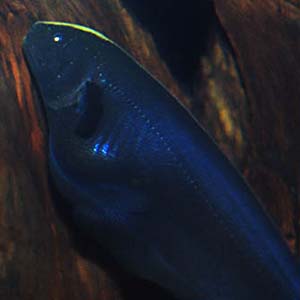
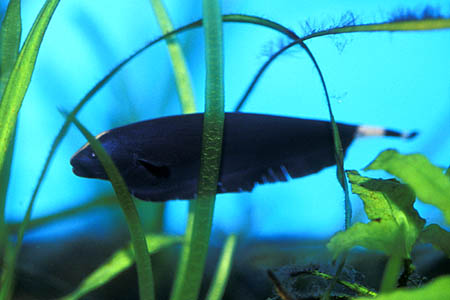
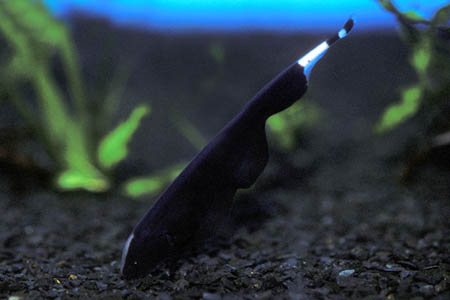
黑魔鬼(Apteronotus albifrons)是一种体形独特的弱电刀鱼,依靠起伏的鳍运动,可向不同方向甚至向后游动。常见出售个体很小,成年却需要大型鱼缸,购入时就应准备长期空间方案。
分布与栖息地
记录分布广及南美洲北部到中部,从哥伦比亚、委内瑞拉、圭亚那地区和厄瓜多尔,延至秘鲁、玻利维亚、巴西与巴拉圭。天然生活在多为砂底的较快流水溪河,雨季也进入淹水森林。
饲养环境
成年至少参考 180 × 60 × 60 厘米。细软砂底配大石、沉木、树根和水草,给足躲藏处;照明柔和,或用浮水植物遮光,暗些更容易出动。可提供一定水流,但只要溶氧充足,并非一定要强造流。
真正不可缺的是高效过滤和严格维护,它对水质恶化敏感,不能因为躲藏多、看起来安静就忽略清洁。
食性与喂食
天然主要捕食昆虫和蠕虫,人工应让活饵与冷冻饵占较大部分,可用虾肉、蚯蚓等;多数经过适应也会学吃干饲料。它常在底部取食,投饵时要确保食物能落到能吃到的位置。
习性与混养
总体温和甚至胆怯,不宜配过分活跃或凶猛的鱼。较大个体可能吞食小鱼,伙伴要温和且足够大,可考虑合适体型的慈鲷、大型脂鲤和鲶类。
同种之间可能强势争斗,单尾更容易安排;若只养两尾,强者可能长期压迫弱者,使其不敢进食而消瘦。群养必须有非常大的缸,不能简单认为多加一尾就能作伴。
繁殖
印度尼西亚已有大型室外池塘商业繁殖,但家庭水族箱繁殖尚未记录,不能将商业规模的成功等同于家养已有固定流程。
补充说明
视力较差,弱电场是定位和感知猎物的重要方式,周围物体或动作引起的电场变化会被感知。这套能力也用于同类交流和寻找伴侣,不能把“电鳗”旧名理解为像大型电鳗那样强力放电。
图片
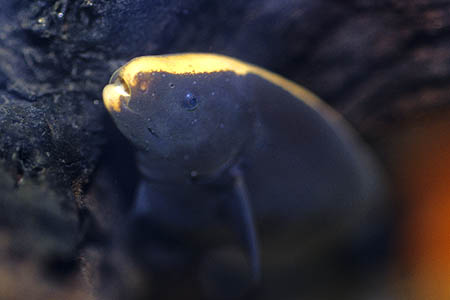
图片来自 SeriouslyFish,版权归各摄影者所有。
English
Overview
A weakly electric knifefish, Apteronotus albifrons moves by undulating its fins and can travel backward without sharply bending the body. Small specimens in shops conceal a substantial adult housing requirement. Long-term accommodation should be planned before purchase.
Distribution & habitat
Recorded range covers much of northern and central South America, from Colombia and the Guianas through the Amazon region to Paraguay. Typical habitat consists of sandy, fast-flowing streams and rivers, with flooded forest also used during the wet season.
Aquarium setup
An adult needs at least the suggested 180 by 60 by 60 cm. Use soft sand and ample cover from rocks, wood, roots, or plants. Low lighting or floating shade encourages activity. Some current is useful, but strong flow is unnecessary when oxygenation is good.
Efficient filtration and rigorous upkeep are essential because deteriorating water quality is poorly tolerated.
Diet & feeding
Insects and worms form the main natural prey, so live and frozen foods should remain prominent. Shrimp and earthworms are particularly well accepted, while many specimens learn to take dry foods. Ensure offerings reach its bottom-feeding area.
Behaviour & compatibility
Generally peaceful and timid, it does poorly with boisterous or aggressive tankmates. Larger individuals may eat small fish, so companions should be placid and safely sized. Appropriate cichlids, larger characins, and catfish are options.
Conspecific disputes make single housing easier. In a pair, the dominant fish may suppress the other’s feeding until it loses condition. Groups need exceptionally large accommodation.
Breeding
Commercial breeding takes place in large outdoor ponds in Indonesia, but home-aquarium reproduction is unrecorded. Commercial success does not supply a demonstrated household breeding protocol.
Notes
Poor vision is supplemented by a weak electric field that detects disturbances from nearby objects and movement. The same sensory system supports communication and mate finding. Its electrical abilities should not be confused with the powerful discharge of an electric eel.
来源
- https://www.seriouslyfish.com/species/apteronotus-albifrons(抓取于 2026-10-10)
apteronotus-albifrons · 文件: data/species/apteronotus-albifrons.md · 状态: 草稿