斯坦氏隐带丽鱼 · Steindachner's Apisto
概要
| 字段 | 值 |
|---|---|
| 类别 | 鱼 |
| 学名 | Apistogramma steindachneri |
| 别名 | 斯坦氏隱帶麗魚、A138、Heterogramma steindachneri、Apistogramma ornatipinnis、Apistogramma wickleri |
| 分类 | 慈鲷目 Cichliformes › 慈鲷科 Cichlidae › Apistogramma |
| 水体 | 淡水 |
| 原产地 | 圭亚那、苏里南 |
| 成体体长 | 8 cm |
| 饲养难度 | 中等 |
| 最小水体 | 81 L |
| 最小缸长 | 90 cm |
| 群居方式 | 成对 |
| 外部数据 | seriouslyfish apistogramma-steindachneri;fishbase 46707 |
| 食性 | 肉食 |
| 繁殖方式 | 附着产卵 |
| 领地性 | 是 |
水质参数
| 参数 | 耐受范围 | 最适范围 | 单位 |
|---|---|---|---|
| 水温 | 20–25 | — | °C |
| pH | 4–7.5 | — | — |
| 总硬度 | 1–10 | — | dGH |
概述
斯坦氏隐带丽鱼(Apistogramma steindachneri)对水化学要求相较部分近缘种稍宽,但仍偏好软、微酸的稳定水。成熟雄鱼会建立领地,缸内安排要同时考虑遮蔽和底面积。
分布与栖息地
见于圭亚那与苏里南多个河流系统,包括德梅拉拉河和埃塞奎博河。栖于缓流支流和溪流,底部有落叶及沉木;一处苏里南记录为白沙、落叶、枝条组成的清澈黑水林溪。委内瑞拉近似鱼是否同种尚不确定。
饲养环境
底面至少 90 × 30 厘米。以细沙、沉木、洞穴和落叶形成多处隐蔽区,人工陶罐或管段也可用。弱光及浮水植物柔化照明,耐阴水草作补充。过滤不必很强,成熟海绵过滤可用;不要放入生物系统未成熟的缸,控制积污和水质波动。
食性与喂食
主要取食底部小型无脊椎动物。日常用丰年虾、水蚤、红虫等活饵或冷冻饵料,逐步尝试合适颗粒;干粮不应完全取代多样动物性食物。
习性与混养
人工繁殖鱼较适合混养,野生鱼宜单种或配少量温和小鱼,避免其他隐带丽鱼。成熟雄鱼会驱赶附近雄鱼,通常能容忍数尾雌鱼,但空间与遮挡必须足够。
雌雄区分
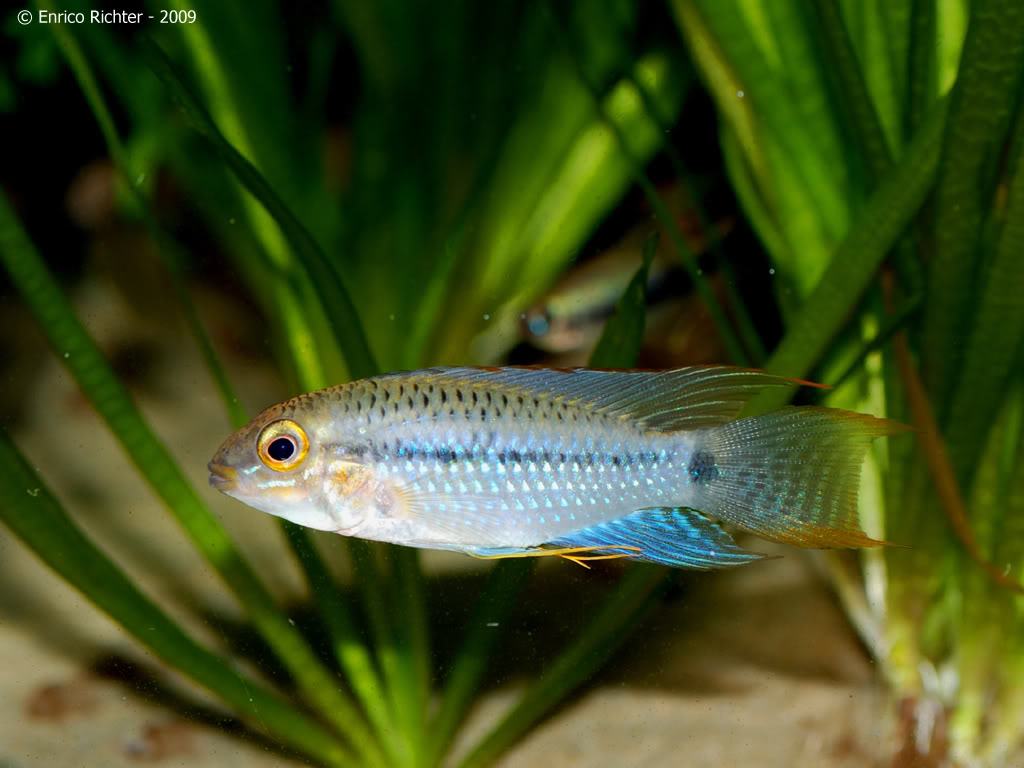
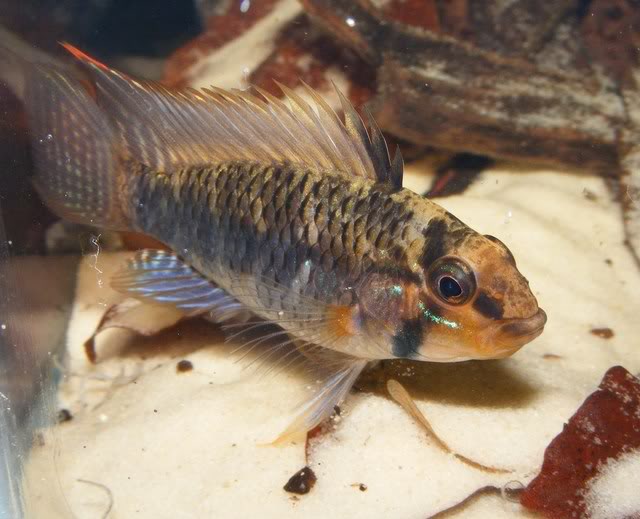
雄鱼体型更大、颜色更浓,鳍延长较明显。
繁殖
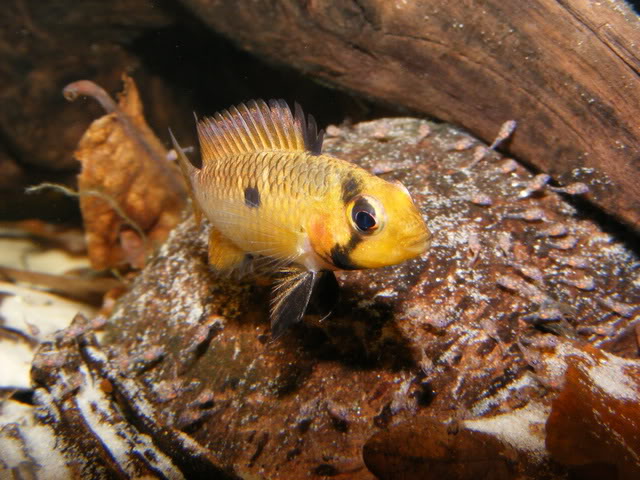
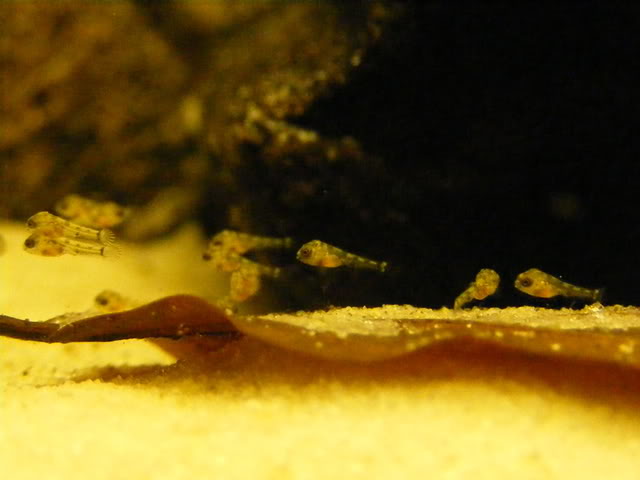
洞穴或缝隙基面产卵后,雌鱼照料卵和鱼苗,雄鱼通常保卫较大领地并向其他雌鱼求偶;单对饲养时也可能协助保护平游幼鱼。卵随温度约 36~72 小时孵化,再过数天平游。
补充说明
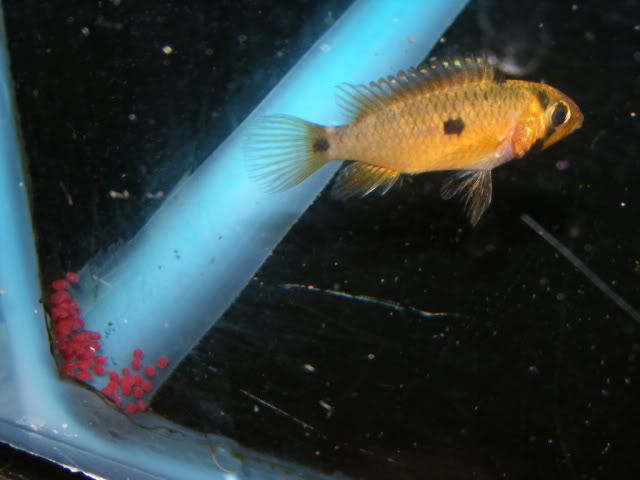
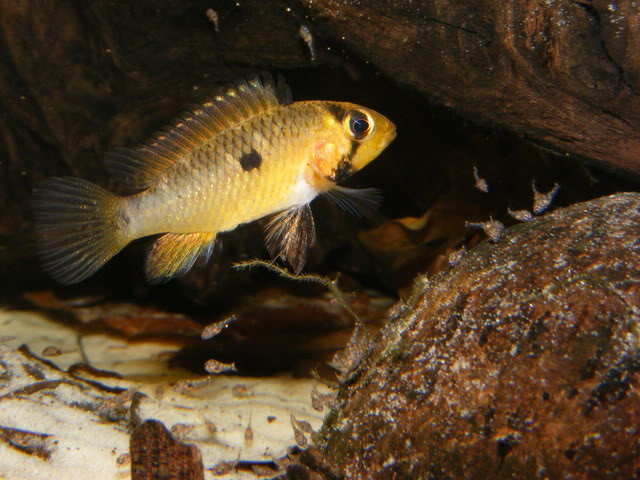
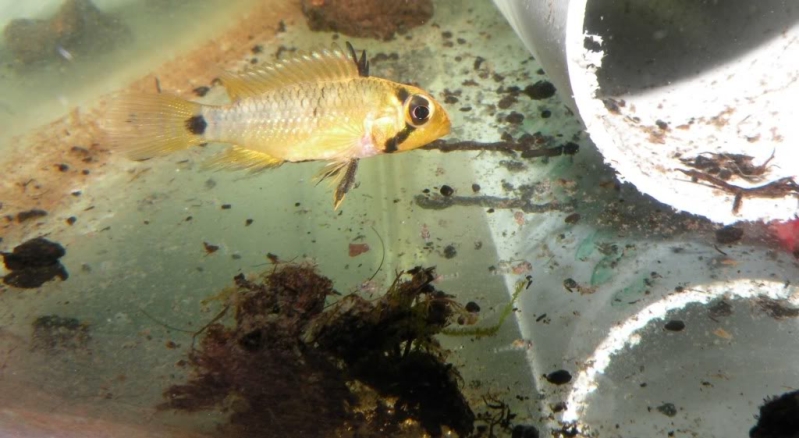
德梅拉拉型编号 A138,委内瑞拉近似型为 A139。窄体侧带上的三角斑、尾鳍基部圆斑及缺少腹纹,可组合辅助辨认。
图片
图片来自 SeriouslyFish,版权归各摄影者所有。
English
Overview
Apistogramma steindachneri is somewhat less demanding about chemistry than many relatives, while soft mildly acidic water remains preferable. Adult males defend territories, making floor space and separate shelters important features of the aquarium.
Distribution & habitat
Its range spans river systems of Guyana and Suriname, including the Demerara and Essequibo. Slow tributaries contain leaf litter and submerged wood. A Surinamese locality had clear blackwater over white sand and fallen branches. Similar Venezuelan fish have an unresolved identity.
Aquarium setup
Use at least a 90 by 30 cm footprint. Soft sand, branches, leaves and multiple caves provide shelter; artificial pots or pipes are also useful. Subdued light and floating cover suit the arrangement. Gentle filtration is sufficient, but biological maturity and consistent water quality are essential. Do not confuse tolerance of a broader chemistry range with tolerance of accumulated waste.
Diet & feeding
Offer regular live or frozen invertebrate meals, reflecting the genus’s chiefly carnivorous feeding. Suitable pellets can be introduced as an additional food.
Behaviour & compatibility
Captive-raised fish are preferable for community use. Wild specimens suit dedicated setups or small reassuring companions, without other apistogrammas. Mature males repel neighboring males while generally tolerating several females.
Sexual dimorphism
Males are larger and more colorful, with extended fins.
Breeding
After sheltered substrate spawning, the female tends the brood while the male usually patrols his wider territory. A singly housed pair may show some male assistance once fry swim freely. Incubation varies with temperature, commonly lasting thirty-six to seventy-two hours, followed by several more days before swimming.
Notes
A138 identifies the Demerara form and A139 the uncertain Venezuelan counterpart. Body and tail spots, a narrow lateral band and absence of abdominal stripes form a useful identification combination.
来源
- https://www.seriouslyfish.com/species/apistogramma-steindachneri(抓取于 2026-10-10)
apistogramma-steindachneri · 文件: data/species/apistogramma-steindachneri.md · 状态: 草稿