Apistogramma sp. 'Kelleri'
概要
| 字段 | 值 |
|---|---|
| 类别 | 鱼 |
| 学名 | Apistogramma sp. 'Kelleri' |
| 分类 | 慈鲷目 Cichliformes › 慈鲷科 Cichlidae › Apistogramma |
| 水体 | 淡水 |
| 原产地 | 哥伦比亚亚马孙省莱蒂西亚附近森林小支流 |
| 成体体长 | 8 cm |
| 饲养难度 | 中等 |
| 最小水体 | 54 L |
| 最小缸长 | 60 cm |
| 外部数据 | seriouslyfish apistogramma-sp-kelleri |
| 繁殖方式 | 口孵 |
水质参数
| 参数 | 耐受范围 | 最适范围 | 单位 |
|---|---|---|---|
| 水温 | 22–29 | — | °C |
| pH | 4–6 | — | — |
| 总硬度 | 0–5 | — | dGH |
概述
Apistogramma sp. ‘Kelleri’ 是会采用兼性口孵的未定名短鲷,亲鱼也可能全程在底部浅坑照顾后代。商品名及产地曾有更正,维护繁殖群时应保留可靠来源,不能把不同标签自动当作不同种。
分布与栖息地
已知仅在哥伦比亚莱蒂西亚附近的森林小支流,推测属于索利蒙伊斯河北岸。该地区位于哥伦比亚、巴西和秘鲁三国交界。精确微栖地尚未明确,不能把近亲的白砂溪流记录直接视为本鱼实测。
饲养环境
软砂、根枝、沉木和洞穴提供阴影与藏处,花盆或管段也可使用。干落叶可保留逐渐分解,或隔数周更换,形成微生物以补充鱼苗食物。光线柔和,耐阴水草和浮水植物可增加遮蔽。
一对也更适合较宽敞的缸,规律每周换水约两至三成,保持稳定条件。
食性与喂食
似乎主要摄取动物性食物,野外可能以底部无脊椎动物为主。缸养规律提供丰年虾、水蚤及红虫等活饵、冷冻饵,多数个体也可能逐渐接受干饲料,小颗粒通常比薄片更合适。
习性与混养
最好单种或与少量小型陪游鱼同养,不宜混入其他同属鱼。据称它对同种相对温和,但这仍需结合具体配对、遮蔽和空间观察。
雌雄区分
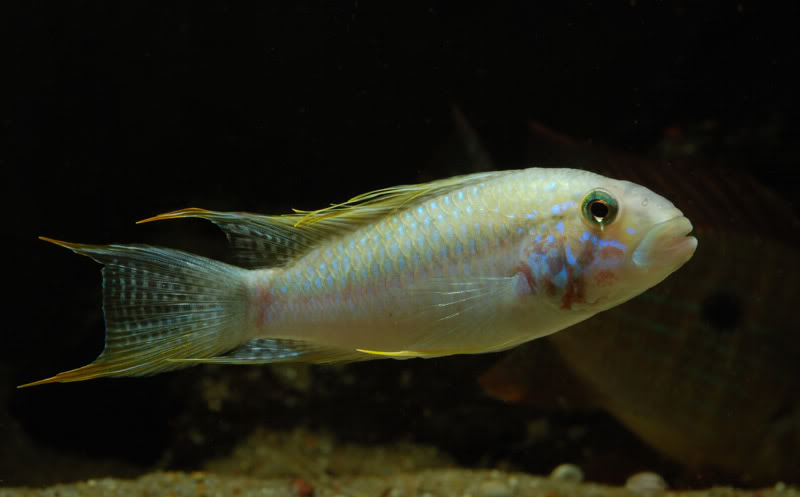
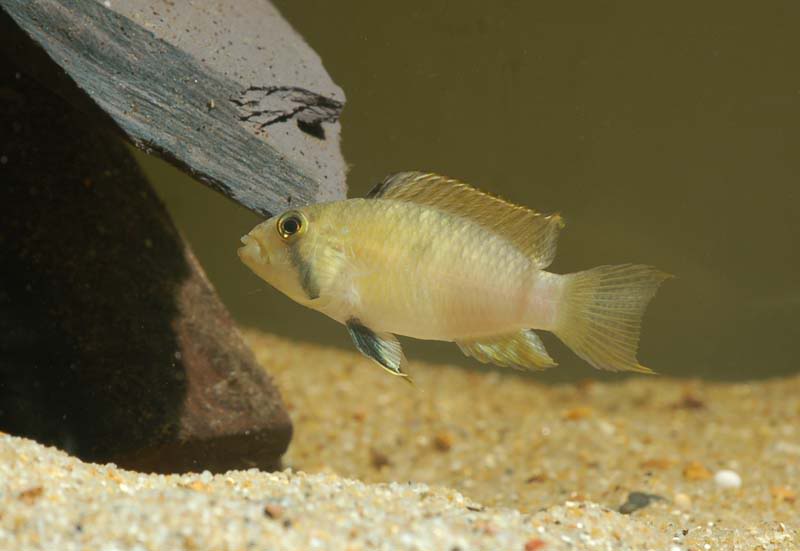
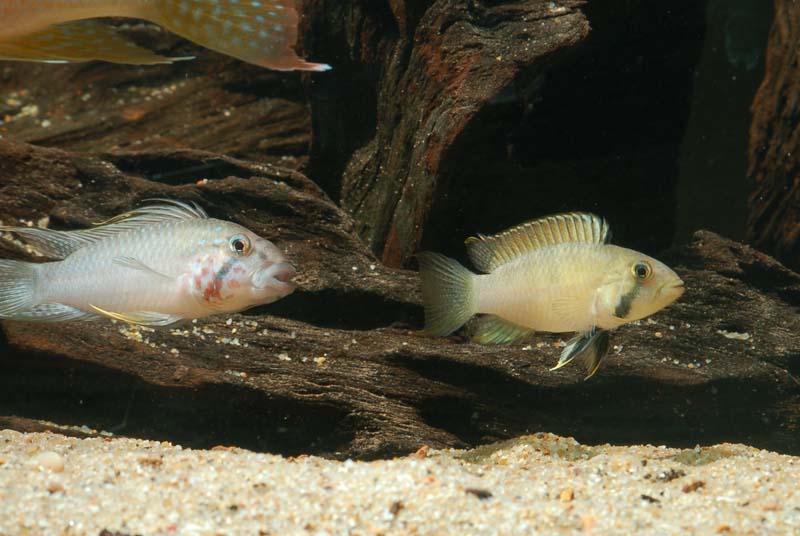
雄鱼较大、颜色较强,鳍更延长。
繁殖
属于兼性口孵,单方或双方亲鱼都可能含带幼鱼,也可能只在底部浅坑育幼。一个饲养对比中,单独成对的雌鱼承担口孵,而与小型伙伴同养的一对没有出现口孵,后代一直留在浅坑直到起游;这说明方式可变,不能单凭有无同伴断言必然采取某种方式。
另有观察认为底砂粒径可能影响含卵时机,细砂上较早,砾石上较晚或不含;这一关系仍应作为观察线索。近亲在不同水流下的性别分工实验,不等于本鱼已得到相同结论。
补充说明
Jutai、diamond face 和 Leticia 等名称曾用于这类鱼,其中曾报巴西茹泰河产地,后来出口方更正为莱蒂西亚附近。商品标签应连同更正记录一起核对。
图片
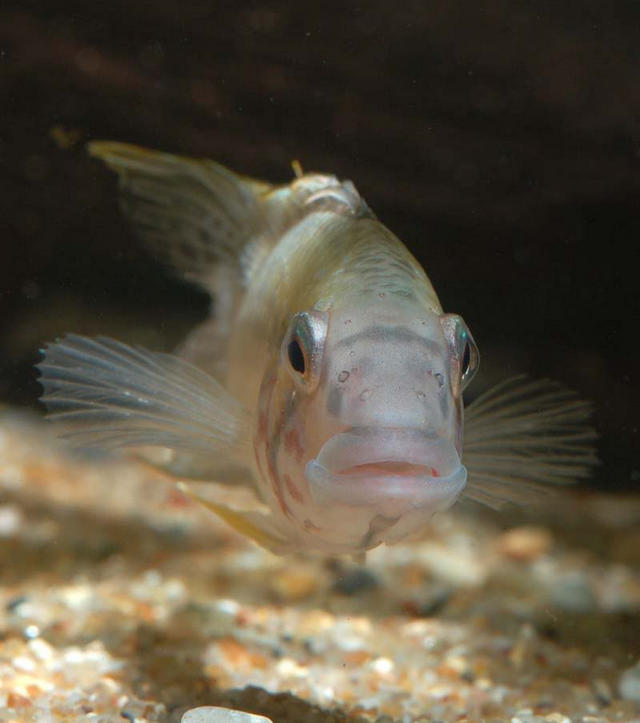
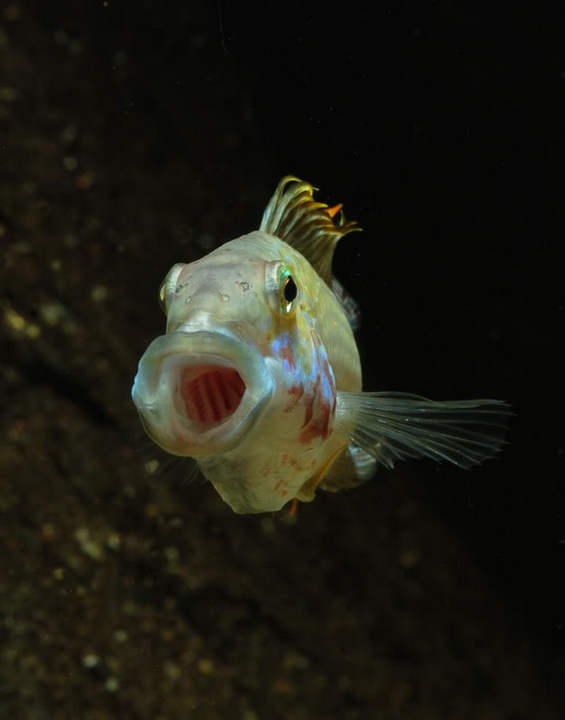
图片来自 SeriouslyFish,版权归各摄影者所有。
English
Overview
The undescribed Apistogramma sp. ‘Kelleri’ can use facultative mouthbrooding or care for young entirely in a substrate depression. Historic corrections to trade-locality claims make accurate provenance especially useful.
Distribution & habitat
Known localities are small forest tributaries near Leticia, Colombia, probably on the north bank of the Solimões. Leticia lies near the meeting point of Colombia, Brazil, and Peru. Specific habitat details remain uncertain; measurements from a relative’s stream do not document this fish’s habitat.
Aquarium setup
Use soft sand, wood, roots, and cavities for shaded retreats; artificial caves also work. Leaf litter can decompose gradually or be replaced periodically, supporting microorganisms that supplement fry feeding. Dim light, shade-tolerant plants, and floating cover suit the display.
Even a pair benefits from generous room. Weekly partial changes of roughly 20–30% help maintain stable conditions.
Diet & feeding
It appears mainly carnivorous, probably feeding on benthic invertebrates in nature. Offer regular live and frozen Artemia, Daphnia, and bloodworms. Many individuals may learn to take prepared foods, with pellets generally preferable to flakes.
Behaviour & compatibility
A dedicated setup or small dither fishes is preferable, avoiding other members of the genus. It is reportedly relatively mild toward conspecifics, but individual pairs still need observation and suitable cover.
Sexual dimorphism
Males are larger, more colorful, and have longer fins.
Breeding
One or both parents may carry young, or the brood may remain in a shallow pit throughout care. In one comparison, a female kept only with her mate mouthbrooded, whereas a pair with small companions left offspring in a depression until free swimming. This demonstrates flexibility, not a guaranteed response to tankmates.
Other observations suggest substrate grain size may influence when adults collect eggs, with earlier carrying over fine sand and delayed or absent carrying over gravel. Treat this as a possible relationship. Flow-dependent sex roles demonstrated in a relative are not established here.
Notes
Labels have included Jutai, diamond face, and Leticia. A reported Brazilian Jutai locality was later corrected by the exporter to the Leticia area. Retain the correction alongside historic labels when evaluating stock.
来源
- https://www.seriouslyfish.com/species/apistogramma-sp-kelleri(抓取于 2026-10-10)
apistogramma-sp-kelleri · 文件: data/species/apistogramma-sp-kelleri.md · 状态: 草稿