Apistogramma paulmuelleri · A52
概要
| 字段 | 值 |
|---|---|
| 类别 | 鱼 |
| 学名 | Apistogramma paulmuelleri |
| 分类 | 慈鲷目 Cichliformes › 慈鲷科 Cichlidae › Apistogramma |
| 水体 | 淡水 |
| 原产地 | 秘鲁洛雷托地区,已知点位在瑙塔以北、伊塔亚河以东与亚马孙河以西 |
| 成体体长 | 4.2 cm |
| 饲养难度 | 中等 |
| 最小水体 | 41 L |
| 最小缸长 | 45 cm |
| 群居方式 | 成对 |
| 外部数据 | seriouslyfish apistogramma-paulmuelleri;fishbase 66920 |
| 繁殖方式 | 附着产卵 |
水质参数
| 参数 | 耐受范围 | 最适范围 | 单位 |
|---|---|---|---|
| 水温 | 22–31 | — | °C |
| pH | 4–6.5 | — | — |
| 总硬度 | 1–3 | — | dGH |
概述
Apistogramma paulmuelleri 常用编号 A52,也曾以 Apache 等名称流通,但这些商品名并不只指本种。它是偏好遮蔽和轻柔水流的小型慈鲷,繁殖期雌鱼可能强烈驱赶雄鱼,布置时应预留隔离与退避条件。
分布与栖息地
看来仅产于秘鲁洛雷托,已知地点位于瑙塔以北、伊塔亚河以东至亚马孙河以西。模式产地在伊基托斯—瑙塔道路附近的森林小溪,采集时水清而略带浅褐色。
饲养环境
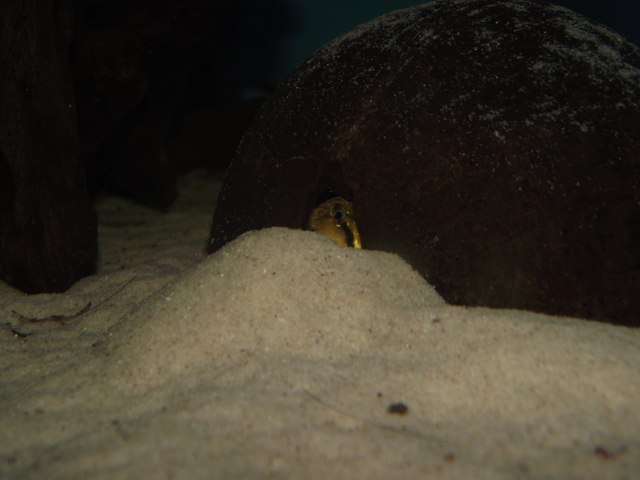
软砂、沉木与根枝可形成阴影和洞穴,花盆洞或管段也能提供实用藏处。干落叶增加遮蔽、产卵位置及微生物,鱼苗可利用其中的微小食物。
光线保持柔和,可加莫丝、耐阴水草与浮水植物。成熟海绵过滤形成轻流即可,重点是避免有机废物波动和未成熟水族箱;群体饲养须比成对留更大空间。
食性与喂食
隐带丽鱼属总体以底部小型无脊椎动物为主食,可规律喂丰年虾、水蚤、红虫等活饵和冷冻饵。尝试干饲料时优先细小颗粒,并留意是否真正吞咽。
习性与混养
更适合单种或配少量小型温和陪游鱼,最好不与其他同属鱼混养,尤其不要把同商品名的近似鱼当成同种群体。
雌雄区分
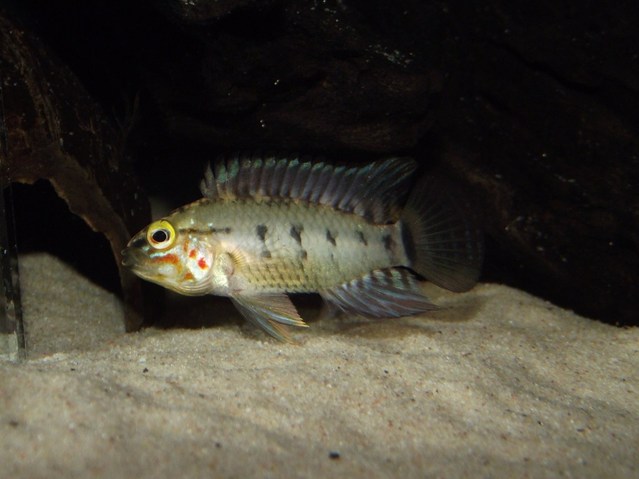
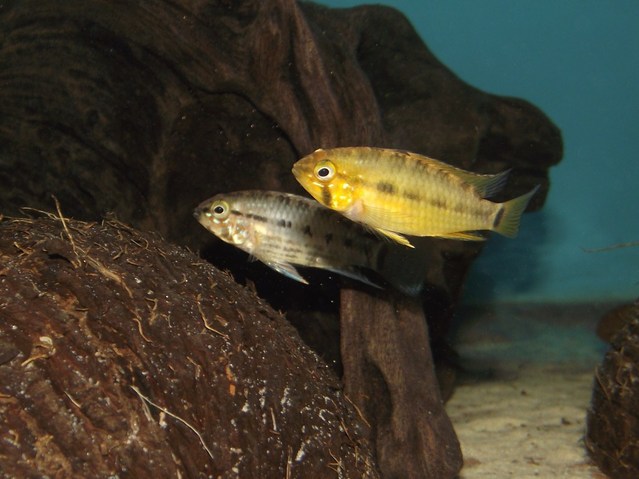
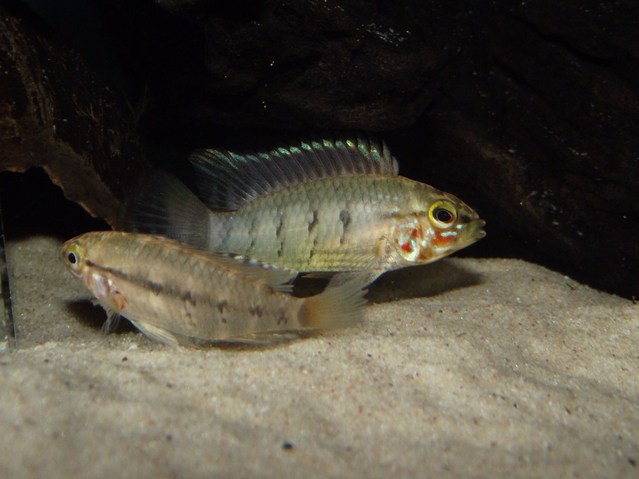
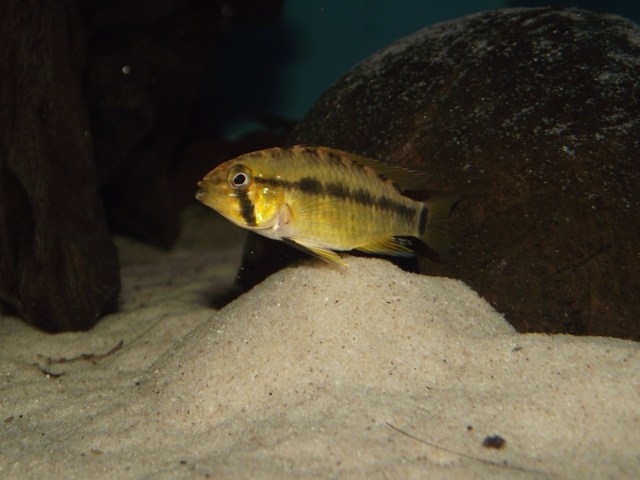
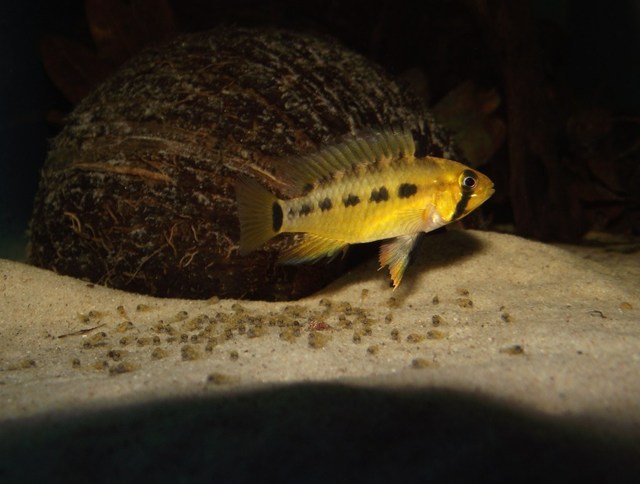
雄鱼较大、颜色较强,鳍更延长;大雄鱼面颊和鳃盖可有红色及金属蓝线纹。尾鳍大体圆形,雄鱼上叶常稍长而不完全对称。
繁殖
通常在洞穴或狭缝表面产卵。雌鱼承担主要的卵和鱼苗照料,小缸内可能变得强势,必要时移走雄鱼,防止持续冲突。
补充说明
Apache 名称也用于其他尚未厘清身份的近似鱼,维护繁殖群应保留编号和产地信息。不要仅因商品名相同便混合不同来源。
图片
图片来自 SeriouslyFish,版权归各摄影者所有。
English
Overview
Trade code A52 identifies Apistogramma paulmuelleri more clearly than labels such as Apache, which have also been used for other fishes. This dwarf cichlid needs cover and gentle flow, with attention to female aggression during brood care.
Distribution & habitat
Apparently restricted to Loreto, Peru, known localities lie north of Nauta between the Itaya and Amazon rivers. The type site is a forest stream near the Iquitos–Nauta road, where water was clear and lightly brown at collection.
Aquarium setup
Soft sand with wood and roots forms shaded cavities; pots and pipe shelters are also useful. Leaf litter adds cover, spawning spaces, and microorganisms that can supplement fry feeding.
Keep lighting subdued, with moss, shade-tolerant plants, and floating cover as desired. Gentle established sponge filtration is adequate. Prevent organic-waste fluctuations and never use an immature tank. Groups require more room than pairs.
Diet & feeding
The genus generally feeds chiefly on small benthic invertebrates. Offer regular live or frozen Artemia, Daphnia, and bloodworms. Small pellets can be tried as a prepared alternative, with actual acceptance checked.
Behaviour & compatibility
A dedicated aquarium or small peaceful dither companions is preferable. Avoid other members of the genus, including look-alikes sold under overlapping trade names.
Sexual dimorphism
Males are larger and more colorful with longer fins. Large males show red markings and metallic blue lines on the cheek and gill cover. The tail is rounded but often slightly asymmetric, with a longer upper lobe.
Breeding
Eggs are normally attached within crevices or cavities. Females provide most care for eggs and fry. In restricted space a strongly defensive female may require the male to be removed.
Notes
Apache has also labeled other unresolved populations. Preserve collection information and identification codes when managing breeding stock rather than combining fish solely on the same sales name.
来源
- https://www.seriouslyfish.com/species/apistogramma-paulmuelleri(抓取于 2026-10-10)
apistogramma-paulmuelleri · 文件: data/species/apistogramma-paulmuelleri.md · 状态: 草稿