尼氏隐带丽鱼
概要
| 字段 | 值 |
|---|---|
| 类别 | 鱼 |
| 学名 | Apistogramma nijsseni |
| 别名 | 尼氏隱帶麗魚 |
| 分类 | 慈鲷目 Cichliformes › 慈鲷科 Cichlidae › Apistogramma |
| 水体 | 淡水 |
| 原产地 | 秘鲁 |
| 成体体长 | 8.5 cm |
| 饲养难度 | 中等 |
| 最小水体 | 54 L |
| 最小缸长 | 60 cm |
| 水流偏好 | 低 |
| 外部数据 | seriouslyfish apistogramma-nijsseni;fishbase 26702 |
| 食性 | 肉食 |
| 繁殖方式 | 附着产卵 |
水质参数
| 参数 | 耐受范围 | 最适范围 | 单位 |
|---|---|---|---|
| 水温 | 24–28 | — | °C |
| pH | 5–6.5 | — | — |
| 总硬度 | 0–4 | — | dGH |
概述
尼氏隐带丽鱼(Apistogramma nijsseni)来自秘鲁黑水支流,贸易中也有带“熊猫短鲷”含义的名称。饲养要兼顾软酸水、隐蔽空间和亲鱼护幼时的攻击性,人工繁殖鱼更适合考虑混养。
分布与栖息地
目前仅知秘鲁北部洛雷托地区乌卡亚利河支流,包括卡拉瓦伊特河与亚瓦里河。栖于缓流黑水溪河,林冠浓密,水中矿物质极低,底部堆积枝条和腐叶。
饲养环境
一对至少考虑 60 × 30 厘米底面,多条要更大。细沙、沉木、落叶和多个洞穴构成遮荫,陶罐等人工洞也适用;落叶表面微生物可补充幼鱼食物。用弱光、耐阴水草和柔和过滤。在低密度前提下每周约 10%~15% 小量换水可作为安排,避免一次极大换水造成变化。
食性与喂食
主要肉食,野外似以底部无脊椎动物为主。常喂丰年虾、水蚤和红虫等活饵、冷冻饵料,许多个体也能学会接受颗粒,通常比薄片更受欢迎。
习性与混养
野生鱼宜单种或只配少量温和小鱼,避免与其他隐带丽鱼混养。若要进入混养缸,优先选择人工繁殖个体,仍需留出洞穴与躲避空间。
雌雄区分
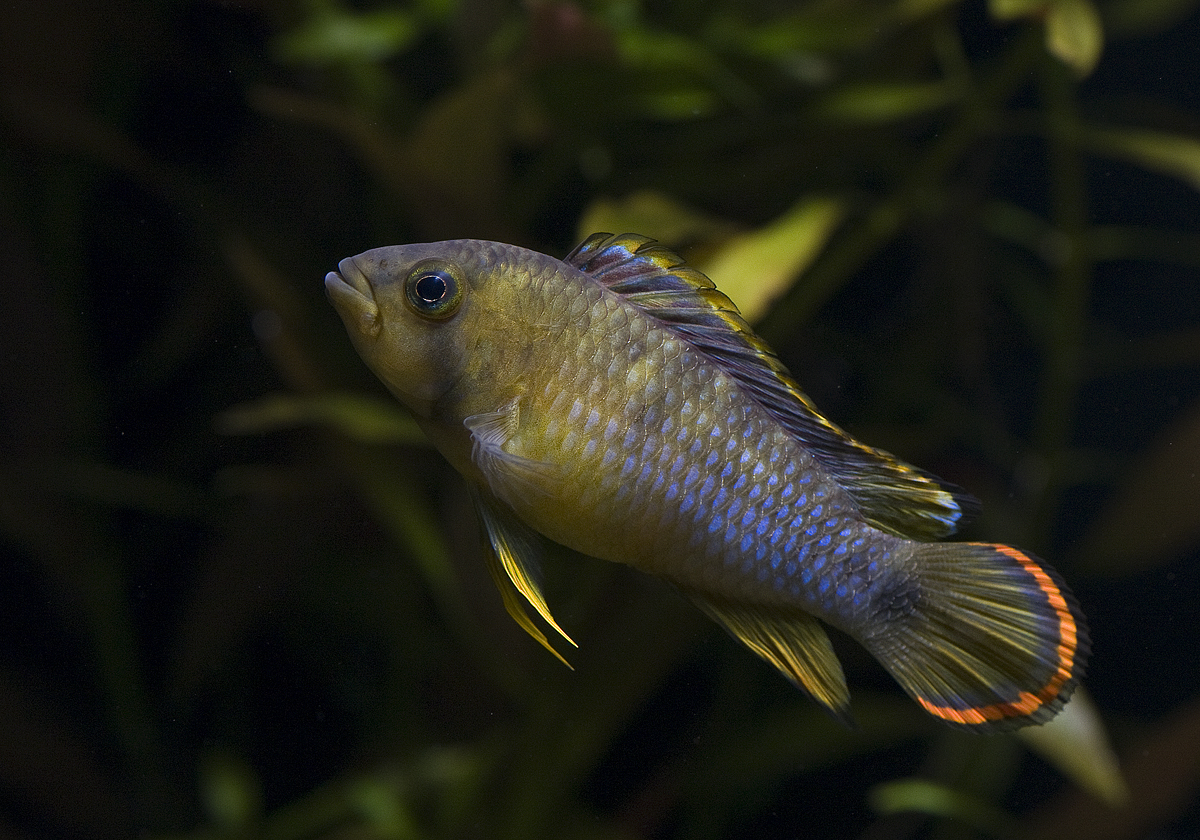
雄鱼更大、更艳丽,鳍延长较明显。
繁殖
选择洞穴或缝隙中的基面产卵。雌鱼负责照顾卵和幼鱼,护幼时可能猛烈驱赶雄鱼,尤其小缸应准备把雄鱼移走。
补充说明
本种编号为 A180。地域型和采集信息值得保留,避免仅凭商品名称把不同来源或近似种混配。
图片
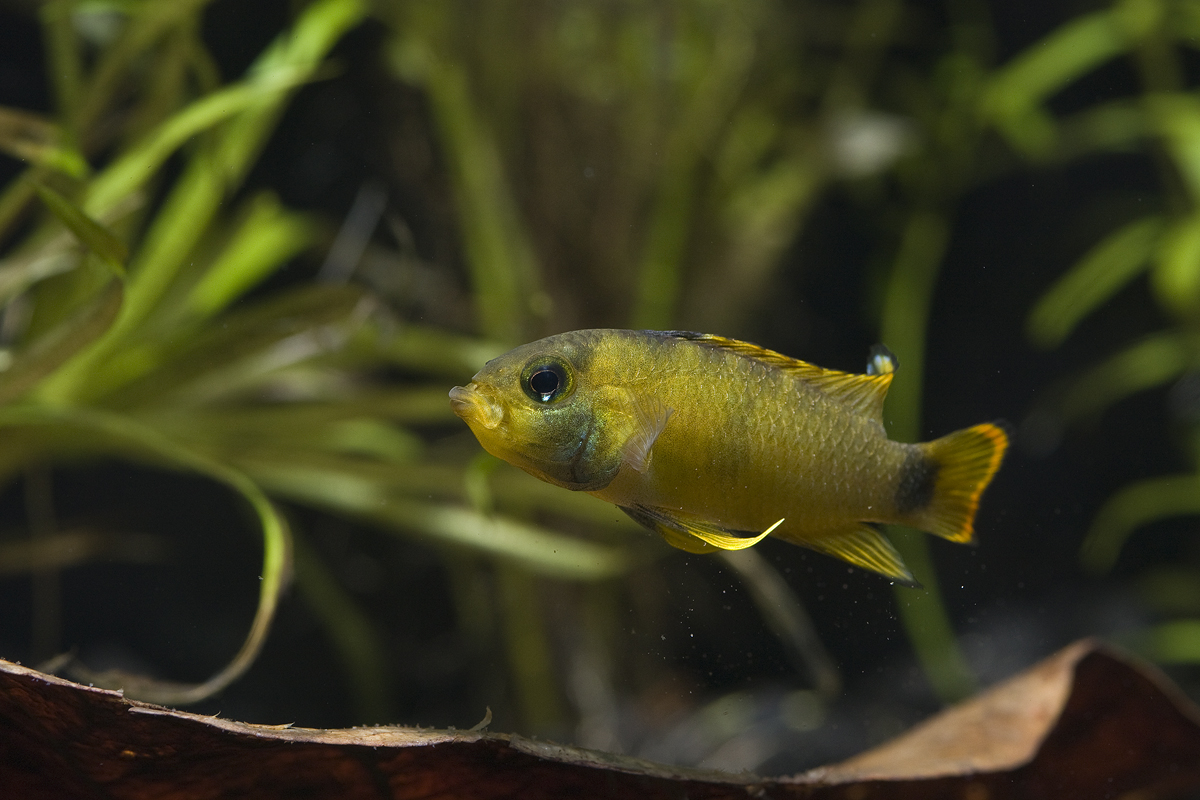
图片来自 SeriouslyFish,版权归各摄影者所有。
English
Overview
Apistogramma nijsseni, often traded as the panda dwarf cichlid, comes from Peruvian blackwaters. Soft acidic conditions, abundant shelter and provision for defensive breeding females are central to its care. Captive-raised fish are preferable for a community arrangement.
Distribution & habitat
Known localities are tributaries of the Ucayali in northern Peru’s Loreto region. Slow forest streams and small rivers have deeply shaded, low-mineral dark water above branches and decomposing leaves.
Aquarium setup
Allow at least a 60 by 30 cm footprint per pair, with more space for additional fish. Sand, branches, leaves and multiple caves offer security; artificial shelters work too. Use subdued lighting and gentle circulation. In a lightly stocked aquarium, weekly changes of about ten to fifteen percent are suggested instead of abrupt large replacements.
Diet & feeding
The diet is primarily animal-based, apparently focused on bottom-dwelling invertebrates. Provide live or frozen foods regularly. Many fish learn to accept pellets, often more readily than flakes.
Behaviour & compatibility
Wild fish are better kept in a dedicated aquarium or with small reassuring companions. Avoid mixing apistogramma species. Captive-raised specimens are the better community candidates, while retaining plenty of separate shelters.
Sexual dimorphism
Males are larger, more colorful and longer-finned.
Breeding
Spawning takes place on a surface in a cavity or crevice. The female tends eggs and fry, and her brood defense can force separation of the male, particularly in restricted space.
Notes
The trade code A180 refers to this species. Keep locality information with breeding stock rather than assuming that similar commercial labels establish identical origin.
来源
- https://www.seriouslyfish.com/species/apistogramma-nijsseni(抓取于 2026-10-10)
apistogramma-nijsseni · 文件: data/species/apistogramma-nijsseni.md · 状态: 草稿