霍氏隐带丽鱼
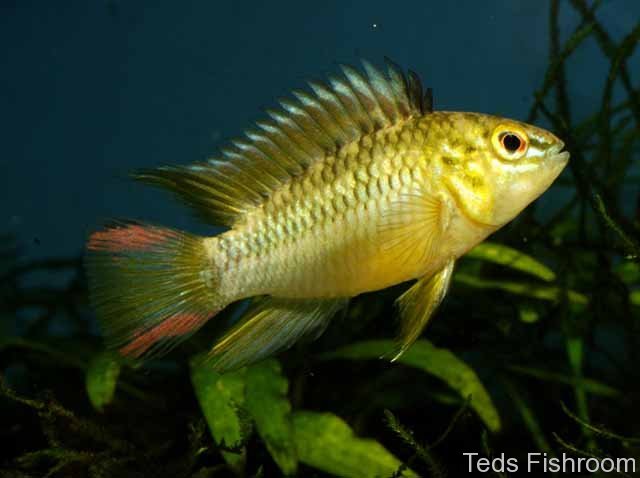
概要
| 字段 | 值 |
|---|---|
| 类别 | 鱼 |
| 学名 | Apistogramma hoignei |
| 别名 | 霍氏隱帶麗魚 |
| 分类 | 慈鲷目 Cichliformes › 慈鲷科 Cichlidae › Apistogramma |
| 水体 | 淡水 |
| 原产地 | 委内瑞拉奥里诺科河流域 |
| 成体体长 | 6 cm |
| 饲养难度 | 入门 |
| 最小水体 | 41 L |
| 最小缸长 | 45 cm |
| 水流偏好 | 低 |
| 外部数据 | seriouslyfish apistogramma-hoignei;fishbase 52178 |
| 食性 | 肉食 |
| 繁殖方式 | 附着产卵 |
水质参数
| 参数 | 耐受范围 | 最适范围 | 单位 |
|---|---|---|---|
| 水温 | 23–29 | — | °C |
| pH | 5–7 | — | — |
| 总硬度 | 0–10 | — | dGH |
概述
霍氏隐带丽鱼(Apistogramma hoignei)是奥里诺科河流域的短鲷,适合以遮蔽丰富、轻柔水流的布局展示。人工繁殖鱼可用于经过选择的混养,野生鱼及护幼中的配对则需要更克制的同伴安排。
分布与栖息地
分布于委内瑞拉,最初描述地点在 Apure 支流 Portuguesa 河,另有 Arauca 河下游、Caura 河及奥里诺科河下游主流多处记录。常见于缓流支流、回水和小溪,尤其是落叶聚集的区域。
饲养环境
一对可用约 45 × 30 厘米底面积,群养需显著增大。软沙配合根枝可形成阴影和洞穴,花盆、管道等人工材料也能提供有效藏身处。落叶分解形成的微生物能补充仔鱼食物,并释放有机物。
建议弱光与温和循环,搭配适应低光的水草和部分浮水植物。低密度缸可参考每周换水约 10%~15%,避免突然大量换水引起环境大幅变化。充足遮蔽比某一种固定装饰材质更重要。
食性与喂食
野外主要取食底部无脊椎动物,食性以肉食为主。定期轮换丰年虾、水蚤、摇蚊幼虫等活饵或冻饵。多数个体能逐渐接受干粮,颗粒通常比薄片更容易被接受。
习性与混养
一般社区缸优先选人工繁殖个体。野生鱼宜专缸,或与小型安静陪伴鱼同养,尽量避免其他隐带丽鱼属种类。护幼时须观察雌雄互动,平时相容并不代表繁殖阶段没有冲突。
雌雄区分
雄鱼较大、鲜艳,鳍延长更明显。
繁殖
通常在洞穴或裂缝内的基质上产卵,由雌鱼照顾卵和仔鱼。小缸中雌鱼可能变得非常凶,此时可能需要移走雄鱼。
补充说明
本种使用 A116 编号,A117、A118 则用于外观类似、可能同种的地方种群。保持采集地信息并分开不明来源个体,有助避免把尚未厘清的种群关系当作已确定事实。
图片
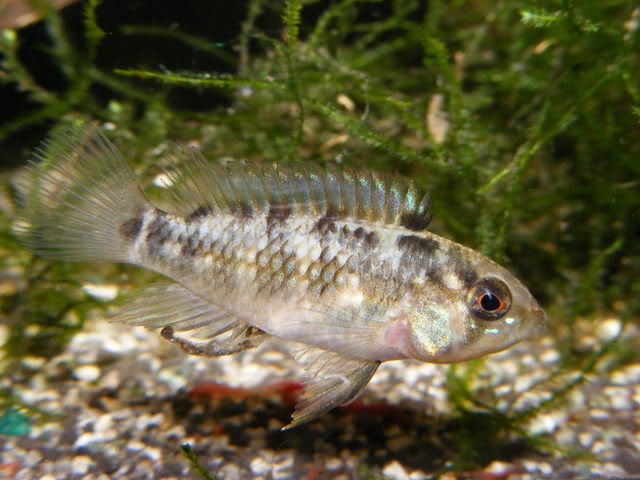
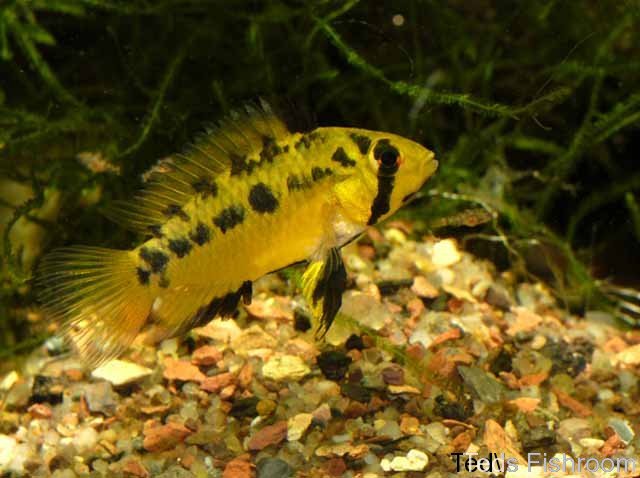
图片来自 SeriouslyFish,版权归各摄影者所有。
English
Overview
Apistogramma hoignei is an Orinoco-basin dwarf cichlid suited to a sheltered aquarium with gentle circulation. Captive-bred fish offer possibilities for carefully chosen communities, while wild specimens and breeding pairs call for more restrained companion arrangements.
Distribution & habitat
The species occurs in Venezuela. It was described from the Portuguesa, an Apure tributary, and is also recorded from the lower Arauca, Caura and much of the lower Orinoco main channel. Slow tributaries, backwaters and creeks with accumulated leaves are characteristic habitats.
Aquarium setup
A footprint of about 45 × 30 cm is a reference for a pair, with substantially more space needed for groups. Soft sand, roots and branches create shaded cavities, while pots and suitable pipes are effective alternatives. Microbes developing on decomposing leaves provide supplementary fry food, and the leaves also release organic compounds.
Use low light and gentle circulation, adding shade-tolerant plants and some floating cover as desired. In a lightly stocked aquarium, weekly changes around 10–15% are a reference; avoid sudden large changes that sharply alter conditions. Adequate shelter matters more than any particular decorative material.
Diet & feeding
Natural feeding is mainly carnivorous and focused on bottom-dwelling invertebrates. Rotate live or frozen brine shrimp, water fleas and bloodworm regularly. Most fish can learn to accept dry foods, generally favoring pellets over flakes.
Behaviour & compatibility
Captive-bred fish are the better choice for a general community. Wild specimens are preferably kept in a dedicated aquarium or with small, quiet dither fishes, avoiding other Apistogramma. Watch pair interactions during brood care, since ordinary compatibility may change during reproduction.
Sexual dimorphism
Males become larger and more colorful, with more developed fin extensions.
Breeding
Eggs are normally laid on a surface inside a cavity or crevice. The female cares for both eggs and fry and may become very aggressive in a small tank, making removal of the male necessary.
Notes
A116 is the usual code, while A117 and A118 identify similar locality populations that may belong to the same species. Retain collection information and avoid treating uncertain relationships between these populations as settled taxonomy.
来源
- https://www.seriouslyfish.com/species/apistogramma-hoignei(抓取于 2026-10-10)
apistogramma-hoignei · 文件: data/species/apistogramma-hoignei.md · 状态: 草稿