Apistogramma eremnopyge · A218
概要
| 字段 | 值 |
|---|---|
| 类别 | 鱼 |
| 学名 | Apistogramma eremnopyge |
| 分类 | 慈鲷目 Cichliformes › 慈鲷科 Cichlidae › Apistogramma |
| 水体 | 淡水 |
| 原产地 | 秘鲁东北部洛雷托地区伊塔亚、纳奈及塔皮切水系 |
| 成体体长 | 7 cm |
| 饲养难度 | 中等 |
| 最小水体 | 54 L |
| 最小缸长 | 60 cm |
| 群居方式 | 群游 |
| 外部数据 | seriouslyfish apistogramma-eremnopyge;fishbase 62078 |
| 领地性 | 是 |
| 繁殖方式 | 附着产卵 |
水质参数
| 参数 | 耐受范围 | 最适范围 | 单位 |
|---|---|---|---|
| 水温 | 22–28 | — | °C |
| pH | 4–6 | — | — |
| 总硬度 | 1–5 | — | dGH |
概述
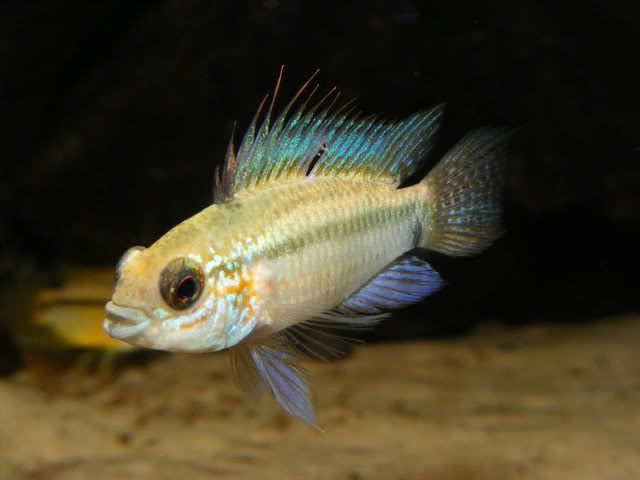
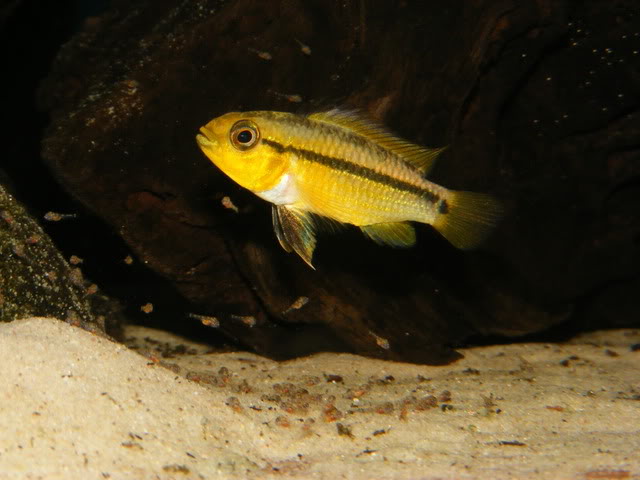
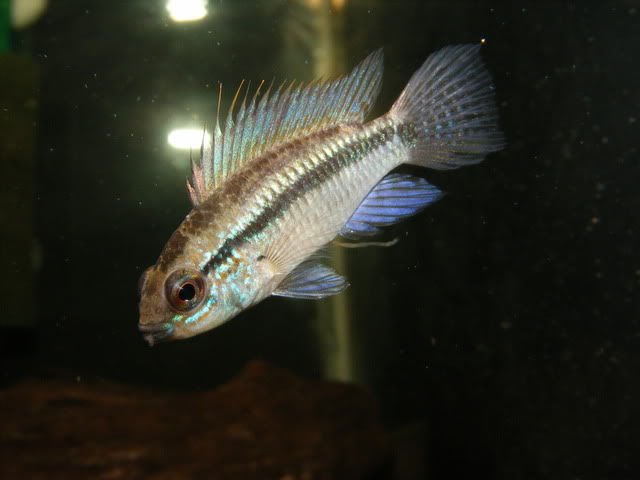
Apistogramma eremnopyge 常以 A218 及多种与“草莓”“红须”有关的商品名流通,两性尾柄下方都有暗斑。它的同种关系较复杂,单独一对未必稳定,群养需要更宽敞且分区清楚的环境。
分布与栖息地
已知仅在秘鲁东北部洛雷托,记录涉及伊塔亚、纳奈以及更南方的塔皮切河流域。可能生活在落叶聚集的缓流支流、小溪和回水区,水很软,可为清水或黑水。
饲养环境
以软砂、沉木枝根、多处洞穴和落叶构成分区与遮蔽,群体空间应明显大于一对的最低参考。柔和光线、耐阴植物和浮水植物有助减少暴露感。落叶微生物也可补充幼鱼食物。
用成熟海绵过滤等轻流方案,不可投放到未成熟缸。维持酸性、很软且碳酸盐硬度很低的水,必要时使用反渗透等软水来源;同时避免有机污染累积或突然波动。
食性与喂食
属内鱼通常以底部小型无脊椎动物为主食。规律提供丰年虾、水蚤、裸腹蚤及红虫等活饵、冷冻饵;干饲料可从细小颗粒尝试,不能假定所有鱼都会立即接受。
习性与混养
更适合单种或少量小型陪游鱼,不宜混入其他同属鱼。有饲养观察认为,成对维持只有在能看见邻缸同种配对时才较可行,因为会分散彼此攻击;这是特定观察,不是所有个体的绝对规则。较大缸中数雄配更多雌鱼通常更值得考虑,雌鱼数量可达雄鱼约三倍。
雌雄区分
雄鱼较大、色彩更鲜明,背鳍和臀鳍等鳍条更延长。
繁殖
在洞穴或缝隙附着产卵,成熟雄鱼建立持续领地,可能容忍数雌,但会驱赶邻近雄鱼。通常夜间或黎明产下约 50–150 枚卵,雄鱼随后守外部领地,雌鱼照料后代。
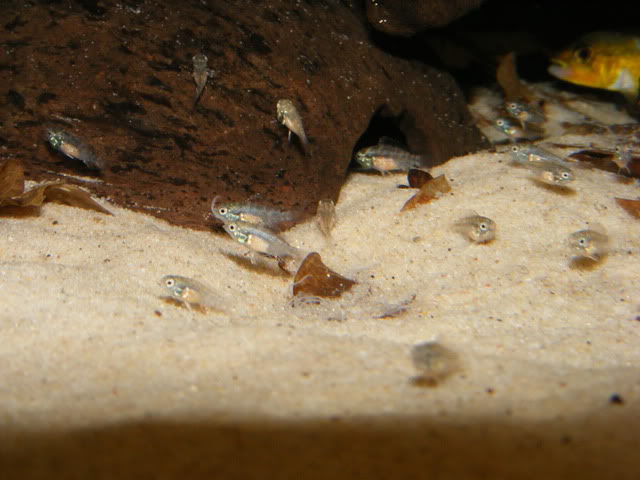
在 25 °C 的记录中,卵约两天孵化,再五六天起游。鱼苗起初仍很小,可能需要微小开口食物,之后才能吃丰年虾无节幼体。过高温度不利早期存活。约四至八周后,雌鱼会赶走幼鱼,但它们可能仍能暂留在雄鱼较大的领地中。
图片
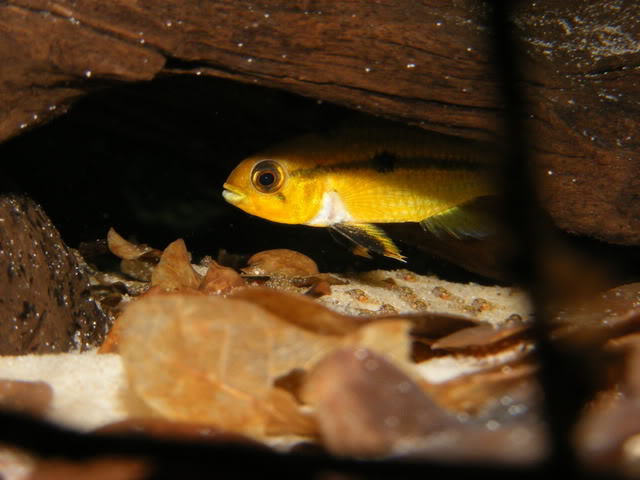
图片来自 SeriouslyFish,版权归各摄影者所有。
English
Overview
Known in trade as A218 and under several strawberry or red-beard labels, Apistogramma eremnopyge has a dark mark low on the caudal peduncle in both sexes. Social management can be difficult: an isolated pair is not necessarily stable, and groups need substantial, well-divided space.
Distribution & habitat
Records lie in Loreto, northeastern Peru, in the Itaya and Nanay systems and farther south in the Tapiche drainage. Slow tributaries, creeks, and backwaters with leaf litter and very soft clear or black water are reported as likely habitat.
Aquarium setup
Use soft sand, wood, multiple cavities, and leaf litter to divide the aquarium into sheltered areas. Groups need considerably more space than the minimum for a pair. Subdued light and shade-tolerant or floating plants reduce exposure, while mature litter supports microorganisms for fry.
Use gentle established filtration and avoid immature aquariums. Maintain very soft acidic water with low carbonate hardness, using an appropriate soft-water source if needed, and prevent organic-waste fluctuations.
Diet & feeding
Members of the genus generally feed on small benthic invertebrates. Offer live or frozen Artemia, Daphnia, Moina, and bloodworms. Try small pellets gradually rather than assuming immediate acceptance of dry food.
Behaviour & compatibility
Avoid mixing it with other members of the genus; small dither fishes are a more suitable option. One account found pairs manageable only when other pairs remained visible in neighboring tanks, apparently diverting aggression. This is an observation rather than a universal rule. A spacious group with several males and up to roughly three females per male is generally favored.
Sexual dimorphism
Males are larger and more colorful, with longer fins, particularly the dorsal and anal.
Breeding
Eggs are attached inside cavities or crevices. Males defend persistent territories, sometimes tolerating several females but excluding rival males. Spawning commonly occurs at night or dawn, with about 50–150 eggs. The female tends the brood while the male patrols outside.
At 25 °C, eggs hatch in about two days and fry swim freely another five or six days later. They may initially need microscopic foods before taking Artemia nauplii. Excess warmth reduces fry survival. Females expel young after roughly four to eight weeks, although they may remain temporarily within the male’s wider territory.
来源
- https://www.seriouslyfish.com/species/apistogramma-eremnopyge(抓取于 2026-10-10)
apistogramma-eremnopyge · 文件: data/species/apistogramma-eremnopyge.md · 状态: 草稿