凤尾短鲷 · Cockatoo Cichlid
概要
| 字段 | 值 |
|---|---|
| 类别 | 鱼 |
| 学名 | Apistogramma cacatuoides |
| 别名 | 絲鰭隱帶麗魚、丝鳍隐带丽鱼 |
| 分类 | 慈鲷目 Cichliformes › 慈鲷科 Cichlidae › Apistogramma |
| 水体 | 淡水 |
| 原产地 | 巴西、哥伦比亚及秘鲁 |
| 成体体长 | 7.5 cm |
| 饲养难度 | 中等 |
| 最小水体 | 54 L |
| 最小缸长 | 60 cm |
| 水流偏好 | 低 |
| 外部数据 | seriouslyfish apistogramma-cacatuoides;fishbase 12282 |
| 食性 | 肉食 |
| 繁殖方式 | 附着产卵 |
水质参数
| 参数 | 耐受范围 | 最适范围 | 单位 |
|---|---|---|---|
| 水温 | 22–29 | — | °C |
| pH | 5–6 | — | — |
| 总硬度 | 0–15 | — | dGH |
概述
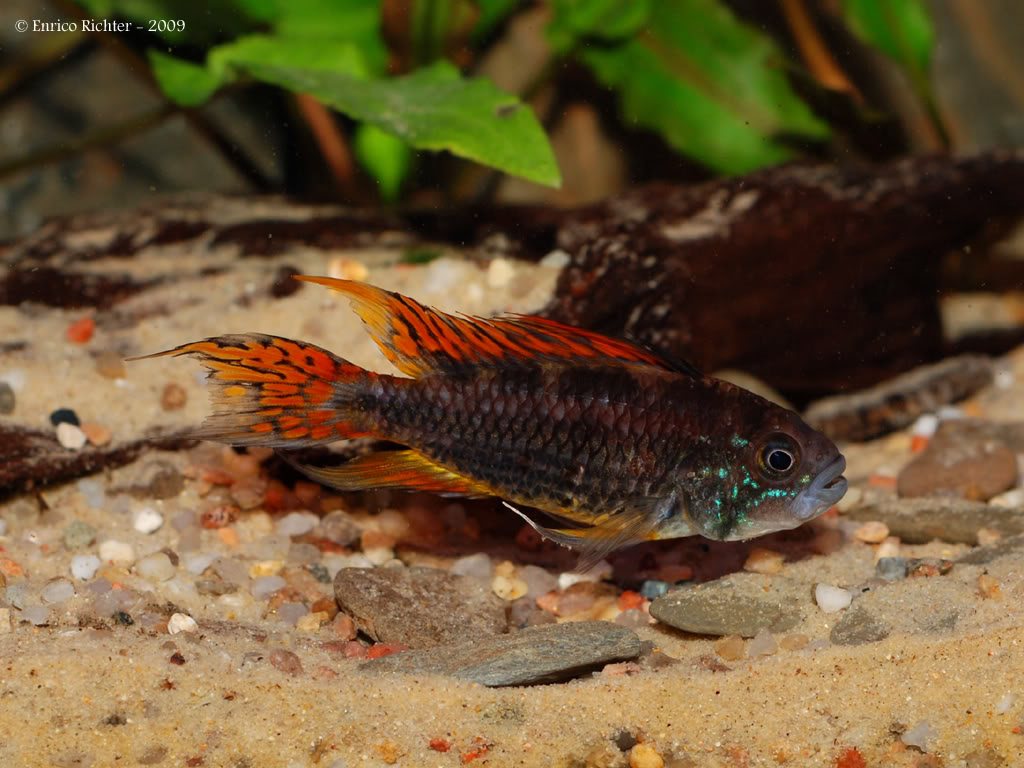
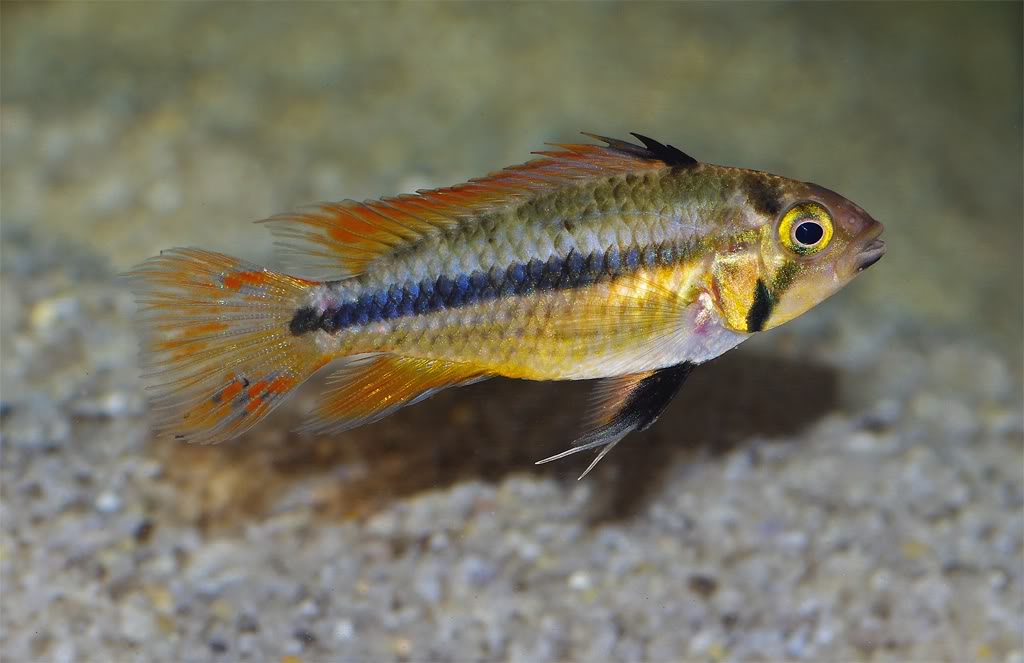
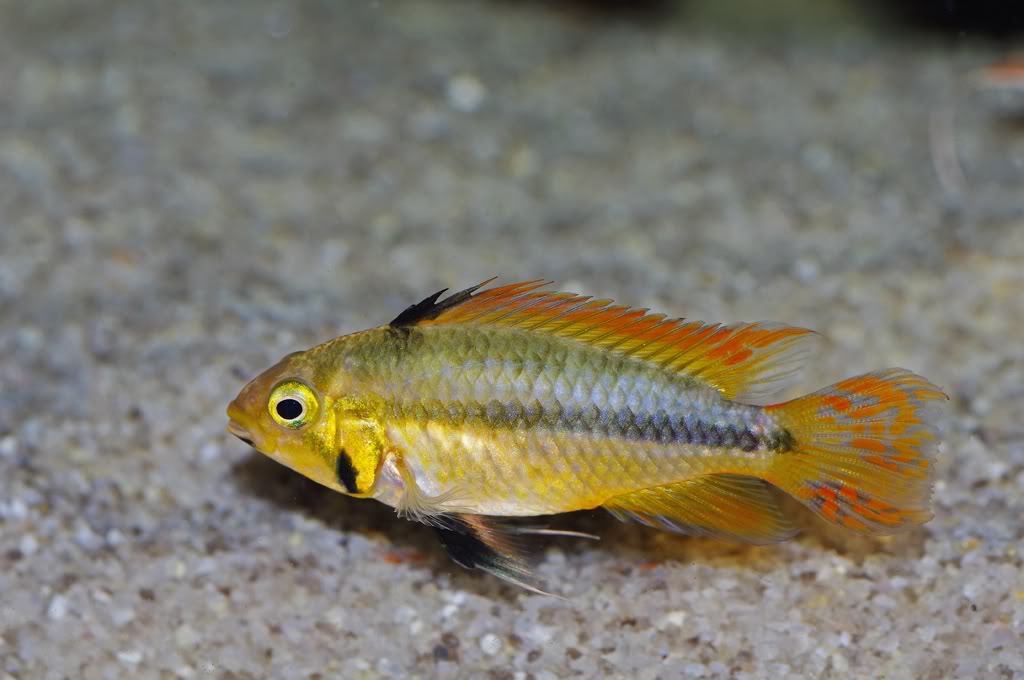
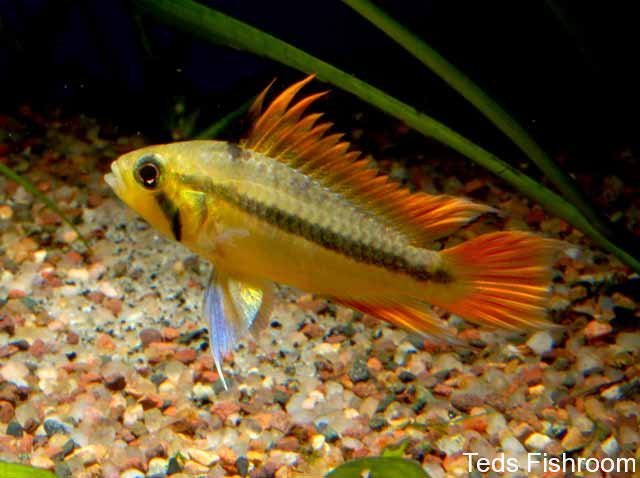
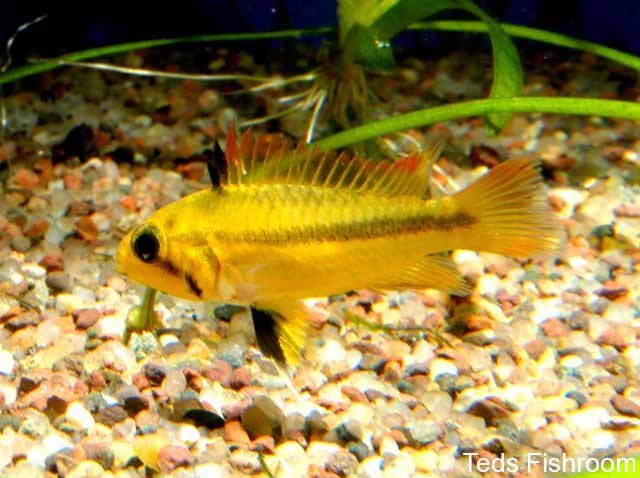
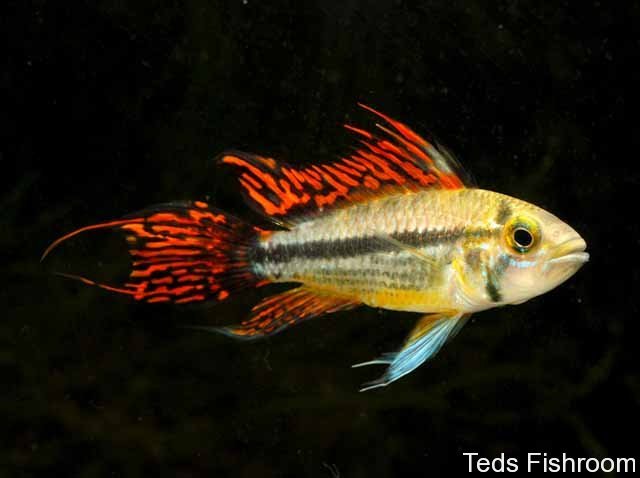
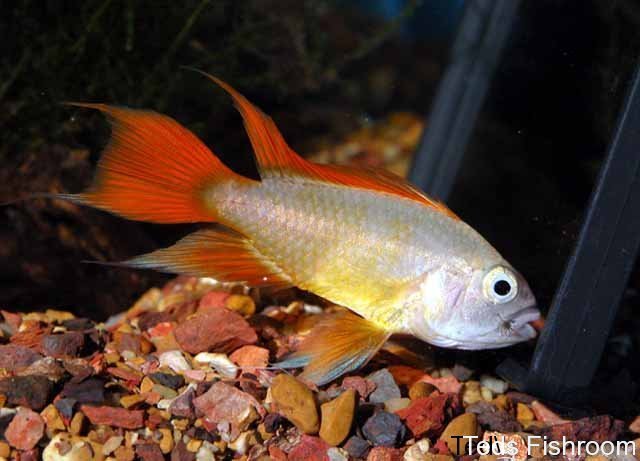
凤尾短鲷(Apistogramma cacatuoides)有多种鲜艳人工品系,是观赏鱼中较熟悉的短鲷。选育鱼与野生种群的适应性不能混为一谈,饲养应同时了解产地、品系及是否人工繁殖。
分布与栖息地
主要分布于亚马孙河上游,从秘鲁乌卡亚利河和亚马孙河延伸至巴西西部索利蒙斯河。最初给出的苏里南模式产地后来被修正,不应继续作为可靠产地。它常生活在有落叶积聚的缓流支流、回水及溪流中,水的颜色和性质随地点、季节而异。
饲养环境
一对可用至少 60 × 30 厘米的底面积,群养需要更大空间。沙底、根枝及洞穴提供遮蔽,花盆和合适管道也实用。干落叶形成的微生物群落能补充仔鱼食物,浮水植物和耐阴水草可柔化照明。水流保持轻柔;低密度条件下可参考每周换水约 10%~15%,避免突然大幅改变环境。
商业繁殖鱼对 pH 通常较宽容,pH 5~6 只是某些野生种群可能需要的繁殖条件,不是所有个体的统一日常要求。硬度也应结合来源判断。
食性与喂食
食性以动物性为主,野外似乎主要捕食底部无脊椎动物。定期提供丰年虾、水蚤和摇蚊幼虫等活饵或冻饵,很多个体也能逐步接受干粮,通常更偏好颗粒而非薄片。
习性与混养
一般社区缸优先考虑人工繁殖鱼;野生个体较适合专缸,或只搭配小型安静陪伴鱼。尽量避免与其他隐带丽鱼属种类混养,尤其不要忽略护幼期雌鱼的强烈排斥行为。
雌雄区分
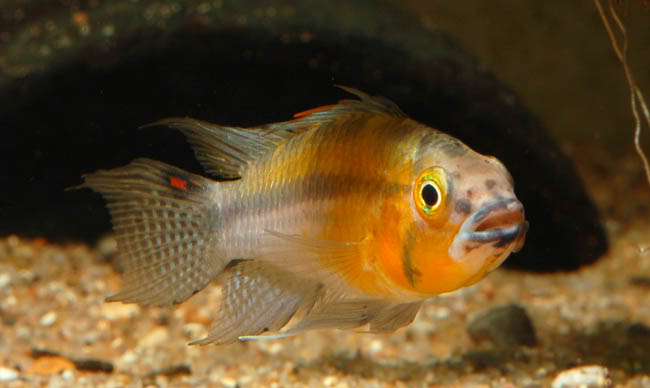
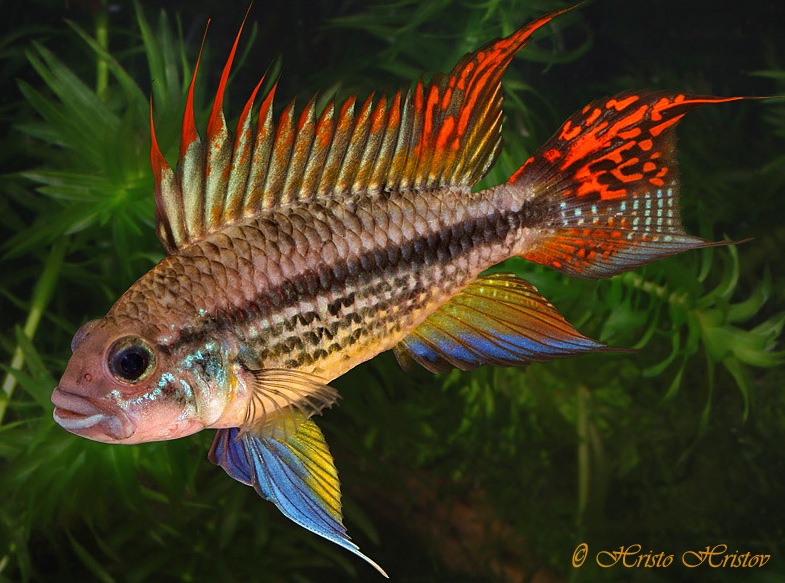
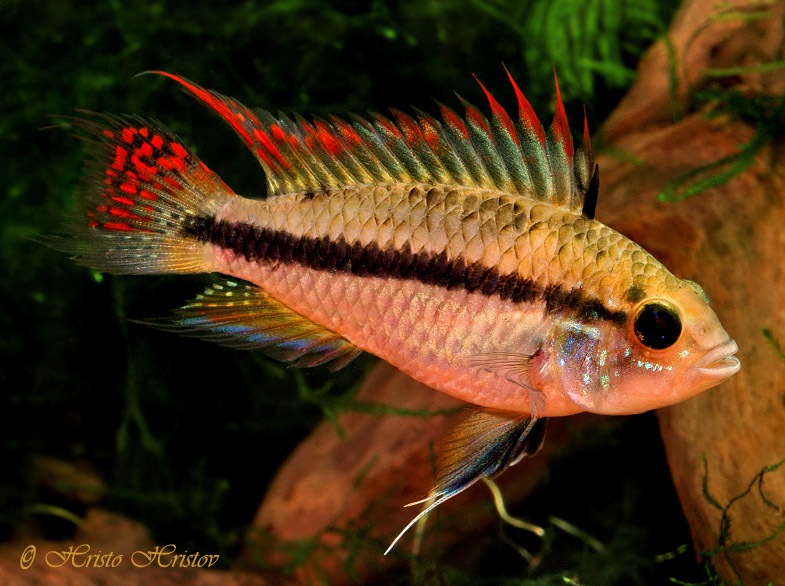
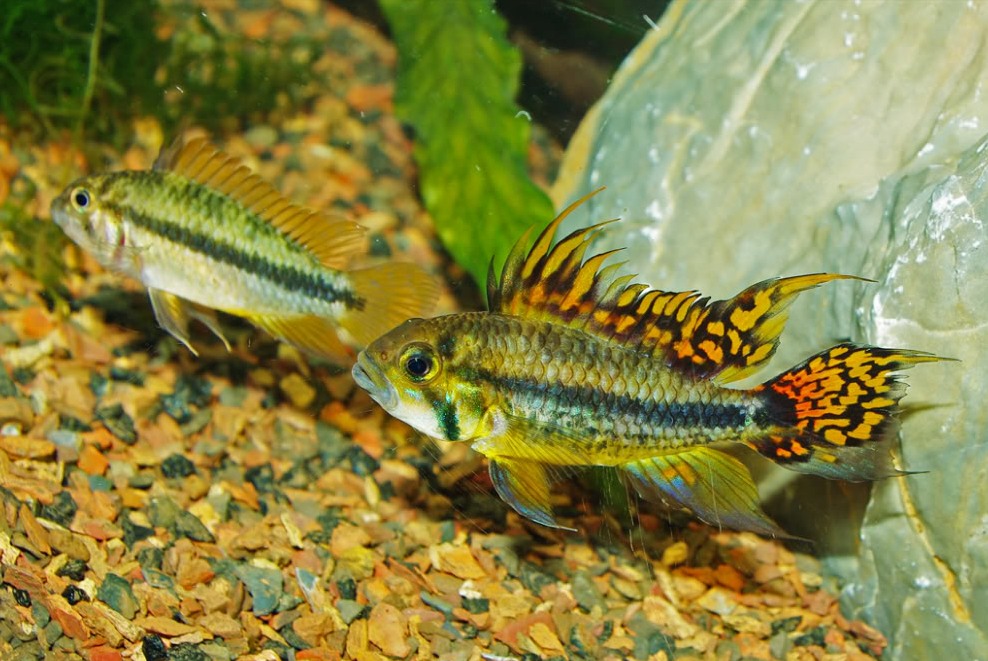
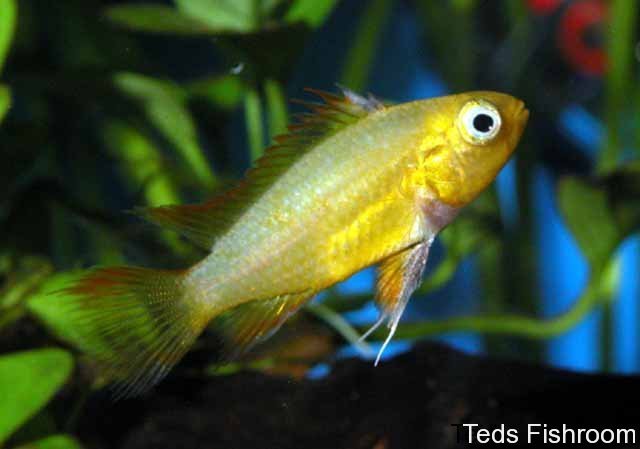
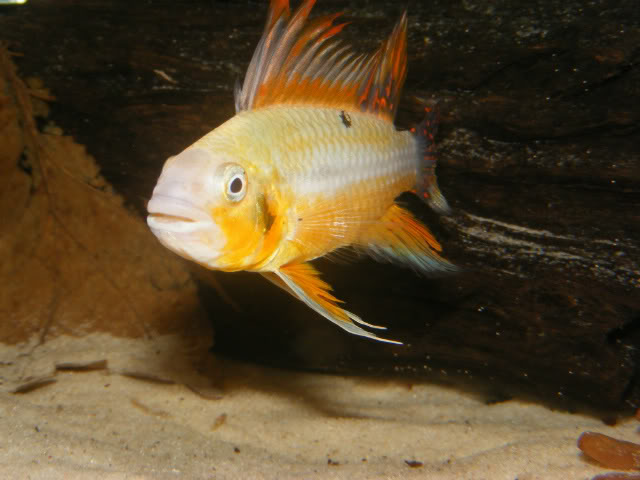
雄鱼更大、色彩更丰富,鳍的延长更明显。
繁殖
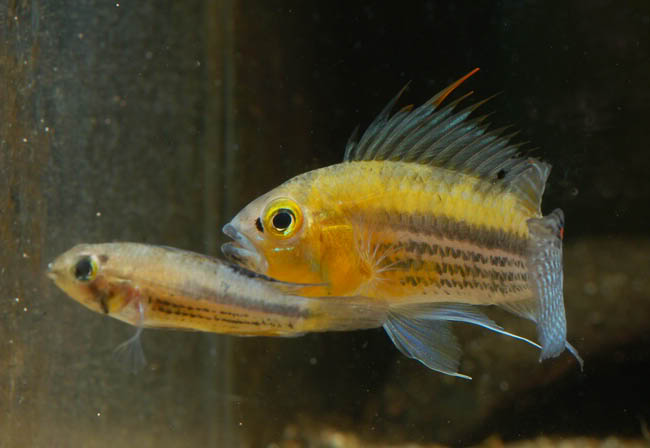
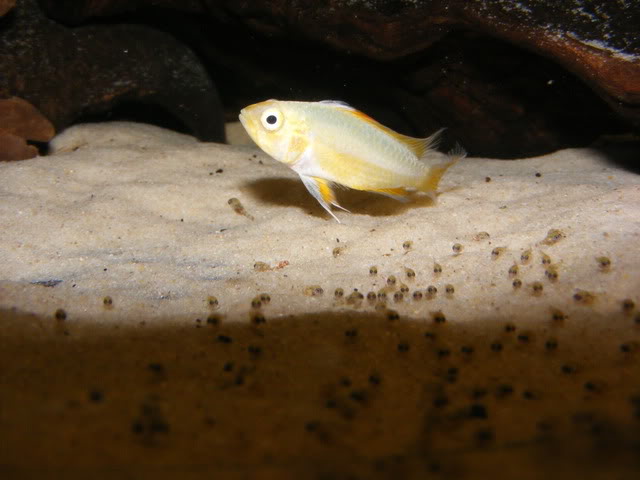
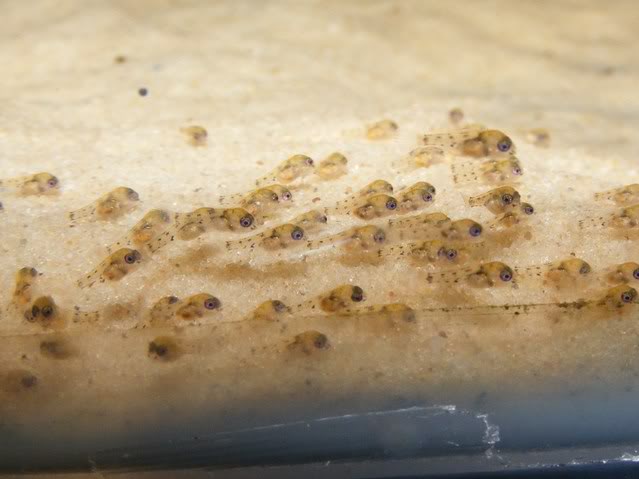
通常在洞穴或缝隙内的基质上产卵,雌鱼负责照料卵和仔鱼。若小缸中雌鱼持续攻击雄鱼,应考虑移走雄鱼,而不是假定配对后始终可以安全共处。
补充说明
“双红”“三红”“orange flash”、金色及白化等是人工选育品系或商品称呼,并不各自代表独立物种。野生地理色型也应保留采集信息,避免混淆及不必要的杂交。
图片
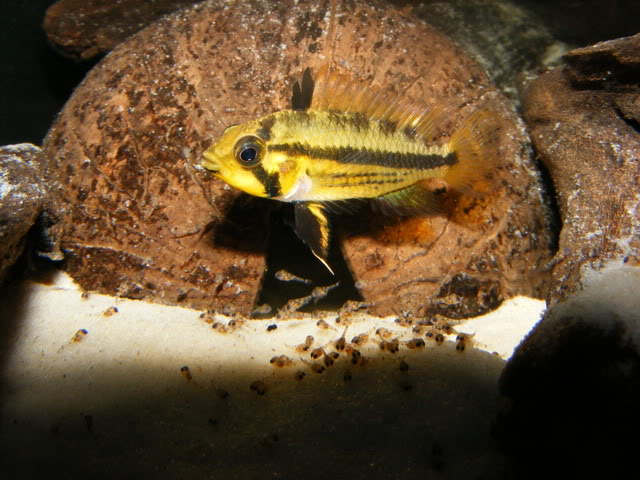
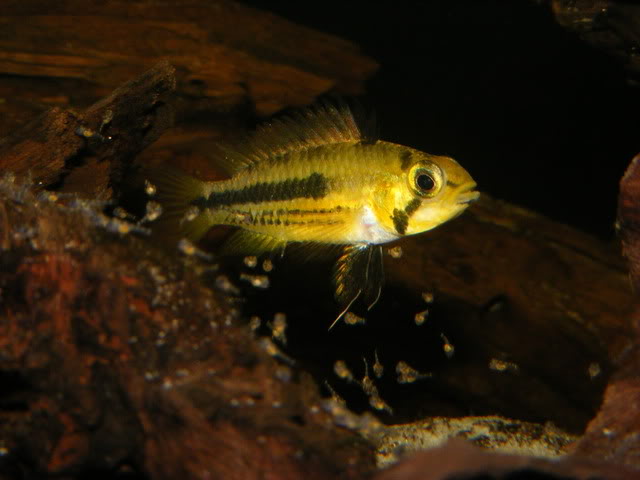
图片来自 SeriouslyFish,版权归各摄影者所有。
English
Overview
Apistogramma cacatuoides, the cockatoo cichlid, is familiar through numerous colorful captive strains. Their adaptability should not be assumed for every wild population, so origin and breeding history are useful parts of selecting and caring for these fish.
Distribution & habitat
The accepted main range spans the upper Amazon, from Peru's Ucayali and Amazonas to the Solimões in western Brazil. The original Suriname type locality was later corrected and should not be repeated as a reliable origin. Slow tributaries, backwaters and creeks with accumulated leaves are typical; water type varies by location and sometimes season.
Aquarium setup
Provide at least 60 × 30 cm of floor space for a pair, with more room for a group. Sand, roots and caves create shelter, while pots and suitable pipes are practical alternatives. Microbes growing on decomposing leaves can supplement fry food. Floating cover and shade-tolerant plants soften the light, and circulation should remain gentle. In lightly stocked conditions, weekly changes around 10–15% are a reference, with abrupt major shifts avoided.
Commercially bred fish are relatively flexible about pH. Values of 5–6 concern possible breeding requirements of certain wild populations, rather than a universal everyday target. Hardness should likewise reflect provenance.
Diet & feeding
The species is mainly carnivorous and apparently takes bottom-dwelling invertebrates in nature. Regular live or frozen brine shrimp, water fleas and bloodworm are appropriate. Many individuals gradually accept dry foods, usually favoring pellets over flakes.
Behaviour & compatibility
Captive-bred fish are preferable for general communities. Wild specimens are better kept in a dedicated tank or with small, quiet dither fishes. Avoid mixing them with other Apistogramma where possible, and pay particular attention to defensive females guarding young.
Sexual dimorphism
Males are larger and more colorful, with stronger fin extensions.
Breeding
Eggs are normally placed on a surface in a cavity or crevice. The female tends the eggs and fry. If she repeatedly attacks the male in a small tank, his removal may be necessary; pairing does not guarantee safe coexistence throughout brood care.
Notes
Names such as double red, triple red, orange flash, gold and albino refer to selected lines or trade forms, not separate species. Reliable collection information also matters for wild geographic forms, helping prevent confusion and unwanted crossing.
来源
- https://www.seriouslyfish.com/species/apistogramma-cacatuoides(抓取于 2026-10-10)
apistogramma-cacatuoides · 文件: data/species/apistogramma-cacatuoides.md · 状态: 草稿