Apistogramma barlowi · A174
概要
| 字段 | 值 |
|---|---|
| 类别 | 鱼 |
| 学名 | Apistogramma barlowi |
| 别名 | Barlow's Dwarf Cichlid、Maulbrüter Zwergbuntbarsch |
| 分类 | 慈鲷目 Cichliformes › 慈鲷科 Cichlidae › Apistogramma |
| 水体 | 淡水 |
| 原产地 | 秘鲁东北部安皮亚库河水系,可能为该水系特有 |
| 成体体长 | 6.5 cm |
| 饲养难度 | 中等 |
| 最小水体 | 54 L |
| 最小缸长 | 60 cm |
| 群居方式 | 成对 |
| 外部数据 | seriouslyfish apistogramma-barlowi;fishbase 63848 |
| 繁殖方式 | 口孵 |
| 特征 | 翻底砂: 是 |
水质参数
| 参数 | 耐受范围 | 最适范围 | 单位 |
|---|---|---|---|
| 水温 | 22–29 | — | °C |
| pH | 4.5–6.5 | — | — |
| 总硬度 | 1–5 | — | dGH |
概述
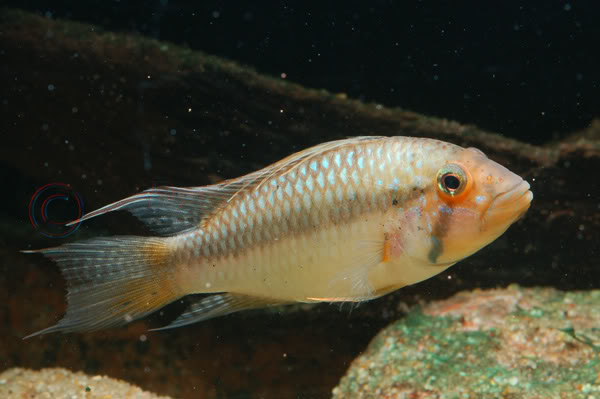
Apistogramma barlowi 的成熟雄鱼头和嘴明显增大,属于会灵活采用口孵育幼的短鲷。亲鱼不一定每窝都口含后代,也可能把卵和幼鱼留在浅坑中;不能用一次未见口孵就否定其身份。
分布与栖息地
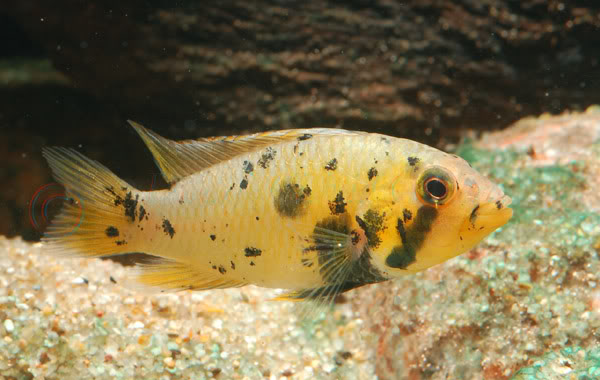
已知来自秘鲁东北部安皮亚库河水系,可能为这一亚马孙支流特有。已辨认出头部带红色、整体较暗的类型,以及缺少红斑、整体较淡的类型,二者并不同地出现。森林溪流中有清澈细白砂底的采集记录。
饲养环境
一对也更适合比最低参考宽敞的缸。软砂配沉木、枝根和洞穴形成遮阴,干落叶还可增加隐蔽与微生物。照明柔和,耐阴植物及浮水植物适用,以成熟海绵过滤保持轻流。
对有机废物波动敏感,不可放进未成熟系统。需要软、偏酸且碳酸盐硬度很低的水,必要时用反渗透水等软水来源稳定维持。
食性与喂食
隐带丽鱼属总体以底部小型无脊椎动物为主要食物。可规律喂丰年虾、水蚤、裸腹蚤及红虫等活饵或冷冻饵;若尝试干饲料,小颗粒通常比薄片更值得先试,仍要观察本鱼接受情况。
习性与混养
最好单种或与少量小型陪游鱼同养,避免其他同属鱼混入。相对部分近亲,它对同种据称较温和,但不代表可以忽视遮蔽、空间和繁殖期间的互动。
雌雄区分
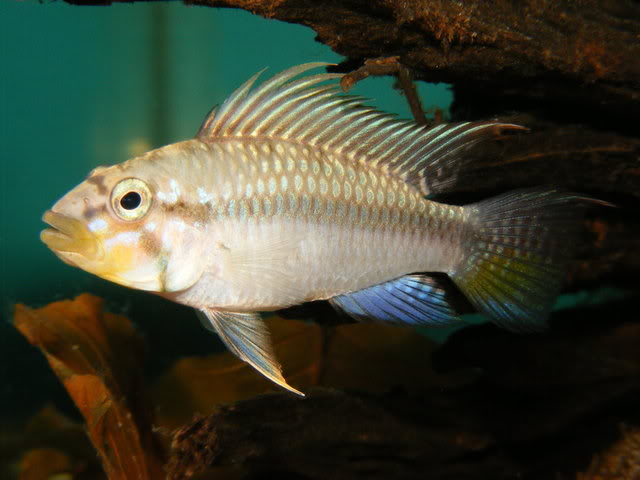
雄鱼更大、头嘴更发达,颜色强,背鳍鳍条随成熟延长;尾鳍呈琴形,下叶偏黄、上叶蓝透并有浅点。雌鱼尾鳍较平截,通常仅近基部略黄,缺少雄鱼花纹。
繁殖
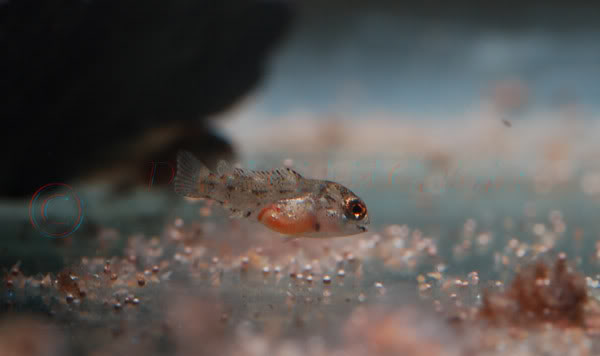
育幼方式可变:单方或双方亲鱼都可能口含幼鱼,也可能全程在挖出的浅坑照料。实验观察显示,细砂条件下雌鱼口孵比例较高,较强水流下则曾只见雄鱼口孵;这些是特定条件下的观察,不宜转成固定性别规则,也不必为了诱发口孵刻意制造强流。
雄鱼求偶时会堆小砂丘,可能向竞争者展示嘴部大小,也可能向雌鱼展示携带幼鱼的能力,具体作用仍带推测。
补充说明
常用编号为 A174,红色型和浅色型曾以不同商品名流通。保留产地及色型信息,避免将不同来源无记录地混合。
图片
图片来自 SeriouslyFish,版权归各摄影者所有。
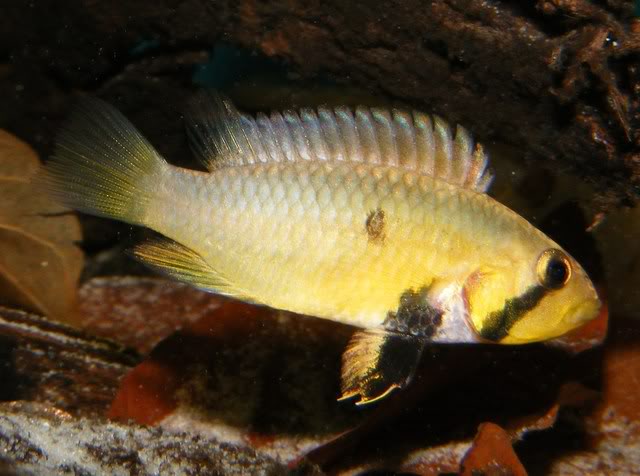
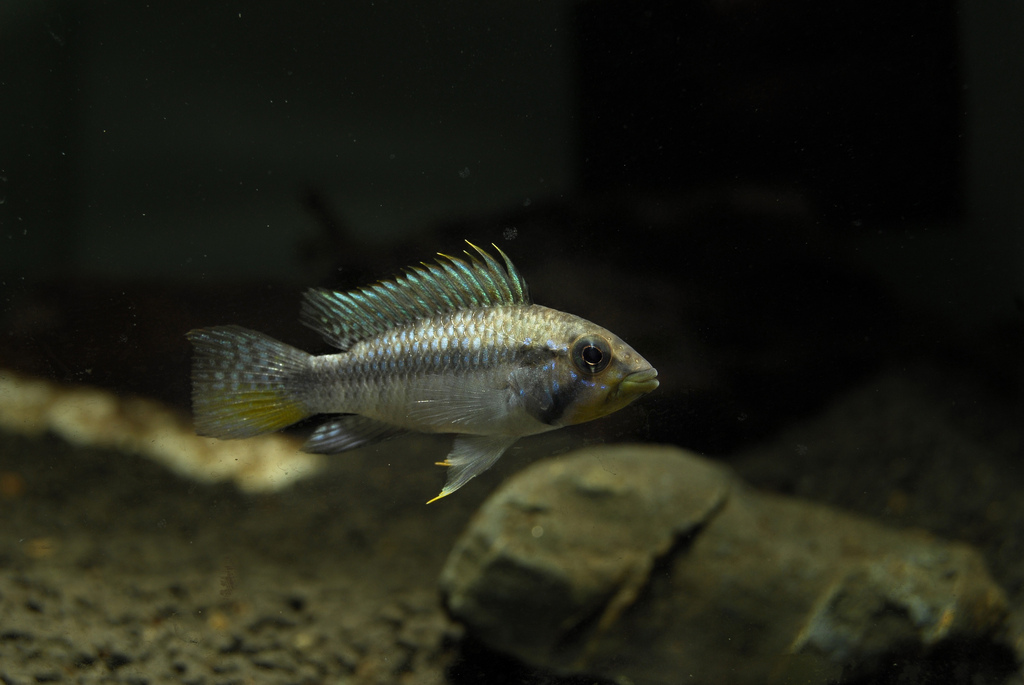
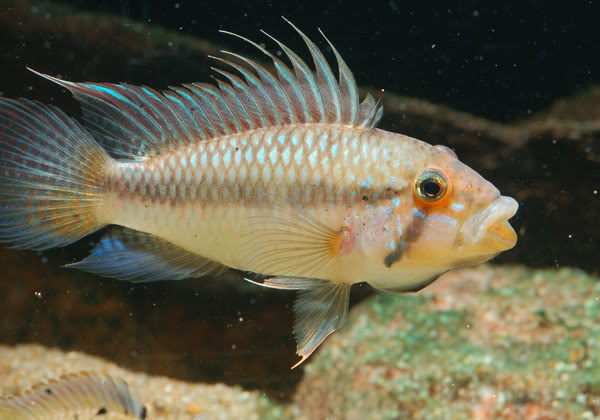
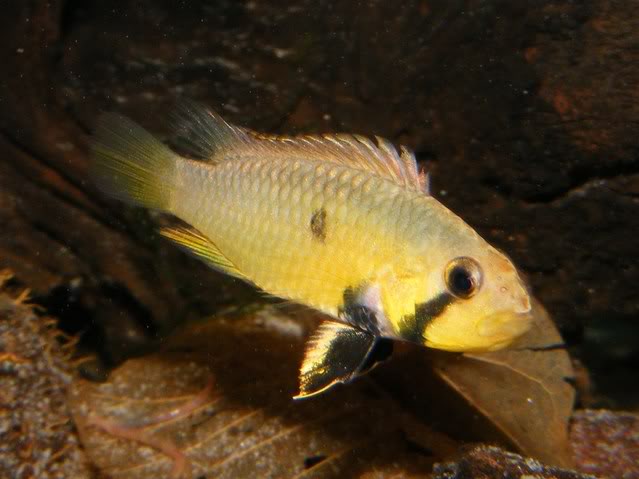
English
Overview
Mature male Apistogramma barlowi develop disproportionately large heads and jaws. Brood care is flexible: one or both parents may carry young in the mouth, while other broods remain in substrate pits. Mouthbrooding is therefore a capability rather than an obligatory behavior in every spawning.
Distribution & habitat
Known from the Ampiyacu system of northeastern Peru, it may be endemic to this Amazon tributary. Separate populations include a darker red-headed form and a paler form lacking those red markings. A documented forest-stream habitat had clear water and a fine white-sand bed.
Aquarium setup
Even a pair benefits from more than the minimum suggested space. Fine sand, wood, roots, and cavities create shaded cover; leaf litter adds microorganisms and retreats. Dim lighting, suitable shade-tolerant plants, floating cover, and mature sponge filtration work well.
Avoid immature systems and fluctuations in organic waste. Maintain soft acidic water with very low carbonate hardness, using a dependable soft-water source where necessary.
Diet & feeding
The genus generally feeds on small benthic invertebrates. Offer live or frozen Artemia, Daphnia, Moina, and bloodworms regularly. Small pellets may be worth trying before flakes, while checking actual acceptance.
Behaviour & compatibility
A species aquarium or small dither companions is preferable to mixing it with other members of the genus. It reportedly behaves more mildly toward conspecifics than some relatives, but this does not remove the need for cover, space, and observation.
Sexual dimorphism
Males have larger heads and jaws, stronger color, and extended dorsal rays. Their lyre-shaped tail has a yellow lower lobe and translucent blue upper lobe with pale spots. Females have a more truncate, largely unmarked tail with yellow near its base.
Breeding
Brood care may involve either parent, both parents, or no mouthbrooding at all, with young instead held in shallow excavations. Laboratory observations found more female participation over fine sand and exclusively male carrying under strong flow. These are condition-specific observations, not fixed sex roles or a reason to impose strong aquarium currents.
Courting males construct small sand piles. This may demonstrate mouth size to rivals or brood-carrying ability to females, but the function remains interpretive.
Notes
The trade code is A174, with distinct labels historically applied to red and pale forms. Preserve locality and form information when managing breeding stock.
来源
- https://www.seriouslyfish.com/species/apistogramma-barlowi(抓取于 2026-10-10)
apistogramma-barlowi · 文件: data/species/apistogramma-barlowi.md · 状态: 草稿