琴尾旗鮰 · Golden Lyretail
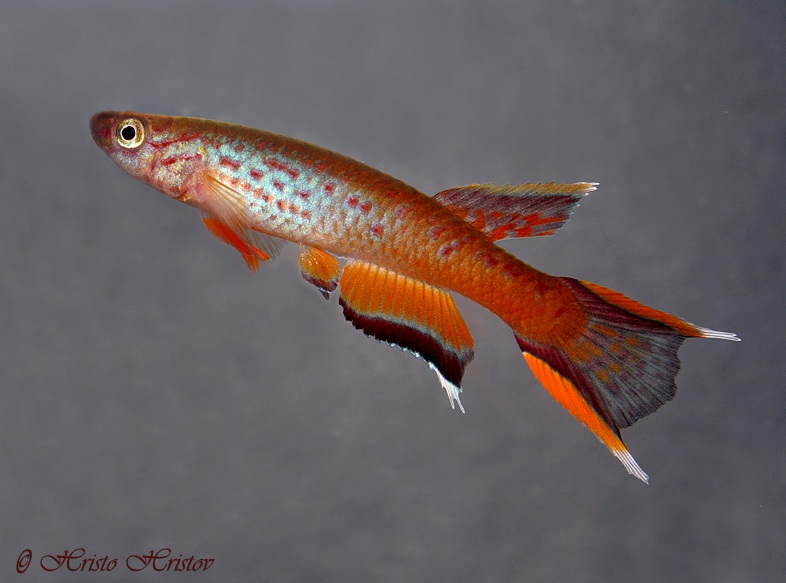
概要
| 字段 | 值 |
|---|---|
| 类别 | 鱼 |
| 学名 | Aphyosemion australe |
| 别名 | Cape Lopez Lyretail、Bunter Prachtkärpfling、Kap Lopez Prachtkärpfling、Haplochilus calliurus var. australis、Panchax polychromus |
| 分类 | 鳉形目 Cyprinodontiformes › 假鳃鳉科 Nothobranchiidae › Aphyosemion |
| 水体 | 淡水 |
| 原产地 | 加蓬、刚果共和国 |
| 成体体长 | 6 cm |
| 饲养难度 | 入门 |
| 最小水体 | 28 L |
| 最小缸长 | 45 cm |
| 性情 | 温和 |
| 特征 | 会跳缸: 是 |
| 外部数据 | seriouslyfish aphyosemion-australe;fishbase 8770 |
| 繁殖方式 | 产卵 |
水质参数
| 参数 | 耐受范围 | 最适范围 | 单位 |
|---|---|---|---|
| 水温 | 21–32 | — | °C |
| pH | 5.5–7 | — | — |
| 总硬度 | 1–10 | — | dGH |
概述
琴尾旗鮰(Aphyosemion australe)是较容易入门的非一年生鳉鱼,雄鱼体色鲜艳、尾鳍呈琴尾状。它并非只能活一年,在人工环境中活过 3 年并不少见;常见人工色型也较有适应性。
分布与栖息地
分布于加蓬及南邻刚果共和国的沿海低地,模式产地靠近加蓬奥果韦河口洛佩兹角。栖息于常年有水的沼泽和小溪,而非必须随旱季干涸的临时水塘。
饲养环境
一对或一雄两雌可使用底面积约 45 × 25 cm 以上的缸。暗色底床有助于衬托颜色,浮水植物可柔化光照。它善于跳跃,缸盖必须贴合,不能留出可钻的缝隙。
食性与喂食
偏爱水蚤、摇蚊幼虫等小型活饵或冷冻饵。多数市售个体来自人工繁殖,通常也接受优质薄片,但宜保持食谱多样。
习性与混养
性情温和且偏胆小,容易在争食时输给活跃同伴。可与小型温和灯鱼、波鱼、合适的小型慈鲷和小型鲶鱼等谨慎搭配,重点是让它能从容进食和躲藏。
雌雄区分
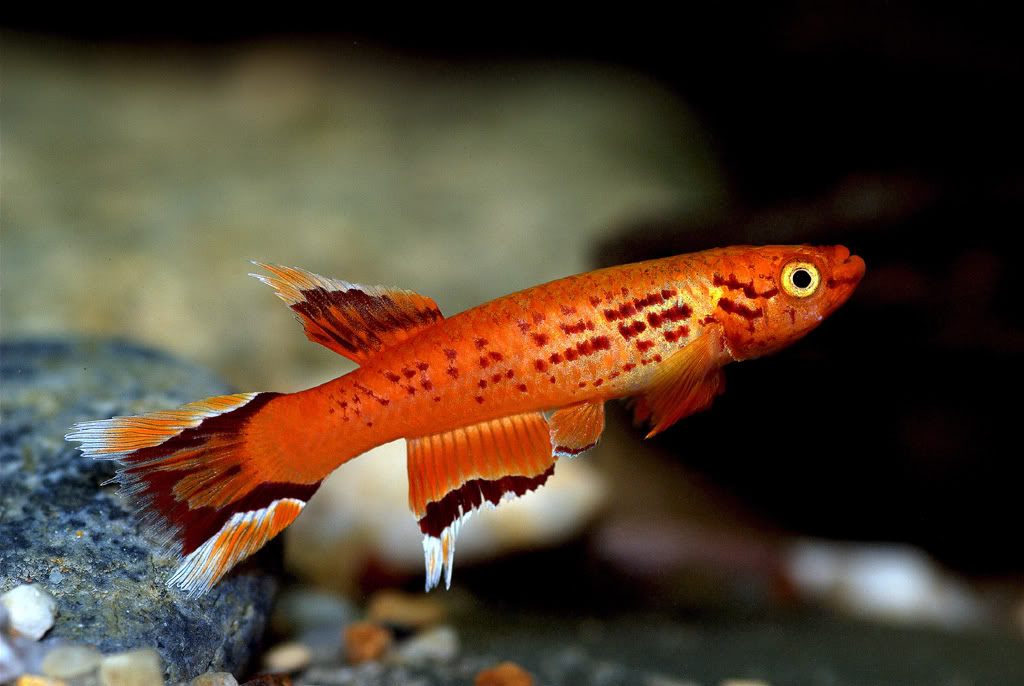
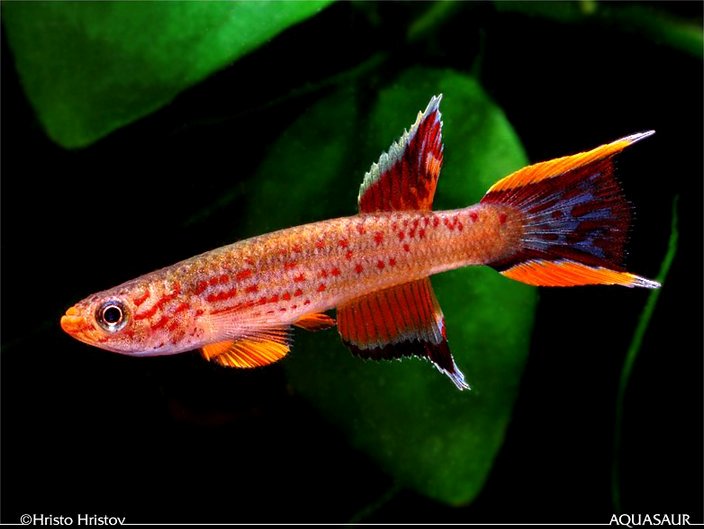
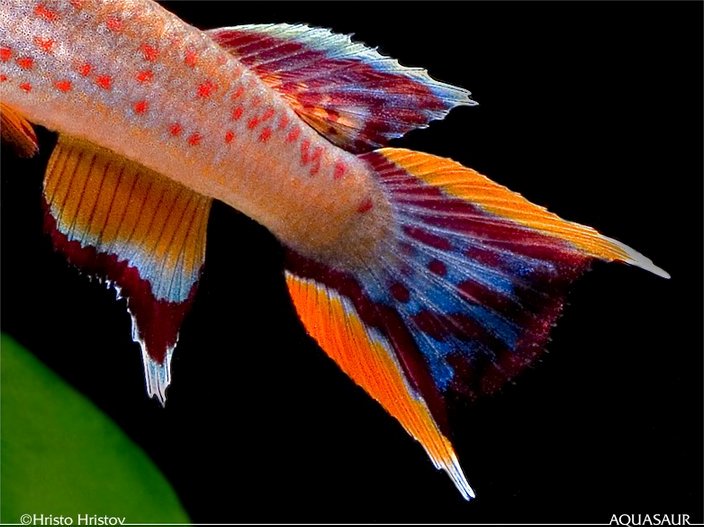
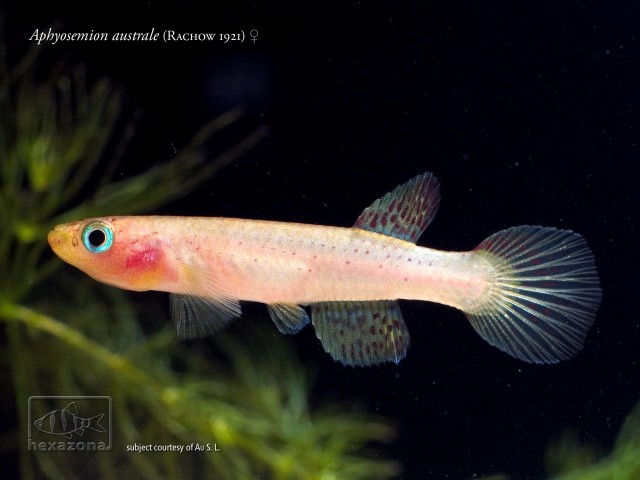
雄鱼较大,色彩鲜艳,尾鳍、背鳍和臀鳍有延长部分;雌鱼较小、体色朴素,腹部更圆。
繁殖
繁殖相对容易,卵可产在底部基质或植被间。可用细叶植物、产卵拖把或底层湿泥炭苔作产卵介质;若不用底层介质,裸底便于清洁和收卵。轻柔海绵过滤有助于避免水体停滞,繁殖水宜偏软、偏酸,约 pH 6.0~6.5、21~24 °C,保持昏暗。
先以多样活饵和冷冻饵育肥,也可分开雌雄,让雌鱼有恢复时间,再选状态好的一对。三鱼组合也能产卵,但未参与产卵的个体可能吃卵,配对往往更利于收卵。常可每天取得约 10~20 粒卵;约一周后宜将亲鱼分开休养,避免持续产卵使雌鱼衰弱。
卵可留缸孵化,但亲鱼可能吞食,想提高育苗数量应温柔取出。可在浅水中孵化,或放在小容器内的湿泥炭苔上;两种方法都需避光,及时移除发霉卵。水孵通常约 10~20 天,视温度而变;湿介质孵育可在约 18 天后加水尝试孵化。分批操作时标明种名、日期和卵数,避免混淆。
鱼苗自由游动后即可吃丰年虾无节幼体。可在孵化前少量引入绿水等培养微小食物;每日少量喂食两次,并每隔 2~3 天少量换水。幼鱼对水质不良较敏感,丝绒病风险需要留意。
补充说明
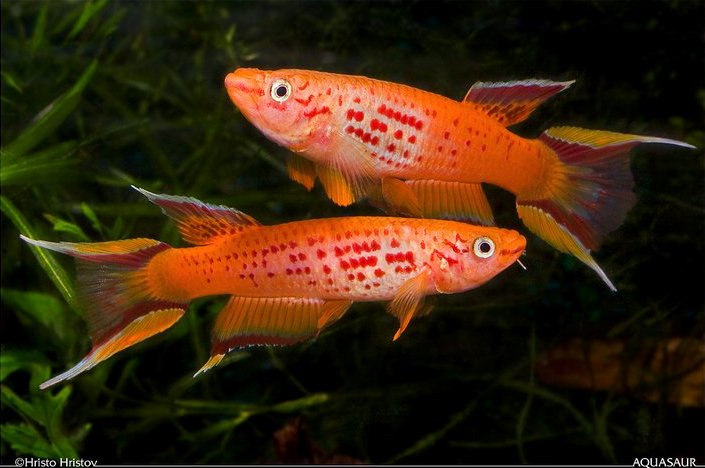
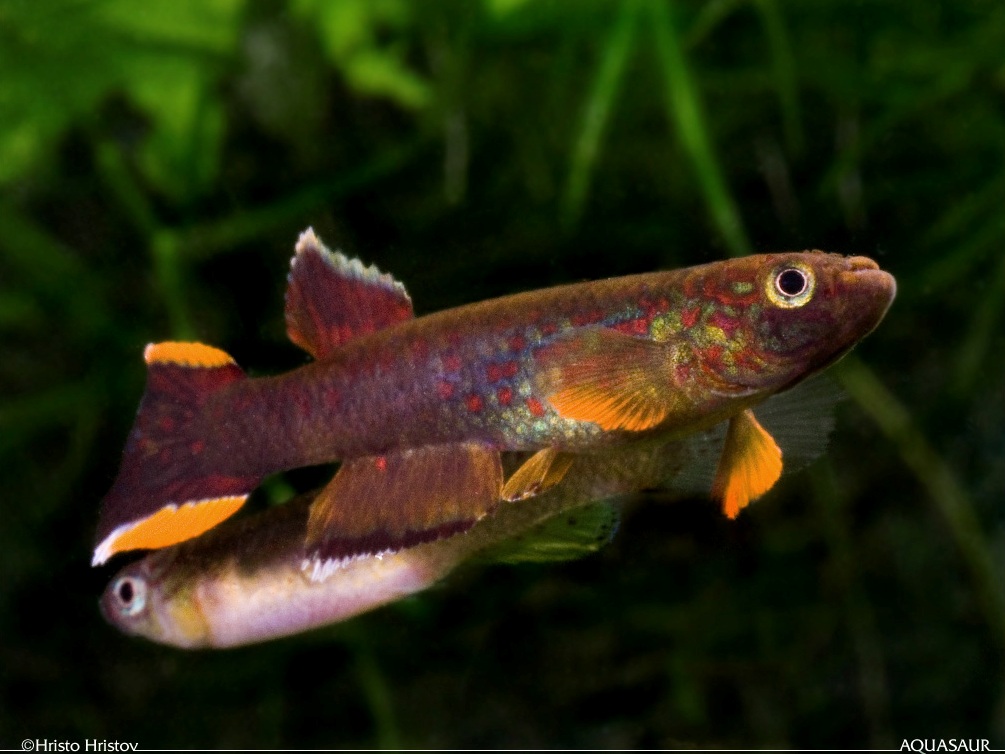
野生型常按采集地点和年份保留标签,以维持血系并避免混杂。橙色、金色、巧克力色和白化等人工型也存在,购买和繁殖时应保留准确身份记录。
图片
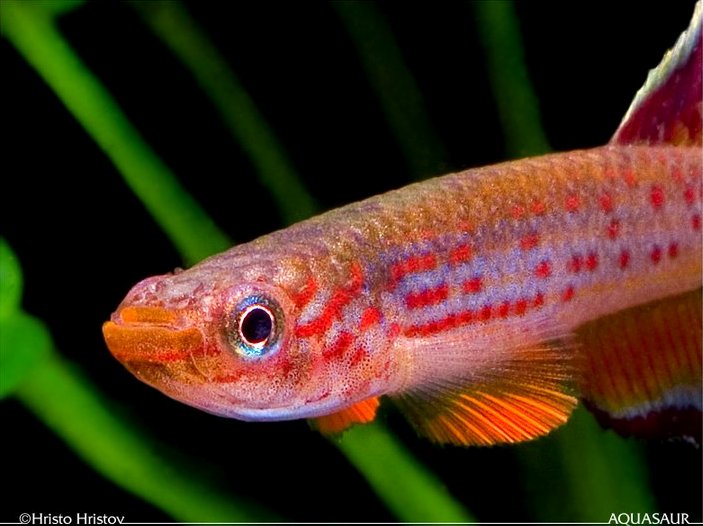
图片来自 SeriouslyFish,版权归各摄影者所有。
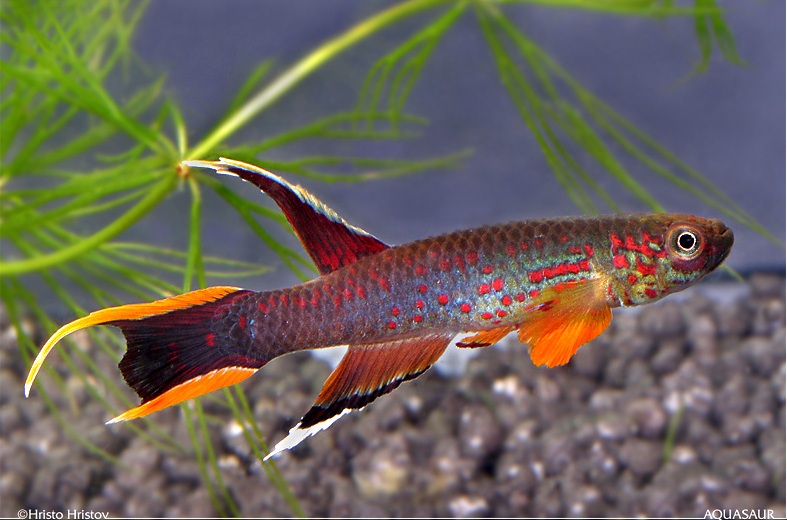
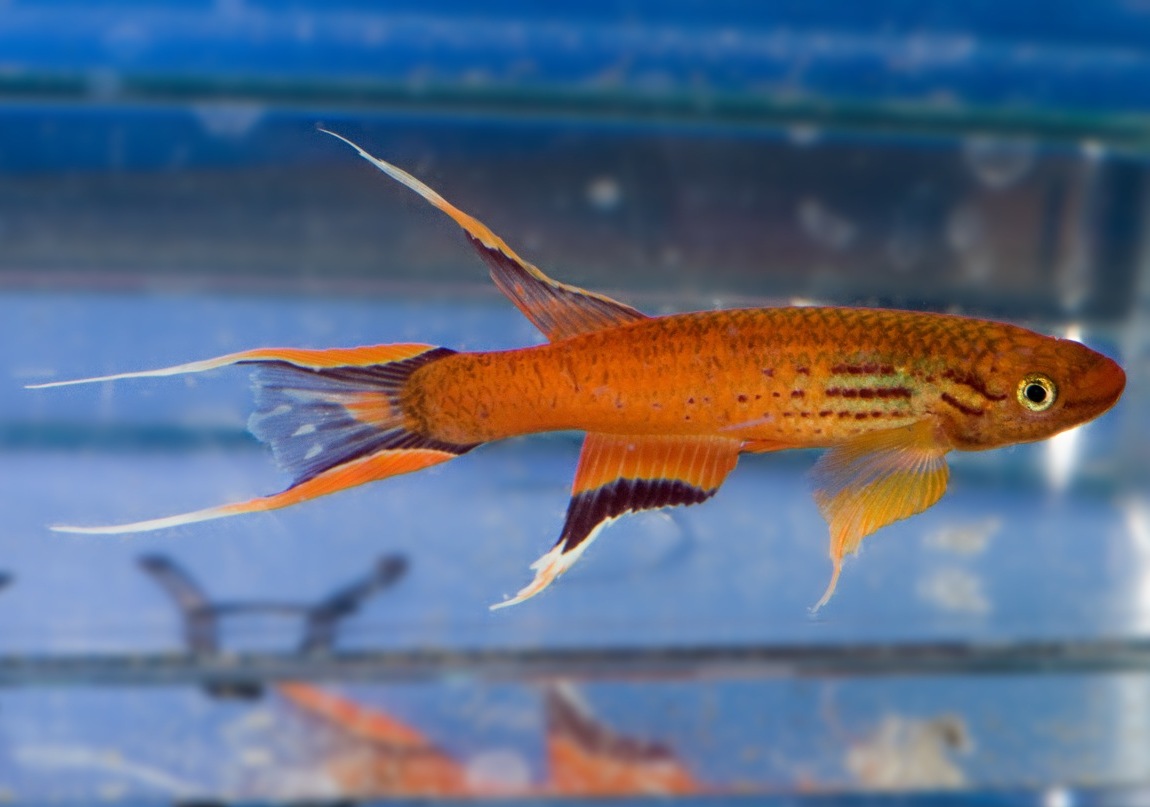
English
Overview
Aphyosemion australe, the Cape Lopez or golden lyretail, is an approachable nonannual killifish. Males have vivid colors and extended lyre-shaped tails. A lifespan beyond three years is not unusual in captivity, and ornamental strains are generally adaptable.
Distribution & habitat
Its native range follows lowland coastal areas of Gabon and the neighboring Republic of the Congo. The type locality lies near Cape Lopez at the mouth of the Ogooué. It occupies permanent swamps and small streams rather than depending on temporary pools that dry each year.
Aquarium setup
A pair or a trio can use an aquarium with a footprint of about 45 × 25 cm or more. Dark substrate provides a useful background, while floating vegetation softens overhead light. These fish jump readily, so the lid must fit securely without accessible gaps.
Diet & feeding
Small live and frozen foods, including Daphnia and bloodworms, are favored. Most available fish are captive-bred and also accept quality flakes. A varied menu supports condition.
Behaviour & compatibility
Its peaceful, rather shy nature makes it vulnerable to being outcompeted by more vigorous fishes. Carefully chosen small tetras, rasboras, appropriate dwarf cichlids, and small peaceful catfishes can work. The lyretails must still have sheltered space and reliable access to food.
Sexual dimorphism
Males are larger and more colorful, with extended dorsal, anal, and caudal fins. Females are smaller, plainer, and rounder through the abdomen.
Breeding
Spawning is relatively easy. Eggs can be placed among vegetation or in bottom material, so fine plants, spawning mops, or a layer of peat moss can serve as the medium. Without a bottom spawning medium, a bare base simplifies cleaning and egg collection. Gentle sponge filtration prevents stagnation. Soft, acidic water around pH 6.0–6.5 and 21–24 °C under very subdued light is suitable.
Condition the sexes on varied live and frozen food. Keeping them apart between attempts gives females time to recover. Select a well-conditioned pair; trios also spawn, but the uninvolved fish may eat eggs and reduce the harvest. Approximately 10–20 eggs can be collected per day. Return the parents to separate conditioning quarters after about a week rather than exhausting the female through prolonged spawning.
Eggs can remain with the adults, although some may be eaten. For larger broods, remove them gently and incubate either in shallow water or on damp peat moss in a small container. Keep both methods dark and remove moldy eggs promptly. Water-incubated eggs generally hatch in 10–20 days depending on temperature. With damp incubation, adding water after roughly 18 days can stimulate hatching. Label containers with species, dates, and egg counts when handling several batches.
Free-swimming fry can take newly hatched Artemia immediately. Small additions of green water before hatching can help establish supplementary microscopic food. Feed twice daily and make small water changes every two or three days. Fry require careful water-quality management and are susceptible to velvet disease.
Notes
Wild forms are commonly maintained with collection locality and year attached to preserve bloodlines. Orange, gold, chocolate, and albino ornamental strains also occur. Retain accurate identification when obtaining or breeding different lines.
来源
- https://www.seriouslyfish.com/species/aphyosemion-australe(抓取于 2026-10-10)
aphyosemion-australe · 文件: data/species/aphyosemion-australe.md · 状态: 草稿