红鳍细脂鲤 · Bloodfin Tetra
概要
| 字段 | 值 |
|---|---|
| 类别 | 鱼 |
| 学名 | Aphyocharax anisitsi |
| 别名 | 安氏细脂鲤、紅鰭細脂鯉、安氏細脂鯉、Rotflossensalmler、Aphyocharax rubropinnis、Aphyocharax affinis、Aphyocharax ipacarayensis、Phoxinopsis typicus |
| 分类 | 脂鲤目 Characiformes › 脂鲤科 Characidae › Aphyocharax |
| 水体 | 淡水 |
| 原产地 | 阿根廷、巴西、巴拉圭 |
| 成体体长 | 5.5 cm |
| 饲养难度 | 入门 |
| 最小水体 | 54 L |
| 最小缸长 | 60 cm |
| 群居方式 | 群游 |
| 特征 | 会跳缸: 是 |
| 外部数据 | seriouslyfish aphyocharax-anisitsi;fishbase 10618 |
| 游动层 | 上层 |
| 繁殖方式 | 散卵 |
水质参数
| 参数 | 耐受范围 | 最适范围 | 单位 |
|---|---|---|---|
| 水温 | 18–28 | — | °C |
| pH | 6–8 | — | — |
| 总硬度 | 3–25 | — | dGH |
概述
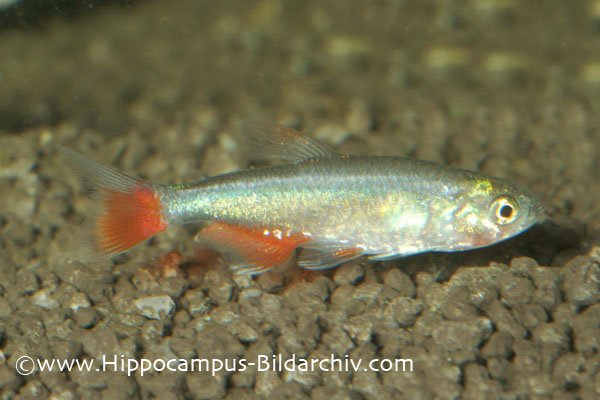
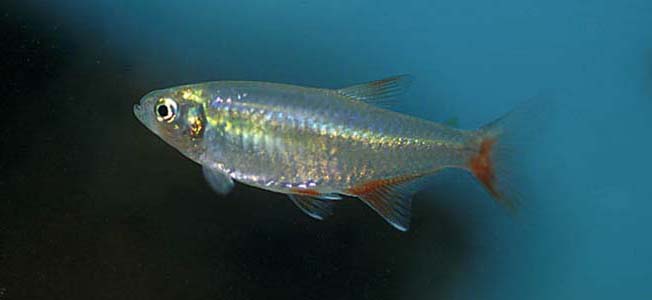
红鳍细脂鲤(Aphyocharax anisitsi)是体色银亮、鳍带红色的群居小鱼,适应范围较宽,但群体过小或混入行动迟缓、长鳍的鱼时,仍可能出现咬鳍。草丛遮蔽与开阔游动区兼有的缸更能展示它的活跃状态。
分布与栖息地
原生于巴西、巴拉圭和阿根廷的巴拉那河流域,栖息于河流、溪流及支流。浮水植物和伸向水面的岸边植被常为水体提供阴影。
饲养环境
水草可种得较密,但需留下游动空间。沉木、根枝和浮水植物能形成明暗相间的环境;它常在上层活动,缸盖要严密,防止受惊跳出。可适应较宽的水质条件。保温良好的室内有时能不加热饲养,但仍应以实际水温为准,较冷时发色也往往不如温暖环境。
食性与喂食
对食物接受度较高,干饲料、活饵和冷冻饵料都能摄食。交替提供多种食物,比长期只喂一种更利于维持状态。
习性与混养
至少六条成群饲养。总体可与合适的小型群居鱼混养,但长鳍或游动慢的同伴可能被轻咬,应注意观察。群体充足也有助于分散同种间的互动。
雌雄区分
雄鱼通常较纤细,腹鳍和臀鳍的鳍条上有细小的钩状结构;成熟雌鱼身体更丰满。
繁殖
可另设繁殖缸,放入细叶植物并使用海绵过滤,避免水质过于偏碱。先把亲鱼养好,再选择腹部饱满的雌鱼和颜色鲜明的雄鱼,常会在次日早晨产卵。
卵散落在植物间,不具有黏性,许多会沉底,也有的漂浮。亲鱼会吃卵,产后应移出。一窝可能有数百尾鱼苗,需提前安排育苗空间。卵约一天孵化,鱼苗耗尽卵黄后先喂纤毛虫级别的小食物,再逐渐改喂微虫和丰年虾无节幼体。
补充说明
它在水族贸易中已有很长历史。良好条件下有寿命超过十年的记录,但个体寿命不宜视作固定保证。
图片
图片来自 SeriouslyFish,版权归各摄影者所有。
English
Overview
The bloodfin tetra, Aphyocharax anisitsi, combines a silver body with red fins and an active group lifestyle. It is adaptable, though its occasional fin nipping matters when choosing companions. A planted aquarium with room for the group to move suits it well.
Distribution & habitat
Its native range follows the Paraná drainage through Brazil, Paraguay, and Argentina. Rivers, tributaries, and smaller streams provide habitat, often shaded by floating vegetation or plants extending over the banks.
Aquarium setup
Balance dense planting with an unobstructed swimming area. Branches, wood, and surface plants create shelter and patches of shade. Much of its activity occurs toward the top, so a securely fitted cover is important. It tolerates a broad range of conditions. An aquarium in a sufficiently insulated home may not need heating, provided the actual temperature remains suitable; cooler conditions can reduce color intensity.
Diet & feeding
Dry, frozen, and live foods are all readily taken. Offer a varied rotation of appropriate foods to maintain condition rather than relying on a single item.
Behaviour & compatibility
Keep a group of at least six. It can live with suitable small community fishes, but slow companions or those with trailing fins may be nipped. Observe these combinations carefully and maintain enough bloodfins for their social interactions.
Sexual dimorphism
Males have a slimmer outline. Small hooks on the pelvic and anal fin rays also distinguish them, while mature females are fuller-bodied.
Breeding
Prepare a separate aquarium with fine plants and a sponge filter, avoiding strongly alkaline conditions. Condition the adults, then introduce a well-rounded female and a strongly colored male. Spawning often follows the next morning.
The eggs fall among the plants but do not stick to them; some settle on the bottom and others can float. Remove the parents after spawning because they consume eggs. Hatching takes roughly a day. Once the yolk is used, begin with infusoria-sized food and progress to microworms and newly hatched brine shrimp. A spawning can produce hundreds of young, so rearing capacity should be planned beforehand.
Notes
This is a long-established aquarium fish. Individuals have reportedly survived beyond ten years under favorable care, although that is not a guaranteed lifespan.
来源
- https://www.seriouslyfish.com/species/aphyocharax-anisitsi(抓取于 2026-10-10)
aphyocharax-anisitsi · 文件: data/species/aphyocharax-anisitsi.md · 状态: 草稿