斑条秘鮰 · Mediterranean Toothcarp
概要
| 字段 | 值 |
|---|---|
| 类别 | 鱼 |
| 学名 | Aphanius fasciatus |
| 别名 | 斑條祕鮰、Lebias fasciata、Aphanius nanus、Lebias lineatopunctata、Poecilia calaritana、Lebias flava、Lebias nigropunctata、Cyprinodon hammonis、Cyprinodon moseas、Lebias thermarum、Cyprinodon cyanogaster、Cyprinodon doliatus、Micromugil macrogaster、Micromugil timidus、Cyprinodon desioi、Lebias sarda |
| 分类 | 鳉形目 Cyprinodontiformes › Aphaniidae › Aphanius |
| 水体 | 淡水 |
| 原产地 | 阿尔巴尼亚、波斯尼亚和黑塞哥维那、克罗地亚、埃及、法国、希腊、以色列、意大利、黎巴嫩、利比亚、马耳他、黑山、斯洛文尼亚、叙利亚、突尼斯、土耳其 |
| 成体体长 | 5.5 cm |
| 饲养难度 | 中等 |
| 最小水体 | 108 L |
| 最小缸长 | 120 cm |
| 群居方式 | 群游 |
| 外部数据 | seriouslyfish aphanius-fasciatus;fishbase 4834 |
| 领地性 | 是 |
| 繁殖方式 | 附着产卵 |
水质参数
| 参数 | 耐受范围 | 最适范围 | 单位 |
|---|---|---|---|
| 水温 | 2–30 | — | °C |
| pH | 7.5–9 | — | — |
| 总硬度 | 10–30 | — | dGH |
概述
斑条秘鮰(Aphanius fasciatus)分布于地中海许多沿岸地区,不同产地的花纹和盐度环境并不相同。适合维持有来源记录的单种群体,既要让繁殖期雌鱼有处躲避,也要保留冬季冷凉阶段,不能全年按热带鱼恒温饲养。
分布与栖息地
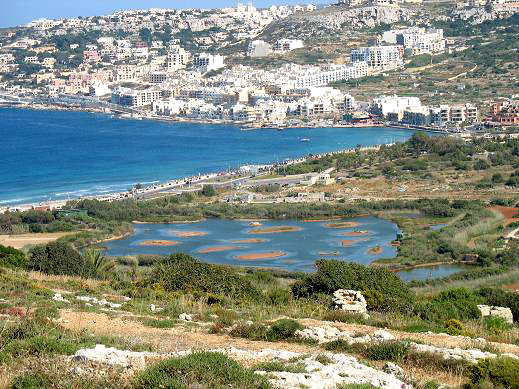
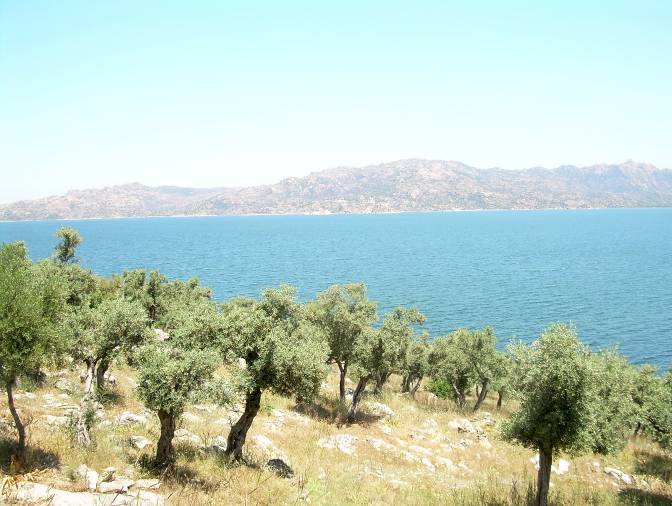
记录沿地中海及亚得里亚海岸,从法国、意大利、巴尔干半岛到土耳其、黎凡特和北非,也见于多座岛屿。少量种群处于内陆淡水环境,例如土耳其巴法湖及北非部分绿洲。
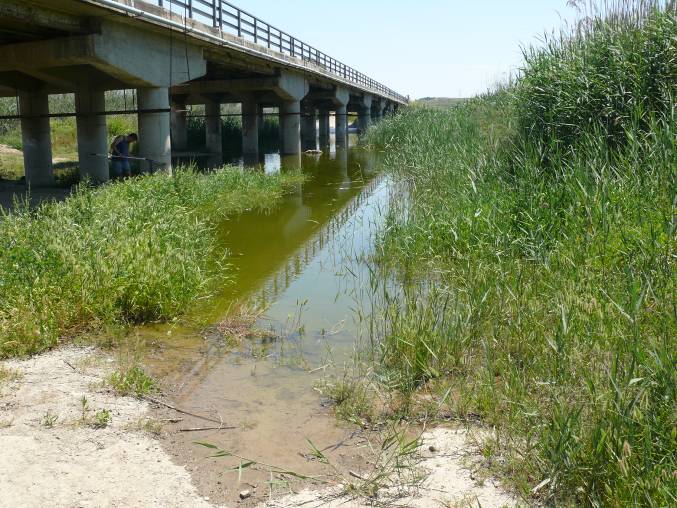
常见于浅水潟湖、盐沼和小溪,有密集水草或丝状藻。种群总体涵盖淡水到高盐环境,但当地的竞争者、污染及生境退化会影响其存续,不能以整个物种范围很广来忽略单个产地种群。
饲养环境
提供大量细纱拖把、莫丝、金鱼藻或丝状藻,兼顾遮蔽和附卵,打断鱼之间的视线。雌鱼和弱势雄鱼应能躲开繁殖期优势雄鱼。底床不是必需,惰性沙砾亦可;过滤不必很强。
盐度按来源安排,部分种群适合淡水,多数的维护建议为每升约 1—3 g 海水盐,高盐来源繁殖可能需要更高盐度。每年应有数月冷凉冬季,长期温暖可能影响繁殖力和寿命。室外饲养及自然日照须以当地气候适宜为前提,不把野外短时高温当作长期缸养目标。
食性与喂食
按本属的饲养建议,提供丰年虾、水蚤、红虫等小型活饵或冷冻饵,尤其在春夏连续繁殖期间。多数可逐渐接受干粮,缺少丝状藻时可用含螺旋藻的优质饲料补充。
习性与混养
优先单种群养和繁殖,每尾雄鱼搭配两至三尾雌鱼。其水质需求与普通综合缸不同,各产地血系应分别保存并做好标签。
雌雄区分
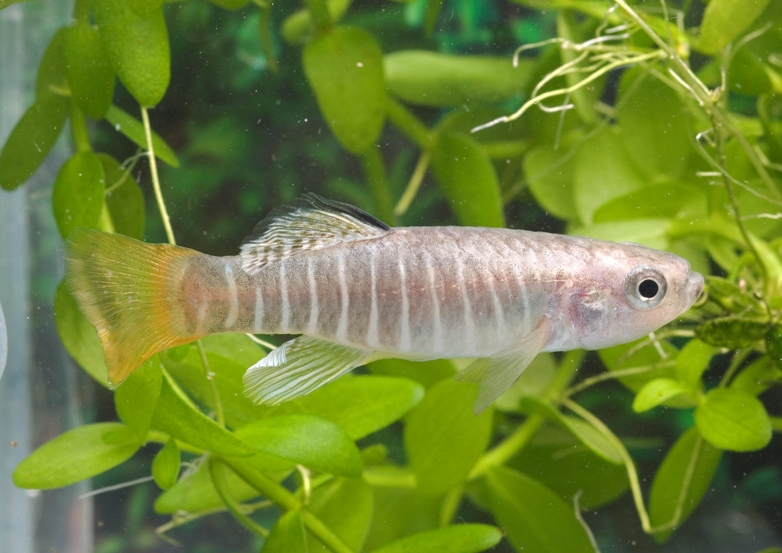
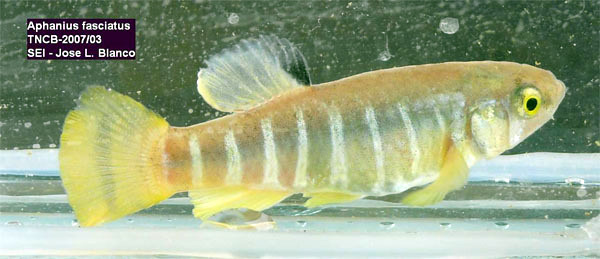
雄鱼体侧有蓝灰竖带,鳍多偏黄绿色,臀鳍可有暗纹,背鳍基部可有点斑。雌鱼更大、更朴素,常有褐色竖带及不规则暗点,鳍透明;少数雌鱼竖带不明显。雄鱼条带宽度、数量和尾鳍暗带也随产地变化。
繁殖
常在四至九月持续小批产卵,雄鱼守护临时领地并展示更鲜明的颜色。卵以细丝附着在藻类或其他表面。本属会吃卵和幼鱼,因此应每天检查材料。
移动时连附着材料一起轻取,避免直接夹碰小卵,也可每隔数天换整束拖把。孵化水与亲鱼缸的温度和化学条件保持一致,通常十至十五天孵化,自由游动后即可喂丰年虾无节幼体或微虫。
补充说明
不同产地虽然外观有差异,遗传分化未必同样明显;孤立的巴法湖种群是被特别指出的例外。保留产地仍有助于维持血系和避免混淆。
图片
图片来自 SeriouslyFish,版权归各摄影者所有。
English
Overview
Aphanius fasciatus occurs along much of the Mediterranean coast, with locality-associated differences in pattern and salinity. Maintain known stocks as dedicated groups, giving females refuge during breeding and providing a cooler winter instead of constant tropical warmth.
Distribution & habitat
Coastal records extend from France and Italy through the Adriatic and Balkans to Turkey, the Levant, and North Africa, including several islands. A few inland populations occupy freshwater settings such as Lake Bafa in Turkey and North African oases.
Shallow lagoons, salt marshes, and streams with dense plants or filamentous algae are typical. The pooled range spans freshwater to hypersaline conditions. Introduced competitors, pollution, and habitat degradation still threaten local populations despite the broad species distribution.
Aquarium setup
Fine yarn mops, moss, hornwort, and filamentous algae offer cover and egg attachment surfaces. Break sight lines so females and subordinate males can avoid dominant breeding males. Substrate is optional, with inert sand or gravel acceptable; strong filtration current is unnecessary.
Match salinity to origin. Some populations suit freshwater, while a general maintenance suggestion for many is marine salt at about 1–3 g/L. Hypersaline stocks may need more for reproduction. Provide several cooler winter months, since constant warmth can reduce breeding performance and longevity. Outdoor maintenance and sunlight depend on suitable local conditions; brief natural heat extremes are not long-term aquarium targets.
Diet & feeding
Follow the genus-level captive guidance with small live or frozen brine shrimp, water fleas, and bloodworms, especially during extended spring and summer reproduction. Dry foods are usually learned. A quality Spirulina-containing preparation is useful when filamentous algae are absent.
Behaviour & compatibility
A dedicated breeding group is preferable, with two or three females per male. Water requirements differ from those of a conventional community. Keep geographic stocks separate and retain their locality labels.
Sexual dimorphism
Males have blue-gray flank bars and generally yellow-green fins, with darker anal markings and dorsal basal spots. Larger, plainer females usually show brown bars or irregular dark spots and clear fins; bars may be weak or absent in some. Male band number, width, and tail markings also vary by locality.
Breeding
Repeated small batches of eggs are commonly produced between April and September. Males defend temporary sites and intensify in color. Fine filaments attach eggs to algae or other surfaces. Egg and fry predation within the genus makes daily checks of spawning material useful.
Move attached material without gripping the eggs, or exchange complete mops every few days. Match incubation water to the adults in chemistry and temperature. Hatching usually takes ten to fifteen days, with free-swimming young able to take brine-shrimp nauplii or microworms.
Notes
Differences in appearance among localities need not imply equally strong genetic separation. The isolated Lake Bafa population has been identified as an exception. Locality records remain useful for preserving stocks and preventing confusion.
来源
- https://www.seriouslyfish.com/species/aphanius-fasciatus(抓取于 2026-10-10)
aphanius-fasciatus · 文件: data/species/aphanius-fasciatus.md · 状态: 草稿