西氏秘鮰 · Azraq Toothcarp
概要
| 字段 | 值 |
|---|---|
| 类别 | 鱼 |
| 学名 | Aphaniops sirhani |
| 别名 | 西氏祕鮰、Aphanius sirhani |
| 分类 | 鳉形目 Cyprinodontiformes › Aphaniidae › Aphaniops |
| 水体 | 淡水 |
| 原产地 | 约旦 |
| 成体体长 | 5 cm |
| 饲养难度 | 中等 |
| 最小水体 | 108 L |
| 最小缸长 | 120 cm |
| 群居方式 | 群游 |
| 外部数据 | seriouslyfish aphanius-sirhani;fishbase 27857 |
| 领地性 | 是 |
| 繁殖方式 | 附着产卵 |
水质参数
| 参数 | 耐受范围 | 最适范围 | 单位 |
|---|---|---|---|
| 水温 | 10–35 | — | °C |
| pH | 7–8.5 | — | — |
| 总硬度 | 10–25 | — | dGH |
概述
西氏秘鮰(Aphaniops sirhani)仅来自约旦阿兹拉克绿洲残存水域,适合以维持种群和繁殖为目标的单种饲养。繁殖季雄鱼活动强烈并守护临时领地,雌鱼和弱势雄鱼需要大量遮蔽。
分布与栖息地
特有于约旦叙利亚沙漠瓦迪锡尔汉谷地的阿兹拉克绿洲。过去以泉水维持的沼泽和池塘植被丰富,地下水持续抽取后生境大幅萎缩,原供水泉在 1992 年干涸。
2000 年重新采到个体后启动人工繁殖,随后有向人工潟湖放流的恢复尝试。外来捕食鱼和栖地丧失都是主要问题,这些历史恢复记录不意味着可以忽略其脆弱的原生环境。
饲养环境
提供细纱产卵拖把、莫丝、金鱼藻或丝状藻,形成遮断视线的结构,同时作为附卵材料。可裸底,也可铺惰性沙砾,过滤不需形成强水流。
每年安排数月冷凉冬季,不宜长期固定在温暖繁殖状态,否则可能降低繁殖力和寿命。在气候适宜地区可室外饲养,适量自然日照有助于状态,但不应无视当地温度条件。
食性与喂食
按本属的饲喂习性,搭配小型活饵与冷冻饵,如丰年虾、水蚤和红虫,多数鱼也会逐渐接受干粮。春夏持续产卵时更需要规律供食,没有丝状藻可摄食时,可用含螺旋藻的饲料补充。
习性与混养
优先单种群养,通常每尾雄鱼搭配两至三尾雌鱼。特殊水质和繁殖期追逐都不适合普通综合缸,大量遮蔽让弱势个体有机会休息。
雌雄区分
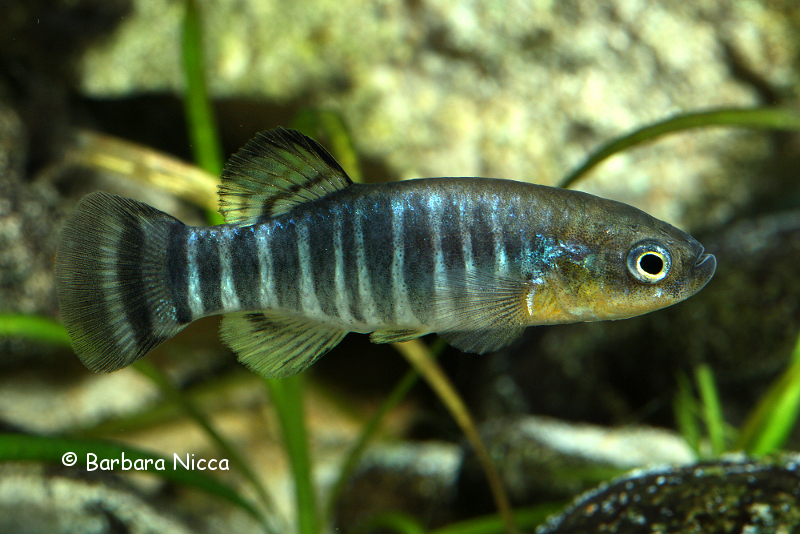
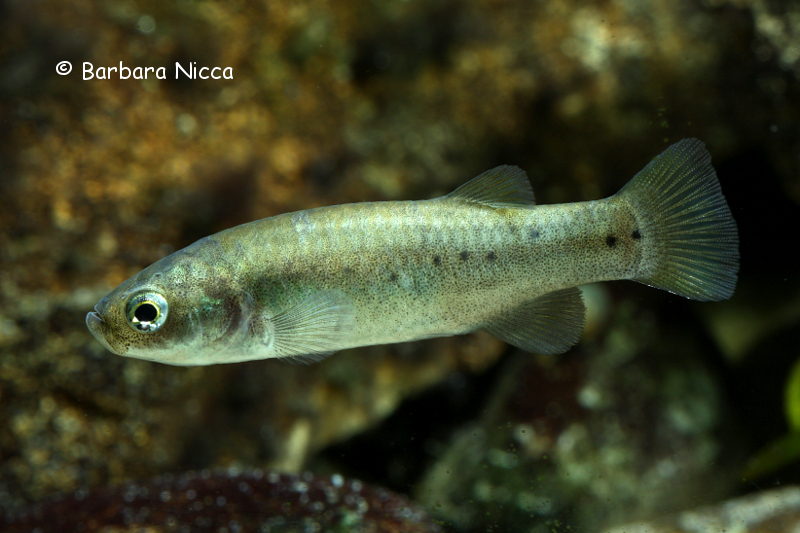
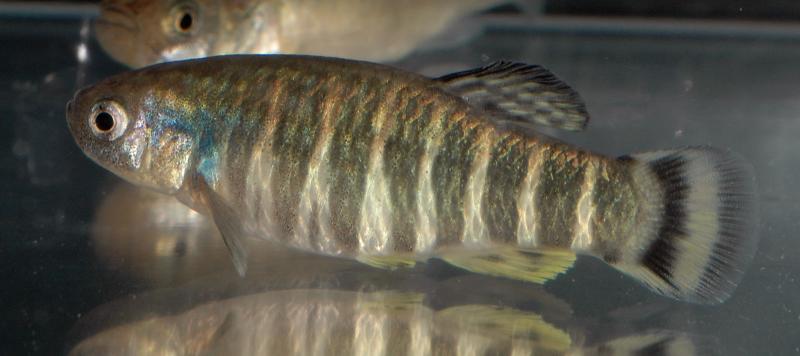
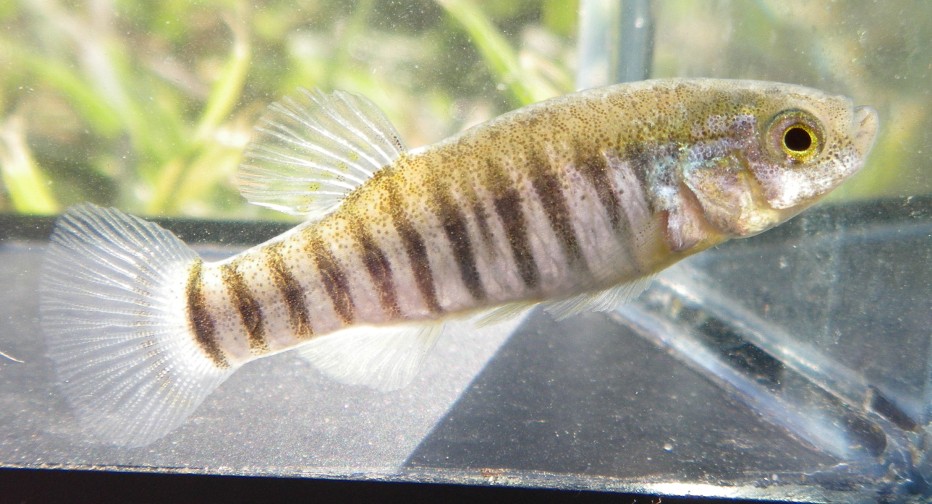
雄鱼体侧有深色竖带,尾鳍常有两道暗带,各鳍偏黄并带深色纹。雌鱼较大、颜色朴素,体侧散布不规则暗点,鳍透明。
繁殖
五月至十一月可连续分批产卵,其中初夏及秋末有活动高峰。雄鱼守护临时领地并招引雌鱼,卵以细丝附在藻类或其他表面。本属有吃卵和幼鱼的习性,应每日检查产卵材料。
小卵应连附着物一起轻移,避免直接夹碰,也可每隔数天更换整束材料。孵化水与亲鱼缸的温度和水质保持一致,通常六至十四天孵化,自由游动后即可提供丰年虾无节幼体或微虫。
图片
图片来自 SeriouslyFish,版权归各摄影者所有。
English
Overview
Restricted to the remaining waters of Jordan's Azraq Oasis, Aphaniops sirhani suits dedicated maintenance and breeding rather than a general community. Vigorous breeding males defend temporary territories, making shelter for females and subordinate males essential.
Distribution & habitat
It is endemic to Azraq in the Wadi Sirhan valley of the Syrian Desert. Formerly spring-fed marshes and pools supported abundant vegetation, but sustained groundwater extraction greatly reduced the habitat, with the original springs drying in 1992.
Rediscovery in 2000 led to captive breeding and later releases into artificial lagoons. Introduced predators and habitat loss are major pressures. Historical restoration efforts do not remove the importance of maintaining this vulnerable local population.
Aquarium setup
Use fine yarn mops, moss, hornwort, or filamentous algae to interrupt sight lines and provide egg attachment surfaces. Bare bottoms and inert sand or gravel are both possible, with no need for strong current.
Provide several cooler winter months instead of keeping fish permanently in warm breeding conditions, which may reduce fecundity and longevity. Outdoor maintenance with some natural sunlight can help where the local climate is suitable, but winter conditions must still be considered.
Diet & feeding
The genus-level feeding guidance combines small live and frozen foods such as brine shrimp, water fleas, and bloodworms. Most fish learn to take dry foods as well. Regular feeding is especially relevant during prolonged spring and summer reproduction; a Spirulina-containing preparation can supplement a system lacking filamentous algae.
Behaviour & compatibility
Keep a dedicated group, ideally with two or three females per male. Particular water requirements and vigorous courtship make conventional community housing inappropriate. Abundant cover lets less dominant individuals withdraw and rest.
Sexual dimorphism
Males have dark flank bars, usually two dark tail bands, and yellowish fins with darker markings. Larger, plainer females have irregular body spots and transparent fins.
Breeding
Small batches of eggs are produced repeatedly from May to November, with early-summer and late-autumn peaks. Males court from temporary defended territories. Fine filaments attach eggs to algae or other surfaces. Egg and fry predation occurs within the genus, so check spawning material daily.
Transfer attached material gently without gripping eggs, or replace complete mops every few days. Match the incubation water to the adults' chemistry and temperature. Hatching typically takes six to fourteen days, and free-swimming fry can immediately take newly hatched brine shrimp or microworms.
来源
- https://www.seriouslyfish.com/species/aphanius-sirhani(抓取于 2026-10-10)
aphaniops-sirhani · 文件: data/species/aphaniops-sirhani.md · 状态: 草稿