三线鲶 · Horned Bristlenose Pleco
概要
| 字段 | 值 |
|---|---|
| 类别 | 鱼 |
| 学名 | Ancistrus triradiatus |
| 别名 | 三線鯰、Hirschgeweihantennenwels |
| 分类 | 鲶形目 Siluriformes › 骨甲鲶科 Loricariidae › Ancistrus |
| 水体 | 淡水 |
| 原产地 | 哥伦比亚、委内瑞拉 |
| 成体体长 | 12 cm |
| 饲养难度 | 入门 |
| 性情 | 温和 |
| 外部数据 | seriouslyfish ancistrus-triradiatus;fishbase 49169 |
| 食性 | 草食 |
| 领地性 | 是 |
| 繁殖方式 | 附着产卵 |
水质参数
| 参数 | 耐受范围 | 最适范围 | 单位 |
|---|---|---|---|
| 水温 | 24–30 | — | °C |
| pH | 6.6–7.6 | — | — |
| 总硬度 | 5–15 | — | dGH |
概述
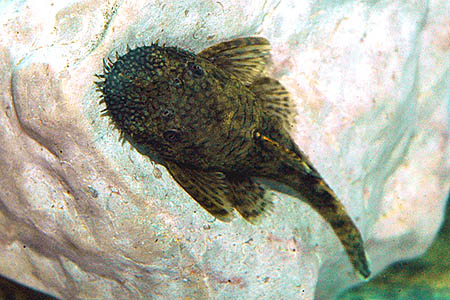
三线鲶(Ancistrus triradiatus)与普通胡子异型等近似种很容易混淆,可靠产地有时是确认身份的重要条件。它以植物食物为主,成熟后较容易繁殖,但雄鱼间仍有明显地盘竞争。
分布与栖息地
原生哥伦比亚和委内瑞拉,栖息有流动水的溪流与支流,在岩石底部间活动。
饲养环境
一对可参考约 75 × 30 × 30 厘米,群养应加大。用沙或砾石配圆滑石块,保持充足氧气和一定水流;若种水草,要考虑流动与增氧环境下的适应性。
食性与喂食
主食以黄瓜、菠菜等新鲜植物材料,以及藻片、螺旋藻片等为主,定期少量搭配红虫、水蚤等动物性食物。
习性与混养
可与多数温和且环境相容的鱼混养。同种间有领地性,雄鱼尤其明显,群养需为竞争和各自退避留出空间。
雌雄区分
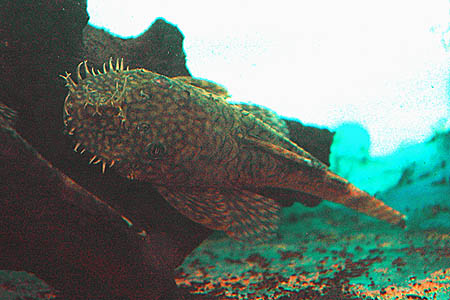
雄鱼头部长出浓密触须,雌鱼可能也有少量,但远不如雄鱼发达。
繁殖
可由六尾以上幼鱼养大选配,分性后留一雄配两尾或更多雌鱼可减少打斗。提供入口略宽于鱼体的石洞、花盆或空木,保持高氧和水流。用植物食物和适量活冷冻饵调理后,可尝试偏凉水换约 50%~70% 诱产。雌鱼入洞产卵,雄鱼随后受精、扇水并守护,可能同巢照料多雌的卵。橙色大卵约四至五天孵化,再数天耗尽卵黄,之后应不断获得适口植物饵。可留原缸或移至相同水质育苗缸,一窝常有约四十至五十尾或更多;大小分化后分养,免得小苗抢不到食物。
补充说明
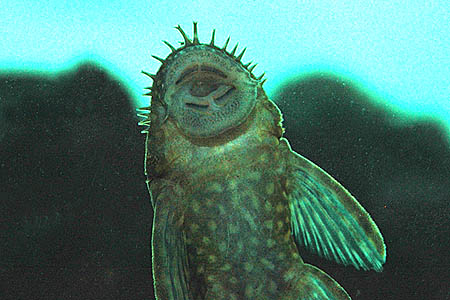
进口个体常为野采,购入时检查凹腹、凹眼等消瘦迹象。颊部齿状棘与胸鳍棘易挂网,捞鱼时避免强拉。
图片
图片来自 SeriouslyFish,版权归各摄影者所有。
English
Overview
Collection information can be crucial when identifying Ancistrus triradiatus, which resembles common bristlenoses and several relatives. This predominantly plant-feeding catfish breeds readily once mature, but males still compete over territories despite its generally peaceful nature.
Distribution & habitat
It is native to Colombia and Venezuela, inhabiting flowing streams and tributaries among rocky substrates.
Aquarium setup
A pair can use an aquarium around 75 by 30 by 30 cm, with more room for a group. Sand or gravel and rounded stones create a stream-style setting. Ensure good oxygenation and some current; plant choices should tolerate those conditions.
Diet & feeding
Build the diet around fresh vegetables and vegetable-based prepared foods such as algae wafers or spirulina tablets. Small live or frozen supplements, including bloodworms and water fleas, can be offered regularly without replacing the plant-based bulk.
Behaviour & compatibility
It can live with many peaceful companions of compatible requirements. Conspecific territoriality is strongest among males, so group arrangements must accommodate rival territories and retreats.
Sexual dimorphism
Males develop a bushy crown of tentacles. Females may show a few, but lack the full male growth.
Breeding
Raise six or more juveniles to obtain breeders, then consider one male with two or more females to reduce fighting. Snug rock caves, pots, or hollow wood provide sites in well-oxygenated moving water. After conditioning, a 50–70% cooler-water change may stimulate spawning. Females deposit eggs in the cave, and the male subsequently fertilizes, fans, and guards them, potentially accepting several females’ clutches. Large orange eggs hatch in four to five days. After a few more days of yolk absorption, fry require continually available suitable plant foods. They may remain with adults or move to identical water. Broods commonly yield forty to fifty or more young; separate size classes if smaller fry lose access to food.
Notes
Imports are commonly wild-caught. Check for a sunken belly or eyes, and handle cautiously because cheek odontodes and pectoral spines can entangle netting.
来源
- https://www.seriouslyfish.com/species/ancistrus-triradiatus(抓取于 2026-10-10)
ancistrus-triradiatus · 文件: data/species/ancistrus-triradiatus.md · 状态: 草稿