蛙头鲶 · L034
概要
| 字段 | 值 |
|---|---|
| 类别 | 鱼 |
| 学名 | Ancistrus ranunculus |
| 别名 | 蛙頭鯰、Medusa Pleco、Monsterantennenwels |
| 分类 | 鲶形目 Siluriformes › 骨甲鲶科 Loricariidae › Ancistrus |
| 水体 | 淡水 |
| 原产地 | 巴西 |
| 成体体长 | 13 cm |
| 饲养难度 | 中等 |
| 最小水体 | 72 L |
| 最小缸长 | 80 cm |
| 性情 | 温和 |
| 水流偏好 | 高 |
| 外部数据 | seriouslyfish ancistrus-ranunculus;fishbase 51577 |
| 领地性 | 是 |
| 繁殖方式 | 附着产卵 |
水质参数
| 参数 | 耐受范围 | 最适范围 | 单位 |
|---|---|---|---|
| 水温 | 26–30 | — | °C |
| pH | 6–7 | — | — |
| 总硬度 | 2–10 | — | dGH |
概述
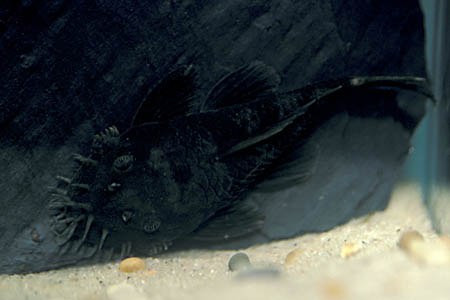
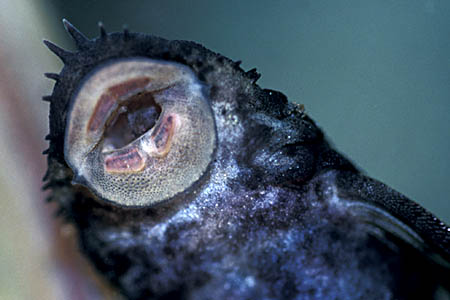
蛙头鲶(Ancistrus ranunculus,L034)头宽而扁,适应浅水急流岩石环境。它需要持续水流、充足氧气和较丰富动物性食物,新进口个体可能消瘦,不宜当作普通吃藻胡子饲养。
分布与栖息地
原生巴西欣古河与托坎廷斯河流域,生活在浅而急流的岩石底部环境。
饲养环境
两尾可参考至少 80 × 30 厘米底面积,群体需更大。沙或砾石配圆滑石块组成溪流缸,每尾都有躲藏处。保持高溶氧和明显水流,强流环境可能不利于部分水草。
食性与喂食
比多数同属鱼偏好更高蛋白食谱。优质下沉干粮应经常搭配红虫、碎贝肉、虾等活冷冻食物,检查腹部和眼部是否出现凹陷。
习性与混养
通常温和,但多尾间会有领地争执;合适伙伴应同样适应急流高氧。其特殊环境需求使普通静水混养缸不理想。
雌雄区分
只有雄鱼头部会形成完整而浓密的触须丛。
繁殖
繁殖不算容易,可养六尾以上幼鱼自然分性,再留一雄配两尾或更多雌鱼以减少雄鱼冲突。准备入口仅略大于鱼身的石洞或管洞,软酸水、高氧强流,参考繁殖温度 26.5~29 °C。雌鱼入洞产卵后退出,雄鱼回洞受精并持续扇水护卵,也可能照料多雌产下的卵。大橙卵约四至五天孵化,幼鱼继续在洞中耗尽卵黄;之后持续供应蔬菜、藻片和微虫或丰年虾幼体,避免饥饿。可留原缸或移到同水质育苗缸,大小分化后分养。一窝可有约四十至五十尾或更多,迟迟不产时可尝试偏凉水换约 50%~70%。
补充说明
幼鱼浅点会随成熟消退,相似的 L255 则保留斑点。颊棘与胸鳍棘容易挂网,搬动小心。
图片
图片来自 SeriouslyFish,版权归各摄影者所有。
English
Overview
A broad flattened head reflects the fast-water lifestyle of Ancistrus ranunculus (L034). Strong oxygenation, current, and regular animal foods are central to care. Newly imported individuals may be depleted, so it should not be treated as an undemanding algae-eating bristlenose.
Distribution & habitat
It comes from Brazil’s Xingu and Tocantins drainages, occupying rocky substrates in shallow, fast-moving water.
Aquarium setup
A base of at least 80 by 30 cm can house a couple, with larger quarters for a group. Use sand or gravel and rounded rocks, providing a refuge for every fish. Maintain well-oxygenated water with sustained movement; some plants may struggle under the required current.
Diet & feeding
It prefers more protein than many bristlenoses. Supplement quality sinking prepared food regularly with bloodworms, chopped mussel, shrimp, or similar items. Check newly acquired fish for a hollow belly or sunken eyes.
Behaviour & compatibility
Generally peaceful, it still disputes refuges with its own kind. Choose companions adapted to similarly oxygen-rich flowing water. Those requirements limit its suitability for an ordinary community aquarium.
Sexual dimorphism
Only males develop a full bushy covering of head tentacles.
Breeding
Breeding can be difficult. Raise six or more juveniles to obtain sexes, then consider one male with two or more females to reduce male conflict. Provide snug rock or tube caves in soft acidic, strongly oxygenated moving water, around 26.5–29 °C for the breeding setup. The female lays inside, then the male re-enters to fertilize and fan the eggs. He may tend eggs from several females. Large orange eggs hatch in four to five days; larvae remain sheltered until yolk absorption. Supply frequent vegetables, algae wafers, and tiny live invertebrates so fry do not starve. They can remain with adults or move to matched water. Separate different sizes if competition develops. Broods may yield forty to fifty or more young. A 50–70% cooler-water change can be tried if spawning does not begin.
Notes
Pale juvenile spots fade with maturity, whereas similar L255 retains them. Cheek odontodes and pectoral spines can catch in netting.
来源
- https://www.seriouslyfish.com/species/ancistrus-ranunculus(抓取于 2026-10-10)
ancistrus-ranunculus · 文件: data/species/ancistrus-ranunculus.md · 状态: 草稿