Ancistrus claro · LDA 008
概要
| 字段 | 值 |
|---|---|
| 类别 | 鱼 |
| 学名 | Ancistrus claro |
| 别名 | Gold Marble Bristlenose Catfish、Marmorantennenwels |
| 分类 | 鲶形目 Siluriformes › 骨甲鲶科 Loricariidae › Ancistrus |
| 水体 | 淡水 |
| 原产地 | 巴西 |
| 成体体长 | 7 cm |
| 饲养难度 | 入门 |
| 最小水体 | 54 L |
| 最小缸长 | 60 cm |
| 群居方式 | 成对 |
| 外部数据 | seriouslyfish ancistrus-claro;fishbase 57536 |
| 性情 | 温和 |
| 领地性 | 是 |
| 繁殖方式 | 附着产卵 |
水质参数
| 参数 | 耐受范围 | 最适范围 | 单位 |
|---|---|---|---|
| 水温 | 23–28 | — | °C |
| pH | 6–7.5 | — | — |
| 总硬度 | 2–15 | — | dGH |
概述
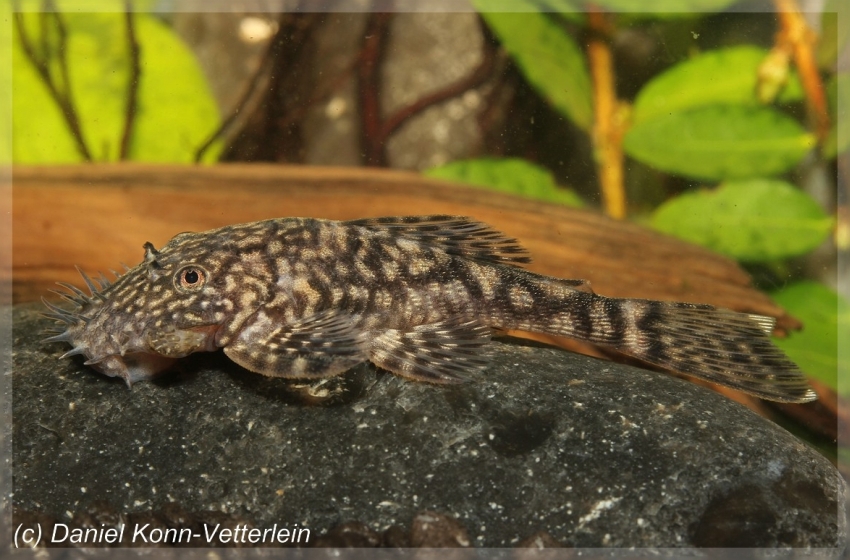
Ancistrus claro 常以 LDA008 编号流通,是白天也会活动的小型胡子异型。整体温和,在结构丰富的缸中可与合适伙伴相处,但同种和体形相似的鱼之间仍有领地摩擦。
分布与栖息地
来自巴西马托格罗索州库亚巴河上游水系的克拉罗河与科希波河。野生生境为有水流的溪流,底部多巨石与裸露岩床。
饲养环境
缸底至少约 60 × 30 cm。可用大小不同的岩石、砂、细砾和水磨圆石模拟溪流,再用沉木、陶管或花盆构成缝隙和阴暗躲藏点,切断视线。布景应让多尾鱼各有退避空间。
食性与喂食
野外可能杂食,并较偏好水生无脊椎动物。缸养需多样菜单:沉底干粮、水蚤、蚊幼虫、红虫或虾肉,搭配适量新鲜果蔬和焯煮马铃薯。也可用蔬菜、螺旋藻及动物食材配成凝胶饵,不宜只依赖一种食物。
习性与混养
性情温和且白天活动,适合经过筛选的混养。对同种及相似体形鱼略有领地意识,布景充分时通常可以多尾共养。
雌雄区分
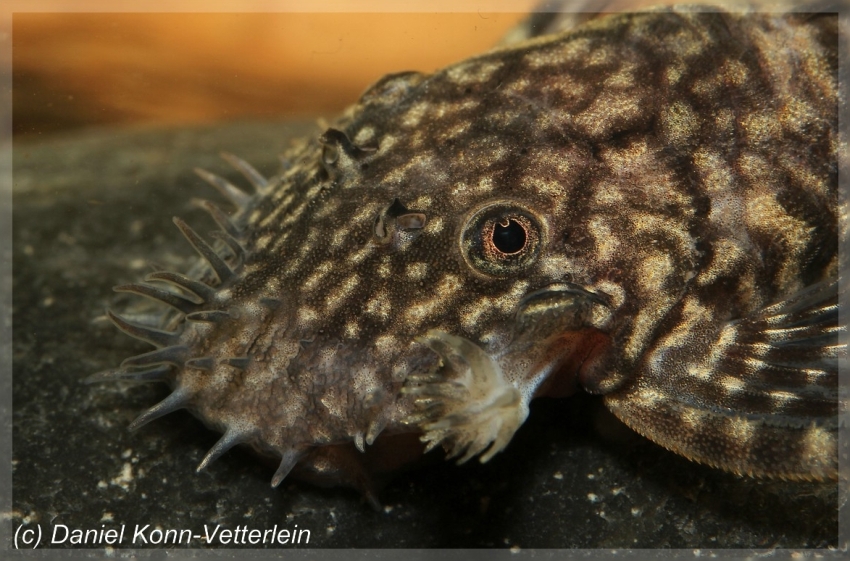
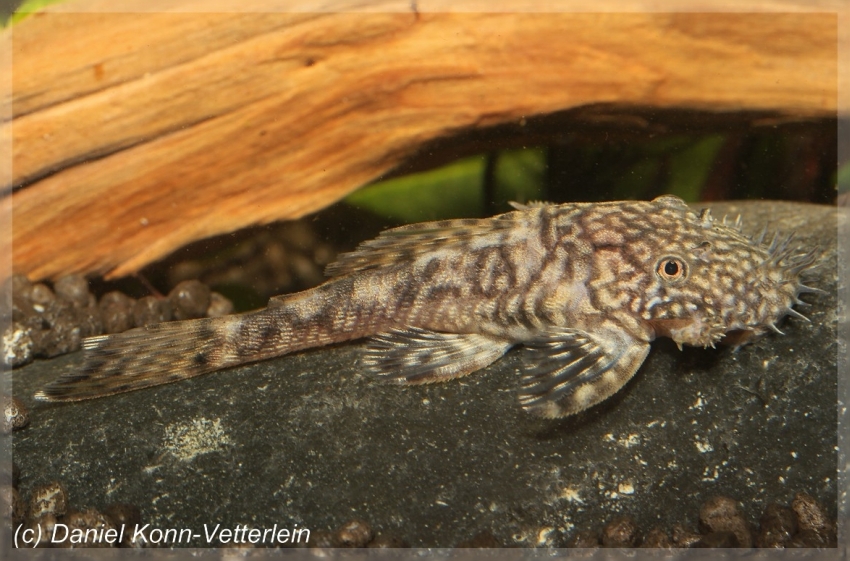
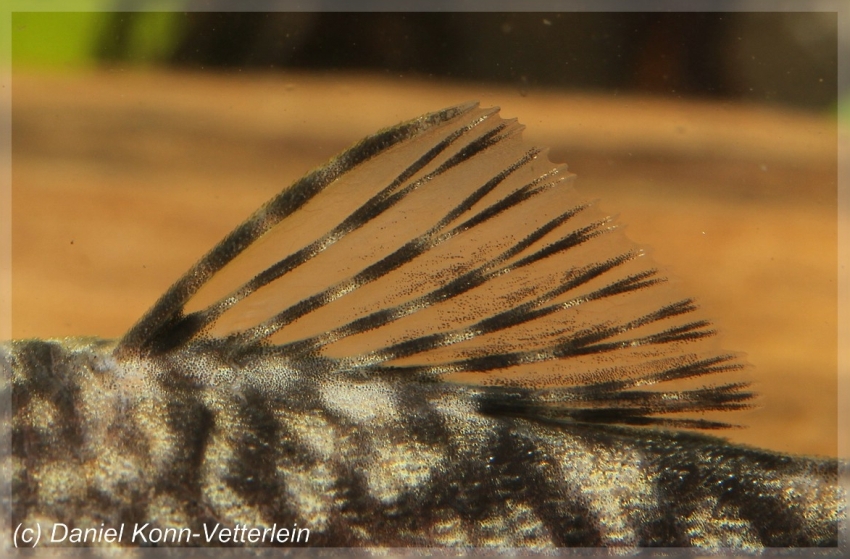
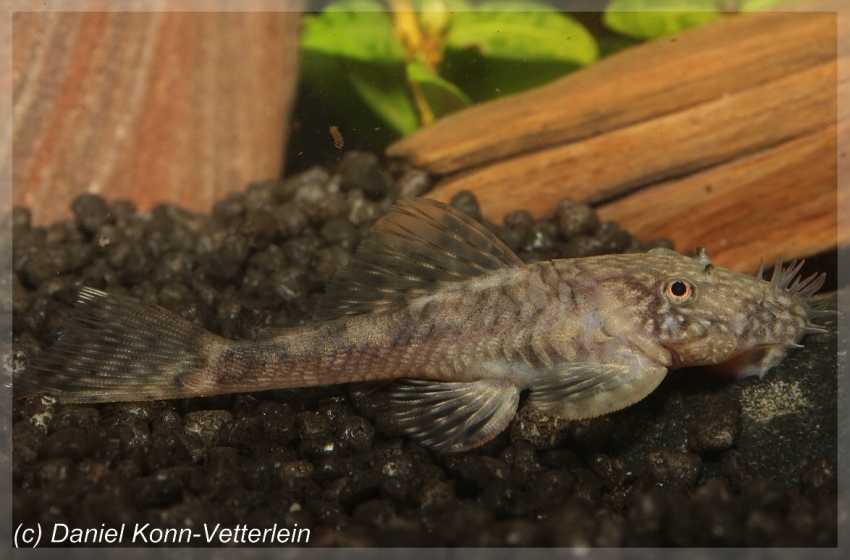
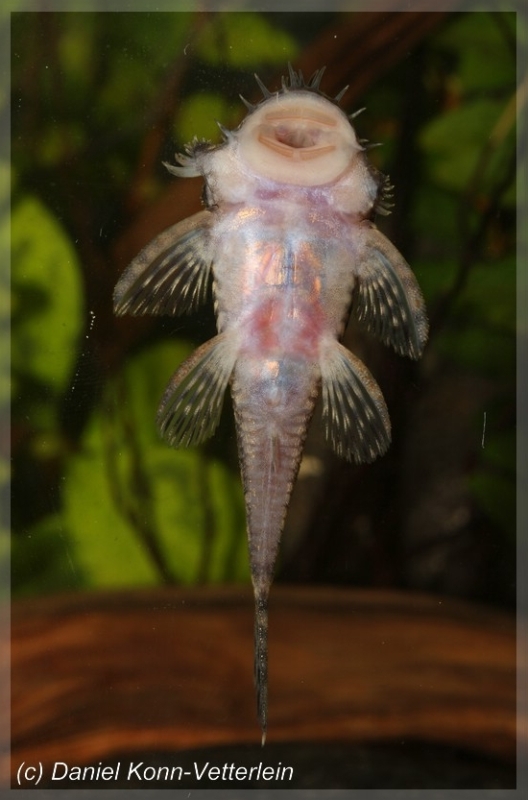
成熟雄鱼胸鳍和鳃盖的齿突较发达,头部有明显肉质触须,雌鱼没有同样发达的表现。雄鱼身体多虫纹状线条,雌鱼头身则多小斑点。
繁殖
在洞内产卵,由雄鱼照顾后代。已有多次人工繁殖记录,成熟且管理良好的缸中,有时无需额外干预便会出现幼鱼。
补充说明
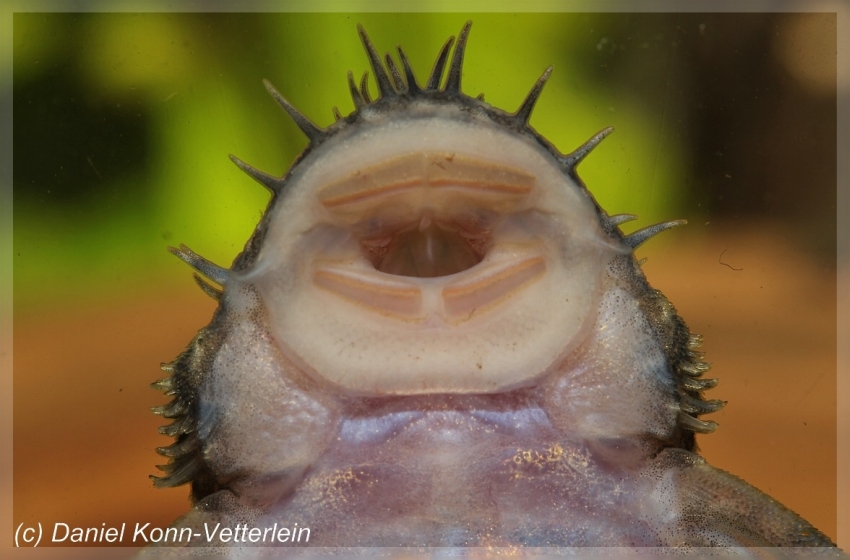
有时与 L352 等未定名鱼混淆,较长且不与下唇相连的上颌须及雌雄斑纹差异可辅助辨认,编号和来源仍应核对。
图片
图片来自 SeriouslyFish,版权归各摄影者所有。
English
Overview
Ancistrus claro, traded as LDA008, is a small bristlenose that remains active during daylight. Generally peaceful behavior allows carefully chosen companions, although similar-looking fishes and conspecifics can prompt territorial disputes.
Distribution & habitat
It comes from the Claro and Coxipó rivers in the upper Cuiabá drainage of Mato Grosso, Brazil. Wild fish occupy flowing streams over boulders and bedrock.
Aquarium setup
Use a footprint of at least 60 × 30 cm. A stream-style arrangement can combine sand, fine gravel, differently sized rocks, and rounded boulders. Add wood, ceramic tubes, or pots to create shaded crevices and broken sight lines, especially when keeping several individuals.
Diet & feeding
Wild fish are probably omnivorous foragers with a preference for aquatic invertebrates. Offer a varied aquarium menu of sinking preparations, water fleas, mosquito larvae, bloodworms, and shrimp meat alongside suitable fruit, vegetables, or lightly cooked potato. Gel foods can combine vegetable ingredients, spirulina, and animal foods.
Behaviour & compatibility
This is a peaceful, day-active species. It shows limited territoriality toward its own kind and similarly shaped fishes, but several can usually coexist in a well-structured aquarium.
Sexual dimorphism
Mature males develop stronger pectoral and gill-cover odontodes and prominent head tentacles. Their body pattern includes winding lines, whereas females carry small spots over the head and body.
Breeding
Eggs are deposited in a cave and cared for by the male. Aquarium spawning has occurred repeatedly, and juveniles sometimes appear without intervention in mature, well-maintained systems.
Notes
It is sometimes confused with unidentified L352 fish. Long maxillary barbels separate from the lower lip and the sex-related markings assist recognition, alongside reliable origin information.
来源
- https://www.seriouslyfish.com/species/ancistrus-claro(抓取于 2026-10-10)
ancistrus-claro · 文件: data/species/ancistrus-claro.md · 状态: 草稿