大鳍秘鮰 · Burdur Toothcarp
概要
| 字段 | 值 |
|---|---|
| 类别 | 鱼 |
| 学名 | Anatolichthys sureyanus |
| 别名 | 大鰭祕鮰、Cyprinodon sureyanus、Anatolichthys burdurensis、Aphanius burduricus |
| 分类 | 鳉形目 Cyprinodontiformes › Aphaniidae › Anatolichthys |
| 水体 | 淡水 |
| 原产地 | 土耳其 |
| 成体体长 | 5 cm |
| 饲养难度 | 中等 |
| 最小水体 | 108 L |
| 最小缸长 | 120 cm |
| 群居方式 | 群游 |
| 外部数据 | seriouslyfish aphanius-sureyanus;fishbase 49824 |
| 领地性 | 是 |
| 繁殖方式 | 附着产卵 |
水质参数
| 参数 | 耐受范围 | 最适范围 | 单位 |
|---|---|---|---|
| 水温 | 5–22 | — | °C |
| pH | 8–10 | — | — |
| 总硬度 | 15–35 | — | dGH |
概述
大鳍秘鮰(Anatolichthys sureyanus)为土耳其布尔杜尔湖特有鱼,适应高碱、高矿物质和含盐环境,不能按一般淡水热带鳉鱼维护。它需要冬季冷凉期,适合单种群体繁殖;较细长的身体、棱角明显的下颌和变化的鳞被,也是其特点。
分布与栖息地
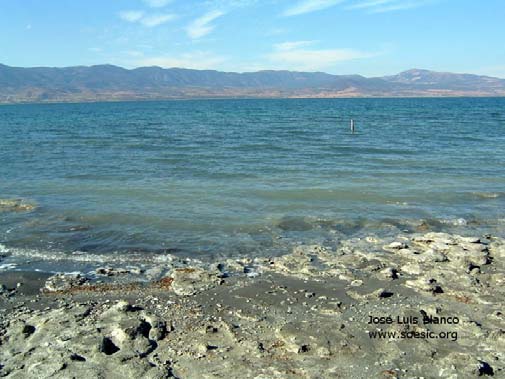
仅见于土耳其安纳托利亚西南部湖区的布尔杜尔湖及岸边相关水域。湖水含大量溶解矿物质,鱼多见于藻类和岸生植被较丰富的浅水沿岸,也进入周边淡水、汽水及含硫泉水。
取水、拦河、干旱和污染已导致湖泊水位及生态环境变化,历史上发生过藻华伴随的大量鱼类死亡。其狭窄分布使产地种群维护很重要。
饲养环境
提供大量细纱产卵拖把和丝状藻,兼顾遮蔽与附卵。需用海水盐配置每升约 3—5 g 的含盐水,这会限制普通细叶水草的选择。可裸底,也可用惰性沙砾,不需要强烈水流。
水体应保持碱性且矿物质较高。每年要有数月冬季低温阶段,长期温暖可能降低繁殖表现和寿命。室外饲养只适用于当地气候合适的情况,部分自然日照可改善状态。
食性与喂食
按本属的人工喂食建议,搭配小型活饵或冷冻食物,如丰年虾、水蚤和红虫。春夏繁殖消耗较大,更需持续供应。多数能逐渐接受干粮,没有丝状藻时可加入含螺旋藻的饲料。
习性与混养
特殊水质条件下,优先单种群体饲养并维持繁殖,每尾雄鱼配两至三尾雌鱼。雄鱼通常比一些近缘种攻击弱,多尾有同养可能,但繁殖时仍会守护临时领地。
雌雄区分
雄鱼有灰黑色竖带,尾鳍常带暗色横纹,背鳍和臀鳍较暗。雌鱼较大、朴素,体侧呈不规则暗斑,鳍较透明。条纹数量并非固定鉴别标准。
繁殖
四至九月可连续小批产卵,优势雄鱼颜色加强,愿意产卵的雌鱼可能偏黄。卵以细丝附在藻类或其他表面,繁殖期每日查看材料,有助于避免本属常见的吃卵风险。
卵特别细小,最好连附着材料一起移动,避免直接夹卵,也可定期更换整束产卵拖把。孵化水与亲鱼缸保持相同水质和温度,通常约十五至十七天孵化。幼鱼起初需要草履虫一类极小食物,数天后长大才转丰年虾无节幼体或微虫。
补充说明
历史上不同鳞被个体曾被分作不同名称,不能只凭鳞片多少区分为另一种。维持繁殖记录和可靠来源,比沿用混乱旧标签更有帮助。
图片
图片来自 SeriouslyFish,版权归各摄影者所有。
English
Overview
Endemic to Turkey's Lake Burdur, Anatolichthys sureyanus is adapted to strongly alkaline, mineral-rich, saline conditions. It should not be managed as a conventional freshwater tropical killifish. A seasonal cool period and dedicated breeding group are central to care. Its slender body, angular lower jaw, and variable scale coverage also distinguish its appearance.
Distribution & habitat
The range is restricted to Lake Burdur and associated shoreline waters in southwestern Anatolia. Fish concentrate in shallow margins rich in algae and vegetation, also entering neighboring fresh, brackish, and sulfurous springs.
Water abstraction, dams, drought, and pollution have altered lake conditions. Historical algal blooms coincided with major fish losses. Such a restricted range makes maintaining locality stocks particularly valuable.
Aquarium setup
Fine yarn mops and filamentous algae provide both shelter and egg-laying surfaces. The maintenance account calls for marine salt at approximately 3–5 g/L, limiting the suitability of ordinary fine-leaved freshwater plants. Bare bottoms or inert sand and gravel are possible, and strong current is unnecessary.
Keep alkaline, mineral-rich conditions and provide several cool winter months rather than continuous warmth, which may reduce reproduction and longevity. Outdoor care depends on the local climate; some natural sunlight can improve condition where appropriate.
Diet & feeding
Use the varied captive menu recommended for the genus, including small live or frozen brine shrimp, water fleas, and bloodworms. Regular provision is particularly relevant during sustained spring and summer reproduction. Dry foods are usually learned, with a Spirulina-containing food useful when filamentous algae are absent.
Behaviour & compatibility
A dedicated breeding group is preferable under these specialized conditions, with two or three females for each male. Males are often less aggressive than some relatives and may coexist, but breeding still involves defense of temporary territories.
Sexual dimorphism
Males show gray-black body bars, often dark marks on the tail, and darker dorsal and anal fins. Larger, plainer females have irregular flank blotches and clearer fins. Bar counts vary rather than forming a fixed identification character.
Breeding
Small batches of eggs can be produced repeatedly from April through September. Dominant males intensify in color, and receptive females may become yellowish. Fine filaments attach eggs to algae or other surfaces. Daily checks help limit egg loss from the predation known within this genus.
The tiny eggs require particularly delicate handling. Move attached material without gripping eggs, or periodically replace complete mops. Match incubation water to the adults' temperature and chemistry. Hatching commonly takes fifteen to seventeen days. Start the minute fry on infusoria-sized foods, moving to brine-shrimp nauplii or microworms only after several days of growth.
Notes
Differences in scale coverage historically led to multiple names for lake fish. Scale number alone should not be used to separate them into different species. Reliable origin and breeding records help avoid perpetuating confused labels.
来源
- https://www.seriouslyfish.com/species/aphanius-sureyanus(抓取于 2026-10-10)
anatolichthys-sureyanus · 文件: data/species/anatolichthys-sureyanus.md · 状态: 草稿