东方秘鮰 · Anatolian Toothcarp
概要
| 字段 | 值 |
|---|---|
| 类别 | 鱼 |
| 学名 | Anatolichthys anatoliae |
| 别名 | 東方祕鮰、Anatolian Giant Killifish、Cyprinodon anatoliae、Cyprinodon lykaoniensis、Aphanius chantrei aksaranus、Aphanius chantrei flavianalis、Aphanius chantrei obrukensis、Aphanius chantrei venustus Kosswig & Sözer, 1945 |
| 分类 | 鳉形目 Cyprinodontiformes › Aphaniidae › Anatolichthys |
| 水体 | 淡水 |
| 原产地 | 土耳其 |
| 成体体长 | 5.5 cm |
| 饲养难度 | 中等 |
| 最小水体 | 108 L |
| 最小缸长 | 120 cm |
| 群居方式 | 群游 |
| 外部数据 | seriouslyfish aphanius-anatoliae;fishbase 10452 |
| 领地性 | 是 |
| 繁殖方式 | 附着产卵 |
水质参数
| 参数 | 耐受范围 | 最适范围 | 单位 |
|---|---|---|---|
| 水温 | 2–30 | — | °C |
| pH | 7–8.5 | — | — |
| 总硬度 | 10–30 | — | dGH |
概述
东方秘鮰(Anatolichthys anatoliae)来自土耳其安纳托利亚,是需要季节性冷凉期的小型鳉鱼。饲养重点是维持产地血系、提供足够躲避和产卵材料,而非放入普通热带混养缸。雄鱼在繁殖季会守护临时领地,每尾雄鱼搭配两至三尾雌鱼较合适。
分布与栖息地
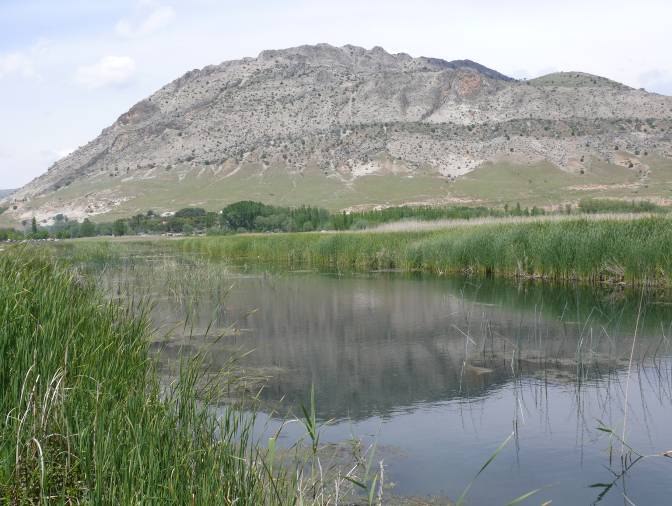
分布于土耳其中、西部安纳托利亚,涉及图兹湖周边泉溪、西托罗斯山湖区,以及大门德雷斯河等水系。污染、农业取水和引入捕食鱼已使一些种群消失或衰退。
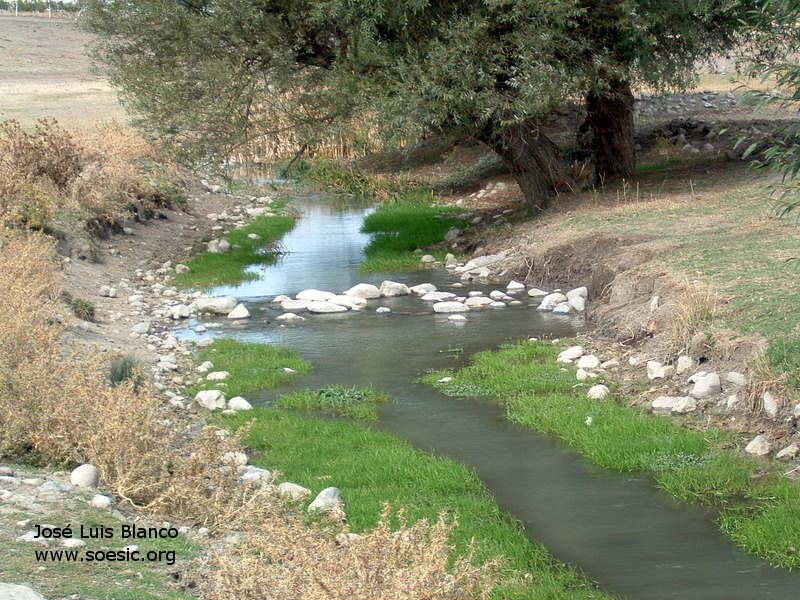
不同地点可为淡水或轻度含盐水体,常有浓密丝状藻和岸边植被。它不能生活在图兹湖主体的高盐水中,附近种群利用的是外围较低盐度水域。湖泊种群多在有芦苇遮蔽的岸边活动。
饲养环境
布置可以简单,但要有大量遮断视线的材料,让雌鱼和弱势雄鱼能躲开优势雄鱼。细纱产卵拖把、莫丝、细叶植物和丝状藻都可提供遮蔽及附卵处;裸底或惰性沙砾底均可,过滤不必形成强水流。
应有持续数月的冬季冷凉期,全年保持温暖可能降低繁殖力并缩短寿命。在气候适合的地方可室外饲养,每天一段自然日照有助于体色和状态,不能不分当地气候直接全年露天放养。
食性与喂食
按本属的饲喂习性,提供小型活饵或冷冻饵,如丰年虾、水蚤和红虫,尤其在春夏连续繁殖期间。多数可逐渐接受干粮;若缺少可供摄食的丝状藻,可加入含螺旋藻的优质饲料。
习性与混养
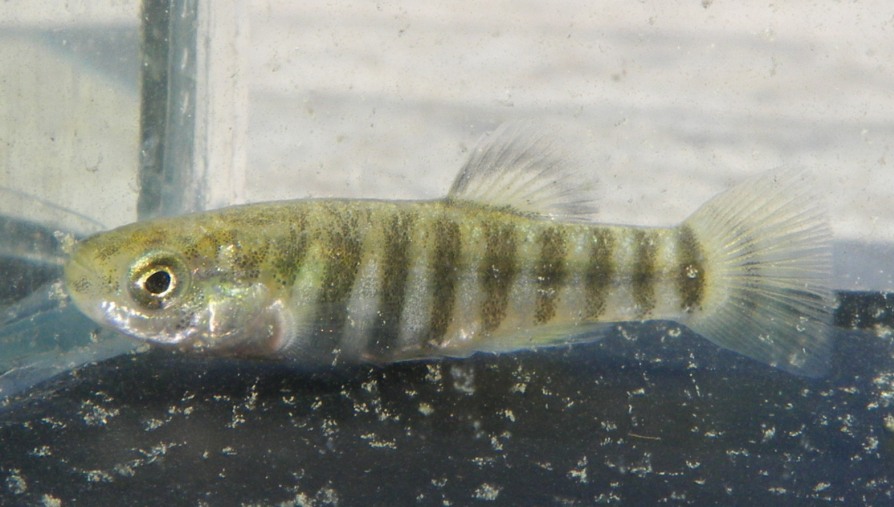
特殊水质需求和繁殖期攻击使它不适合一般混养,以单种群体繁殖为宜。每尾雄鱼配两至三尾雌鱼,并设置多个可退避区域。不同产地的体色和鳍纹存在差别,应保留来源并分别维持血系。
雌雄区分
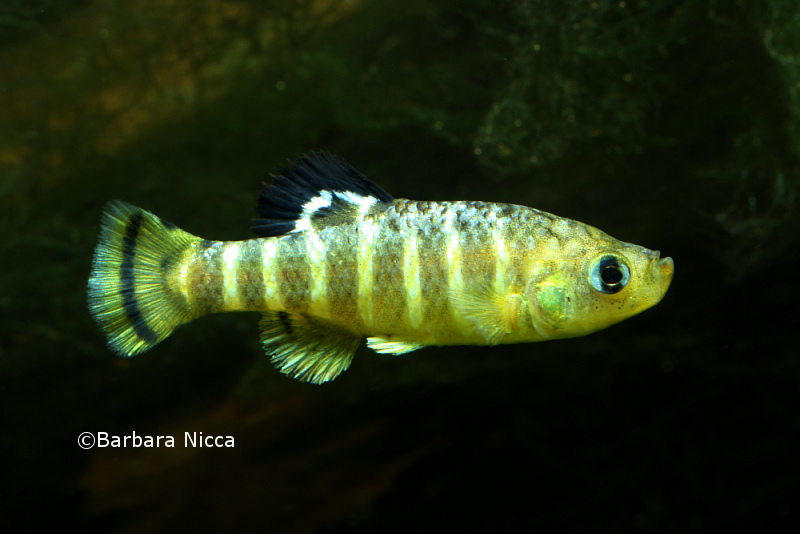
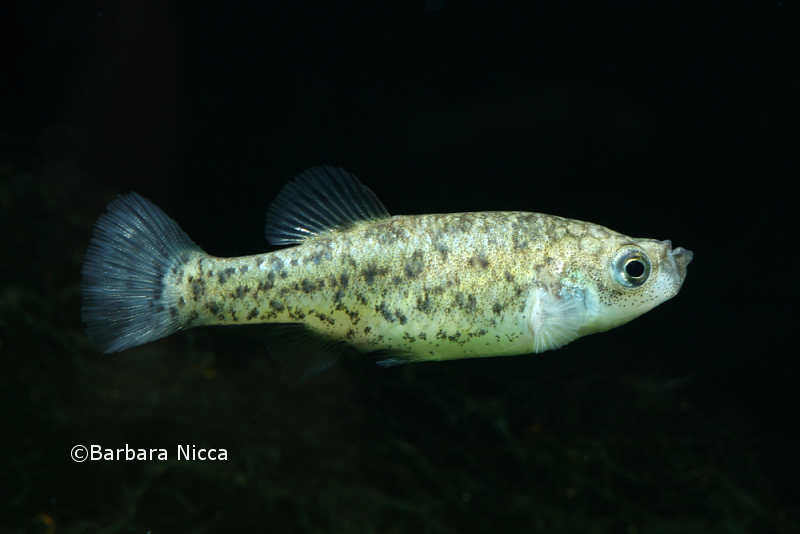
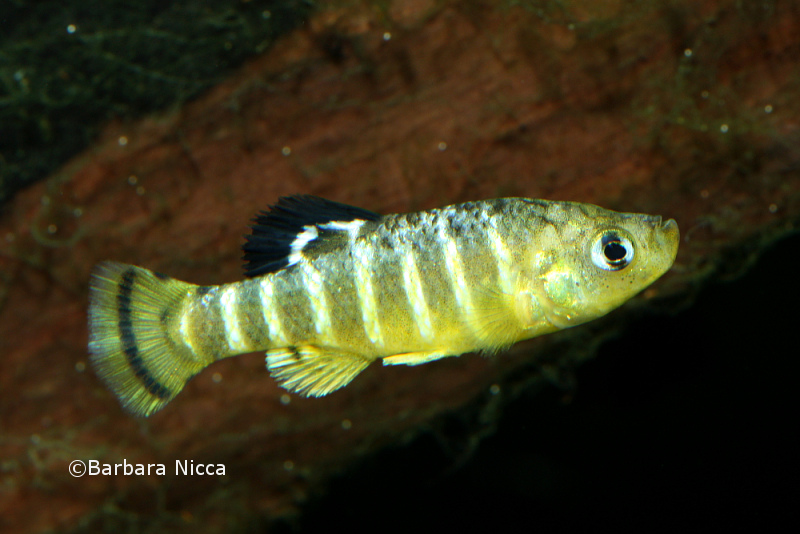
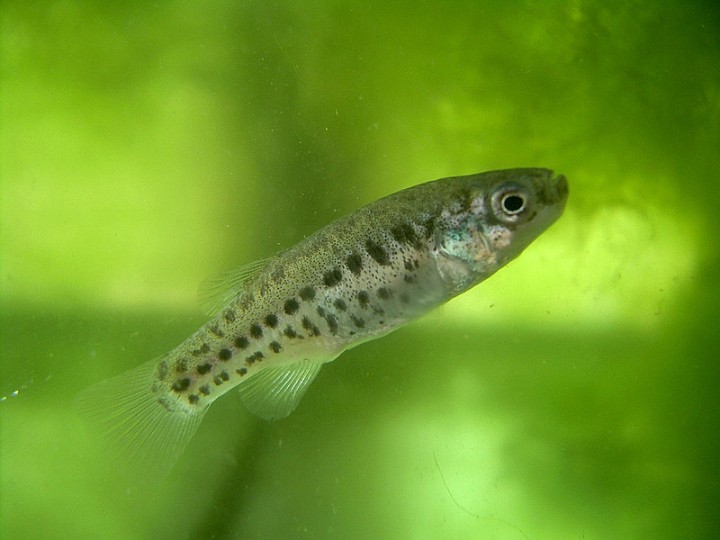
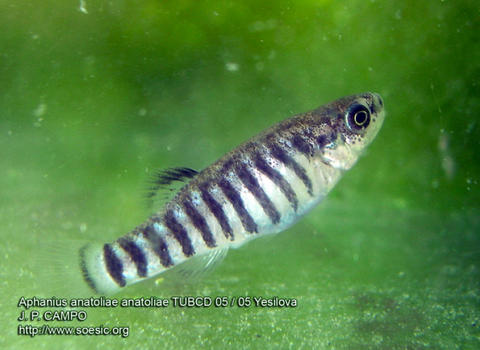
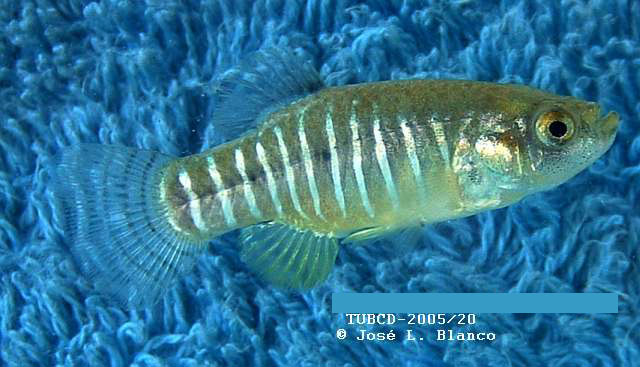
雄鱼身体后半部有灰色竖带,臀鳍偏黄并有细黑边,繁殖时背鳍变暗。雌鱼较大、颜色朴素,体侧是暗斑而非清晰雄鱼式竖带,尾柄有近圆黑斑,鳍较透明。具体条纹宽度和数量随种群变化。
繁殖
通常在四至九月连续分批产卵,雄鱼守护临时领地并引诱雌鱼。卵以细丝附着在藻类或其他表面,可单枚或少量分批出现。本属有吃卵和幼鱼的习性,繁殖期应每日查看产卵材料。
移动附卵材料时避免直接夹碰小卵,也可每隔数天更换整束拖把。孵化容器水质和温度应与亲鱼缸一致。通常约七至十四天孵化,鱼苗自由游动后即可吃丰年虾无节幼体或微虫。
补充说明
本种所属类群的旧名称与种群界限曾有争议,部分湖区鱼能互相杂交。繁殖时保留产地信息,比将外观相近个体随意合群更重要。
图片
图片来自 SeriouslyFish,版权归各摄影者所有。
English
Overview
From Anatolia in Turkey, Anatolichthys anatoliae needs a seasonal cool period and is best approached as a locality-conscious breeding project. Provide abundant refuges and egg-laying material instead of treating it as an ordinary tropical community fish. Breeding males defend temporary territories, and two or three females per male are preferable.
Distribution & habitat
Its central and western Anatolian range includes springs and streams around Lake Tuz, the western Taurus lake district, and parts of the Büyük Menderes system. Pollution, agricultural water removal, and introduced predators have reduced or eliminated some populations.
Local habitats range from freshwater to mildly saline conditions, usually with abundant algae or vegetation. Fish around Lake Tuz occupy peripheral waters rather than the highly saline main lake. In freshwater lakes, reedy margins provide refuge from predators.
Aquarium setup
A simple arrangement works if it breaks lines of sight and gives females and subordinate males escape routes. Fine yarn mops, moss, fine-leaved plants, and filamentous algae offer cover and egg attachment sites. Bare bottoms or inert sand and gravel are options; strong current is unnecessary.
Provide several cool winter months. Continuous warmth may reduce fecundity and longevity. Outdoor maintenance and some daily natural sunlight can benefit condition where the local climate is appropriate, rather than assuming year-round outdoor suitability everywhere.
Diet & feeding
Follow the varied feeding guidance for this genus, offering small live or frozen foods such as brine shrimp, water fleas, and bloodworms, especially during sustained spring and summer reproduction. Dry foods are usually learned. Include a quality Spirulina-containing preparation when grazing algae are unavailable.
Behaviour & compatibility
Water requirements and spawning aggression favor a dedicated breeding group. Keep two or three females for each male and distribute refuges. Color and fin pattern vary by locality, making separate maintenance of known geographic stocks worthwhile.
Sexual dimorphism
Males carry gray vertical bars toward the rear, a yellowish anal fin edged narrowly in black, and a darkening dorsal fin when breeding. Larger, plainer females show flank blotches, a roughly round caudal-peduncle mark, and clearer fins. Bar number and width vary among populations.
Breeding
Repeated small spawnings commonly occur from April through September. Males establish temporary defended sites and court females. Eggs attach to algae or other surfaces with fine filaments. Egg and fry predation is known within the genus, so inspect spawning material daily.
Transfer attached material without gripping the delicate eggs, or replace entire mops every few days. Keep incubation water matched to the adults in temperature and chemistry. Hatching usually takes seven to fourteen days, and free-swimming fry can take newly hatched brine shrimp or microworms.
Notes
Historical names and population boundaries in this group are complicated, and some lake forms can interbreed. Maintaining locality records is preferable to combining similar-looking stocks indiscriminately.
来源
- https://www.seriouslyfish.com/species/aphanius-anatoliae(抓取于 2026-10-10)
anatolichthys-anatoliae · 文件: data/species/anatolichthys-anatoliae.md · 状态: 草稿