攀鲈 · Climbing Perch
概要
| 字段 | 值 |
|---|---|
| 类别 | 鱼 |
| 学名 | Anabas testudineus |
| 别名 | 攀鲈的异名、攀鱸的異名、攀鱸、Kletterfisch、Anthias testudineus、Perca scandens、Amphiprion scansor、Lutjanus testudo、Anabas spinosus、Anabas variegatus、Anabas macrocephalus、Anabas oligolepis、Anabas microcephalus、Anabas trifoliatus、Anabas elongatus、Anabas testudineus kavaiya、Anabas testudineus lacustris、Anabas testudineus ricei、Anabas testudineus riveri、Anabas tongtruongensis |
| 分类 | 攀鲈目 Anabantiformes › 攀鲈科 Anabantidae › Anabas |
| 水体 | 淡水 |
| 原产地 | 孟加拉国、不丹、文莱、柬埔寨、中国、印度、印度尼西亚、老挝、马来西亚、缅甸、尼泊尔、巴基斯坦、新加坡、斯里兰卡、泰国、越南 |
| 成体体长 | 20 cm |
| 饲养难度 | 中等 |
| 群居方式 | 独居 |
| 特征 | 吃小鱼: 是;会跳缸: 是 |
| 外部数据 | seriouslyfish anabas-testudineus;fishbase 495 |
| 繁殖方式 | 散卵 |
水质参数
| 参数 | 耐受范围 | 最适范围 | 单位 |
|---|---|---|---|
| 水温 | 15–30 | — | °C |
| pH | 5.5–8 | — | — |
| 总硬度 | 2–25 | — | dGH |
概述
攀鲈(Anabas testudineus)能呼吸空气,在保持湿润时还能短距离穿越陆地,但不会爬树,也没有离水捕猎的可靠记录。它体型较大、具有捕食性,适合专门规划的缸,而非普通小型混养。
分布与栖息地
分布从巴基斯坦、印度次大陆和斯里兰卡,向东延伸至东南亚、中国南部、印度尼西亚及新加坡;不丹的记录仍有不确定性。早期将模式产地记为日本属于错误,日本并非自然分布地。菲律宾、巴布亚新几内亚及澳大利亚附近部分太平洋岛屿已有引入种群。
主要生活在低地淡水,但部分沿海地区也有半咸水记录。沼泽、湖泊、水沟、稻田、小水坑、牛轭湖、支流乃至主河道均可利用。雨季进入临时淹水地带后,退水时可能受困;水源不足、污染或竞争压力大时,可在湿润条件下移动数百米寻找新水体,极端情况下还会钻入湿土休眠数周。这不是日常陆上觅食方式。
饲养环境
即使单条也需约 100 × 45 cm 的底面积,成鱼群体需要更大空间。可用柔软沙底、沉木根枝与密集遮蔽,光照柔和,浮水植物有助形成安全感。
必须使用严密缸盖。它不仅善跳,也必须上浮呼吸空气,水面到盖子间可留约 10~15 cm 的温暖湿润空气层。过滤需有效,但尽量避免强水流。
食性与喂食
主要为捕食性,野外摄食小鱼、无脊椎动物及软体动物,也有取食藻类和稻谷等植物材料的说法。缸内可喂蚯蚓、贝肉等较大活饵或冷冻饵,多数个体也能逐渐接受干粮,颗粒通常比薄片更合适。
习性与混养
小鱼可能被吃掉。空间充分时,可考虑体型合适、较强健的鲤科鱼、鲶鱼、慈鲷或刺鳅等,仍要观察实际相处。
同种间攻击程度的饲养记录差异很大,有的表现好斗、占领地,有的较平静。这可能涉及不同种群或尚未理清的分类差异,也可能受环境影响,不能保证任何来源的攀鲈都能按同一方式群养。
雌雄区分
印度西孟加拉群体的观察中,繁殖雌鱼略大、身体更厚;雄鱼颜色较深,胸鳍似乎出现小突起。繁殖期雄鱼身体、胸鳍及腹鳍偏红,尾柄有较深菱形斑;雌鱼红色较淡,尾柄斑较长而模糊,腹部及生殖孔附近更突出。这些特征未必适用于全部种群。
繁殖
不筑巢,也不照护卵或幼鱼。无激素干预的水族箱繁殖较少见,但似乎可以发生,部分个体可能不到一年即成熟。
自然繁殖通常在雨季开始时于开放水域进行,雄鱼缠抱雌鱼完成排卵和受精。每次缠抱约排 200 粒,一次繁殖总数可达约 5000~35000 粒。卵不黏附基质,会浮到水面,约 24 小时孵化。初孵幼鱼约 2~3 mm,在孵化后两天内转为自由游动。
补充说明
迷鳃位于鳃上方,富含血管的褶皱组织使其能够利用空气中的氧。它离水移动时借胸鳍和鳃盖棘支撑、尾部摆动前进,动作并不灵巧;“树上发现”的故事不能证明会爬树。
本种还会发出可听见的声音,但用途尚未充分研究。现有学名可能涵盖多个尚未厘清的种群,养殖逃逸又造成混杂,因此不宜把某一产地的体色、行为或性别特征推广到全部个体。
图片
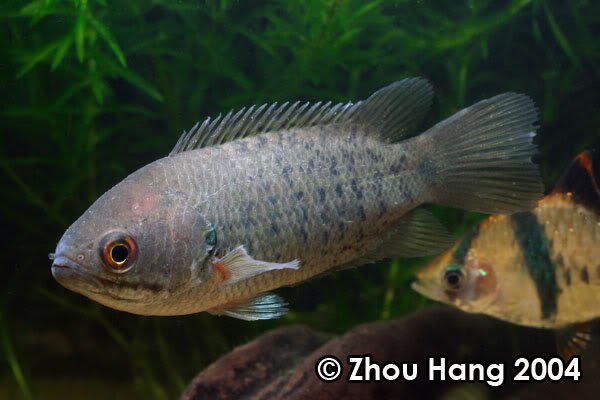
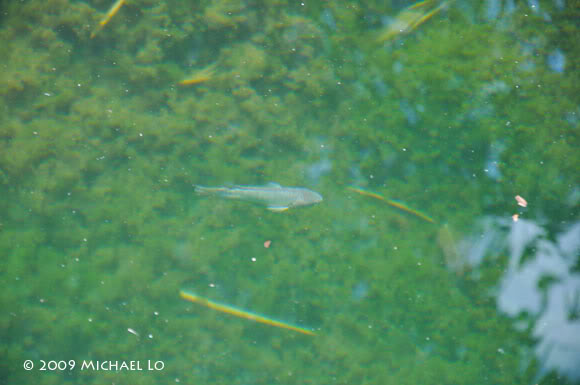
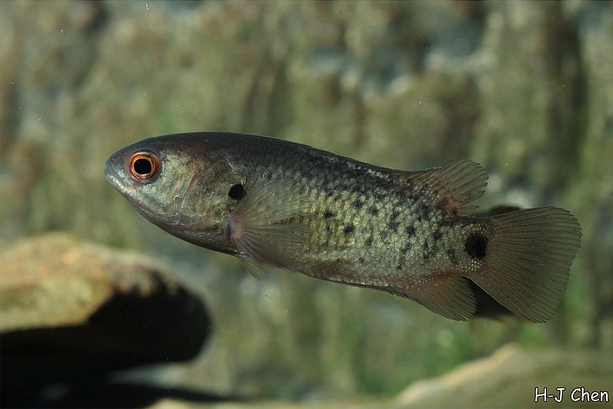
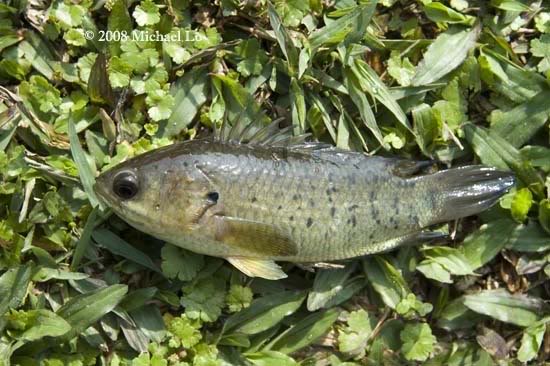
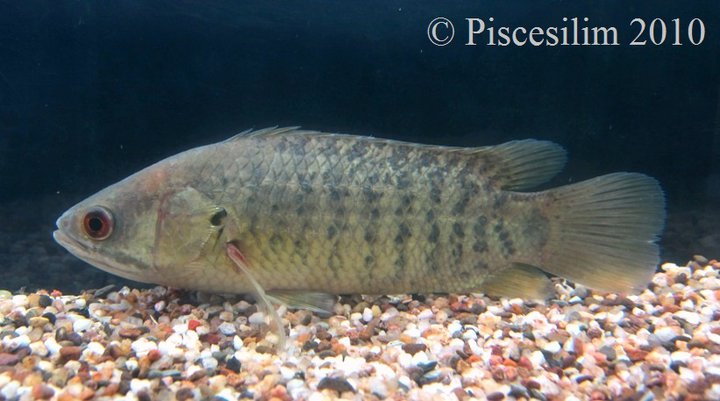
图片来自 SeriouslyFish,版权归各摄影者所有。
English
Overview
Air breathing and limited overland movement make Anabas testudineus unusual, but it cannot climb trees and has not been recorded hunting while out of water. Adult size and predatory habits call for dedicated planning rather than an ordinary small-fish community.
Distribution & habitat
The range extends from Pakistan and the Indian subcontinent, including Sri Lanka, through Southeast Asia to southern China, Indonesia, and Singapore. Bhutan remains a probable record. Japan was an erroneous original locality, not part of the natural range. Introduced populations occur in the Philippines, Papua New Guinea, and some Pacific islands near Australia.
Mostly a lowland freshwater fish, it also enters brackish coastal habitats. Swamps, lakes, channels, rice fields, temporary pools, oxbows, tributaries, and main rivers are all used. Retreating floods can strand fish. Under pressure from drying, contamination, or competition, individuals may cross several hundred meters if kept moist, or survive extreme conditions buried in damp ground for weeks. This is not routine terrestrial foraging.
Aquarium setup
Even one fish requires approximately 100 × 45 cm of floor space; adult groups need considerably more. Soft sand, roots, branches, subdued light, and generous shelter work well. Floating vegetation adds cover.
Fit a secure lid and retain about 10–15 cm of humid air above the water. Access to atmospheric air is obligatory, and the fish also jumps effectively. Filtration must handle waste efficiently without creating excessive current.
Diet & feeding
Primarily predatory, it takes smaller fishes, invertebrates, and mollusks. Plant material such as algae and rice grains has also apparently been eaten in nature. Earthworms, shellfish, and other substantial live or frozen foods are accepted in aquariums. Most individuals can learn to take preparations, generally favoring pellets over flakes.
Behaviour & compatibility
Small companions are at risk. Robust, suitably sized cyprinids, catfishes, cichlids, or spiny eels may work where space permits, with actual interactions monitored.
Accounts of conspecific behavior range from strongly territorial to relatively placid. Population differences, unresolved taxonomy, and environmental influences may contribute. One group's behavior should not be treated as a guarantee for all stock.
Sexual dimorphism
Observations from West Bengal describe breeding females as slightly larger and fuller, with males darker and apparently developing pectoral-fin tubercles. Breeding males become reddish, particularly on paired fins, and show a dark diamond-like tail-base mark. Females are less red, have a more diffuse elongated mark, and develop a swollen abdomen and prominent vent region. These observations may not apply throughout the range.
Breeding
There is no nest or parental care. Aquarium spawning without hormonal intervention is uncommon but apparently possible, with maturity potentially reached before one year.
Natural spawning occurs in open water around the start of the rains. A male embrace releases and fertilizes roughly 200 eggs at a time; a spawning event can total approximately 5,000–35,000. Nonadhesive eggs rise to the surface and hatch after about 24 hours. Larvae are roughly 2–3 mm and become free-swimming within two days of hatching.
Notes
Vascular folds in the organ above the gills enable air breathing. On land, modified pectoral and gill-cover spines support the body while tail movements provide propulsion. Movement is awkward, and historical tree-found specimens do not demonstrate tree climbing.
Audible sounds are produced, although their purpose remains incompletely studied. Unresolved population boundaries and mixing through aquaculture escapes complicate the name's application, reinforcing caution about generalizing local observations.
来源
- https://www.seriouslyfish.com/species/anabas-testudineus(抓取于 2026-10-10)
anabas-testudineus · 文件: data/species/anabas-testudineus.md · 状态: 草稿