弓鳍鱼 · Bowfin
概要
| 字段 | 值 |
|---|---|
| 类别 | 鱼 |
| 学名 | Amia calva |
| 别名 | 弓鰭魚、Kahlhecht、Schlammfisch、Amia cinerea、Amia lintiginosa |
| 分类 | 弓鳍鱼目 Amiiformes › 弓鳍鱼科 Amiidae › Amia |
| 水体 | 淡水 |
| 原产地 | 加拿大、美国 |
| 成体体长 | 90 cm |
| 饲养难度 | 中等 |
| 最小水体 | 648 L |
| 最小缸长 | 180 cm |
| 群居方式 | 独居 |
| 外部数据 | seriouslyfish amia-calva;fishbase 2600 |
| 食性 | 肉食 |
| 特征 | 会跳缸: 是;翻底砂: 是 |
| 领地性 | 是 |
| 繁殖方式 | 产卵 |
水质参数
| 参数 | 耐受范围 | 最适范围 | 单位 |
|---|---|---|---|
| 水温 | 15–24 | — | °C |
| pH | 6–7.5 | — | — |
| 总硬度 | 3–15 | — | dGH |
概述
弓鳍鱼(Amia calva)是大型温带捕食鱼,能吞咽空气呼吸,适合有长期照护能力、具备巨型独立鱼缸的资深饲养者。需要凉爽水温、防跳措施和上浮空间,锋利牙齿也使喂食与移动时存在严重咬伤风险。
分布与栖息地
分布于加拿大东南部与美国东北部,常在水草茂密的清水沼泽、湖泊、河流和回水区活动,也能出现在低溶氧、停滞水体中。
饲养环境
成年雄鱼所需缸底至少约 180 × 60 cm,雌鱼体形更大,须相应加大,不能把条目最低规格当作所有个体都够用的标准。
用大石、沉木根、枝条和水草提供遮蔽,浮水植物能形成较暗环境,但须留出可到达的水面供其定期呼吸。缸盖要紧密、牢固,必要时加重,因为它很会跳。
这是温带鱼,夏季可能需要冷水机才能维持适宜温度,设备与长期成本应在饲养前考虑。
食性与喂食
属于肉食鱼,野外吃鱼、无脊椎动物,甚至两栖动物,缸内通常容易转吃非活体饵料。可提供大蚯蚓、适口整鱼或鱼肉,幼鱼也可吃虾、贝肉等。
不必靠投放活鱼维持摄食,操作时尤其要防止鱼突然冲咬接近嘴部的手。
习性与混养
野外独自捕猎,强烈食鱼性、大体形及凉水要求共同决定了它宜单条单缸。繁殖雄鱼的护巢行为尤其激烈,会攻击靠近的动物,不能把繁殖聚集理解成适合日常群养。
雌雄区分
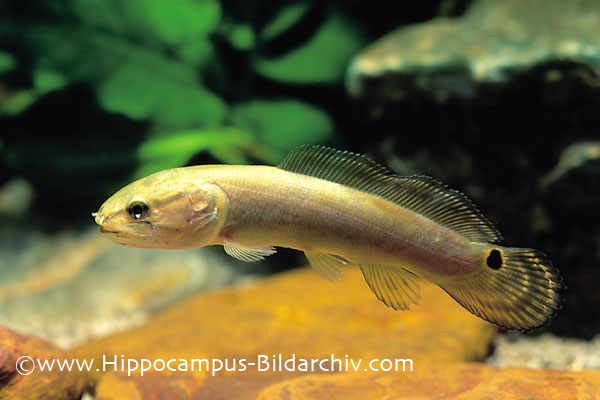
成年雄鱼较小、颜色较鲜明。幼鱼可观察尾柄上方黑斑,雄鱼通常更清晰,雌鱼较淡或没有。
繁殖
缸内繁殖尚未确认。野外每年在水草间的浅水区聚集繁殖,雄鱼清出一小块植被并在底部挖浅坑筑巢。雄鱼绕游求偶后,两鱼贴近,同时释放卵与精子。
雌鱼不继续照护后代,也可能到访数个雄鱼的巢;一巢有时能看到不同发育阶段的卵。雄鱼强烈护巢,不论闯入者大小都会攻击,还持续用鳍扇水,直到卵孵化。孵化后仍保护幼鱼,直到长到约 10 cm 才结束照护。
补充说明
它有辅助呼吸器官,能够取用空气;野外干旱时还可钻入湿润地面、降低活动等待降雨。这类适应不能成为取消正常水体或阻挡水面通道的理由。
人工饲养有超过三十岁的记录,长期空间与降温能力都必须持续落实。喂食、移动或接触鱼时,它可能猛烈咬击,不能用手靠近嘴部试探温顺程度。
图片
图片来自 SeriouslyFish,版权归各摄影者所有。
English
Overview
The bowfin, Amia calva, is a large temperate predator for experienced keepers with substantial dedicated facilities. It breathes atmospheric air and needs access to the surface as well as cool water and effective jump prevention. Sharp teeth make feeding, handling, and close contact potentially hazardous.
Distribution & habitat
It occurs in southeastern Canada and the northeastern United States. Densely vegetated clear-water swamps, lakes, rivers, and backwaters are characteristic habitats, although it also occupies stagnant, oxygen-poor water.
Aquarium setup
An adult male needs a footprint of at least about 180 × 60 cm, with larger accommodation preferable. Females require more space because they grow larger. The listed minimum should therefore not be treated as sufficient for every adult.
Large stones, wood, tangled roots, and plants supply shelter. Floating vegetation creates subdued light, but leave accessible surface areas for regular air intake. Fit a secure, close-fitting lid, weighted if necessary, because bowfin are capable jumpers.
This is a temperate fish. Summer cooling may require a chiller, so both the equipment and continuing expense need consideration before purchase.
Diet & feeding
Its carnivorous natural diet includes fishes, invertebrates, and amphibians. Conversion to nonliving foods is usually straightforward. Large earthworms and appropriately sized fish or fish pieces can be offered, while juveniles also accept prawn and mussel.
Live feeder fish are not required to maintain feeding. Keep hands clear of the mouth during food delivery, since a sudden bite can cause serious injury.
Behaviour & compatibility
Wild bowfin hunt alone. Strong predation on fishes, substantial adult size, and the need for cool conditions favor a dedicated enclosure containing one specimen. Breeding males are particularly forceful in defending nests; seasonal gatherings do not indicate suitability for routine group maintenance.
Sexual dimorphism
Adult males are smaller and more vividly colored. In young fish, a distinct dark spot high on the tail base usually indicates a male; the equivalent marking is faint or absent in females.
Breeding
Aquarium reproduction remains unconfirmed. Wild fish gather annually in shallow vegetation to spawn. A male clears plants from a small area and excavates a shallow nest. After circling courtship, the pair lies together and releases eggs and sperm.
Females provide no subsequent care and may visit several males. Eggs at different developmental stages can occur within one nest. The male defends the site against intruders regardless of size and fans the eggs through incubation. Protection continues after hatching until the young reach roughly 10 cm.
Notes
An accessory breathing organ allows air uptake. During drought, wild fish may enter damp ground and remain inactive until rain returns. These survival abilities do not justify removing normal aquarium water or obstructing surface access.
Captive individuals exceeding thirty years of age have been recorded. Adequate housing and cooling are therefore long-term obligations. Feeding or handling can provoke forceful bites, and apparent calm is not an invitation to place a hand near the jaws.
来源
- https://www.seriouslyfish.com/species/amia-calva(抓取于 2026-10-10)
amia-calva · 文件: data/species/amia-calva.md · 状态: 草稿