小沙鳅 · Dwarf Chain Loach
概要
| 字段 | 值 |
|---|---|
| 类别 | 鱼 |
| 学名 | Ambastaia sidthimunki |
| 别名 | 小沙鰍、Schachbrettschmerle、Zwergschmerle、Botia sidthimunki、Yasuhikotakia sidthimunki |
| 分类 | 鲤形目 Cypriniformes › 沙鳅科 Botiidae › Ambastaia |
| 水体 | 淡水 |
| 原产地 | 缅甸、泰国 |
| 成体体长 | 6 cm |
| 饲养难度 | 中等 |
| 最小水体 | 72 L |
| 最小缸长 | 80 cm |
| 群居方式 | 群游 |
| 特征 | 会跳缸: 是 |
| 外部数据 | seriouslyfish ambastaia-sidthimunki;fishbase 10910 |
水质参数
| 参数 | 耐受范围 | 最适范围 | 单位 |
|---|---|---|---|
| 水温 | 20–30 | — | °C |
| pH | 5.5–7.5 | — | — |
| 总硬度 | 1–12 | — | dGH |
概述
小沙鳅(Ambastaia sidthimunki)体型不大,却需要较大的同种群体和丰富遮蔽。它的混养表现有相互矛盾的观察,尤其不宜因“体型小”就放心搭配行动慢、长鳍或静止不动的鱼。
分布与栖息地
已知范围看来限于泰国西部美功河水系,以及泰缅边界附近的阿塔兰河流域。旧有约姆河、老挝和柬埔寨记录被认为是与黑线沙鳅(Ambastaia nigrolineata)混淆,不能继续并入本种范围。
阿塔兰流域的栖息环境包括林木覆盖的上游缓流段,水体清澈,看来含氧较好,底部为沙和石混合,沉木与落叶丰富。
饲养环境
长期饲养建议至少约 80 × 30 cm 的底面积。可用沙或细砾、圆滑石块、沉木根和枝条构成复杂结构。它常离开底部游动,体型也小,较适合水草布置;耐阴植物可附着于装饰物,为鱼提供阴影。
要有多个躲藏处,也要封堵可能卡鱼的小孔洞,去掉锐边并盖好缸盖。清洁、富氧和适度流动的水很重要,不需猛烈湍流。只在成熟稳定的系统中入鱼,每周约 30%~50% 的换水及防止有机物累积应列入日常维护。
食性与喂食
同属鱼看来偏动物性食物,也会摄食植物物质或柔软叶片。人工食谱应包含优质干粮、小型活饵和冷冻饵,并搭配黄瓜、瓜果、烫软菠菜等;混合凝胶饲料也可使用。切碎蚯蚓宜少量添加。
沙鳅吃螺并不代表只需靠螺生活,不能把它作为清螺工具购买。适应后可大胆摄食,喂食时有时游到中层。
习性与混养
有些饲养观察认为它长期温和,另一些则报告对慢游或长鳍鱼造成伤害;原因及证据仍不充分。因此不宜提供无条件的混养保证,小缸尤其不合适。
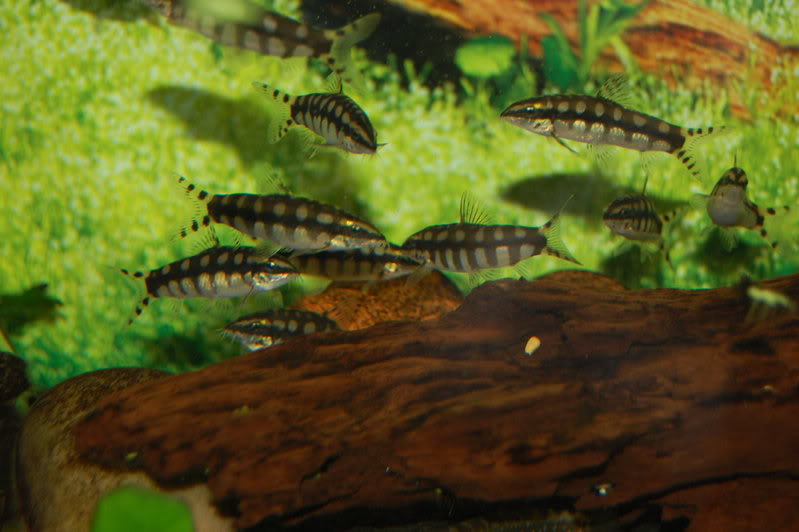
至少养 5~6 条,最好 10 条以上。单养可能退缩或攻击外形相近的鱼,两三条的小群又可能让优势鱼过度压制同伴,直至弱鱼不再进食。充足同类、活动空间和遮蔽能为复杂的群体互动提供条件。
雌雄区分
成熟雌鱼较丰满、通常略大;雄鱼吻部稍长,嘴唇肉质更厚。
繁殖
商业繁殖使用激素诱导,家庭缸中可控制、重复的自然繁殖仍很少见。已有成熟缸内偶然出现幼鱼的记录,其中一次发生在约 284 L、养有 36 条成鱼并混养其他小鱼和鳅类的缸中,水接近中性、食谱多样。这一案例不等于已确定、可重复的繁殖配方。
补充说明
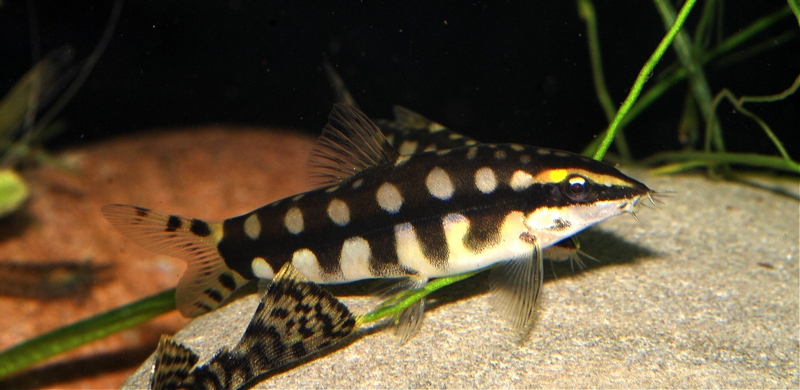
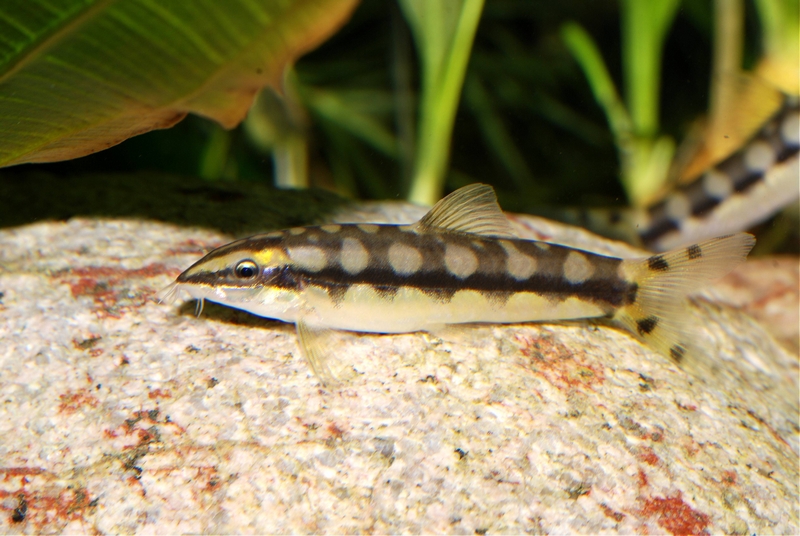
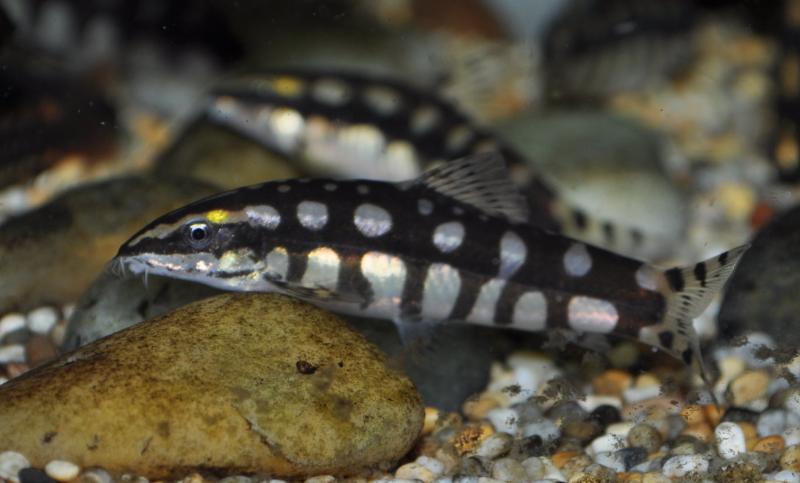
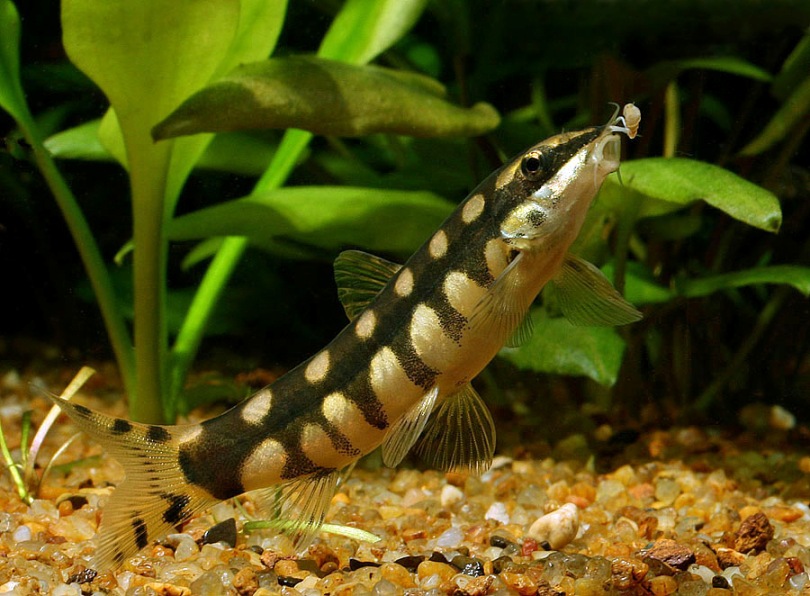
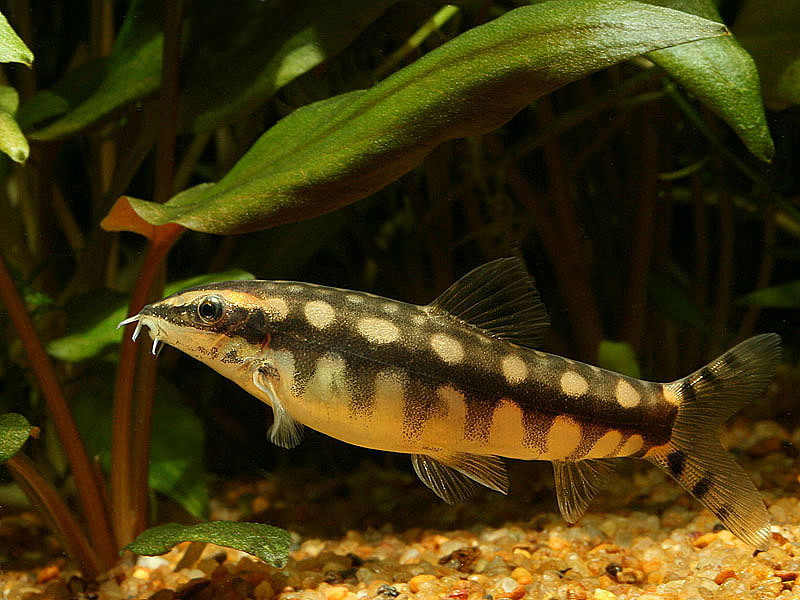
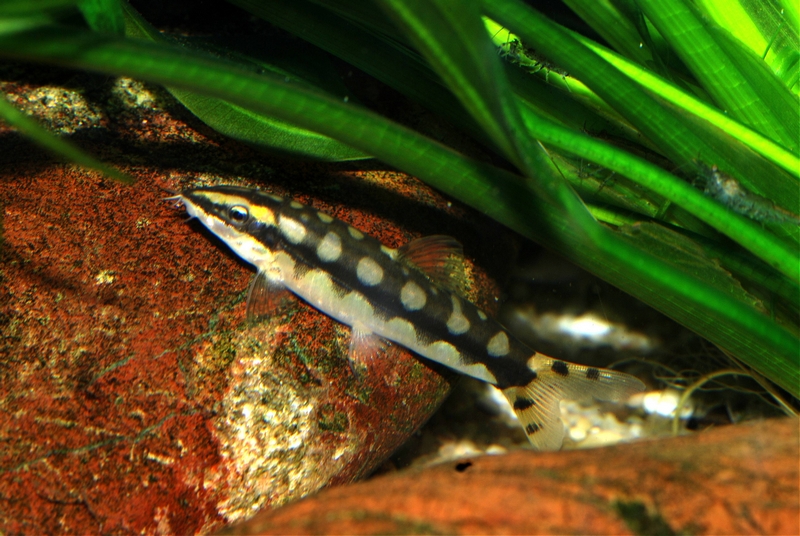
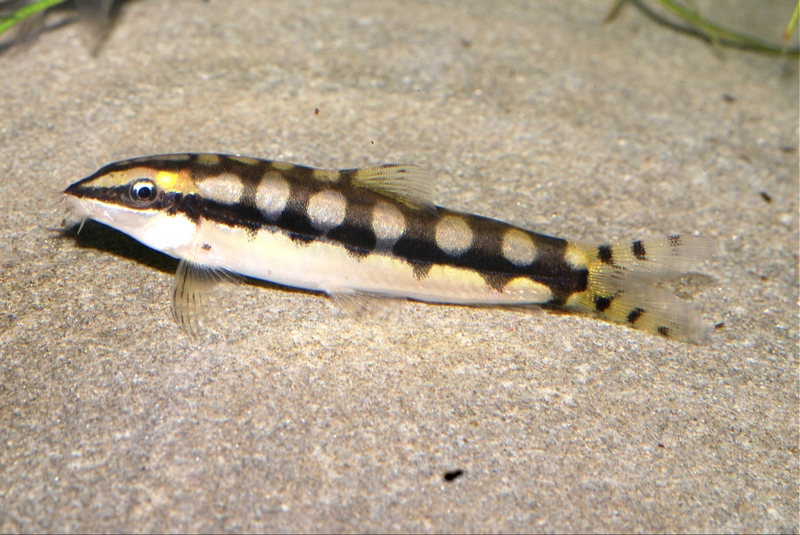
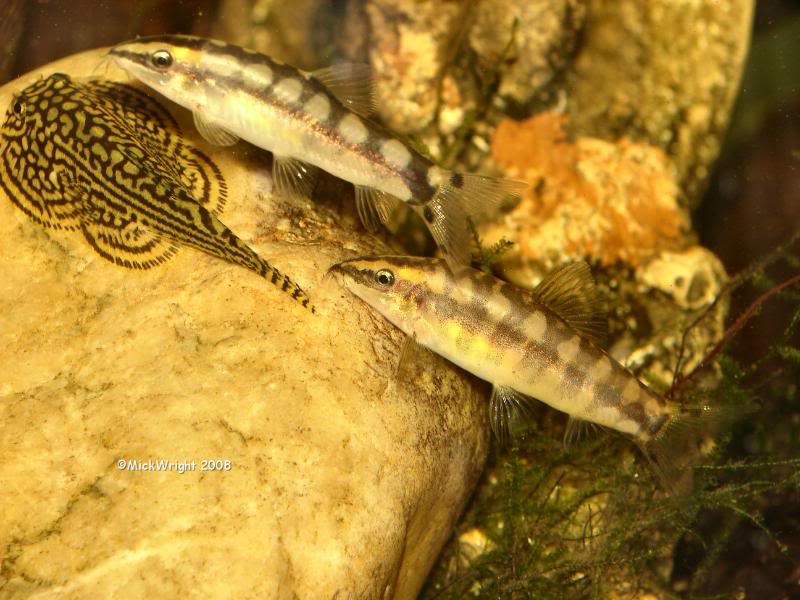
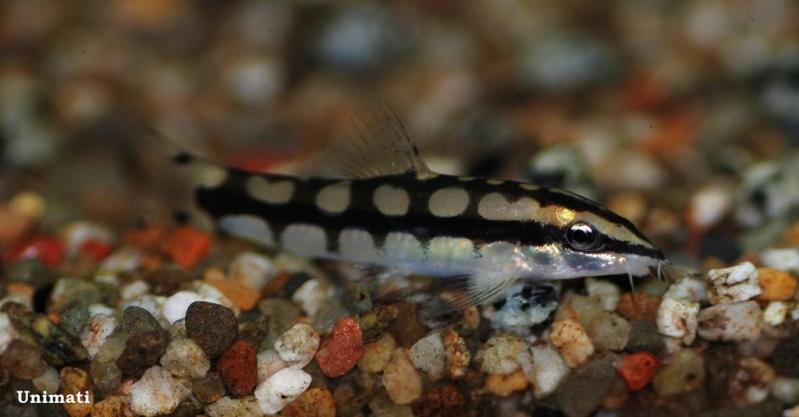
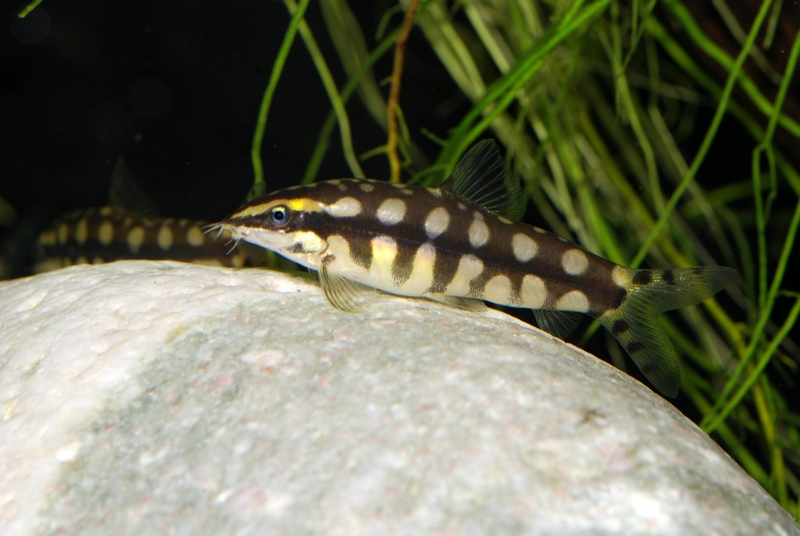
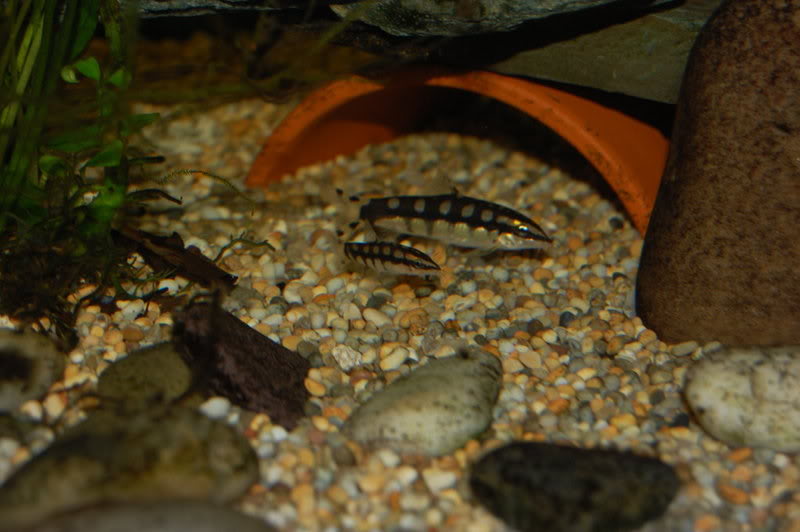
成鱼背纹与侧纹之间常有较明显的横带,并延伸向腹侧,比黑线沙鳅更有链状或格状效果。图案随个体和生长变化,不能只用一处斑纹定种。
同属鱼可在争夺等级时短暂褪色,幼鱼贴着大鱼并排游动,也可能发出咔哒声或全群沿缸壁连续游动;这些行为的具体作用仍未明确。奇特侧卧、竖夹姿势可属于休息行为。新进口沙鳅持续消瘦需要关注,但病因不能仅凭外观确定;眼下棘可能缠网,转移时也需小心。
图片
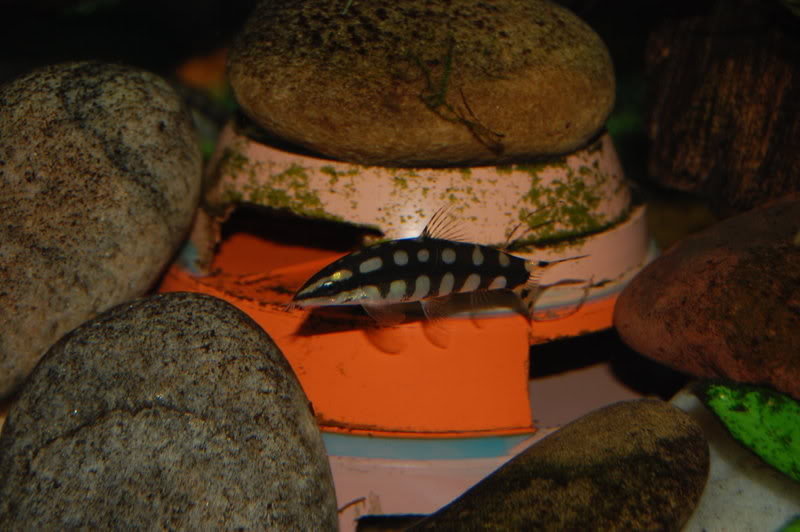
图片来自 SeriouslyFish,版权归各摄影者所有。
English
Overview
Ambastaia sidthimunki, the dwarf chain loach, needs a substantial social group despite its small size. Reports of compatibility conflict, especially regarding slow, sedentary, or long-finned companions. Small size alone is not a reason to assume it will suit any community.
Distribution & habitat
Its range appears limited to Thailand's Mae Klong basin and the Ataran drainage near the Thai–Myanmar border. Older records from the Yom, Laos, and Cambodia reflect confusion with Ambastaia nigrolineata and should not be included in this species' range.
Ataran habitat includes relatively slow forested headwaters with clear, apparently well-oxygenated water. Sand and stones form a mixed bottom with abundant submerged wood and leaves.
Aquarium setup
Provide a footprint of at least about 80 × 30 cm for long-term care. Sand or fine gravel, smooth rocks, roots, and branches create structure. Its small size and tendency to swim clear of the substrate make planting practical. Low-light plants attached to decoration can add shade.
Supply multiple refuges while eliminating sharp edges and openings that could trap a fish. Secure the lid. Clean, oxygen-rich water with moderate movement is preferable to violent turbulence. Introduce fish only to a stable, mature system. Weekly water changes of about 30–50% and prevention of organic waste buildup are routine requirements.
Diet & feeding
Related Ambastaia loaches appear to favor animal foods but also eat plant matter and sometimes soft leaves. Provide a varied menu of quality dry food, small live or frozen foods, and vegetables or fruit such as cucumber, melon, and blanched spinach. Mixed gel foods can be useful. Add chopped earthworms sparingly.
Snail consumption does not make these fish specialized pest-control animals. Settled individuals feed boldly and sometimes enter midwater during meals.
Behaviour & compatibility
Some keepers report long-term peaceful behavior, while others describe injuries to slow or long-finned companions. Causes and firm evidence remain limited, so unrestricted compatibility claims are inappropriate. Small aquaria are particularly unsuitable.
Keep at least five or six, preferably ten or more. Solitary fish may withdraw or become aggressive toward similar-looking fishes. In pairs or trios, dominant individuals can suppress companions severely enough to stop them feeding. Adequate numbers, space, and cover support their complex social interactions.
Sexual dimorphism
Mature females are fuller-bodied and generally slightly larger. Males develop longer snouts and thicker, fleshy lips.
Breeding
Commercial production uses hormonal induction. Controlled, repeatable natural spawning in home aquaria remains uncommon, though juveniles have occasionally appeared in established systems. One example involved 36 adults in about 284 liters with other small fishes and loaches, near-neutral water, and a varied diet. This occurrence does not establish a reliable, repeatable breeding recipe.
Notes
Adults typically have conspicuous connecting bars between the dorsal and lateral markings, continuing toward the belly and creating a chainlike pattern. These bars are less developed in A. nigrolineata. Individual and age-related variation means one marking alone is insufficient.
Observed social routines in the genus include temporary fading during rank disputes, juveniles shadowing larger fish, clicking sounds, and continuous group circuits of the aquarium. Their purposes remain uncertain. Sideways or vertically wedged resting postures can be normal. Persistent weight loss in new imports deserves attention without assuming a cause from appearance alone. Subocular spines can also become entangled in nets.
来源
- https://www.seriouslyfish.com/species/ambastaia-sidthimunki(抓取于 2026-10-10)
ambastaia-sidthimunki · 文件: data/species/ambastaia-sidthimunki.md · 状态: 草稿