侧扁高身亮丽鱼 · Compressed Cichlid
概要
| 字段 | 值 |
|---|---|
| 类别 | 鱼 |
| 学名 | Altolamprologus compressiceps |
| 别名 | 荧点亮丽鲷、側扁高身亮麗魚、熒點亮麗鯛、Nanderbuntbarsch、Lamprologus compressiceps |
| 分类 | 慈鲷目 Cichliformes › 慈鲷科 Cichlidae › Altolamprologus |
| 水体 | 淡水 |
| 原产地 | 坦桑尼亚 |
| 成体体长 | 12.5 cm |
| 饲养难度 | 中等 |
| 最小水体 | 243 L |
| 最小缸长 | 120 cm |
| 群居方式 | 成对 |
| 外部数据 | seriouslyfish altolamprologus-compressiceps;fishbase 8135 |
| 食性 | 肉食 |
| 特征 | 吃虾: 是;吃小鱼: 是;翻底砂: 是 |
| 繁殖方式 | 附着产卵 |
水质参数
| 参数 | 耐受范围 | 最适范围 | 单位 |
|---|---|---|---|
| 水温 | 24–28 | — | °C |
| pH | 8–9 | — | — |
| 总硬度 | 7–25 | — | dGH |
概述
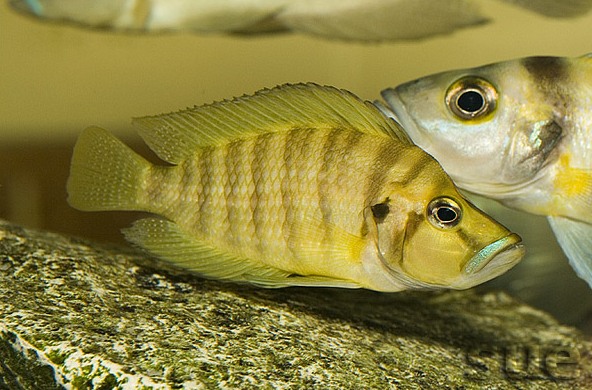
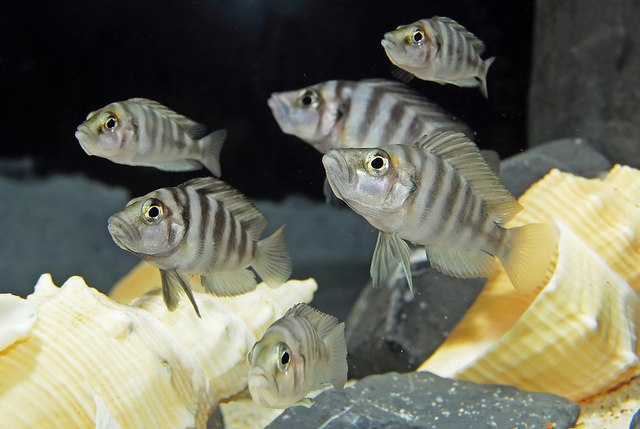
侧扁高身亮丽鱼(Altolamprologus compressiceps)是坦噶尼喀湖岩岸的肉食性慈鲷,细长口部适合深入裂缝取食。它可与经过挑选的坦湖鱼共处,但虾和小到能吞下的鱼属于潜在食物,不能按体形安静就判断安全。
分布与栖息地
本种为坦噶尼喀湖特有鱼,湖内分布较广,模式产地在赞比亚湖南端的 Mpulungu,其他记录也涉及坦桑尼亚、布隆迪和刚果民主共和国湖岸。栖息于岩石碎块密集、表面生物膜发达的区域,空旷底面很少。成鱼多在 10 米或更深处,幼鱼可到浅水;它似乎不善于跨越大片裸露底床,因此许多孤立岩区没有分布。
饲养环境
缸底面积至少约 120 × 45 厘米。沙底搭配占据大部分空间的复杂岩堆,提供不同大小的裂缝和遮蔽。先将岩石直接稳固放在缸底,再加底砂,避免挖掘使石堆坍塌。水质需保持优良,每周换水,换水量可达约 50%。
食性与喂食
天然食物以无脊椎动物、甲壳动物和小鱼为主;一项胃含物研究中,虾类占比超过 80%。多数人工个体能接受干粮,但更宜配合摇蚊幼虫、丰年虾、切碎虾肉、小蚯蚓等活饵或冻饵。无需使用活饵鱼,它们可能引入病原,而且未经适当养壮时营养价值也有限。
习性与混养
通常以单对饲养较合适,大缸可群养。领地性不算特别强,但同伴必须大到不会被当作食物。它的高动物性饮食也不适合与需要低蛋白食谱的慈鲷长期共用同一喂食安排。
雌雄区分
雄鱼显著大于雌鱼,成熟后鳍略延长。
繁殖
在狭窄岩缝或洞穴内的基质上产卵,空间通常只容雌鱼进入。受精后雄鱼离开,雌鱼守卵约 3~5 天,仔鱼自由游动后护幼便结束。开口时已能吃丰年虾无节幼体;生长很慢,达到性成熟可能要一年或更久。
补充说明
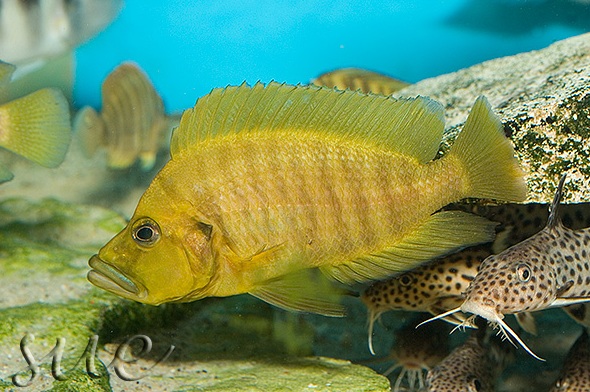
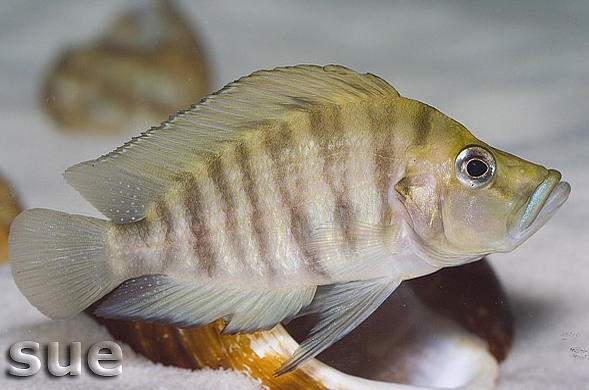
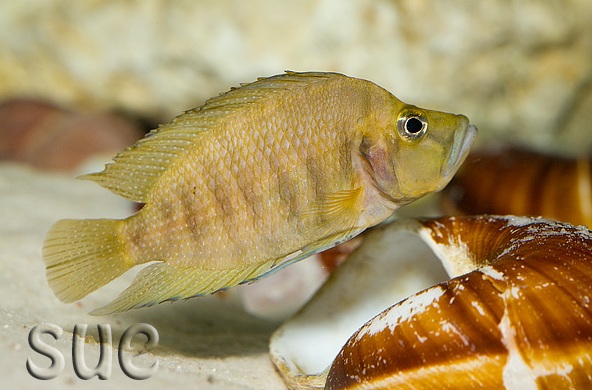
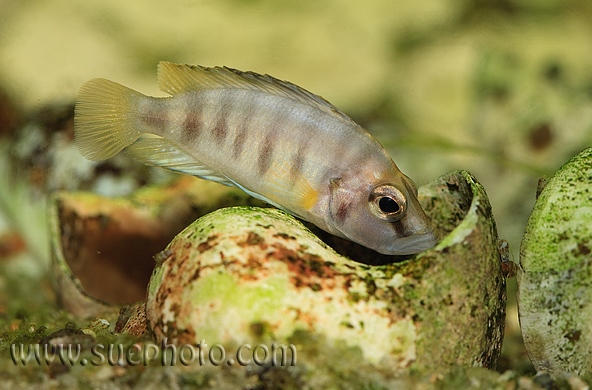
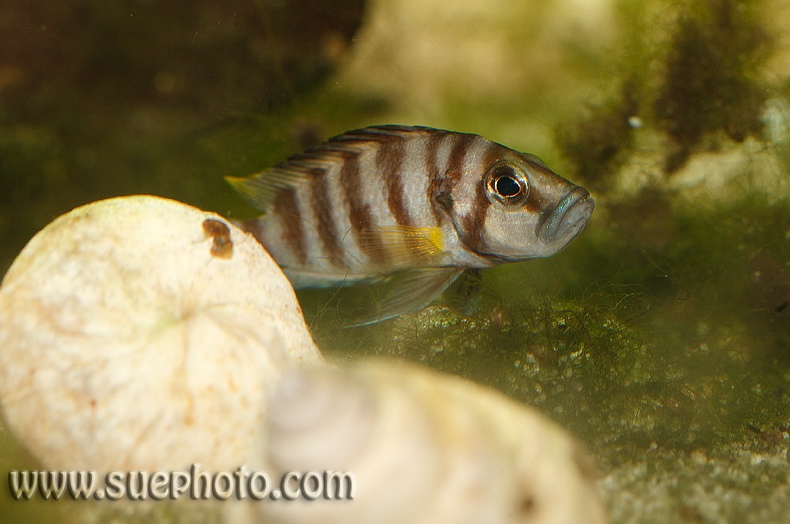
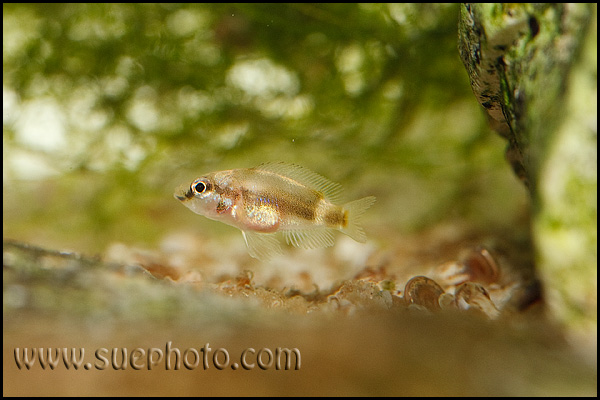
不同产地具有不同颜色,商品名可能一地多名,如 Kigoma 的个体可冠以“red fin”“orange top”等。应保留采集地点标签,并将不同种群分开繁殖。市场上的小型贝居“compressiceps shell”可能是尚未描述的另一种,不能直接当作本种的小尺寸版。
图片
图片来自 SeriouslyFish,版权归各摄影者所有。
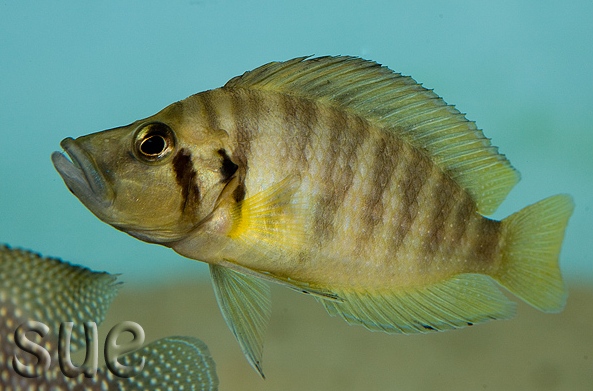
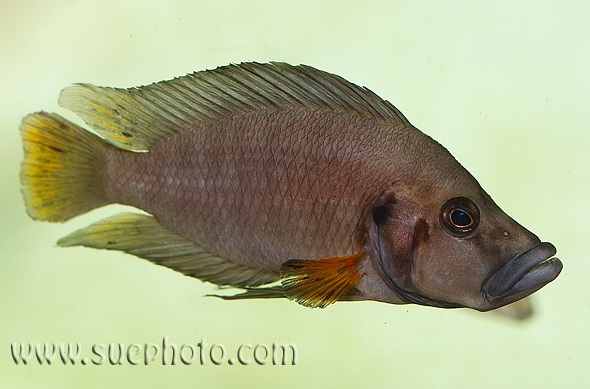
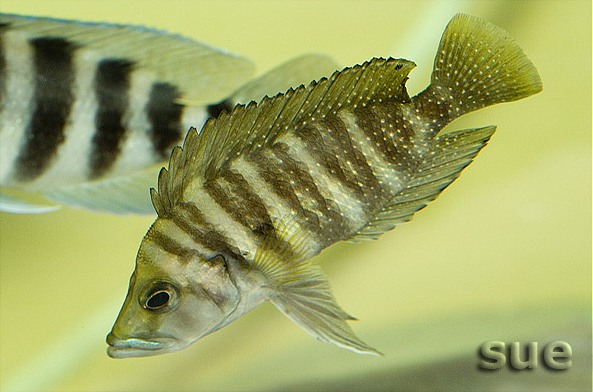
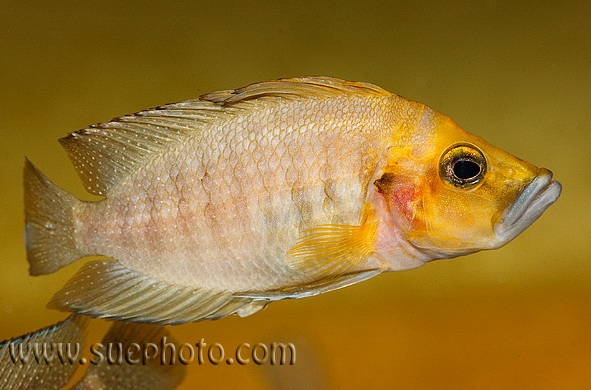
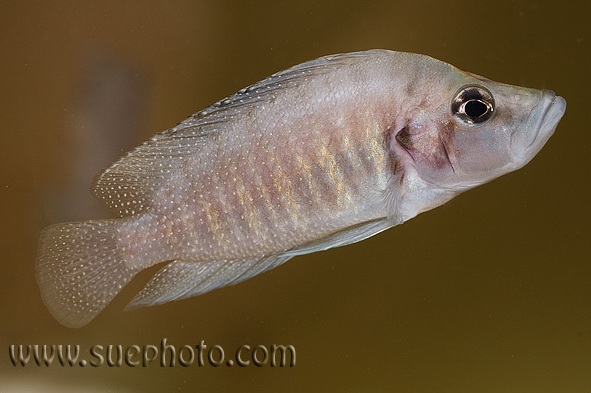
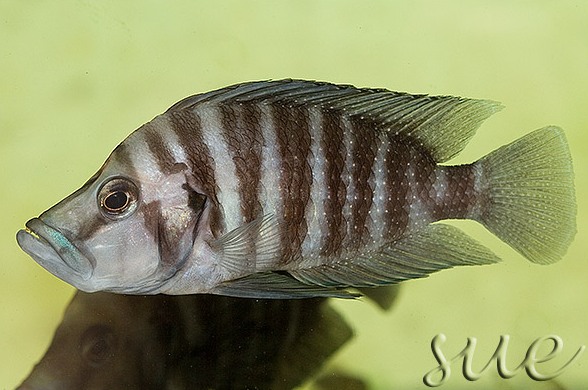
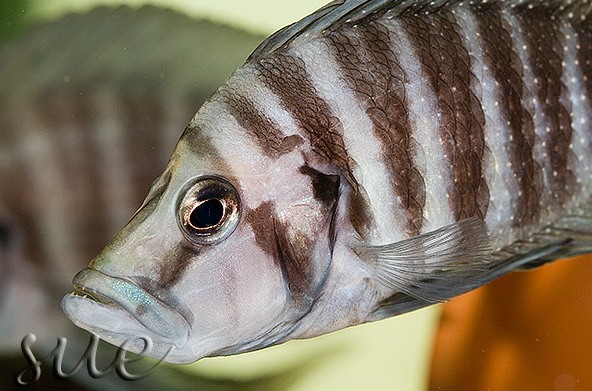
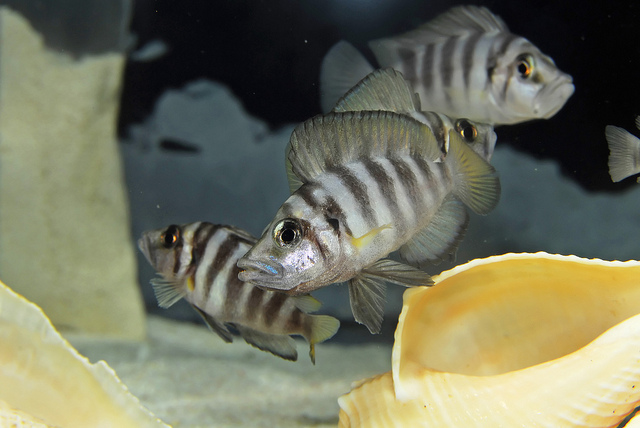
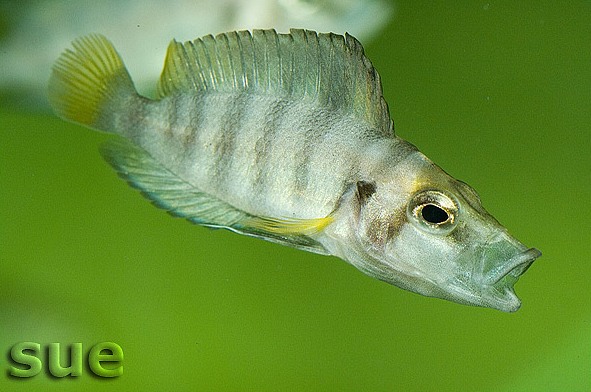
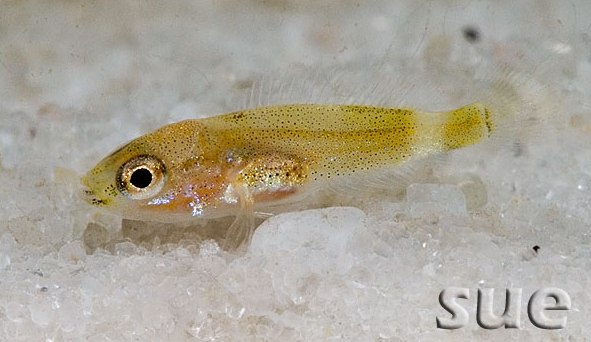
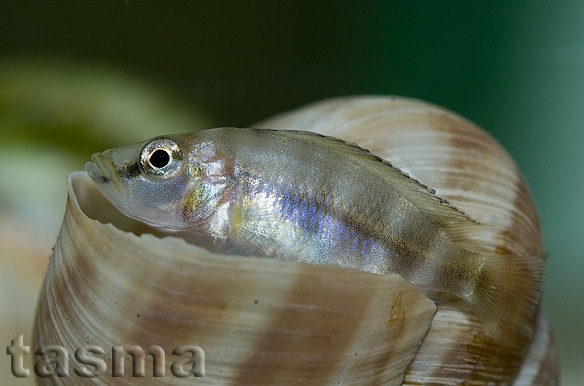
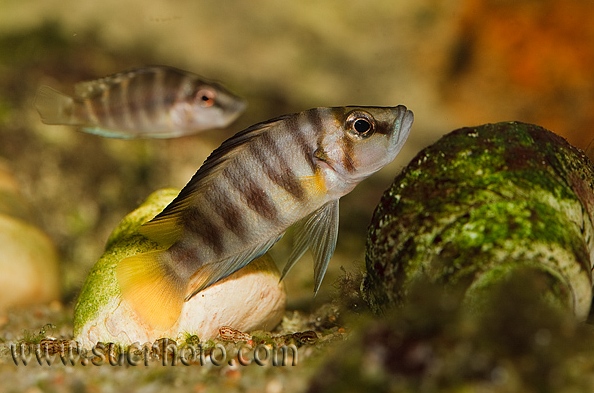
English
Overview
Altolamprologus compressiceps is a carnivorous rock-dwelling cichlid from Lake Tanganyika. Its elongated mouth reaches into narrow cracks for prey. A quiet appearance does not imply safety for shrimp or swallowable fishes, even though it can fit a carefully selected Tanganyikan community.
Distribution & habitat
The species is endemic to Lake Tanganyika and widely distributed within it. Its type locality is Mpulungu at the southern end in Zambia, with other localities along Tanzanian, Burundian and Congolese shores. Dense rocky rubble with developed biofilm and little open bottom is typical. Adults mainly occur at depths of ten meters or more, while juveniles use shallower water. An apparent inability to cross broad bare areas may explain its absence from many isolated rocky sites.
Aquarium setup
Provide at least approximately 120 × 45 cm of floor space. Use sand and complex rock piles occupying much of the aquarium, with numerous crevices and retreats. Seat rocks securely on the tank base before adding substrate so digging cannot undermine them. Maintain excellent water quality and carry out weekly changes, potentially up to about half the volume.
Diet & feeding
Natural prey consists chiefly of invertebrates, crustaceans and small fishes. One stomach-content study found more than 80% shrimp. Most captive specimens accept dry foods, but live or frozen bloodworm, brine shrimp, chopped prawn, small earthworms and similar fare are preferable components of the diet. Feeder fish are unnecessary and may introduce pathogens; their nutritional value can also be poor without prior conditioning.
Behaviour & compatibility
A single pair is usually the best arrangement, although groups are possible in larger tanks. Territoriality is not particularly strong, but companions must be too large to count as food. Its animal-rich diet also conflicts with the feeding requirements of cichlids needing low-protein meals.
Sexual dimorphism
Males become substantially larger and develop slightly extended fins at maturity.
Breeding
Spawning takes place on a surface within a narrow rock cavity, often accessible only to the female. The male leaves after fertilization, while the female guards the eggs through an incubation of roughly three to five days. Care ends when the fry swim freely, by which time they can eat brine-shrimp nauplii. Growth is slow, and maturity may take a year or more.
Notes
Locality forms differ in color, and a single population may appear under several trade labels, as with Kigoma “red fin” and “orange top”. Retain collection information and breed populations separately. The small shell-dweller sold as “compressiceps shell” may represent another, undescribed species rather than a miniature form of this one.
来源
ID:altolamprologus-compressiceps · 文件: data/species/altolamprologus-compressiceps.md · 状态: 草稿